How to Transport a Boat Legally in Minnesota (AIS)
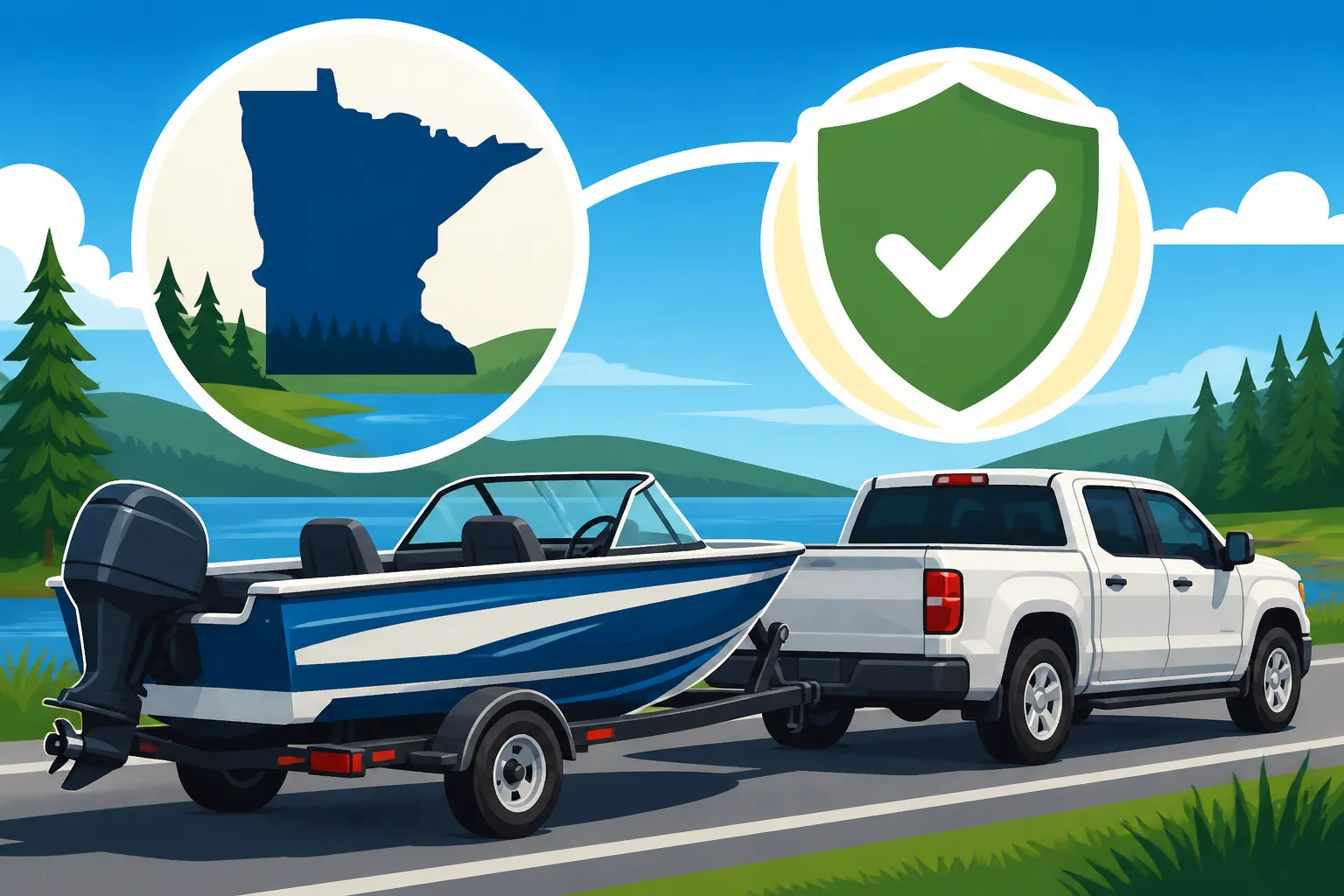
Most boaters know the sinking feeling of seeing a DNR officer flagging them down at a roadside AIS check. You start second-guessing yourself immediately: Did I pull the drain plug? Is there a stray weed caught on the trailer axle? This guide clears the fog on Minnesota’s strict transportation laws, ensuring you stay legal and protect our precious 10,000 lakes.
Understanding the Stakes of Aquatic Invasive Species AIS in Minnesota
If you have spent any time at a public access in Brainerd or near the shores of Lake Minnetonka, you have seen the signs. They are bright, often yellow or orange, and they scream about zebra mussels, starry stonewort, and spiny waterfleas. For a veteran angler, these are not just buzzwords; they represent a fundamental shift in how we enjoy our water. The reality is that Minnesota’s AIS laws are not there to harass you; they are designed to prevent the literal collapse of local ecosystems. When zebra mussels enter a lake, they filter out the microscopic nutrients that young walleye and perch need to survive. This creates a chain reaction that can turn a world-class fishery into a struggling one in less than a decade.
The frustration many of us feel at the boat ramp usually stems from the "one size fits all" nature of the laws. You might think, "I'm only driving five miles to my cabin, what's the big deal?" However, the Minnesota Department of Natural Resources (DNR) has to enforce these rules strictly because invasive species are often invisible to the naked eye. A single drop of water in a livewell can carry thousands of microscopic larvae, known as veligers. These veligers are incredibly hardy and can survive for days in a damp environment. This is why the Aquatic Invasive Species (AIS) Rules for Boaters are so comprehensive and, at times, feel exhausting to follow.
Beyond the ecological impact, there is the very real threat of heavy fines and ruined weekends. Minnesota is proactive with its roadside check stations. These are not optional; if you see a sign for a watercraft inspection station and you are hauling a boat, you must pull in. Failure to do so can result in a citation before the officer even looks at your boat. By understanding the nuances of the law, you can navigate these stops with confidence and keep your focus on the fishing rather than the legal paperwork.
The Three Pillars of Legal Transport Clean Drain Dispose
The core of Minnesota’s boat transportation law is built on three simple words: Clean, Drain, Dispose. While they sound straightforward, the legal definitions under the Minnesota Fishing Regulations PDF: Where to Find It are quite specific. Let’s break down exactly what the state expects of you the moment your boat leaves the water.
Cleaning Your Watercraft and Equipment
Cleaning isn't just about making the boat look nice for the driveway; it is a legal requirement to remove all "visible" aquatic plants and animals. This includes the obvious stuff like the weeds wrapped around your prop, but it also extends to things people often miss. You need to check the bunk trailers where the wood meets the hull, the rollers, and the transducer brackets. Zebra mussels love to tuck themselves into these tight crevices. If you are coming off a lake like Mille Lacs or Lake of the Woods, you should be extra diligent.
It is also important to remember that this law applies to more than just the boat and trailer. It includes anchors, dock lines, and even the boots you were wearing if you waded into the water. If you are moving from a known infested water to a new location, the state actually recommends a high-pressure, hot water wash. While not always legally mandated for every move, it is the only way to ensure you aren't carrying microscopic hitchhikers. If you want to know more about the deep-cleaning process, check out our guide on How to Decontaminate Your Boat (AIS).
Draining All Water and the Drain Plug Law
The "Drain Plug Law" is the one that most frequently catches people off guard. In Minnesota, it is illegal to transport a watercraft on a public road with the drain plug in place. This includes the main hull plug, but also extends to any plugs for livewells, baitwells, or ballast tanks. The only exception is if you have a specific permit for transporting water for biological samples or if you are a commercial bait harvester. For the rest of us, that plug must stay out until you are back at a ramp and ready to launch.
Many anglers ask, "How far do I have to drain it?" The law states you must drain all water from the watercraft, including the bilge, livewell, and motor. For those with outboards, this means trimming the motor down until all the water has exited the cooling system. If you have a larger boat with a complex plumbing system, you might need to run your pumps for a few seconds to clear the lines. This is a common point of inspection at DNR roadside stops. They will look for any standing water in the splash well or the bottom of the hull. Keeping a dry towel in your truck to wipe out those last few ounces of water can save you a lot of grief.
Disposing of Unwanted Bait
The final pillar is the disposal of bait. This is often the most confusing part for people who just bought a $10 scoop of minnows. In Minnesota, you cannot take water from a lake or river and transport it away in a bait bucket. If you want to keep your bait after a day of fishing, you must drain the lake water and replace it with "clean" water, such as tap water or bottled water. This is why many veteran anglers carry a gallon of tap water in their truck during the summer months.
If you don't have clean water to swap in, you are legally required to dispose of your bait in the trash. It is strictly illegal to dump leftover minnows or leeches into the lake, as this is a primary way that invasive species and fish diseases spread. If you are fishing with kids, make sure to explain this rule early. It’s a great lesson in conservation, and it prevents them from accidentally dumping a bucket of "pet" minnows into the next lake you visit. This is part of the education we emphasize for those just starting out, as seen in the Minnesota Fishing License for Kids & Youth guidelines.
Transporting Bait and Water Legally
The bait rule is where many honest people get into trouble. The DNR is very clear: you cannot transport lake water on the road. This means if you are caught with a five-gallon bucket half-full of water from the St. Croix River, you are technically in violation of the law, even if your boat is perfectly clean. The reason for this is simple: water from a river or lake is a soup of organisms. Even if you don't see anything in the bucket, there could be thousands of invasive larvae or viral pathogens like Viral Hemorrhagic Septicemia (VHS).
To transport bait legally, you should follow a strict routine. Before you leave the boat ramp, drain your bait bucket completely. If you have a "minnow miser" or a similar aeration system, make sure the pump is off and the water is gone. Then, refill the bucket with the clean water you brought from home. This "water swap" is the only legal way to keep your bait for the next day. If you forgot your clean water, you must find a bait disposal station at the landing or put the bait in the garbage.
| Activity | At the Boat Ramp | During Transport |
|---|---|---|
| Drain Plug | Must be removed immediately | Must remain out and visible |
| Livewells | Must be drained and empty | Must be dry; no water allowed |
| Bait Bucket | Lake water must be dumped | Must contain only clean (tap/bottled) water |
| Vegetation | All weeds removed from boat/trailer | Boat/trailer must be 100% plant-free |
| Motor | Lower to drain cooling system | Tilted up for road clearance (after draining) |
This chart is a good mental checklist to run through every time you pull your rig out of the water. Whether you are fishing for trophy walleye on Mille Lacs Lake Fishing Rules & Limits or just taking the kids out for panfish, the rules remain the same.
Roadside Inspections and What to Expect
In Minnesota, the DNR and local law enforcement have the authority to set up mandatory roadside inspection stations. These are usually located on major corridors leading away from popular fishing destinations. When you enter an inspection zone, you will see signs directing all vehicles with watercraft to pull over. This includes everything from a $100,000 bass boat to a canoe on top of a sedan.
When you pull in, an inspector will typically walk around your boat and trailer. They are looking for three things:
- Is the drain plug out?
- Are there any visible plants or animals?
- Is there any standing water in the boat or bait buckets?
Most of these inspectors are friendly and looking to educate rather than punish, but if they find a blatant violation, they will issue a citation. The fines for AIS violations have increased significantly in recent years. For example, transporting a boat with the drain plug in can cost you around $100, while transporting a boat with invasive species attached can result in fines of $500 or more. If you are also found to be in violation of other rules, such as What Happens If You Fish Without a License in Minnesota? or possession limits, the costs can spiral quickly.
If an inspector finds zebra mussels or another invasive species on your boat, they may order you to have the boat decontaminated at a specific site before you are allowed to launch in another body of water. This can be a massive inconvenience, especially if the nearest decontamination unit is several miles in the wrong direction. The best way to avoid this is to be your own inspector every time you leave the water.
Winter Transport and Ice Fishing Gear
A common misconception is that AIS rules only apply during the summer. This is false. Minnesota’s AIS laws apply year-round. Even in the dead of winter, you must ensure that your equipment is clean and free of water. If you are using a wheelhouse, you need to be careful about the snow and ice that accumulates on the frame. If you have been on a lake known for starry stonewort, that frozen slush on your frame could be harboring fragments of the invasive plant.
Ice anglers often use portable heaters and electronics that can trap water. Make sure your fish flasher transducers and underwater cameras are wiped dry. If you are using a large permanent house, the rules for Minnesota Ice Fishing & Shelter Rules stipulate that you must still follow transportation laws when moving that house between lakes. Always check the skids and the undersides of your wheelhouse for any vegetation that might have been frozen into the ice.
Furthermore, the rules for bait remain identical in the winter. If you are using minnows for tip-ups on Lake of the Woods Fishing Regulations (2026), you must still swap your water before heading home. The freezing temperatures do not kill all invasive species; in fact, some are quite happy to stay dormant in a block of ice until the spring thaw.
Summary Checklist for Legal Transport
To make things easier for your next trip, here is a quick-fire checklist you can keep on your phone or printed in your glove box:
- Before Leaving the Ramp: Pull the plug and leave it out.
- Check the "Hiding Spots": Look at the axle, the lights, and the motor intake for weeds.
- The Livewell Rule: Open the lid and ensure no water is trapped in the corners.
- Bait Swap: Dump the lake water and use the water you brought from home.
- Trimming the Motor: Lower the outboard to let gravity drain the internal cooling lines.
- The "Walk-Around": Do one final lap around the trailer to ensure nothing is dragging or hanging.
Following these steps isn't just about avoiding a ticket; it's about being a good steward of the land. We all want our kids and grandkids to experience the same incredible fishing we have today. By taking ten minutes to properly clean and drain your boat, you are doing your part to ensure the future of Minnesota fishing remains bright.
Disclaimer
This guide is intended for informational purposes only and does not constitute legal advice. While every effort has been made to ensure accuracy, fishing and boating regulations in Minnesota are subject to change by the Department of Natural Resources (DNR) and the state legislature. Always consult the official Minnesota Fishing Regulations handbook or the DNR website for the most current laws and local ordinances before heading onto the water.