Do Kids Need a Fishing License in Minnesota?
There’s nothing quite like introducing a child to the magic of fishing – the quiet anticipation, the excitement of a tug on the line, the shared memories made on the water. But for many parents and guardians, the joy of planning a family fishing trip can quickly turn into a headache when you start to wonder about all the rules and regulations. You want to focus on tying knots and baiting hooks, not deciphering obscure license requirements for every member of your crew. If you've ever found yourself asking, "Do kids need a fishing license in Minnesota?" you're definitely not alone. This guide will cut through all that confusion and give you the straightforward answers you need so you can get back to what matters: making unforgettable fishing memories with the young anglers in your life.
The Straightforward Answer: Age-Based Exemptions for Young Anglers
Let's get right to the heart of the matter because this is often the biggest question parents have when planning a fishing outing in the Land of 10,000 Lakes. The good news is, for most young children, you don't need to worry about buying a separate fishing license. Minnesota makes it pretty simple to encourage kids to get out on the water, which is fantastic for nurturing that love for the outdoors from an early age.
Minnesota's Youth Fishing License Rules
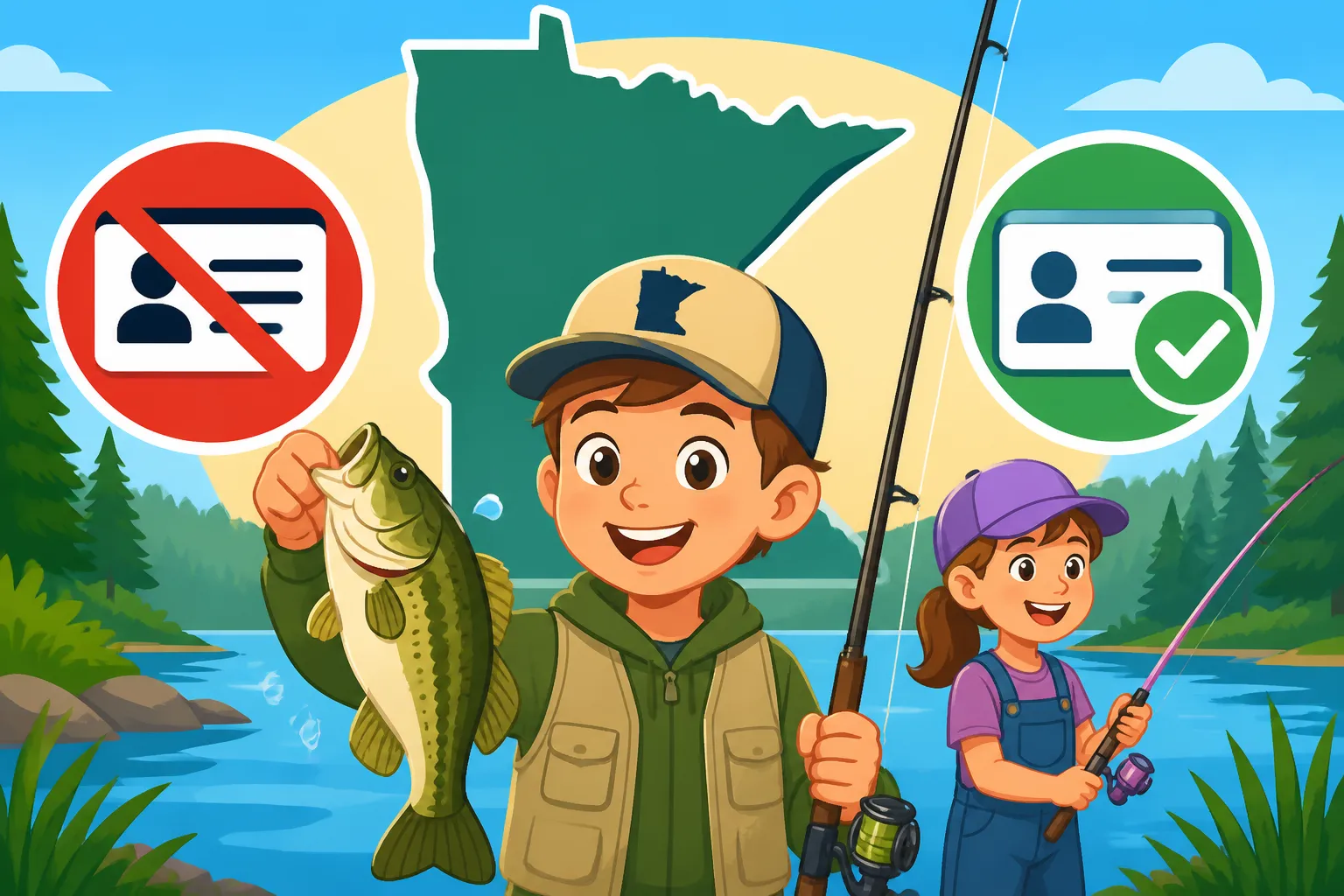
In Minnesota, any resident or non-resident child 15 years of age or younger does not need a fishing license to cast a line in the state's waters. That's a huge relief for families! Imagine packing up the car for a weekend up north to Lake Vermilion or a quick afternoon trip to a local pond near the Twin Cities. You can bring all the kids, hand them a rod, and let them fish without having to worry about purchasing licenses for each of them. This policy is deliberately designed to remove financial and bureaucratic barriers, making it easier for families to introduce fishing as a fun, accessible activity. The state understands that these early experiences are crucial for developing future conservationists and anglers.
This age cutoff applies uniformly across all public waters in Minnesota, whether it's a small stream in the Driftless Area or one of our grand walleye factories like Mille Lacs Lake. So, if you have a 5-year-old, a 10-year-old, or even a 15-year-old, they are all covered under this exemption. It's a wonderful way to foster a love for angling without adding extra stress or expense to your family's budget. It also means that organized youth fishing events or school programs can bring groups of children out without needing to jump through licensing hoops for everyone, which is incredibly beneficial for community engagement.
When a License Becomes Necessary for Young People
While the age exemption is generous, there comes a point when a young person transitions from "kid" to "young adult" in the eyes of the Minnesota Department of Natural Resources (DNR) regarding fishing licenses. Specifically, once a person turns 16 years of age, they are considered an adult for licensing purposes and must possess a valid Minnesota fishing license to fish in Minnesota waters. This applies to both residents and non-residents.
Think of it as a rite of passage! Your child has enjoyed years of free fishing, learning the ropes and hopefully developing a passion for the sport. Now, as they reach 16, they get to contribute directly to the conservation efforts that help maintain the vibrant fisheries they've come to love. This is a great opportunity to teach them about responsible angling, the importance of purchasing licenses, and how those funds directly support stocking programs, habitat restoration, and enforcement efforts across the state. It's not just a fee; it's an investment in the future of Minnesota fishing. You can find out more about what it means to get a license, including the various types available, by checking out our guide on Minnesota Fishing License: Cost, Types & How to Buy (2026).
Encouraging Young Anglers: Why These Rules Matter
Minnesota's approach to youth fishing licenses isn't just about saving a few bucks for families; it's a strategic move with profound long-term benefits for both individuals and the state's natural resources. It’s about cultivating a deep-rooted appreciation for the environment and an active outdoor lifestyle.
Fostering a Love for the Outdoors
One of the biggest struggles parents face today is getting kids unplugged from screens and engaged with the natural world. Fishing offers a fantastic antidote to this, providing hands-on experience with nature, opportunities for quiet reflection, and the thrill of discovery. By removing the license requirement for those under 16, Minnesota actively lowers the barrier to entry for this invaluable outdoor activity. A child who has a positive, stress-free experience fishing is far more likely to embrace it as a lifelong hobby.
Imagine a parent taking their hesitant teenager out to fish for bass on Lake Minnetonka. If they had to buy a license for a child who might only try it once, it could deter them from even making the attempt. But knowing there's no upfront cost for the license means families are more willing to give it a shot. These early, accessible experiences can spark a passion that leads to a lifetime of outdoor adventure, appreciation for wildlife, and even an understanding of complex ecosystems. It's how we build the next generation of anglers, conservationists, and stewards of our precious lakes and rivers.
Practical Benefits for Families
Let's be real, family vacations and recreational activities can add up quickly. Every dollar saved on a fishing trip means more resources for bait, tackle, snacks, or even just filling up the gas tank for that drive up to the Boundary Waters. The youth license exemption offers tangible financial relief for families, especially those with multiple children or those just starting to explore fishing.
Consider a family of four with two kids, aged 8 and 12. If licenses were required for everyone, that's two extra licenses to purchase every year. Over time, those costs can really add up. By eliminating this expense for younger children, the state makes fishing a more affordable and inclusive pastime. This practical benefit allows more families to enjoy quality time together, creating cherished memories without the added financial strain. It ensures that fishing remains a truly democratic sport, accessible to families from all walks of life, regardless of their budget. And who knows, those free fishing years might just hook them for life, leading them to proudly purchase their own license when the time comes.
What About Other Fishing Regulations for Kids?
Okay, so your kids under 16 don't need a license – awesome! But that doesn't mean it's a free-for-all on the lake. While the license itself is waived, all other fishing regulations still apply, and it's super important for adults supervising kids to be aware of these. The goal is to teach responsible angling from day one.
Limits and Species-Specific Rules
This is a big one. Even if your 10-year-old doesn't need a license, they still need to follow all the established rules for the body of water you're fishing. This includes:
- Bag and Possession Limits: If the walleye limit on Lake of the Woods is four, your child can only keep four walleye. All fish they catch and keep count towards their personal limit, and collectively towards the boat's or group's limit. You can't say, "Oh, that's Johnny's fifth fish, but he doesn't need a license, so it doesn't count!" It absolutely counts. Our comprehensive guide on Minnesota Fishing Limits: Bag & Possession (2026) breaks down these rules in detail.
- Size Restrictions (Slot Limits): Many lakes have specific size restrictions, especially for popular species like walleye or northern pike, to protect breeding populations and ensure healthy fisheries. If a lake has a slot limit where, say, you can't keep walleye between 17 and 26 inches, then your child must also release any fish that fall into that slot. Knowing Minnesota Walleye Limit & Size Rules is key before heading out.
- Season Dates: Fishing seasons vary by species and region in Minnesota. Just because a child doesn't need a license doesn't mean they can fish for walleye in January (unless it's ice fishing during the open season, of course!). Always check the current Minnesota Fishing Seasons & Opener Dates (2026) before your trip. These rules are in place to protect fish during critical spawning periods and ensure sustainable populations for generations to come.
As the supervising adult, it's your responsibility to know and enforce these rules for your younger fishing companions. This is where you truly teach them about conservation and ethical angling. It’s not just about catching fish, but about respecting the resource.
Aquatic Invasive Species (AIS) and Other Responsibilities
Beyond the fish themselves, there are broader ecological responsibilities that apply to everyone enjoying Minnesota's waters, including young anglers. The fight against Aquatic Invasive Species (AIS) is a prime example. These unwelcome guests, like zebra mussels and Eurasian watermilfoil, can devastate our lakes and rivers.
When you're out with kids, it's a perfect opportunity to teach them the importance of "Clean, Drain, Dispose":
- Clean all weeds and debris from your boat, trailer, and fishing gear (including your child's tackle box and fishing shoes) before leaving any access point.
- Drain all water from your boat, livewell, and bait bucket.
- Dispose of unwanted bait in the trash, not in the water.
These simple steps are critical, and they apply to every single person using a boat, kayak, or even just waders, regardless of age or license status. Teaching kids these habits early on instills a deep sense of environmental stewardship. They'll grow up understanding that protecting our waters is everyone's job. Our guide on Aquatic Invasive Species (AIS) Rules for Boaters offers even more critical details on this topic. It’s also a good idea to remind kids about general fishing etiquette, like respecting other anglers, picking up litter, and being mindful of wildlife. These aren't written in a rulebook, but they're vital for a positive experience for everyone on the water.
Getting a License for Older Kids (16 and Up)
So, your child has hit that milestone birthday – sweet sixteen! While it means new privileges, like driving, it also means new responsibilities, including purchasing a fishing license if they want to continue their angling adventures in Minnesota. Don't worry, it's not a complicated process, and there are several convenient ways to get them set up.
How and Where to Purchase a License
Once your child turns 16, they'll need their own fishing license. The Minnesota DNR has made it incredibly easy to purchase these, ensuring that getting licensed isn't a hurdle but a simple step in their fishing journey. Here are the primary ways to acquire a license:
- Online: This is often the quickest and most convenient option. You can visit the Minnesota DNR's official licensing website from your computer or even your smartphone. Just have some basic information ready, like their date of birth and a valid form of identification (though often just their name and address are sufficient for resident licenses if they're in the system). The license can then be printed at home or saved digitally on their phone. If you're looking for step-by-step instructions, our guide on How to Get a Minnesota Fishing License Online is a great resource.
- In-Person at an Agent: Many sporting goods stores, bait shops, and even some hardware stores across Minnesota are authorized license agents. This is a fantastic option if you prefer a physical license, need to pick up bait and tackle anyway, or have questions you want to ask a knowledgeable person. Think of places like your local Fleet Farm or smaller independent bait shops in fishing towns like Baudette or Walker.
- By Phone: You can also purchase a license over the phone through the DNR's licensing system. This might be a good option if you're away from a computer and don't have good internet access, but still want to get a license quickly.
When purchasing, make sure they get the correct resident or non-resident license, depending on their residency status. Remember, the funds generated from license sales go directly back into managing and improving Minnesota's fisheries, so it's a crucial contribution to the sport they enjoy.
Different License Types for Young Adults
For a 16-year-old and up, there are a few basic license types they might consider, depending on how often they plan to fish:
- Annual All-Season Fishing License: This is the most common and cost-effective option for anyone who plans to fish more than a few times a year. It covers them for the entire fishing season, from the walleye opener in May all the way through ice fishing the following winter. This is usually the best value for avid young anglers.
- One-Day or Three-Day Licenses: If your teenager only fishes once or twice a year, perhaps during a specific family vacation or a special event, a short-term license might be more economical. These provide coverage for a single day or a consecutive three-day period. It's perfect for a quick trip to Lake Winnie or a weekend camping adventure.
- Combination Licenses: For residents, there are also various combination licenses available, which might include fishing and small game hunting. If your young adult enjoys multiple outdoor pursuits, this could be a convenient and cost-saving option.
It’s worth noting that if they plan to specifically fish for trout in designated trout streams or lakes, they may also need a Minnesota Trout Stamp & Trout Regulations in addition to their base fishing license. Always double-check the regulations for specific species or bodies of water they plan to target.
Here's a quick summary table to help keep things clear:
| Age Range | Minnesota Fishing License Required? | Additional Rules/Considerations |
|---|---|---|
| 0-15 years old | NO | Must follow all bag limits, size limits, and season dates. |
| Must adhere to Aquatic Invasive Species (AIS) rules. | ||
| 16 years old & up | YES | Must possess a valid fishing license (annual, daily, etc.). |
| Must follow all bag limits, size limits, and season dates. | ||
| Must adhere to Aquatic Invasive Species (AIS) rules. | ||
| May need additional stamps (e.g., Trout Stamp) for specific fishing. |
Remember that Minnesota also offers Free Fishing Weekends in Minnesota at certain times of the year, which are fantastic opportunities for anyone, including adults, to fish without a license. It's a great way to try out the sport or introduce it to friends without the financial commitment.
Ultimately, Minnesota's approach to youth fishing licenses is incredibly sensible. It recognizes the importance of getting kids outdoors, keeps costs down for families, and transitions young people into responsible, licensed anglers as they grow. So grab those rods, pack some snacks, and get out there to enjoy the amazing fishing opportunities Minnesota has to offer with your whole family!
Disclaimer
Please remember that fishing regulations, including those related to licenses, can change. While we strive to provide the most up-to-date information, it is always your responsibility to consult the official Minnesota Department of Natural Resources (DNR) fishing regulations handbook or website before heading out on the water. This guide is for informational purposes only and should not be considered legal advice.