Minnesota Conservation vs Regular License
Choosing the right Minnesota fishing license can feel like navigating a maze, especially when you see options like "Conservation" versus "Regular." It’s a common point of confusion, and frankly, nobody wants to pay for something they don't need or, worse, accidentally break a rule because they didn't understand the nuance. This comprehensive guide will break down the Minnesota Conservation vs Regular License, helping you confidently pick the best option for your angling adventures in the Land of 10,000 Lakes.
Understanding Minnesota's Fishing License System
It’s easy to get frustrated by all the rules and regulations that come with fishing, but trust me, they're there for a good reason. Minnesota boasts some of the best fishing in the country, and maintaining that means careful management. Licenses are a big part of how the state ensures our fisheries remain healthy and vibrant for generations to come.
Why We Even Have Different Licenses
At its heart, the Minnesota Department of Natural Resources (DNR) uses license sales to fund critical conservation efforts. This money goes towards everything from stocking programs and habitat restoration to scientific research and enforcement. Without these funds, our beloved walleye, northern pike, and panfish populations simply wouldn't thrive the way they do. The existence of different license types, like the Conservation and Regular options, is often a way to cater to diverse angling philosophies and levels of participation, while still ensuring everyone contributes to the larger conservation goal. It's about finding a balance between access and sustainability.
The Basic Requirement for Anglers
Before you even think about which type of license you need, let's cover the absolute basics: generally speaking, if you're 16 years old or older and plan to fish in Minnesota's public waters, you need a license. There are a few exceptions, like during Minnesota's Free Fishing Weekends in Minnesota, but for your everyday fishing trip, that license is essential. This applies whether you're casting from a fancy bass boat, dropping a line from a dock, or ice fishing in a cozy shelter in the middle of winter. The requirement is about participation, not just success, and it ensures everyone contributes their fair share to the management of our shared natural resources. For a deeper dive into the overall process, check out our guide on how to get a Minnesota fishing license online.
The Regular Minnesota Fishing License: The Full Deal
When most people think of a Minnesota fishing license, they're probably picturing the Regular license. This is the standard, full-privilege option that gives you the most flexibility and access to the state's incredible fishing opportunities. It's the go-to for many dedicated anglers.
What a Regular License Entails
A Regular Minnesota fishing license grants you access to the standard statewide bag and possession limits for all game fish species that are open during their respective seasons. This means you can keep the maximum number of fish allowed per day and in your possession, as set by the DNR. For example, if the walleye limit on Lake Minnetonka is four fish, a Regular license holder can keep four. If you're out chasing panfish like crappie and sunfish, which often have higher daily limits, a Regular license allows you to fully participate in those numbers too. This also includes the ability to fish with the maximum number of lines allowed, typically two lines during open water and two lines for individual anglers during ice fishing, or more if you have an ice shelter license. The regular license is your golden ticket to fully enjoy Minnesota Fishing Limits: Bag & Possession (2026).
It's also important to remember that this "full deal" aspect extends to all legally fishable species across the state, from the smallest panfish to trophy muskie. You're not restricted in the types of fish you can target or the waters you can fish, assuming you adhere to all other specific lake or river regulations. This comprehensive coverage means less worrying about accidental violations if you unexpectedly encounter a hot bite for a different species than you originally intended to target.
Who Benefits Most from a Regular License
The Regular license is truly for the angler who wants maximum flexibility and intends to keep their full legal limit of fish, at least occasionally. If you're planning a trip to a productive lake like Lake of the Woods where you hope to bring home a cooler full of walleye, or if you regularly target panfish and enjoy a good fish fry, this is likely your best bet.
Consider a family vacation up to the Brainerd Lakes Area. If you and your kids are planning to spend a week catching sunfish and crappie for dinner, and maybe some northern pike for the smoker, the Regular license ensures you can all contribute to the daily catch without worrying about hitting reduced limits too quickly. It’s also the preferred choice for avid anglers who participate in fishing tournaments where catching and keeping the full limit might be part of the strategy, or for those who simply enjoy the option to harvest fish whenever the opportunity arises. Essentially, if you don't want any restrictions beyond the standard statewide rules, the Regular license is for you.
The Conservation Minnesota Fishing License: Doing Your Part, with a Twist
The Conservation license is a fantastic option that often gets overlooked or misunderstood. It's designed for anglers who still want to enjoy Minnesota's fishing but are willing to embrace a slightly different approach, often with a focus on giving back to the resource.
The Core Differences: Reduced Limits, Big Impact
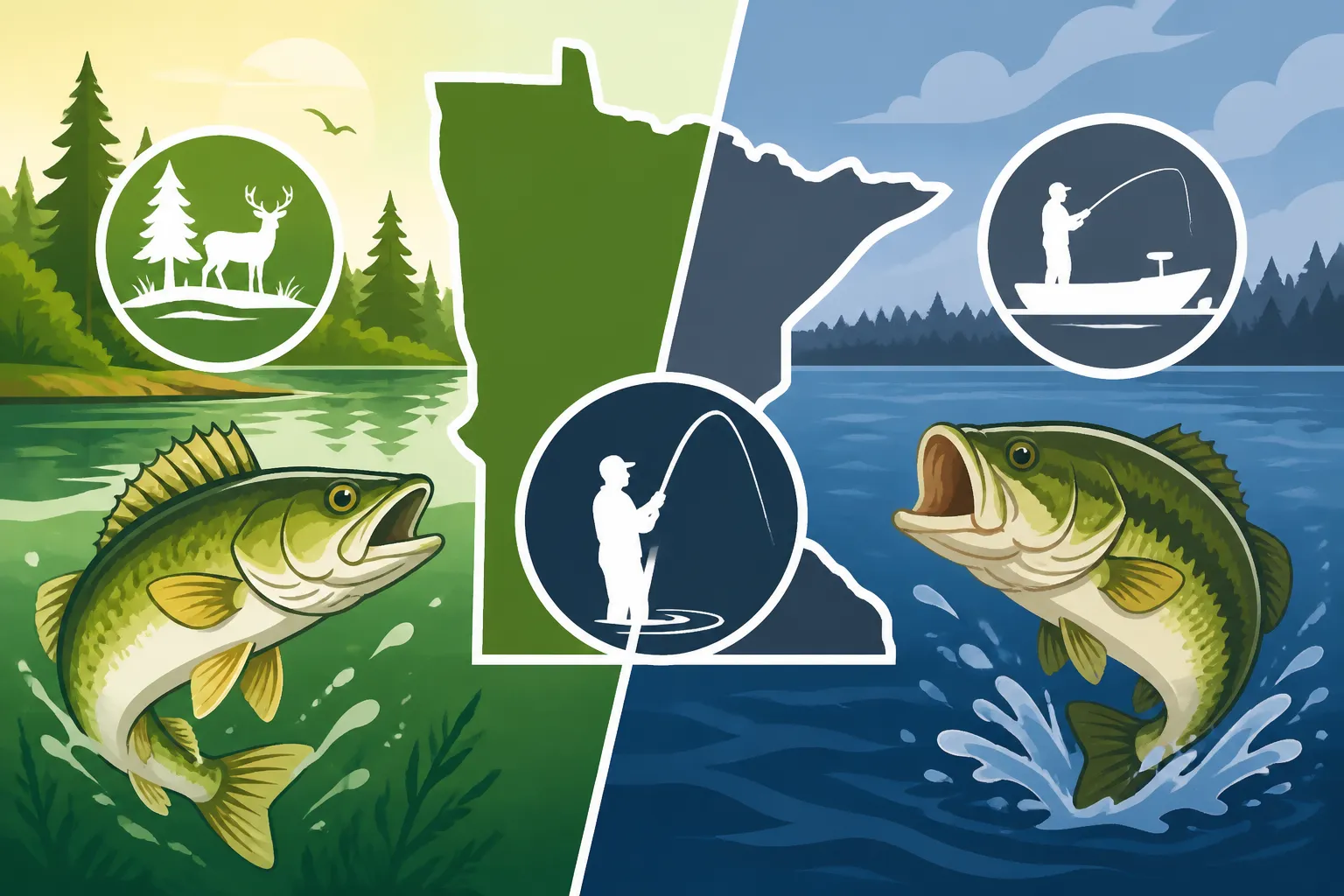
The primary and most significant difference between a Conservation license and a Regular license lies in the bag and possession limits. With a Conservation license, your daily and possession limits for many popular species are reduced, typically by about half compared to the Regular license. For instance, if the Regular walleye limit on a particular lake is four, a Conservation license holder might only be allowed to keep two. This isn't about saving money (though it often is slightly cheaper); it's about actively contributing to conservation by taking fewer fish out of the system. This practice can have a surprisingly big impact on local fish populations over time, especially for highly sought-after species.
While the exact reduction can vary by species and specific regulations, the underlying principle remains constant: you’re agreeing to harvest fewer fish. This means you need to be extra vigilant about checking the Minnesota fishing regulations (you can usually find the most up-to-date Minnesota fishing regulations PDF online) for the specific lake or river you're fishing. It's not just a general "half off" rule; it's a specific, codified reduction that you must adhere to. This conscious decision to take less fish aligns beautifully with modern conservation ethics and ensures that more fish remain in the water to reproduce and grow, benefiting the entire ecosystem. It's a subtle but powerful way to engage in Catch and Release Best Practices in Minnesota without giving up harvesting altogether.
Who a Conservation License is Designed For
The Conservation license is perfect for a few different types of anglers. Firstly, it's ideal for those who primarily practice catch-and-release fishing. If you love the thrill of the bite and the fight, but generally return most or all of your fish back to the water, the reduced limits of a Conservation license won't impact your enjoyment one bit. You still get to experience all the joy of fishing, knowing you're minimizing your impact on the fishery.
Secondly, it's a great fit for the occasional angler. Maybe you only go fishing a couple of times a year, perhaps just for a relaxing afternoon with the kids. In these instances, you might not realistically catch or want to keep a full limit of fish anyway. Why pay for the full privilege if you're not going to use it? The Conservation license offers a slightly lower price point, making it a more economical choice for those lighter fishing schedules. Think about someone who might only fish once or twice a year, perhaps targeting panfish on a small, local lake; they might only need to keep a handful for a small meal, making the reduced limits entirely acceptable. It's also a thoughtful choice for those who want to actively support conservation through their purchasing decision, even if the monetary difference isn't huge.
Side-by-Side Comparison: Conservation vs. Regular License
To really clarify the decision, let's put these two license types head-to-head. Understanding their differences at a glance can help you make an informed choice that suits your fishing style and goals.
A Quick Look at the Key Distinctions
Here’s a table summarizing the main points of comparison between a Minnesota Conservation and Regular fishing license. This should help crystalize the core distinctions.
| Feature | Regular Fishing License | Conservation Fishing License |
|---|---|---|
| Daily/Possession Limits | Standard statewide limits (e.g., 4 Walleye) | Reduced limits, typically ~50% of regular (e.g., 2 Walleye) |
| Cost | Standard price (generally higher) | Slightly reduced price (generally lower) |
| Privileges | Full range of species, maximum legal harvest | Full range of species, but reduced legal harvest |
| Purpose | Maximize harvest opportunities | Prioritize conservation, reduced impact, still allow harvest |
| Best For | Anglers wanting full limits, frequent harvesters | Catch-and-release anglers, occasional anglers, conservationists |
| Additional Stamps | Requires appropriate stamps (e.g., trout, sturgeon) | Requires appropriate stamps, but limits still apply (see below) |
It's clear that while both allow you to fish, they cater to different intentions regarding how many fish you plan to take home. The price difference might not be monumental, but the philosophical difference in approach is quite distinct.
Real-World Scenarios: Which License Fits You?
Let's imagine a few common fishing scenarios to illustrate which license might be the better fit.
-
Scenario 1: The Annual Fishing Trip with the Crew. You and your buddies head up to Upper Red Lake every year for a week-long walleye trip. Your main goal is to catch plenty of walleye, enjoy a few fish frys, and bring a good share of fillets home. In this case, a Regular Fishing License is almost certainly the way to go. You'll want the full daily and possession limits to maximize your harvest and ensure everyone gets their share. Dealing with reduced limits would quickly become a logistical headache and might lead to disappointment if you have a great bite.
-
Scenario 2: Weekend Family Fun at the Cabin. You have a cabin on a small lake near Alexandria and your kids love to catch sunfish off the dock. You might keep a dozen or so for a small family meal once or twice a summer, but most of the time, the kids are just thrilled to catch and release. For this, a Conservation Fishing License makes a lot of sense. The slightly lower cost is a bonus, but more importantly, the reduced limits won't impact your enjoyment. You're supporting conservation while still having the option to bring a few home for a special meal. Plus, it’s a great way to teach the kids about responsible angling.
-
Scenario 3: The Dedicated Muskie Hunter. You spend countless hours casting massive lures for the "fish of 10,000 casts" on a lake like Lake Vermilion. Your goal isn't to harvest, but to catch and release a trophy muskie. You might also dabble in some bass fishing, but again, primarily catch and release. Here, a Conservation Fishing License is a perfect fit. You're not looking to keep fish, so the reduced limits are a non-issue, and you're actively contributing to the health of the fishery by paying for a license that supports a more conservation-minded approach. You're still covered for all species, but your actions align with your fishing philosophy. Our comprehensive Muskie Fishing in Minnesota: The Fish of 10,000 Casts guide details more on this rewarding pursuit.
-
Scenario 4: The Lake Superior Stream Trout Enthusiast. You love the challenge of catching stream trout on the North Shore, hiking into remote areas, and using light tackle. You might keep one or two for a special meal, but often release most of what you catch. If you consistently only keep a few fish, a Conservation Fishing License is a viable choice. However, remember you'll still need to purchase a Minnesota Trout Stamp & Trout Regulations in addition to your base license, regardless of whether it's conservation or regular. The trout stamp is a separate requirement for specific species, but your overall bag limit will still be dictated by your base license type.
Beyond the Basics: Other Considerations for Your License Choice
Deciding between a Conservation and Regular license isn't always a standalone choice. There are other elements of Minnesota's fishing regulations that intertwine with your base license, and understanding them is crucial for staying legal and maximizing your angling experience.
What About Special Stamps and Tags?
Minnesota has specific requirements for certain species that go beyond your general fishing license. These typically come in the form of stamps or tags, and they are required whether you hold a Conservation or Regular license. For instance, if you plan to fish for trout in designated trout waters, you absolutely need a trout stamp. This is an additional purchase, and it funds specific trout stream management and stocking programs. Similarly, if you're targeting the majestic lake sturgeon, you'll need a special sturgeon tag.
It's a common misconception that a Conservation license somehow exempts you from these stamps, but that's not the case. The base license (Conservation or Regular) grants you the general privilege to fish, while stamps and tags grant you the privilege to pursue specific species in specific ways. So, while your Conservation license might limit your general walleye catch, it doesn't mean you can fish for trout without the appropriate stamp. Always double-check if Do You Need a Trout Stamp in Minnesota? or any other specific stamps apply to your planned fishing.
Nonresident Licenses and Conservation Options
For our friends visiting from out of state, the same Conservation vs. Regular license distinction applies. Nonresidents also have the option to purchase either a Regular or Conservation nonresident license. Just like residents, the nonresident Conservation license will come with reduced bag and possession limits.
The considerations for a nonresident are largely the same: if you're coming to Minnesota specifically for a big fishing trip with the intention of harvesting your full legal limit of walleye on Lake Vermilion or crappie on Lake Winnibigoshish, then the Regular nonresident license is probably your best bet. If you're visiting family, plan to fish casually, or are primarily interested in catch-and-release, the nonresident Conservation license might be a more suitable and slightly more affordable option. It’s important to research How Much Is a Nonresident Minnesota Fishing License? as nonresident fees are typically higher than resident fees. The goal is the same for nonresidents: ensure everyone contributes to the conservation of Minnesota's outstanding fisheries.
Penalties for Misunderstanding the Rules
This is where things get serious, and it underscores the importance of fully understanding your license. Ignorance of the law is generally not considered a valid excuse, and Minnesota DNR conservation officers take violations seriously. If you have a Conservation license and are found with more fish than your reduced limit allows, or if you possess fish during a closed season, you could face significant penalties.
These penalties can range from hefty fines to the loss of your fishing privileges, and in some cases, even more severe legal consequences. For example, being found with an over-limit of walleye on Mille Lacs Lake, especially during sensitive regulatory periods, could result in fines reaching hundreds or even thousands of dollars, plus court costs. It's not just about the monetary impact; it's about the stain on your record and the potential embarrassment. Always consult the official Minnesota fishing regulations PDF or the DNR website before you head out, and if you're ever unsure, err on the side of caution. It's much better to release a fish you might be over the limit on than to face a conservation officer with an accidental violation. We've compiled a detailed guide on Penalties for Keeping Over-Limit Fish in Minnesota to help you understand the risks.
Making the Smart Choice: Deciding Your Minnesota Fishing License
Choosing between a Conservation and Regular fishing license really boils down to your personal fishing style, intentions, and how often you plan to wet a line. There's no single "best" answer for everyone, and what's right for your neighbor might not be right for you.
Weighing Your Fishing Habits
Before you click "purchase" online or head to your local bait shop, take a moment to honestly assess your fishing habits and goals for the upcoming season.
- How often do you go fishing? If you're out every weekend from opener to freeze-up, a Regular license is probably worth the investment for the added flexibility. If you only fish a handful of times a year, the Conservation license might be a better fit.
- Do you primarily catch and release, or do you harvest fish for food? If catch-and-release is your mantra, the reduced limits of a Conservation license won't bother you. If you cherish those fish fries and plan to fill your freezer, the Regular license ensures you can maximize your legal harvest.
- Are you targeting specific species with strict limits? Some species, like walleye, often have more restrictive limits than, say, sunfish. If you're laser-focused on a species with a low limit, even a small reduction with a Conservation license might impact your plans significantly.
- What's your budget? While the price difference isn't huge, every dollar counts. If you're looking to save a little and the reduced limits don't pose an issue, the Conservation license is slightly more economical. For a full breakdown, check out our guide on How Much Is a Minnesota Fishing License?.
- How much do you care about maximizing your contribution to conservation? For some anglers, the conscious choice to take fewer fish is a significant personal value. The Conservation license directly supports this ethos.
There's no wrong answer, only the answer that best aligns with your priorities. My best advice is to consider the times you typically keep fish, how many you actually keep, and if a slightly smaller limit would truly hinder your enjoyment. Often, the difference in the amount of fish kept on a conservation license is still plenty for a meal or two for yourself or a small family.
Where to Purchase Your License
Once you've made your decision, purchasing your Minnesota fishing license is a straightforward process. The Minnesota DNR has made it incredibly convenient.
You can buy your license online through the official Minnesota DNR website. This is often the quickest and easiest method, allowing you to print your license immediately or save it digitally on your phone. It's perfect for those last-minute decisions or when you realize you're missing a current license just before hitting the lake. Our guide on how to get a Minnesota fishing license online provides a step-by-step walkthrough.
Alternatively, you can purchase a license in person at various authorized vendors across the state. These include many bait shops, sporting goods stores like Cabela's or Fleet Farm, and even some county government offices. Buying in person allows you to ask questions, grab some bait, and get a fishing report all in one stop – a true Minnesota tradition. No matter where you decide to buy your Minnesota Fishing License: Cost, Types & How to Buy (2026), ensure you receive a valid, current license before casting your line.
Ultimately, whether you choose the Regular or Conservation license, the most important thing is that you're out on the water, enjoying the incredible fishing opportunities Minnesota has to offer, and contributing to the conservation efforts that keep our fisheries strong.
Disclaimer
Please remember that fishing regulations, including license requirements and limits, can change. While I strive to provide the most current and accurate information, it is always your responsibility as an angler to consult the official Minnesota Department of Natural Resources (DNR) regulations before heading out on the water. This guide is for informational purposes only and should not be considered a substitute for the official DNR regulations.