Fishing Near International Falls, Minnesota
Ever felt a little lost when planning a fishing trip to a new, expansive area like International Falls? It's tough knowing where to start, what fish species are biting, and what unique challenges the mighty Rainy Lake and River might present. You want to make the most of your time on the water, not spend it scratching your head over regulations or unproductive spots. This comprehensive guide is designed to cut through that confusion, offering you an in-depth look at the incredible fishing opportunities around International Falls, from legendary walleye to colossal sturgeon, ensuring you're well-prepared for a truly memorable northern Minnesota adventure.
Unveiling the Fishing Riches of Rainy Lake and River
International Falls, often called "The Icebox of the Nation," is your gateway to some of the most spectacular freshwater fishing in North America. The crown jewel, of course, is Rainy Lake, a massive body of water straddling the U.S.-Canadian border, fed by the equally impressive Rainy River. This interconnected system offers an astounding diversity of fish species and angling experiences, making it a bucket-list destination for many anglers.
Walleye Wonders and Where to Find Them
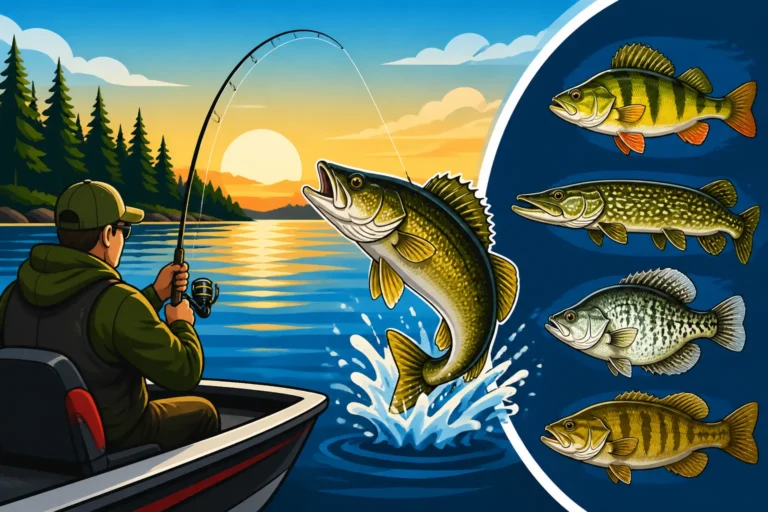
Walleye fishing near International Falls is nothing short of legendary. These delicious, elusive fish are the bread and butter for many local anglers and visitors alike. Rainy Lake’s vast structure, ranging from expansive rock reefs to deep main lake basins and sandy flats, provides endless opportunities for finding these prized fish.
In the spring, immediately after the ice goes out and leading up to the walleye opener, the Rainy River itself becomes a highway for spawning walleye migrating upstream from Rainy Lake. This can be an incredible time for river fishing, often targeting depths of 15-30 feet with jigs tipped with live minnows or soft plastics. As the season progresses into summer, the walleye disperse into Rainy Lake. You'll find them concentrating around deeper main lake points, mid-lake humps, and structural features that provide access to both shallow feeding grounds and deep-water sanctuaries. Trolling crankbaits, drifting with Lindy Rigs, or even vertical jigging spoons can be highly effective. Early morning and late evening, particularly during low light conditions, are prime times when walleye move shallower to feed. For a deeper dive into the behavior and effective strategies, our Walleye Fishing in Minnesota: Complete Guide is an invaluable resource.
Pike Power and Muskie Moments
For those who crave aggressive strikes and powerful fights, northern pike and muskie fishing around International Falls is phenomenal. Rainy Lake is known for its healthy populations of both, offering trophy potential for anglers willing to put in the time.
Northern pike are abundant throughout Rainy Lake and the Rainy River. In spring and early summer, they are often found in shallow, weedy bays and around emergent vegetation, making them accessible to casting with spoons, spinnerbaits, or large crankbaits. As the water warms, bigger pike tend to move to deeper weed lines and rocky structures, though you can still find plenty of hammer-handle pike in the shallows. The Rainy River also holds some impressive pike, particularly in slower current areas and backwaters.
Muskie, the "fish of 10,000 casts," are present in good numbers on Rainy Lake. This is a true trophy fishery, with fish often exceeding 50 inches. Muskie prefer similar ambush points to pike but often relate to larger, deeper structures. Casting big bucktails, jerkbaits, and topwater lures around rocky points, submerged islands, and deep weed edges can produce heart-stopping strikes. Many anglers will spend days targeting these apex predators, often hiring specialized guides to maximize their chances. Understanding Muskie Fishing in Minnesota: The Fish of 10,000 Casts can help prepare you for this thrilling pursuit.
Smallmouth Scrappers and Panfish Prospects
While walleye and pike often steal the spotlight, the smallmouth bass fishing in Rainy Lake is world-class, offering explosive fights and acrobatic jumps that rival any fishery. Additionally, healthy populations of crappie and other panfish provide excellent opportunities for family-friendly fishing or a break from targeting larger species.
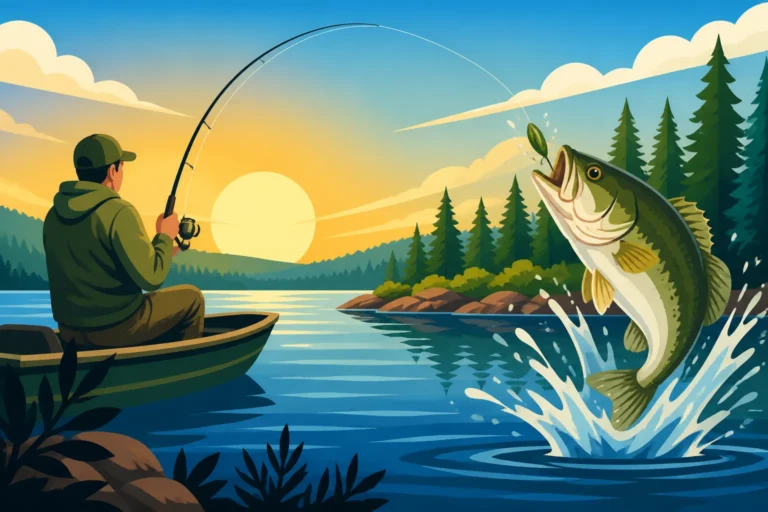
Smallmouth bass thrive on Rainy Lake's rocky structures, especially around points, shoals, and islands with plenty of broken rock and gravel. They are aggressive feeders and will readily strike topwater lures in low light, spinnerbaits, crankbaits, and soft plastics rigged on jigs or drop shots. Watching a bronzeback explode on a topwater lure near a rocky outcrop is an experience every angler should have. For insights into their habits, check out our guide on Smallmouth & Largemouth Bass in Minnesota.
Crappie, while less concentrated than in some southern Minnesota lakes, can be found in bays and backwaters of Rainy Lake and River, particularly in areas with submerged timber or dense weeds. Look for them suspending over deeper channels or near brush piles. Jigs tipped with small plastics or live minnows under a bobber are classic, effective setups. While not the primary draw, catching a mess of crappies for a shore lunch can be a fantastic bonus. Our Crappie & Panfish Fishing Techniques guide offers more tips.
Lake Sturgeon: The River's Ancient Giants
The Rainy River is home to a truly remarkable fishery for lake sturgeon. These prehistoric giants can live for over 100 years and grow to immense sizes, making them one of the most unique and challenging catches in Minnesota. The Rainy River, particularly the stretch near International Falls, is celebrated as one of the best sturgeon fisheries in the world.
Sturgeon fishing is primarily a catch-and-release fishery, with strict regulations to protect these slow-growing fish. Anglers typically target them from a boat, anchoring in the main river channel and using heavy-duty tackle. Baits like nightcrawlers, cut bait, or even a combination of both, presented on a large circle hook with a heavy sinker to hold bottom in the current, are standard. The fight from a large sturgeon is incredibly powerful and prolonged, requiring patience and the right gear. It's truly a battle of wills. For everything you need to know about targeting these magnificent creatures, read our Lake Sturgeon Fishing in Minnesota: Rainy River Giants article.
Navigating Border Waters and Regulations
Fishing near International Falls means you're often on border waters between Minnesota and Ontario, Canada. This adds a layer of complexity to the regulations that all anglers absolutely must understand before heading out. Ignoring these rules can lead to serious fines and confiscation of gear.
Understanding Minnesota-Ontario Fishing Rules
The Rainy Lake and Rainy River system is governed by a special set of border water regulations. Generally, if you are fishing in waters that border Minnesota and Canada, you must possess a valid fishing license from either Minnesota or Ontario, but not necessarily both, provided you stay within the border waters and follow the rules of the license you possess. However, it gets trickier if you cross into Canadian inland waters or Canadian land (even to tie up for lunch).
Always carry your passport or enhanced driver's license if you might be venturing into Canadian waters, even inadvertently. Species-specific regulations, possession limits, and size restrictions can differ between Minnesota and Ontario, and it is your responsibility to know which set of rules applies to you based on your license and location. For example, if you possess a Minnesota license, you must abide by Minnesota's seasons, limits, and size restrictions even if you're technically in Canadian border waters. The specifics are crucial, and we highly recommend reviewing the Border Water Fishing Rules (Minnesota-Ontario, Wisconsin) to avoid any issues. Always consult the most current Minnesota DNR fishing regulations and the Ontario fishing regulations before your trip.
Key Seasonal Considerations and Limits
Minnesota's fishing seasons and limits vary by species and sometimes even by specific bodies of water. In the International Falls area, the primary fishing season for most species like walleye and northern pike typically opens in mid-May. However, species like crappie and bass may have slightly different openers or specific catch-and-release periods.
For instance, walleye and northern pike usually have a continuous season after their opener through late winter for ice fishing, but daily and possession limits are strictly enforced. Lake sturgeon fishing, due to the species' vulnerability, often has very specific, short harvest seasons or is entirely catch-and-release, sometimes requiring a special tag in addition to your license. Pay close attention to these details.
Here's a simplified overview of common species and general season structure, though always verify current regulations:
| Species | General Open Season (Minnesota Side) | Daily Bag Limit (Typical) | Size Restrictions (Typical) | Notes |
|---|---|---|---|---|
| Walleye | Mid-May to February | 6 | 17-26" slot, 1 over 26" | Check Rainy Lake Fishing Regulations (2026) for specifics. |
| Northern Pike | Mid-May to February | 3 | Various, 1 over 30" | Zone regulations apply statewide, but border waters might differ. |
| Smallmouth Bass | Late May/June to February | 6 | No slot (check annually) | Often catch-and-release early in season. |
| Crappie | Continuous | 10 (individual) | No slot | Some lakes have reduced limits; check local regs. |
| Lake Sturgeon | Very specific, short windows, or catch-and-release | 1 (with tag) | Very large slot, e.g., 45-50" or 60"+ | Often catch-and-release only. Special tag required for harvest. |
Always refer to the official Minnesota DNR Fishing Regulations and Ontario's fishing regulations for the most up-to-date and specific rules for Rainy Lake and Rainy River, as these can change annually.
Remember that Minnesota Fishing Seasons & Opener Dates (2026) provides a comprehensive look at statewide regulations, but border water rules often supersede or modify these.
Essential Gear, Tactics, and Trip Planning
A successful fishing trip to International Falls requires not only knowing where to fish but also how to fish effectively and what gear to bring. The challenging conditions and diverse species demand a versatile approach.
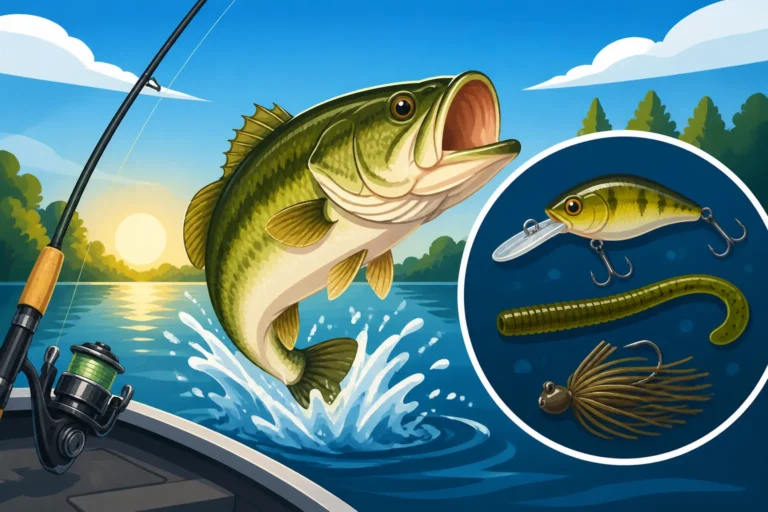
Top Lures and Baits for International Falls Fish
Having the right tackle can make all the difference, whether you're chasing walleye, battling pike, or reeling in a monster sturgeon.
- For Walleye:
- Jigs: 1/4 to 1/2 oz jigs are essential for river walleye or vertical jigging on the lake. Tip them with live minnows (shiners or fatheads) or soft plastics like Berkley Gulp! minnows.
- Crankbaits: Trolling crankbaits like Rapala Shad Raps, Berkley Flicker Shads, or Salmo Hornets in various sizes and dive depths are fantastic for covering water on Rainy Lake. Colors mimicking local forage like perch, shiner, or firetiger are usually winners.
- Live Bait Rigs: Lindy Rigs or similar slip-sinker rigs, dressed with a leech, nightcrawler, or minnow, are incredibly effective for slowly drifting or still-fishing over structure. For more on this, consult Best Live Bait for Walleye (Leeches, Minnows, Crawlers).
- For Northern Pike:
- Spoons: Classic Dardevle spoons in red/white or five of diamonds are still deadly.
- Spinnerbaits: Large spinnerbaits with tandem blades can attract aggressive strikes from pike holding in weeds.
- Crankbaits: Larger shallow-running crankbaits or lipless crankbaits are great for covering water in shallower bays.
- For Muskie:
- Bucktails: Large inline spinnerbaits like Musky Mayhem Tackle Cowgirls or Drifter Tackle Double 8s are go-to choices.
- Jerkbaits: Wooden or plastic jerkbaits like Suick Thrillers or Grandma baits are effective for a more erratic action.
- Topwater: Buzzbaits or prop baits in low light conditions can be incredibly exciting.
- For Smallmouth Bass:
- Jigs: Tube jigs, football jigs, or hair jigs in greens, browns, and black.
- Soft Plastics: Senkos, grubs, and creature baits rigged Texas or Carolina style.
- Crankbaits/Spinnerbaits: Small to medium-sized crankbaits and spinnerbaits.
- Topwater: Poppers and walk-the-dog style baits.
- For Lake Sturgeon:
- Heavy Tackle: A stout rod (heavy action, 7-9 feet) with a large baitcasting reel spooled with 60-80 lb braided line.
- Baits: Large gob of nightcrawlers, cut suckers, or other oily fish presented on a 5/0 to 8/0 circle hook with a 3-8 oz no-roll sinker to hold bottom in the current.
Booking a Guide or Planning a DIY Adventure
Deciding whether to hire a fishing guide or embark on a self-guided trip depends on your experience level, budget, and desired outcome.
- Hiring a Fishing Guide: For first-timers to Rainy Lake and River, or those seeking specific species like trophy muskie or sturgeon, a reputable local guide is often worth the investment. Guides intimately know the water, current patterns, seasonal movements of fish, and the complex border regulations. They provide all the necessary gear, bait, and often even prepare shore lunches. Many top guides in the International Falls area can be found through platforms like FishingBooker, where you can read reviews and compare services, ensuring you find the perfect match for your group. A good guide maximizes your chances of success and minimizes the learning curve. For an optimal experience, consider booking a guide who specializes in Rainy Lake Fishing Guide.
- Planning a DIY Adventure: If you have your own boat, electronics (like a reliable fish finder and GPS with lake maps), and some experience navigating large bodies of water, a DIY trip is entirely feasible. However, be prepared for the vastness of Rainy Lake and the strong currents of the Rainy River. Having up-to-date lake maps (like Navionics or LakeMaster chips) is critical for identifying structure. Make sure your boat is properly equipped for big water, and always file a float plan with someone on shore. You'll also need to be vigilant about monitoring weather conditions, as Rainy Lake can get rough quickly. Remember to check how many lines can be used when How Many Lines Can You Fish in Minnesota? as rules can vary.
Ice Fishing Opportunities When the Cold Sets In
When the notorious International Falls winter truly sets in, ice fishing transforms Rainy Lake and River into a bustling frozen city. This region offers some fantastic hardwater action, attracting anglers from all over for walleye, crappie, pike, and even occasional lake trout or sturgeon (under special regulations).
Ice conditions on Rainy Lake and River can be highly variable, especially near moving water, so always prioritize safety and check with local bait shops or resorts for current ice reports. Many resorts around International Falls offer ice house rentals, from basic day shelters to luxurious sleeper houses, allowing you to stay warm and comfortable. This is a great option for those new to ice fishing or without their own extensive gear.
For walleye, typical depths range from 15-35 feet, often targeting main lake points, humps, and structural breaks. Jigging with spoons (like Northland Buck-Shot Rattle Spoons or Rapala Jigging Raps) tipped with a minnow head, or deadsticking a live minnow under a bobber, are common tactics. For crappie, look for deeper basins, often 25-45 feet, where they suspend. Small tungsten jigs tipped with plastics or waxworms can be deadly. Pike can be targeted with tip-ups set with large live minnows (suckers or shiners) in shallower, weedy bays or along deeper weed lines. Dressing warmly and having proper safety gear is non-negotiable. Our Ice Fishing in Minnesota: Complete Beginner-to-Pro Guide offers extensive details for preparing for your winter trip.
Choosing the right time of year is also key, as Seasonal Fishing Patterns in Minnesota dictate where fish will be and what they'll be biting.
Disclaimer
Please be aware that fishing regulations, seasons, and limits are subject to change. Always consult the most current official Minnesota Department of Natural Resources (DNR) fishing regulations and, if applicable, Canadian (Ontario) fishing regulations before engaging in any fishing activities. This guide is for informational purposes only and does not supersede official government regulations.