Lake Vermilion Fishing Report & What’s Biting
Trying to figure out what's biting on a massive, complex lake like Vermilion can feel like a real puzzle. With its countless islands, bays, and intricate structure, getting a clear picture of current fishing conditions is tough, even for seasoned anglers. This guide is here to untangle that complexity, providing you with a realistic, up-to-date look at the fishing on Lake Vermilion and what you can expect to catch right now, along with essential tips to make your next trip a success.
Understanding Lake Vermilion's Unique Fishery
Lake Vermilion isn't just a lake; it's an entire ecosystem, a wild, rugged expanse of water covering over 40,000 acres in Minnesota's Arrowhead Region. This majestic body of water, with its roughly 365 islands and countless miles of shoreline, offers a fishing experience unlike any other. Its sheer size and diverse habitats contribute to a robust, multi-species fishery that keeps anglers coming back year after year.
Lake Profile and Diverse Fish Species
Lake Vermilion boasts an incredibly varied bottom composition, transitioning from shallow, dark-bottomed bays perfect for panfish and northern pike to vast, clear-water main lake basins with deep rock structure that hold walleye, smallmouth bass, and muskie. You'll find everything from submerged humps and reefs to expansive weed flats and sharp breaks, all contributing to prime habitat for different species. The lake's water clarity can vary significantly, with some sections being stained and others crystal clear, influencing fish behavior and preferred presentations.
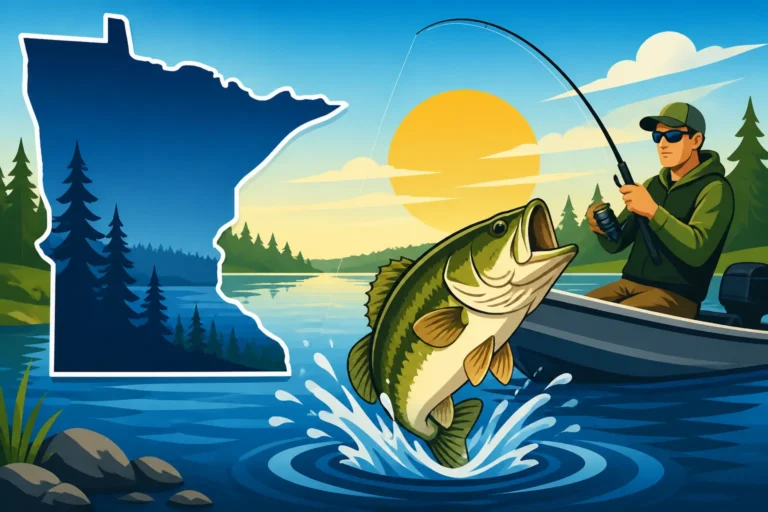
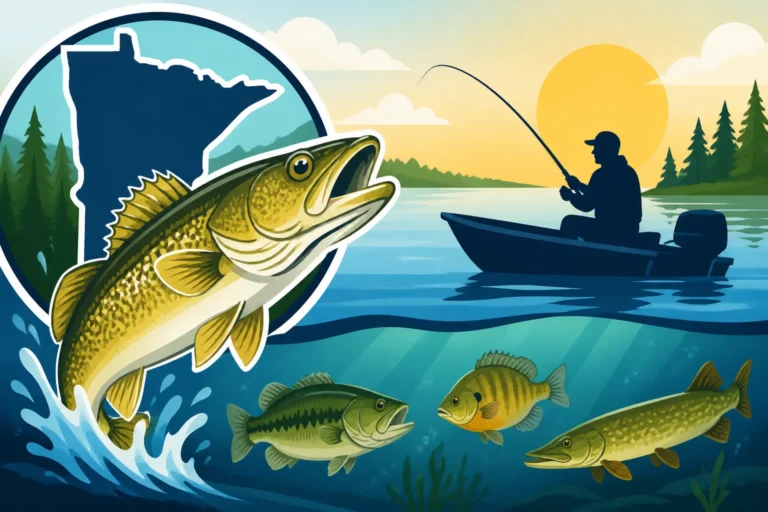
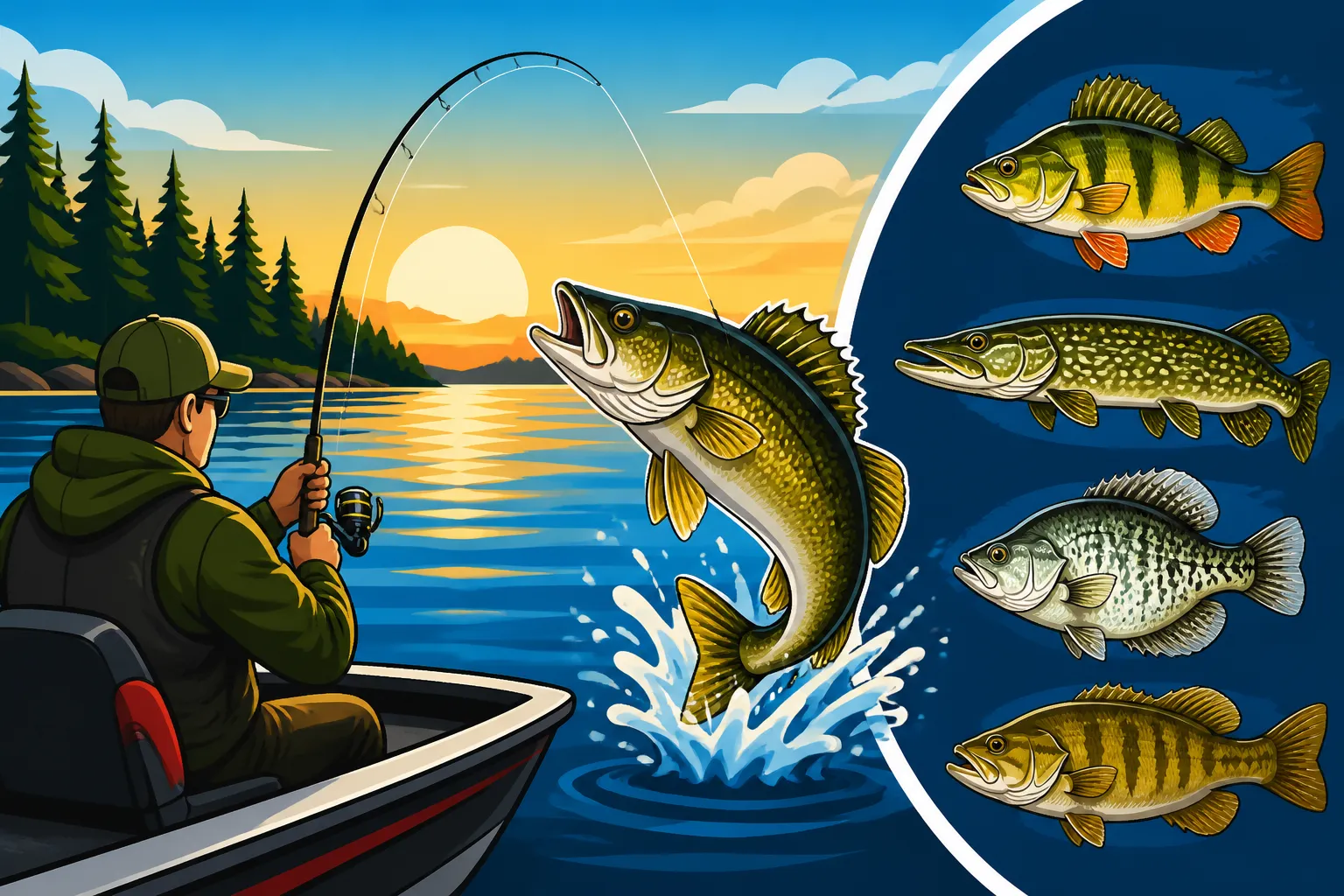
When you drop a line in Lake Vermilion, you're not just targeting one or two species. This lake is renowned for its outstanding walleye fishing, often considered one of the state's premier walleye destinations. But don't sleep on the muskie and northern pike populations; trophy-sized fish are regularly caught here. The smallmouth bass fishery has also exploded in recent decades, offering world-class action, especially during the summer months. And for those looking for a more relaxed day, plentiful panfish like black crappie and bluegill can provide consistent entertainment, particularly in the shallower, weedy bays. Truly, Vermilion is a multi-species angler's paradise, offering something for everyone regardless of their preferred target.
Navigating the Vermilion's Intricate Structure
One of the biggest challenges and rewards of fishing Lake Vermilion is understanding its intricate structure. This isn't a simple bowl-shaped lake; it's a labyrinth of rock, timber, weeds, and fluctuating depths. The sheer number of islands, channels, and bays means that fish can be anywhere, and pattern recognition becomes key. You might find walleyes relating to deep main lake reefs one day and cruising shallow points in a sheltered bay the next.
Experienced anglers often rely heavily on detailed lake maps and their fish finders to pinpoint key structural elements. Look for submerged humps, especially those with sharp drops or adjacent deep water, as these are classic walleye holding areas. Rocky points extending into deeper water are also prime locations for both walleye and smallmouth bass. Don't overlook the expansive weed lines and cabbage beds, particularly in the northern and western arms of the lake, as these can hold significant numbers of northern pike, muskie, and panfish. The key is to break the lake down into smaller, manageable sections and focus on understanding how different species use the available cover and forage based on the current conditions and time of year. Many local guides, which you can often find listed on services like FishingBooker, specialize in helping anglers decode these complex patterns.
Current Fishing Report: What's Biting Right Now
As we move through the seasons, the bite on Lake Vermilion shifts and changes. Right now, depending on the specific weather patterns and water temperatures, certain species are really turning on. It's crucial to remember that "current" can be a moving target, but these general trends usually hold true for this time of year, giving you a solid starting point for your fishing adventures.
Walleye Activity
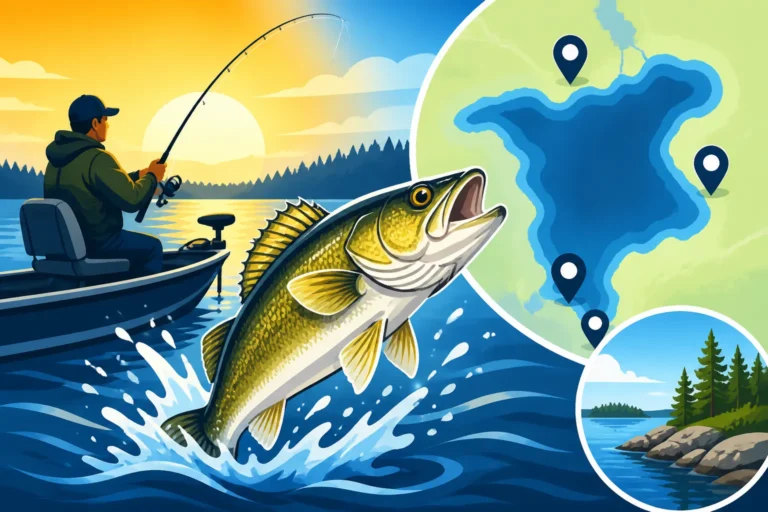
Walleye are, without a doubt, the most sought-after species on Lake Vermilion, and they are typically very active. As the water temperatures stabilize, these toothy critters transition from their post-spawn lethargy to a more aggressive feeding pattern. You'll generally find walleyes transitioning from shallower spawning areas to their summer haunts. Early in the season, target bays and sheltered areas where minnows are prevalent. As the water warms, focus shifts to deeper structure.
Right now, a lot of walleyes are being caught on classic presentations. Jigging with live bait, especially leeches or shiner minnows, on rock reefs and submerged points in the 15-25 foot range is often effective. Many anglers find success with a simple jig and minnow presentation or by slowly dragging a Lindy Rig with a leech or crawler along the contours of main lake humps. Pay close attention to wind-blown shorelines and points, as current and baitfish concentrations can draw in hungry walleyes. Later in the season, trolling crankbaits over deeper flats or using spinner rigs with worms can be incredibly productive, especially during low-light hours. For more in-depth strategies, check out our guide on Walleye Fishing Techniques: Complete Minnesota Guide This time of year, the "low light" bite can be exceptional, so don't be afraid to hit the water for night fishing.
Northern Pike and Muskie Opportunities
If you're looking for a serious fight, Lake Vermilion's northern pike and muskie are certainly biting. These apex predators are always on the prowl, and the lake's abundant forage base keeps them growing to impressive sizes. Pike are generally more accessible than muskie, providing consistent action for anglers of all skill levels. They're often found in and around the extensive weed beds that flourish in many of Vermilion's bays and channels.
For northern pike, casting spoons, spinnerbaits, or larger crankbaits into weed pockets and along weed edges is a tried-and-true method. Areas like Pike Bay, Everett Bay, and the various arms on the western side of the lake are prime pike territory. Muskie, the "fish of 10,000 casts," require a different level of dedication, but Vermilion consistently produces giants. They'll be relating to large weed beds, rocky points, and submerged timber. Topwater lures, large bucktails, and jerkbaits are go-to choices for muskie hunters. The key with muskie is persistence and covering water effectively. Many muskie anglers will focus on specific high-percentage spots for hours, often enlisting a specialized muskie guide found through services like FishingBooker to maximize their chances. Our article on Muskie Fishing in Minnesota: The Fish of 10,000 Casts
Bass and Panfish Outlook
The smallmouth bass fishery on Lake Vermilion has truly become world-class, offering explosive action that often rivals or surpasses even the best smallmouth lakes in the country. Right now, smallmouth bass are very active, especially around rocky shorelines, boulder fields, and main lake points. They love hard structure and clear water, often suspending over deeper rocks or chasing baitfish in the shallows.
Target smallmouth with finesse baits like tubes, drop-shots, or Ned rigs worked slowly over rocky bottom. For more aggressive fish, crankbaits, jerkbaits, and topwater lures can elicit incredible strikes, particularly during low light. Early morning and late evening topwater action can be absolutely phenomenal. As for panfish, black crappie and bluegill are abundant in the shallower, warmer bays and protected channels, especially those with heavy weed growth and submerged wood. A simple slip bobber rig with a small jig tipped with a minnow or a piece of nightcrawler is deadly for crappies. Bluegills will readily take small jigs tipped with wax worms or plastics. These provide excellent opportunities for families or anglers looking for steady action.
Seasonal Fishing Patterns on Lake Vermilion
Understanding the flow of the seasons is paramount to consistent success on Lake Vermilion. Fish behavior, preferred depths, and even the most effective baits change dramatically throughout the year. Being able to adapt to these shifts will put you light years ahead of anglers who only fish one way.
Spring and Early Summer Prospects
Spring on Lake Vermilion kicks off with the excitement of the walleye opener, typically in mid-May. This period, often characterized by cooler water temperatures, sees walleyes relatively shallow, recovering from their spawn. Focus your efforts on northern bays and shallower mud flats, often in 5-15 feet of water, especially those with a slight stain. Live bait presentations like a jig and minnow or a simple slip bobber setup are extremely effective. The fish are often concentrated as they transition out of spawning areas. This is also a fantastic time for big northern pike, as they lurk in the newly emerging weed growth in shallower bays, eager to ambush anything that swims by. For the exact dates of the walleye opener, make sure to check Minnesota Fishing Seasons & Opener Dates (2026)
As early summer progresses and water temperatures begin to rise into the 60s Fahrenheit, walleyes start spreading out to deeper structures. They'll move to the edges of emerging weed lines, rocky points, and the tops of main lake humps in 15-25 feet of water. Smallmouth bass also become highly active, staging on shallow rock piles and spawning flats before moving to deeper rocky areas. Crappies will move into very shallow bays for their spawn, offering fantastic opportunities for anglers targeting these delicious panfish. This is a transition period where you might still find some fish shallow, but the deeper bite is starting to develop.
Mid-Summer Strategies
By mid-summer, when water temperatures peak, Lake Vermilion's fish have settled into their warm-water patterns. Walleyes will predominantly be found on deep main lake structure: reefs, humps, and extended points in 20-40+ feet of water. Targeting these fish often requires more precise boat control and electronics. Trolling crankbaits (like Rapalas or Berkley Flicker Shads) or pulling bottom bouncers with crawler harnesses can be very effective over deeper flats and along contour breaks. A good fish finder is invaluable for marking schools of baitfish and walleyes holding tight to structure.
Muskies and northern pike will continue to relate to the dense weed beds, but don't overlook suspended fish in open water or those lurking around deep cabbage. Smallmouth bass become incredibly aggressive, often schooling up on rocky reefs and deep points, providing fast action with a variety of lures, including topwaters, crankbaits, and swimbaits. Panfish, while still present in weeds, might move to slightly deeper edges or suspend over deeper water, making them a bit harder to pinpoint. This is also a fantastic time to explore the clear water sections of Vermilion, where sight fishing for smallmouth and even muskie can be possible. If you’re planning a trip and need a rental, numerous resorts on Vermilion, many of which work with services like FishingBooker, can help you find accommodations and local fishing insights.
Fall Fishing Hotspots
As autumn approaches and water temperatures begin to drop, Lake Vermilion undergoes another significant shift. This is often considered prime time for trophy walleye and muskie. Walleyes will embark on a "fall feed," gorging themselves in preparation for winter. They'll often move shallower, especially during low light, congregating on rocky points, humps, and along the edges of deep weed lines in 10-25 feet. Jigging with larger minnows (like redtail chubs or suckers) or slow-trolling big crankbaits can be incredibly effective.
Muskie fishing in the fall is legendary. These giants become incredibly aggressive, often following lures right to the boat, making the "figure-8" technique a must-know. They'll be found on key main lake structure and major points, feeding heavily on ciscoes and other large baitfish. Northern pike, too, will become very active, chasing baitfish in shallower bays and around rocky structure. Smallmouth bass fishing can also remain excellent until the water gets very cold, with big fish often schooling up on deep rock. This seasonal shift is a critical aspect of success, and a detailed understanding can be gained from our article on Seasonal Fishing Patterns in Minnesota
Tips for a Successful Trip to Lake Vermilion
Fishing Lake Vermilion is an incredible experience, but its size and complexity can be daunting. A little preparation and some insider knowledge can go a long way in turning a good trip into a truly memorable one.
Essential Gear and Bait
Given the diverse fishery and varied techniques required for Lake Vermilion, coming prepared with the right gear is crucial. For walleye, a medium-light to medium power spinning rod with a fast action is versatile enough for jigging, rigging, and slip bobbers. Pair it with a quality 2500-3000 series spinning reel spooled with 8-10 pound braided line and a fluorocarbon leader. Don't forget an assortment of jigs (1/8 oz to 3/8 oz), Lindy rigs, and a selection of crankbaits in various diving depths and colors. Live bait is often key, so make sure you have a good bait cooler for leeches, minnows, and nightcrawlers. Our guide on Best Live Bait for Walleye (Leeches, Minnows, Crawlers)
For northern pike and muskie, you'll need heavier gear: a medium-heavy to heavy power baitcasting rod, a stout reel, and at least 50-80 pound braided line. A good steel leader is non-negotiable for toothy critters. Pack a variety of large spoons, spinnerbaits, bucktails, and jerkbaits. For smallmouth bass, a medium power spinning rod is excellent for finesse techniques, while a medium-heavy casting rod handles topwater and heavier lures. Always have a good landing net on hand, especially for those trophy pike and muskie. A high-quality fish finder with GPS and lake mapping capabilities (like a Humminbird or Garmin unit) is indispensable for navigating Vermilion's structure and finding fish.
Hiring a Local Guide or Charter
For many anglers, especially those visiting Lake Vermilion for the first time or wanting to learn specific techniques, hiring a local fishing guide is one of the best investments you can make. Vermilion guides are intimately familiar with the lake's ever-changing conditions, secret spots, and the most productive presentations for each species and season. They can drastically shorten your learning curve, put you on fish, and teach you valuable skills that will serve you well on future trips.
A good guide not only knows where the fish are but also understands their behavior in response to weather, water temperature, and pressure. They often have top-of-the-line equipment, including advanced electronics, and can provide all the necessary bait and tackle. Many guides specialize in particular species, such as walleye or muskie, so you can tailor your experience to your specific goals. You can find reputable Lake Vermilion fishing guides through local bait shops, resorts, or online platforms like FishingBooker, which makes it easy to compare guides, read reviews, and book your trip. Even if you're an experienced angler, a guide can reveal subtle nuances of the lake that only years of experience can provide, helping you unlock even more potential on this incredible body of water.
Here's a quick overview of what's biting typically:
| Species | Primary Location (Typical) | Best Bait/Lure (Typical) | Season (Peak) | Notes |
|---|---|---|---|---|
| Walleye | Deep Reefs, Humps, Points | Leeches, Minnows, Crawlers, Crankbaits | Spring, Summer, Fall | Low light bite is often best. Look for current. |
| Northern Pike | Weed Beds, Lily Pads, Shallow Bays | Spoons, Spinnerbaits, Large Crankbaits | Spring, Summer, Fall | Aggressive and widespread. |
| Muskie | Large Weed Beds, Rocky Points, Deep Breaks | Bucktails, Jerkbaits, Topwater | Summer, Fall | Trophy potential. Requires patience. |
| Smallmouth Bass | Rocky Shorelines, Boulder Fields, Deep Points | Tubes, Jerkbaits, Drop-shots, Topwater | Summer, Early Fall | World-class action. |
| Black Crappie | Shallow Weedy Bays, Submerged Timber | Small Jigs with Minnows/Plastics, Beetle Spins | Spring (spawn), Early Summer | Excellent for steady action. |
| Bluegill | Shallow Weedy Bays, Docks | Worms, Wax Worms, Small Jigs | Spring, Summer | Family-friendly fun. |
Navigating Fishing Regulations
Before you head out onto Lake Vermilion, it's absolutely critical to familiarize yourself with the current Minnesota fishing regulations. These rules are put in place by the Minnesota DNR to protect the fishery and ensure sustainable angling for generations to come. Regulations can change annually, or even seasonally for specific lakes, so always double-check the most recent guide.
You'll need a valid Minnesota fishing license, which you can purchase online, at most bait shops, or through various retailers. Understand the specific bag and possession limits for each species you plan to target. Lake Vermilion often has special regulations for walleye, muskie, and northern pike, sometimes including slot limits designed to protect certain size classes of fish. For instance, sometimes certain lakes have specific regulations on walleye, such as those found in our Mille Lacs Walleye Regulations (2026) guide, although Vermilion will have its own rules. Pay attention to length limits, daily limits, and possession limits. Failing to adhere to these rules can result in significant fines and penalties. It's always a good practice to carry a physical or digital copy of the regulations with you while on the water. Additionally, be mindful of Aquatic Invasive Species (AIS) Rules for Boaters to help protect Lake Vermilion's pristine environment from harmful invaders.
Planning Your Lake Vermilion Adventure
Lake Vermilion isn't just a fishing destination; it's a place for adventure, relaxation, and connecting with Minnesota's incredible wilderness. From rustic cabins to full-service resorts, there are plenty of options for your stay. Whether you're looking to tow your own boat, rent a pontoon, or hire a seasoned guide, the resources are readily available.
Many local businesses and resorts cater specifically to anglers, offering boat rentals, bait, tackle, and valuable local knowledge. If you're coming from out of state, be sure to understand Nonresident Fishing in Minnesota: Licenses & Rules to avoid any surprises. Consider planning your trip around popular fishing events or during specific seasonal peaks, like the Walleye Season & Limit in Minnesota opener, to maximize your chances of success. A quick search on platforms like FishingBooker can help you find suitable accommodation and fishing charters all in one place, making your planning process much smoother. Remember, the best fishing often involves a combination of preparation, persistence, and a healthy dose of respect for the lake's natural beauty.
Disclaimer
Fishing reports are dynamic and subject to change based on weather, water conditions, and fish behavior. The information provided here is based on general seasonal patterns and typical conditions. Always consult the most current local resources, bait shops, and the Minnesota DNR for the very latest updates and regulations before heading out on Lake Vermilion. Fish responsibly and practice conservation to ensure the health of this incredible fishery for years to come.