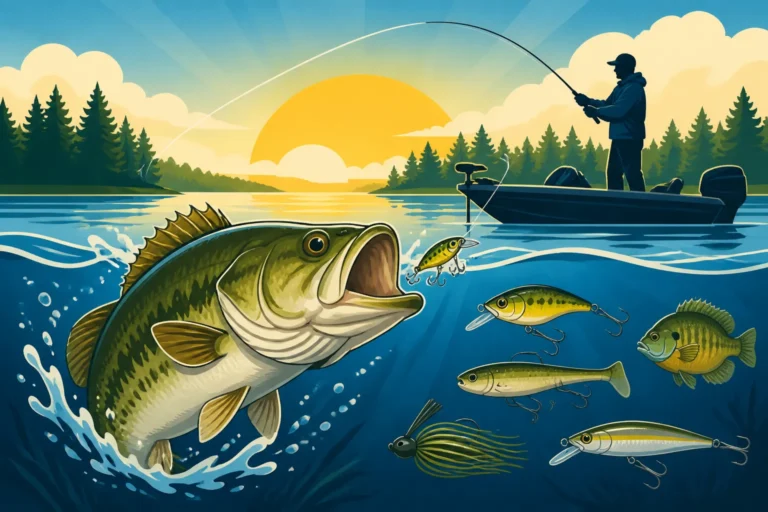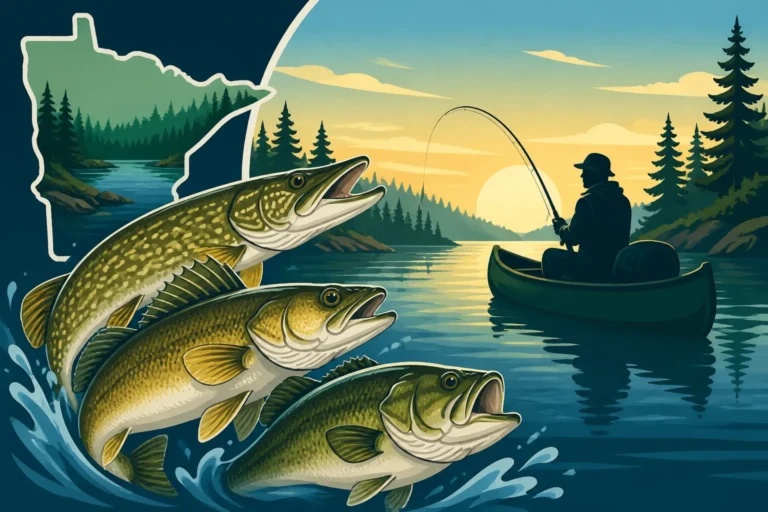
Rainy Lake Fishing Guide
Rainy Lake. Just the name conjures images of vast, wild waters, granite shorelines, and the promise of epic fishing adventures. But for many anglers, especially those who haven't experienced it before, this immense border water can feel incredibly intimidating. Where do you even begin on a lake with over 1,600 islands and hundreds of miles of shoreline? Don't worry, friend, you're not alone in feeling a little overwhelmed. This guide is here to break down the mystique of Rainy Lake, giving you the inside scoop on how to tackle its incredible fisheries and ensure your trip is one for the record books, not one of frustration.
Understanding Rainy Lake: A Boundary Waters Gem
Rainy Lake isn't just any lake; it's a colossal body of water that straddles the border between Minnesota and Ontario, making it a truly unique and often challenging fishing destination. Its intricate geography and the sheer volume of water mean that understanding its character is your first step to success.
Geography and Unique Characteristics
Imagine a lake born from the ancient Canadian Shield, where rocky outcrops, towering pine forests, and countless islands create a labyrinthine environment. Rainy Lake is precisely that, a geological marvel sculpted by glaciers, leading to depths that can plunge over 100 feet and shallow bays brimming with cover. On the Minnesota side, a significant portion of the lake lies within Voyageurs National Park, meaning certain areas might have specific regulations or usage guidelines. The border status adds another layer of complexity, as anglers need to be aware of regulations on both sides if they plan to cross.
One of the most striking features is its sheer size – roughly 220,000 acres, if you count both the American and Canadian portions. This massive scale means that weather can change rapidly, and waves can build quickly, making boat selection and safety paramount. You'll find everything from expansive open water to narrow, winding channels and secluded bays, each offering different fishing opportunities depending on the season and target species. It’s not uncommon to spend days exploring just one section of the lake and still feel like you’ve barely scratched the surface. The rugged beauty, the sense of wilderness, and the potential for a trophy fish are what draw so many to its waters year after year.
Key Species You'll Encounter
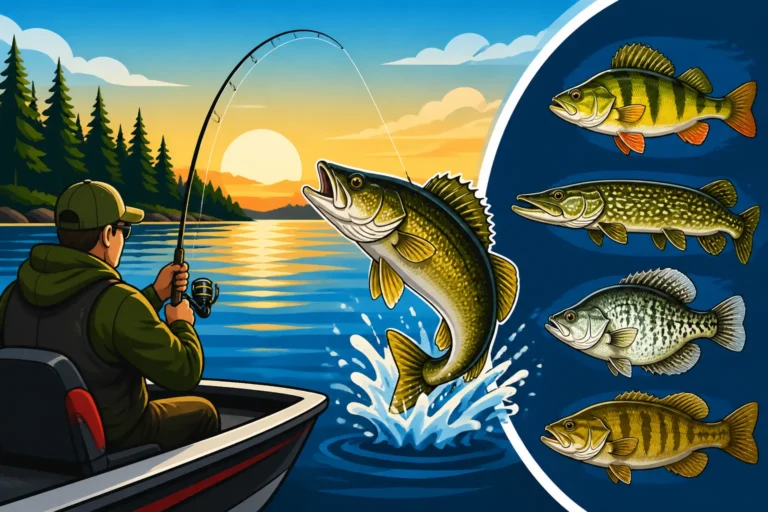
Rainy Lake is a multi-species angler's paradise, boasting healthy populations of several highly sought-after game fish. While some lakes might be known for one or two dominant species, Rainy Lake truly excels across the board, giving you plenty of options no matter your preference.
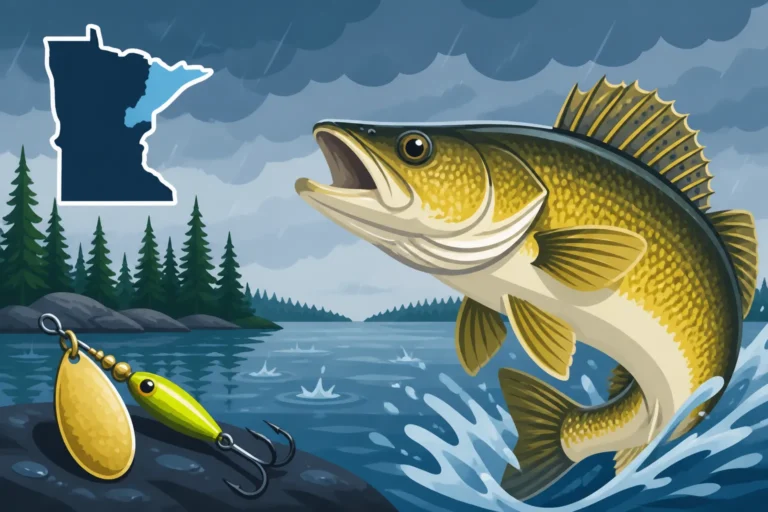
Walleye, of course, are the crown jewel for many Minnesota anglers. Rainy Lake has a robust and stable walleye fishery, known for producing both numbers and quality fish. You’ll find them relating to various structures throughout the lake, from deep main lake reefs to shallower points and even river channels. Their abundance here makes Rainy Lake a prime destination for those looking to fill a livewell for a classic shore lunch.
Beyond walleye, the lake is renowned for its Northern Pike. These aggressive predators grow to impressive sizes in Rainy Lake's fertile waters, often lurking in weed beds or patrolling rocky points. If you're looking for a toothy fight, Rainy Lake pike rarely disappoint. Then there are the Smallmouth Bass, which have developed a world-class reputation here. The rocky, clear-water environment is ideal for smallmouth, and they put up incredible fights, often leaping acrobatically when hooked. Many anglers specifically visit Rainy Lake for its exceptional smallmouth action, especially during the summer months.
And for those chasing giants, Rainy Lake also harbors a healthy population of Muskellunge. While notoriously elusive, the reward of hooking into a Rainy Lake muskie is unparalleled. Finally, don't overlook the Crappie and other panfish. While not as widely publicized as the walleye or pike, the crappie can offer fantastic action, especially in specific bays and backwater areas, providing a fun alternative, especially for families or when other species are finicky. Understanding what each species prefers in terms of habitat and forage will be key to unlocking Rainy Lake's diverse fishing potential.
Navigating Rainy Lake: Maps, Depths, and Structure
Given the sheer size and complexity of Rainy Lake, going in blind is a recipe for frustration. Think of it like exploring a vast wilderness area without a map – you might stumble upon something great, but you're more likely to get lost. Proper navigation and understanding the underwater landscape are absolutely crucial for consistent success here.
Essential Mapping Tools
When you're dealing with a body of water as expansive and intricate as Rainy Lake, reliable mapping is not just helpful, it's non-negotiable. You’ll quickly realize that a basic paper map, while a good starting point for general orientation, simply won’t cut it for serious fishing. Modern electronics have revolutionized how we approach these vast fisheries.
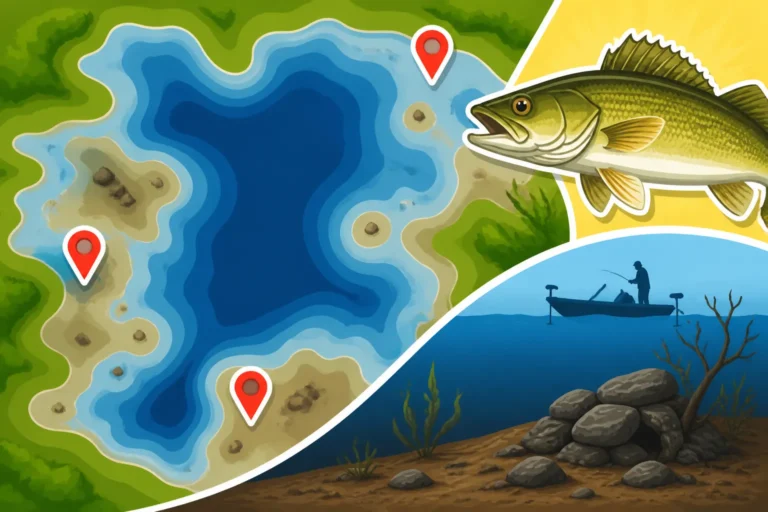
High-definition lake maps, such as those offered by Navionics or LakeMaster, are your best friends on Rainy Lake. These digital charts provide incredibly detailed contour lines, showing you subtle depth changes, submerged humps, rock piles, and channels that are invisible to the naked eye. Many anglers run these maps on their boat's main fish finder display, like a Humminbird or Garmin unit, allowing for real-time navigation and pinpointing of structure. These maps often include features like satellite imagery overlays and community waypoints, which can be invaluable. Don't forget to have a physical paper map of Rainy Lake as a backup, especially since electronics can fail, or you might find yourself in an area with limited GPS signal. Familiarize yourself with the major bays, channels, and islands before you even launch your boat. Knowing where you are relative to major landmarks, like the Rainy Lake Visitor Center or the larger islands, can make a huge difference in your confidence and efficiency on the water.
Identifying Prime Fishing Structure
Fish are creatures of habit, and on Rainy Lake, their habits are largely dictated by structure. This lake is a smorgasbord of fish-holding features, and learning to identify and interpret them is key to locating your target species.
You’ll encounter a mix of classic Minnesota structures and unique Canadian Shield features. Look for main lake reefs and humps that rise sharply from deep water. These are walleye magnets, especially during the summer and fall. Focus on the edges and top of these structures where baitfish congregate. Islands, particularly those with deep-water access or adjacent points, are also high-percentage spots for walleye and smallmouth. The current that flows around them can create eddies that fish love. Extensive channels connecting different parts of the lake or leading into bays are also critical. These act as highways for fish movement and often feature varying depths and currents that can hold fish.
Don't overlook the myriad of bays. Some are shallow and weedy, perfect for pike and crappie, while others have rocky shorelines and quick access to deep water, making them ideal for smallmouth. Submerged timber, leftover from logging days, can also be found in certain areas and provides excellent cover for multiple species. When you spot a promising piece of structure on your map, pay attention to how the depth changes, what the bottom composition might be (rock, sand, mud), and if there's any current. These details will help you determine which species might be present and how they might be positioned.
Understanding Water Depths and Bottom Composition
Rainy Lake offers an incredible range of depths, from vast shallow flats to abyssal holes exceeding 100 feet. Understanding how these depths relate to seasonal patterns and target species is fundamental. For instance, early in the season, walleye often relate to shallower, warming waters, particularly near river inlets or sun-exposed bays. As summer progresses, they'll often move to deeper main lake structures, especially those near cool thermoclines. Meanwhile, smallmouth might prefer shallower rocky shoals and points, but will retreat to deeper breaks during the brightest parts of the day.
Bottom composition also tells a story. Hard bottom (rock, gravel) is typically preferred by walleye and smallmouth, as it often holds crayfish and other invertebrates, and provides good spawning habitat. Soft bottom (mud, silt), often found in deeper basins or calmer bays, can hold baitfish like cisco and perch, which in turn attract predator species like pike and deeper-holding walleye. Your fish finder, especially with modern side imaging or down imaging capabilities, can reveal these bottom differences, showing you the distinct echoes of rock versus softer mud. This allows you to "read" the lake bottom even before dropping a line, giving you a huge advantage in presenting your lure effectively. Paying attention to these subtle details, combined with the detailed maps, transforms Rainy Lake from an overwhelming expanse into a series of predictable, fishable zones.
Targeting Rainy Lake's Premier Fish Species
With its diverse ecosystems, Rainy Lake offers incredible opportunities for targeting a variety of prized game fish. Each species has its own preferences, and understanding these can drastically increase your catch rates.
Walleye Wisdom: Techniques and Hotspots
Walleye are, without a doubt, the most popular target on Rainy Lake. They're abundant, great fighters, and even better on the dinner plate. The key to consistent walleye success here lies in adapting your approach to their seasonal movements and preferred structures.
In the spring, immediately after the ice goes out and leading up to the Minnesota Fishing Seasons & Opener Dates (2026), walleye are often found in shallower waters, especially near river mouths like the Rainy River, or in protected bays that warm up quickly. During this period, jigging with a minnow or a soft plastic on a ¼ to ⅜ ounce jig is incredibly effective. Focus on depths of 5-15 feet. As the season progresses into summer, walleye tend to move deeper, relating to the prominent main lake reefs, humps, and points that dot the lake. This is when Trolling Crankbaits for Walleye: Speed & Depth becomes a dominant strategy. Long-lining crankbaits like Rapala Shad Raps or Berkley Flicker Shads over these deep structures, or using bottom bouncers with crawler harnesses, can be deadly. Depths of 20-40 feet are common during peak summer.
Consider areas like Jackfish Bay, Cranberry Bay, and the various reefs in the main lake basin. These locations consistently hold fish, but the exact hot spot can change daily. Pay attention to wind direction; walleye often stack up on the windy side of a reef or point, where the waves dislodge forage. Don't be afraid to experiment with different presentations. Sometimes a subtle slip bobber rig with a leech over a deep-water transition zone will outfish aggressive jigging. Rainy Lake walleye often have excellent low-light vision, making Night Fishing for Walleye in Minnesota a very productive tactic during certain times of the year, especially on clear nights around full moons.
Pike Power: How to Land Northern Giants
Rainy Lake is famous for its monstrous Northern Pike, often referred to as "water wolves" for good reason. These aggressive predators can grow to impressive sizes here, with fish over 40 inches not uncommon. If you’re looking for a thrilling fight, pike are your fish.
Early in the season, pike are often found in shallow, weedy bays and warm backwaters, where they follow spawning baitfish. Large spinnerbaits, spoons like the Daredevil, or even big swimbaits cast into these areas can elicit explosive strikes. Focus on areas with emergent vegetation or submerged wood, as these provide excellent ambush points. As summer advances, the bigger pike might move slightly deeper, often patrolling the edges of weed lines or hanging around rocky points and drop-offs that offer quick access to deep water. Trolling large spoons or crankbaits designed for pike (like a Rapala Super Shad Rap) along these contours can be effective for covering water and finding active fish. Many anglers also find success casting large bucktails or muskie-sized baits for the true giants.
The key to pike fishing on Rainy Lake is often presentation speed – they love a fast retrieve that triggers their predatory instinct. Always use a steel leader or heavy fluorocarbon leader (at least 60-80 lb test) when targeting pike, as their razor-sharp teeth will easily sever standard monofilament or braid. Areas around Big Island, Grassy Narrows, and the numerous shallower bays throughout the lake are known pike factories. Remember, pike are often caught as a bycatch when targeting walleye or smallmouth, so be ready for that unexpected heavy strike! If you’re serious about a trophy, dedicated casting with large baits in known pike haunts is your best bet.
Smallmouth Sensations: Rocky Points and Flats
Rainy Lake's smallmouth bass fishery is truly world-class, often overshadowed only by its walleye. The lake's clear water, rocky structure, and abundant forage create the perfect habitat for these bronze-backed fighters.
Smallmouth thrive on the rocky points, humps, and shoals that are so prevalent on Rainy Lake. In spring, after ice-out, they're often found in relatively shallow, warming bays and near rocky shorelines, preparing to spawn. During this time, smallmouth will readily hit suspending jerkbaits, small crankbaits, and tube jigs worked slowly along the bottom. As the water warms in summer, they spread out across rocky structures, often moving between shallow feeding flats and deeper access points. Topwater lures like poppers and walk-the-dog baits can provide exhilarating action early mornings and late evenings. During the day, crankbaits, spinnerbaits, and soft plastics (like senkos or creature baits) fished on rocky points and along steep break lines in 10-25 feet of water are incredibly productive.
Drop-shot rigs are also exceptionally effective for targeting smallmouth holding tight to vertical rock walls or deep structure. Look for areas with a mix of rock sizes, from large boulders to gravel, as these transitions often hold crayfish, a primary smallmouth forage. The sheer abundance of islands means there are countless rocky shorelines and points to explore. Don’t be afraid to fish new water; if it looks "bassy" with plenty of rock, it probably holds smallmouth. The fight of a Rainy Lake smallmouth is something every angler should experience – they are powerful, acrobatic, and never give up.
Muskie Madness: The Fish of 10,000 Casts
For the dedicated trophy hunter, Rainy Lake offers a legitimate chance at a true giant Muskie. While they live up to their "fish of 10,000 casts" nickname, the muskie fishery here is healthy and capable of producing fish over 50 inches.
Muskie on Rainy Lake are often found in areas with good cover and access to open water. Large bays with extensive weed beds, rocky points, and expansive flats are prime territory. They also relate to main lake structures, often holding on deep weed edges or rocky drop-offs where they can ambush baitfish. Early in the season, big bucktails and glide baits are popular, cast along weed edges and rocky shorelines. As summer progresses and water temperatures rise, muskie often move to deeper areas, and larger crankbaits or rubber baits become more effective, especially when trolled.
The key with muskie is persistence and presentation. Make thousands of casts, vary your retrieve speed, and always perform a "figure-8" at the boat side, as many strikes happen right next to the boat. Knowing when and where to present your bait is crucial. Fishing pressure can be a factor, so targeting less-fished bays or structures can sometimes yield better results. Consider working with a local guide, who can provide invaluable insight into current patterns and specific hotspots. While the odds of catching a muskie are never high, the possibility of hooking into one of these apex predators on Rainy Lake is a powerful draw for many.
Essential Gear and Tactics for Rainy Lake Success
Having the right equipment and understanding how to use it effectively is paramount on a lake as diverse and demanding as Rainy Lake. You wouldn't bring a butter knife to a steak dinner, and you shouldn't bring inadequate gear to a Rainy Lake fishing trip.
Rods, Reels, and Lines for Each Species
Given the variety of species you might target on Rainy Lake, a versatile rod and reel setup is key. However, for dedicated targeting, specialized gear will make a significant difference.
For walleye, a medium-light to medium power spinning rod, around 6'6" to 7' long, with a fast action tip is ideal for jigging and slip bobber fishing. Pair this with a 2500 or 3000 series spinning reel spooled with 8-10 lb braided line, and a 6-8 lb fluorocarbon leader. This combination offers sensitivity for feeling subtle bites and enough backbone for setting the hook and fighting fish. For trolling, you’ll want a medium-heavy baitcasting rod, 7-8 feet long, with a moderate action, paired with a line counter reel spooled with 10-14 lb monofilament or leadcore line. This setup allows for precise depth control when targeting walleye suspended over deep humps.
For Northern Pike and Muskie, heavy-duty gear is a must. A stout baitcasting rod, 7'6" to 9' long, with a heavy or extra-heavy power and fast action, is necessary for casting large baits and handling powerful fish. Pair this with a high-capacity baitcasting reel (like a 300 or 400 series) spooled with 65-100 lb braided line. A heavy fluorocarbon or steel leader is non-negotiable for these toothy critters.
For Smallmouth Bass, a medium power, fast action spinning rod (6'6" to 7'2") is excellent for casting various lures. A 2500 series spinning reel with 10-15 lb braid and a 6-10 lb fluorocarbon leader provides the perfect balance of sensitivity and strength for these hard-fighting fish.
Recommended Lures and Baits
The tackle box for a Rainy Lake adventure needs to be well-stocked and diverse. Your choice of lures and baits should cater to the specific species you're chasing and the conditions you encounter.
For walleye, always have a good selection of jigs in various weights (1/8 to 1/2 oz) and colors (chartreuse, orange, white, pink). Pair these with live minnows, leeches, or soft plastic paddle tails and grubs. Shallow-running crankbaits (Rapala Shad Raps, Berkley Flicker Shads) and deeper-diving crankbaits (Deep ThunderSticks, Reef Runner) are essential for trolling. Don't forget crawler harnesses for bottom bouncing, especially with live nightcrawlers. The Best Live Bait for Walleye (Leeches, Minnows, Crawlers) often makes a difference when fish are finicky.
For Northern Pike, bring a variety of spoons (red/white, five of diamonds), large spinnerbaits (chartreuse, white), swimbaits, and big inline spinners. Topwater lures can also be thrilling for pike in shallow, weedy areas. For Muskie, your arsenal needs to include large bucktails, glide baits, jerkbaits, and substantial soft plastics. Having a variety of colors and sizes is crucial, as muskie can be incredibly particular.
For Smallmouth Bass, pack suspending jerkbaits (Rapala X-Raps, Lucky Craft Pointer), tube jigs, Ned Rigs, topwater poppers (Rebel Pop-Rs, Heddon Zara Spooks), spinnerbaits, and an assortment of soft plastic worms and creature baits for Texas rigging or drop-shotting. The variety allows you to adapt to whatever the smallmouth are keying in on, whether they're shallow and aggressive or holding deep and subtle.
Boat and Electronics Considerations
A reliable boat and advanced electronics are not luxuries on Rainy Lake; they are necessities for safety and success. This expansive and often remote water demands equipment that can handle its challenges.
For your boat, versatility is key. A deep-V aluminum boat, like a Lund or Alumacraft, or a fiberglass walleye boat (Ranger, Skeeter), 17-20 feet in length, is ideal. It needs to be able to handle rough water, especially if you venture into the main lake basin on a windy day. A powerful outboard motor is essential for covering long distances, and a reliable kicker motor is highly recommended for trolling and as a safety backup. A bow-mount Minn Kota or Motorguide trolling motor with GPS Spot-Lock is a game-changer for holding position on reefs and points, particularly when jigging or casting for smallmouth. You can learn more about specific boat options in our guide on the Best Fishing Boats for Minnesota: Lund, Ranger & More.
In terms of electronics, a quality fish finder with GPS mapping capabilities is non-negotiable. Units from Humminbird, Garmin, or Lowrance offer detailed sonar, side imaging, and often built-in or compatible high-definition lake maps. Side imaging, in particular, can help you scan large areas of bottom quickly, revealing structure and fish you might otherwise miss. Forward-facing sonar, like Garmin LiveScope, is becoming increasingly popular for spotting individual fish and their reactions to your lure in real-time, although it's a significant investment. Always bring extra batteries, a marine radio, and all required safety equipment, as you can be a long way from help on Rainy Lake.
Planning Your Rainy Lake Fishing Adventure
A successful trip to Rainy Lake isn't just about what happens on the water; it's also about meticulous planning off the water. From understanding the best times to visit to navigating the unique border regulations, preparation is key.
Best Times to Visit: Seasonal Considerations
Rainy Lake offers fantastic fishing opportunities throughout the open water season, but the bite for specific species often peaks at different times. Knowing when to visit can dramatically improve your chances of catching your target fish.
Spring (May-June): The period immediately following the walleye opener is fantastic for walleye. Fish are often shallower, hungry, and relatively concentrated as they recover from spawning. The pike bite is also excellent in shallow bays. Smallmouth bass fishing heats up in late spring as water temperatures rise. Be prepared for cooler weather and potentially choppy conditions. This is when you'll find walleye and pike most accessible to a wider range of techniques.
Summer (July-August): This is prime time for Smallmouth Bass, as they become very active on rocky points and flats. Walleye move to deeper structures, making trolling or deep jigging effective. Muskie fishing is also in full swing. While it can get warm, the scenery is breathtaking, and the days are long. Crowds can be higher during peak vacation weeks.
Fall (September-October): Many seasoned anglers consider fall to be the absolute best time for trophy Walleye and Northern Pike. As water temperatures cool, fish become more aggressive, feeding heavily in preparation for winter. Walleye often move back to shallower areas or relate to specific deep-water baitfish concentrations. Muskie fishing can also be exceptional right up until ice-up. Expect fewer crowds and potentially challenging weather, but the rewards can be truly outstanding. Check out our guide on Seasonal Fishing Patterns in Minnesota for more general insights.
Regulations and Licenses: What You Need to Know
Fishing on Rainy Lake comes with a unique set of regulatory challenges due to its status as a border water. You need to be acutely aware of both Minnesota and Ontario fishing regulations if you plan to venture beyond the imaginary line in the water.
On the Minnesota side, you'll need a valid Minnesota Fishing License: Cost, Types & How to Buy (2026). It’s crucial to understand the specific length and possession limits for each species, as these can change annually. Rainy Lake often has special regulations for walleye, sometimes including slot limits or protected sizes to help manage the fishery. Always consult the current Minnesota DNR fishing regulations booklet before your trip. For example, Rainy Lake might have different walleye limits than a nearby inland lake. You can review specific details in our Rainy Lake Fishing Regulations (2026) guide.
If you plan to cross into Canadian waters, even just to fish a bay that straddles the border, you must possess an Ontario fishing license and an Outdoors Card. The regulations for Ontario can differ significantly from Minnesota, not just in limits but also in bait restrictions (e.g., no live minnows in some areas) and gear allowed. Transporting live bait across the border is generally prohibited. This is also where Aquatic Invasive Species (AIS) rules come into play. Always be diligent in cleaning, draining, and drying your boat to prevent the spread of AIS, both within Minnesota and when crossing international borders. Understanding and following Aquatic Invasive Species (AIS) Rules for Boaters is critical for protecting Rainy Lake's pristine waters. Getting caught without the correct licenses or violating regulations on either side can lead to hefty fines and confiscation of gear, so it's always better to be over-prepared.
Choosing a Guide or Resort
For such a vast and complex lake, utilizing the knowledge of local experts can be a huge advantage, especially on your first few trips.
A fishing guide who specializes in Rainy Lake can be an invaluable asset. They spend countless hours on the water, understand the seasonal patterns, know where the fish are biting, and can teach you specific techniques tailored to the lake. Many guides provide all the necessary gear, bait, and even a shore lunch. This can be particularly beneficial for targeting muskie or learning the nuances of walleye fishing on deep structure. Companies like FishingBooker offer platforms to find and book experienced Rainy Lake guides, making it easy to connect with someone who can tailor a trip to your preferences. Hiring a guide can save you days of trial and error and significantly increase your chances of a successful and memorable outing.
Alternatively, staying at a full-service resort on Rainy Lake can offer a comfortable basecamp and access to local knowledge. Many resorts cater specifically to anglers, providing boat rentals, bait and tackle shops, fish cleaning facilities, and current fishing reports. Resort staff often have their finger on the pulse of the local bite and can offer tips on where to start. Some popular resorts around International Falls and Ranier, Minnesota, include Rainy Lake Houseboats and Sha Sha Resort, which offer various amenities and access to prime fishing areas. Whether you opt for a guide or a resort, leveraging local expertise will deepen your understanding of Rainy Lake and enhance your overall fishing experience.
| Species | Best Season | Preferred Depth | Prime Structure | Go-To Lures/Bait |
|---|---|---|---|---|
| Walleye | Spring/Fall | 10-40 ft | Reefs, Humps, Channels | Jigs w/minnows, Crankbaits, Crawler Harnesses |
| Northern Pike | Spring/Fall | 5-25 ft | Weeds, Rocky Points | Spinnerbaits, Spoons, Large Swimbaits |
| Smallmouth Bass | Summer | 5-25 ft | Rocky Points, Shoals | Jerkbaits, Tubes, Topwater, Crankbaits |
| Muskie | Summer/Fall | 10-30 ft | Weed Edges, Rocky Flats | Large Bucktails, Glide Baits, Crankbaits |
| Crappie | Spring/Early Summer | 5-20 ft | Bays, Wood, Deep Weeds | Small Jigs w/plastics, Minnows, Slip Bobbers |
Disclaimer
Fishing conditions and regulations in Minnesota can change. Always consult the current Minnesota DNR fishing regulations booklet before heading out on the water. This guide is for informational purposes only and should not be considered legal advice.