Fishing Near Aitkin, Minnesota
Heading out to a new fishing spot can be exciting, but the unknown can also be a little daunting. You're wondering where the best bites are, what species are thriving, and which techniques will actually put fish in your boat or on your line. Aitkin, Minnesota, is a fantastic area, but its vast network of lakes and rivers can feel overwhelming if you don't know where to start. This comprehensive guide is designed to cut through that confusion, giving you the insider scoop on fishing near Aitkin, so you can spend less time guessing and more time reeling in your next big catch.
Aitkin's Angling Appeal: Why This Area Shines
Aitkin, nestled right in the heart of Minnesota's prime lake country, offers an incredible array of fishing opportunities that often fly under the radar compared to some of the state's more famous destinations. What makes this area truly special isn't just one big lake, but rather the sheer diversity of water bodies, from vast, legendary fisheries to smaller, intimate lakes and winding river stretches. It's a place where you can chase multiple species in a single weekend, adapting your approach to the conditions and the fish's mood.
The Lake Country Gateway
Think of Aitkin as your welcoming gateway to some of the best angling Minnesota has to offer. It sits strategically, giving you direct access to the mighty Mississippi River and the northern reaches of the iconic Mille Lacs Lake. But beyond these giants, Aitkin County itself boasts over 360 lakes and numerous rivers and streams. This means you're not confined to just one type of fishing experience. One day, you might be battling trophy walleye on a massive open water system, and the next, you could be quietly targeting panfish in a secluded bay on a smaller, calmer lake. This blend of accessibility and variety is what truly sets the Aitkin area apart, making it a perfect base camp for anglers who love to explore.
The town itself provides all the necessary amenities, from bait shops stocking local favorites to tackle stores with the gear you'll need. You'll find plenty of local knowledge readily available if you stop into any of the mom-and-pop shops, and believe me, those conversations are half the fun of a fishing trip! Being situated in such a rich fishing landscape means that you're never too far from a new adventure, whether you're looking for a quick evening bite or planning a full day on the water.
Diverse Fisheries and Habitats
The ecological tapestry around Aitkin is incredibly rich, leading to a fantastic mix of fish species and fishing environments. You've got everything from shallow, fertile lakes brimming with panfish and northern pike, to deeper, clearer waters holding healthy populations of walleye and even smallmouth bass. The Mississippi River, flowing right through the county, adds another dimension entirely, with its unique current, structure, and a different set of species, including some impressive channel catfish and lake sturgeon.
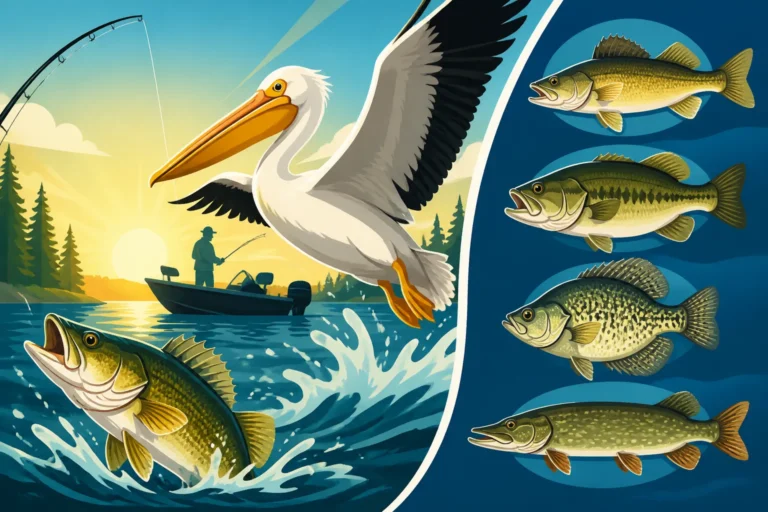
This diversity of habitats directly translates into a fantastic variety of fish. Whether you prefer casting for aggressive bass in lily pads, meticulously jigging for crappie over brush piles, or trolling for elusive walleye on expansive flats, the Aitkin area has a spot for you. Anglers often appreciate this versatility because it means if one bite isn't on, another one almost certainly will be. It keeps your options open and your spirits high, which is exactly what a good fishing trip is all about.
Top Fishing Destinations Around Aitkin
When you're based in Aitkin, you have a wealth of incredible fishing destinations within easy reach. Each offers its own unique challenges and rewards, catering to different fishing styles and target species. Knowing a bit about what each body of water offers will help you plan your days on the water more effectively.
Mille Lacs Lake: A Giant's Bounty
Just a short drive south of Aitkin, you'll find the legendary Mille Lacs Lake. This colossal body of water is a true gem, renowned nationally for its world-class walleye fishing, but also boasting incredible smallmouth bass, northern pike, and muskie populations. While the lake's vastness can be intimidating, the northern bays and structures accessible from the Aitkin side, like the famous Wahkon Bay or the numerous mud flats, can be incredibly productive. Mille Lacs is a lake that demands respect and a bit of study, but the rewards are often truly memorable.
Anglers targeting walleye on Mille Lacs will find a variety of techniques effective, depending on the season. Early season might call for jigging shiners along emerging weed lines, while summer often sees anglers pulling bottom bouncers and spinner rigs over mud flats, or trolling crankbaits over deeper structure. It’s also a fantastic place to chase trophy smallmouth bass, especially around rocky points and breaks. Be sure to check the specific Mille Lacs Walleye Regulations (2026) before you head out, as rules can change annually to manage this precious resource. This lake is a true proving ground for anglers, and landing a trophy here feels like a real accomplishment.
Ripple and Big Pine Lakes: Hidden Gems
For those looking for a slightly less intimidating experience than Mille Lacs, or simply a change of pace, Aitkin County offers numerous smaller, yet incredibly productive, lakes. Ripple Lake and Big Pine Lake are two excellent examples of these "hidden gems" that are worth exploring. Ripple Lake, for instance, is known for its healthy populations of walleye, northern pike, and panfish. It offers classic Minnesota fishing, with good weed lines, points, and structural elements that hold fish.
Big Pine Lake is another fantastic option, often lauded for its diverse fishery, including respectable numbers of walleye, northern pike, and especially impressive crappie and bluegill. These smaller lakes often warm up quicker in the spring, offering earlier panfish action, and can be less affected by strong winds, making for more comfortable fishing days. They are perfect for anglers who prefer to explore a lake thoroughly in a day or two without feeling overwhelmed by immense expanses of water. You can often find great success here with more traditional Minnesota Fishing Techniques: Complete Guide, like slip bobber fishing for panfish or casting spinnerbaits for pike.
The Mississippi River: Flowing Opportunities
Flowing right through Aitkin, the mighty Mississippi River presents a completely different fishing challenge and experience. The river's current, diverse bottom structure, and array of backwaters create unique habitats for a variety of species. While many associate the Mississippi with catfish, which it certainly has in abundance – including some truly massive flatheads – this section of the river also holds walleye, northern pike, smallmouth bass, and panfish. It’s a dynamic fishery where understanding current breaks, eddies, and submerged timber is key to success.
Fishing the Mississippi often involves anchoring up current of promising structure and working jigs, live bait, or crankbaits through the slack water or along current seams. The river can be particularly rewarding for those targeting larger, hard-fighting species like channel catfish or even the prehistoric-looking lake sturgeon. Remember, special tags and strict regulations apply to sturgeon, so always consult the Minnesota Fishing Regulations PDF: Where to Find It for the latest rules. The river offers a unique adventure, a chance to connect with Minnesota's most famous waterway while chasing some exciting fish.
| Lake/River | Primary Species | Key Features | Best Techniques | General Peak Seasons |
|---|---|---|---|---|
| Mille Lacs Lake | Walleye, Smallmouth Bass, Northern Pike, Muskie | Vast, diverse structure (mud flats, rock reefs, gravel bars) | Trolling, Jigging, Lindy Rigging, Casting | Spring, Summer, Fall |
| Ripple Lake | Walleye, Northern Pike, Crappie, Bluegill | Mix of shallow and deep, good weed lines, points | Jigging, Slip Bobbers, Trolling | Spring, Summer, Early Fall |
| Big Pine Lake | Crappie, Bluegill, Walleye, Northern Pike | Clearer water, deep holes, extensive weed beds | Slip Bobbers, Finesse Jigging, Casting | Spring, Summer |
| Mississippi River | Catfish, Walleye, Smallmouth Bass, Lake Sturgeon, Pike | Current breaks, eddies, snags, deep holes | Bottom Fishing, Jigging, Casting | Summer, Fall |
Target Species and Techniques for Aitkin Waters
Understanding which fish species inhabit the Aitkin area and the most effective ways to catch them is crucial for a successful trip. Different fish prefer different habitats and react to various presentations, so having a versatile tackle box and an open mind will serve you well.
Walleye Wisdom: Jigs, Rigs, and Trolling
Walleye are, without a doubt, a premier target for many anglers in Minnesota, and the Aitkin area offers excellent opportunities to catch them, especially on Mille Lacs and many of the smaller local lakes. These finicky eaters require a thoughtful approach, but when you crack the code, the rewards are delicious. Early in the season, right after the Minnesota Fishing Seasons & Opener Dates (2026), walleye are often found in shallower water, near spawning areas, and aggressive presentations like jigging with a minnow or a soft plastic can be incredibly effective.
As summer progresses, walleye tend to move deeper, seeking cooler water and structure. This is when techniques like pulling a bottom bouncer with a crawler harness, or working a Lindy rig with a leech or shiner, really shine. For those covering larger areas, trolling crankbaits can be a fantastic way to locate active fish, especially on expansive bodies like Mille Lacs. Remember, walleye are light-sensitive, so low-light conditions at dawn, dusk, or even night fishing can be incredibly productive for these elusive fish. Having a good selection of Best Live Bait for Walleye (Leeches, Minnows, Crawlers) is often the key to success.
Pike and Bass Action: Aggressive Bites
If you're looking for more aggressive, hard-fighting action, the northern pike and smallmouth/largemouth bass in the Aitkin area will not disappoint. Northern pike are plentiful in nearly all the lakes and river systems, often found lurking in weed beds, around submerged timber, or near drop-offs. They're opportunistic feeders and will strike a wide variety of lures, from spinnerbaits and spoons to large crankbaits and live bait. Understanding Northern Pike in Minnesota: Identification & Where to Catch will help you pinpoint their typical haunts.
Bass fishing, particularly for smallmouth bass on Mille Lacs, has gained significant acclaim. These bronze beauties are feisty fighters and can be caught on a variety of presentations, including topwater lures in low light, crankbaits, jerkbaits, and soft plastics worked along rocky points and humps. Largemouth bass, on the other hand, will typically be found in the shallower, weedier bays of many lakes, responding well to jigs, plastic worms, and frog imitations fished over vegetation. The beauty of chasing pike and bass is their willingness to bite, often providing consistent action throughout the day.
Panfish Perfection: Crappie and Sunfish Strategies
For a relaxing day on the water, or to introduce kids to fishing, panfish like crappie and sunfish are an excellent choice in the Aitkin area. Most lakes, big and small, hold healthy populations of these fun-to-catch species. Crappie often congregate around submerged brush piles, cribs, or along deep weed lines. Using a small jig tipped with a minnow or a small plastic, suspended under a slip bobber, is a classic and highly effective technique.
Sunfish (bluegill, pumpkinseed, etc.) are even more widespread and can be found in nearly any shallow, vegetated area. A tiny jig or hook tipped with a piece of worm, a wax worm, or a small plastic grub, fished under a bobber, is almost guaranteed to get bites. Many local lakes offer fantastic panfish action, providing continuous entertainment for anglers of all ages. For more detailed approaches, exploring Crappie & Panfish Fishing Techniques can provide even more refined strategies for these abundant species.
Planning Your Aitkin Fishing Adventure
A successful fishing trip isn't just about what you catch; it's about the planning, the preparation, and enjoying the entire experience. When heading to a new area like Aitkin, a little forethought can go a long way in maximizing your time on the water and ensuring a smooth, enjoyable trip.
Essential Gear and Bait Recommendations
Having the right gear is fundamental. While you don't need a full tackle shop, a versatile selection will cover most scenarios around Aitkin. For walleye and general fishing, a medium-light to medium power spinning rod and reel combo, spooled with 6-10 lb test monofilament or braided line, is a good all-around choice. Include a selection of jigs (1/8 oz to 1/4 oz), some bottom bouncers, a few crankbaits, and a variety of hooks and sinkers for live bait rigging. Don't forget a good pair of pliers, a measuring tape, and a net. If you're specifically targeting muskie, you'll need much heavier gear, but for general multi-species fishing, versatility is key.
When it comes to bait, live bait is often king in Minnesota, especially for walleye and panfish. Be sure to stock up on minnows (shiners or fatheads), leeches, and nightcrawlers from a local bait shop as you arrive. They'll also often carry specific local favorites that are currently producing. For artificials, think about a few classic Minnesota staples: Rapala crankbaits, Northland Fishing Tackle jigs, and various soft plastic grubs and worms. These are proven fish catchers across many species and conditions in the region. You might also want to look into the Best Walleye Rods & Reels if you're serious about pursuing Minnesota's state fish.
Finding Guides and Accommodations
If you're truly unfamiliar with the waters around Aitkin, or just want to maximize your chances of success, hiring a local fishing guide can be an invaluable investment. A good guide will know the current patterns, hot spots, and effective techniques, saving you countless hours of searching and experimenting. Platforms like FishingBooker make it easy to find and book experienced local guides for specific lakes or species in the Aitkin area, offering a range of options from half-day trips to full-day excursions. They can provide all the necessary gear and boat, making it a hassle-free way to fish new water.
Beyond guides, Aitkin and its surrounding communities offer a variety of accommodations, from quaint lakeside resorts and cabins to hotels and motels in town. Many resorts cater specifically to anglers, offering boat rentals, launch access, and cleaning facilities. Booking your stay in advance, especially during peak fishing seasons like the Minnesota Walleye Opener 2026 or summer weekends, is always a wise move to ensure you get your preferred lodging.
Navigating Regulations and Seasons
Minnesota's fishing regulations are designed to protect fish populations and ensure sustainable angling for everyone. It's absolutely crucial to familiarize yourself with the current rules before you cast a line. You’ll need a valid Minnesota Fishing License: Cost, Types & How to Buy (2026), and often a trout stamp if you plan to target trout. Pay close attention to season dates, bag limits, and size restrictions for the species you intend to keep. These can vary not only by species but also by lake and river, so always check the specific regulations for the body of water you'll be fishing.
The Minnesota Department of Natural Resources (DNR) publishes a comprehensive fishing regulations booklet each year, which is available online and at license vendors. This booklet is your bible on the water. Additionally, be mindful of Aquatic Invasive Species (AIS) Rules for Boaters. Preventing the spread of AIS is a collective responsibility, and following guidelines for cleaning, draining, and drying your boat and gear is essential to protecting Minnesota's pristine waters. A little homework on the regulations front ensures your fishing trip remains both enjoyable and legal.
Disclaimer
Fishing regulations, seasons, and limits are subject to change. Always consult the most current Minnesota Department of Natural Resources (DNR) regulations before heading out on the water. This guide is for informational purposes only and should not be considered a substitute for official DNR publications.