How to Catch Yellow Perch in Minnesota
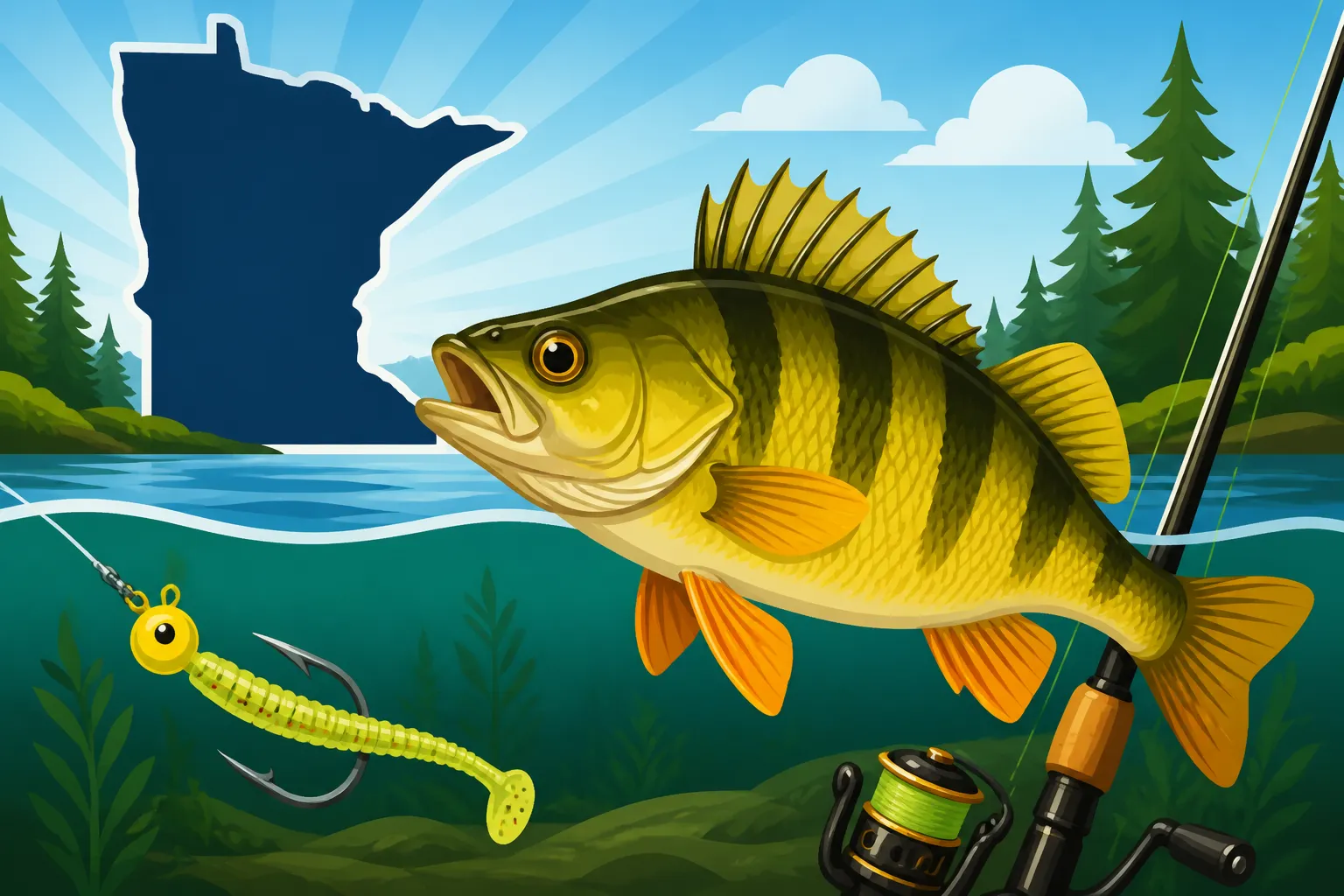
Catching yellow perch in Minnesota can be a delightful pursuit, offering fast-paced action and some of the best eating fish our waters have to offer. However, finding those elusive jumbo perch consistently, or even just locating a solid school of eaters, can sometimes feel like searching for a needle in a haystack. This comprehensive guide is here to unravel the mysteries of yellow perch fishing, providing you with practical tips, gear recommendations, and proven techniques to help you put more of these golden beauties on the ice or in the boat.
Understanding Yellow Perch in Minnesota
Before we dive into specific techniques, it’s crucial to understand the fish itself. Yellow perch are schooling fish, meaning where you find one, you often find many. They’re also prolific eaters, known for their aggressive strikes, especially when they’re active. But their behavior changes with the seasons and the specific lake characteristics, making a deeper understanding key to consistent success.
Where Do Yellow Perch Live? Habitat and Lake Types
Yellow perch are incredibly adaptable, thriving in a wide variety of Minnesota's freshwater environments. You'll find them in large, deep glacial lakes, smaller shallow lakes, and even some slow-moving river systems. Their preferred habitats, however, often share some common characteristics.
They are structure-oriented fish, meaning they gravitate towards features that offer food, cover, or both. In many lakes, this means focusing on the deep edges of expansive weed beds, especially coontail and cabbage. These green havens provide shelter from predators like northern pike and walleye, and they're teeming with the smaller invertebrates and baitfish that make up a perch's diet. Look for those subtle "inside turns" or points within a weed line where baitfish might congregate. As you’re out on the water, observing the natural contours and submerged vegetation is always a good starting point. Understanding Where Do Walleye Live in a Lake? can even offer some transferable insights, as both species often relate to similar structures, albeit at different depths or times.
Beyond weeds, perch will also relate to hard-bottom structure like rock piles, gravel bars, and sunken timber. These areas often hold crayfish and other bottom-dwelling organisms that perch will readily feast upon. In larger, deeper lakes, you'll frequently find schools suspended over deeper flats or cruising along sharp breaklines that drop off into deeper water. These deeper areas often hold schools of tullibees or ciscos, which are a prime food source for larger perch. For some of the best opportunities to find true jumbo perch, you'll want to explore lakes renowned for them, such as Lake of the Woods, Upper Red Lake, and Leech Lake, which are often highlighted in discussions about Best Lakes for Jumbo Perch in Minnesota. These lakes provide the perfect blend of forage and habitat for perch to grow to impressive sizes.
When to Target Yellow Perch: Seasonal Patterns
Yellow perch activity shifts considerably throughout the year, driven primarily by water temperature and spawning cycles. Knowing what to expect during each season will significantly boost your chances.
Spring (Post-Ice Out to Early Summer)
Right after the ice melts, perch are often shallower, particularly in bays and along shorelines where the water warms up faster. This is also when they spawn, usually when water temperatures are in the 45-55°F range. After spawning, they're hungry and can be found gorging themselves in these same shallower areas before dispersing. Look for them around emerging weed growth, docks, and rocky points in 5-15 feet of water. This early season can be fantastic for consistent action, as they're actively feeding to recover energy. However, it's also a transitional period, so being observant of water temps and baitfish presence is critical.
Summer (Warm Water Period)
As summer progresses and water temperatures rise, yellow perch typically move deeper to find cooler, more oxygenated water. You’ll often find them congregating on mid-lake humps, submerged islands, and along the deep edges of weed lines, often in 20-40 feet of water, sometimes even deeper depending on the lake's thermocline. During this time, they tend to form tighter schools, which means if you find one, you've likely found a whole bunch. Pay close attention to your electronics to mark these schools, as they can be suspended or hugging the bottom. Trolling small crankbaits or drifting with live bait can be very effective for covering water and locating these active summer schools.
Fall (Cooling Water to Ice-Up)
Fall is arguably one of the best times to target jumbo yellow perch. As water temperatures begin to drop, perch become incredibly active, feeding aggressively to build up fat reserves for the winter. They'll often move back into shallower areas that still hold good forage, but also relate to deeper main-lake structures where baitfish are abundant. This is a prime time for targeting the outer edges of weed beds, main lake points, and humps in 15-30 feet of water. The cooler water means higher oxygen levels throughout the water column, allowing perch to roam more freely. Their metabolism is high, making them willing biters, often leading to some of the most memorable fishing trips of the year.
Winter (Ice Fishing Season)
Once Minnesota's lakes freeze over, yellow perch become a primary target for ice anglers. They remain schooling fish, often found in basins, over deep flats, and around the edges of submerged structures. Ice fishing for perch is an art of drilling holes, checking your electronics, and "hole hopping" until you locate an active school. They'll often move quite a bit throughout the day, so being mobile is key. Depths can vary widely, from 10 feet in shallower lakes to 40+ feet in deeper ones. Winter perch fishing can be feast or famine, but when you find them, the action can be non-stop. For more detailed strategies, check out our guide on How to Catch Yellow Perch Through the Ice in Minnesota.
Essential Gear for Minnesota Perch Fishing
Having the right tools for the job can make a huge difference, especially when you're trying to coax a bite out of finicky perch or pull a feisty jumbo from a school. Yellow perch, while not giants, still demand appropriate gear for optimal presentation and fighting enjoyment.
Rods, Reels, and Line Choices
When it comes to yellow perch, finesse and sensitivity are often more important than brute strength. This means opting for lighter tackle that allows you to detect subtle bites and present small baits naturally.
Rods: For open water, an ultralight or light action spinning rod, typically 5 to 6.5 feet long, is ideal. These rods have a soft tip that flexes easily, allowing you to feel even the lightest tap from a perch. The longer length helps with casting lighter lures and absorbing sudden runs. For ice fishing, a sensitive ultralight or light action ice rod, usually 24 to 32 inches, is a must. A graphite or composite blank provides the best sensitivity to telegraph those light "lift bites" or "drops" that often indicate a perch has taken your bait. Brands like St. Croix, Fenwick, or Thorne Bros. offer excellent panfish-specific rods that are worth the investment for serious perch anglers.
Reels: Pair your light rod with a small spinning reel, typically a 500 or 1000 series. These reels are lightweight, balance well with ultralight rods, and have a smooth drag system that is crucial for fighting larger perch on light line. A good quality reel with a smooth retrieve will prevent line twist and make the entire fishing experience more enjoyable. Look for models from Shimano, Daiwa, or Pflueger for reliable performance.
Line: Line choice is critical for perch fishing.
- Monofilament: A good all-around choice for its stretch and forgiveness, especially when perch are hitting aggressively. 2-4 pound test is usually sufficient. It's affordable and easy to manage.
- Fluorocarbon: Offers excellent sensitivity and invisibility in the water due to its similar refractive index to water. This makes it a great choice for clear water or wary perch. 2-4 pound test leaders are common, or you can spool your reel entirely with it.
- Braided Line: While very sensitive and strong, braided line has no stretch, which can be a disadvantage with small hooks and soft-mouthed perch. However, its thin diameter and incredible sensitivity make it excellent for deeper water or when jigging in heavy cover. If using braid, always tie on a 2-4 foot fluorocarbon leader using a small swivel or a FG knot to provide some stretch and invisibility. For open water, 4-6 pound test braid is common, while 2-4 pound test can be used for ice fishing, often with a monofilament or fluorocarbon main line for less line memory in the cold. You can find more discussions about line choices in articles like Best Fishing Line for Walleye (Braid vs Mono vs Fluoro), where the principles of matching line to conditions apply to perch as well.
Baits and Lures That Perch Can't Resist
Yellow perch are opportunistic feeders, and they respond well to a variety of baits and lures. The key is often matching the hatch and offering a presentation that triggers their aggressive instincts.
Live Bait:
- Minnows: Small fathead minnows are a classic perch bait, especially when hooked through the lips or dorsal fin on a small jig or under a slip bobber. The live action of a struggling minnow is often irresistible to perch. Shiners can also be effective, particularly for larger perch.
- Worms: Red worms or pieces of nightcrawlers are excellent, especially for smaller perch and when fishing panfish in general. Their natural scent and wiggling action are very enticing.
- Grubs/Larvae: Wax worms, spikes (maggots), and eurolarvae are deadly, especially during ice fishing season. These small, wiggling baits are perfect for tipping small jigs and spoons, adding scent and natural movement. They are particularly effective when the fish are finicky or during cold fronts.
Artificial Lures:
- Jigs: Small lead-head jigs (1/32 to 1/8 ounce) tipped with live bait or small plastic trailers are incredibly versatile. Colors like chartreuse, pink, orange, white, and black are often productive. For ice fishing, tiny tungsten jigs (1/64 to 1/16 ounce) are very popular due to their small size and fast sink rate. They get to the fish quickly and can be fished subtly.
- Jigging Spoons: Small jigging spoons, like the Northland Forage Minnow, Lindy Darter, or Clam Leech Flutter Spoon, are fantastic for perch. Their flashy, erratic action on the fall mimics a dying baitfish, and they can be jigged aggressively or slowly. Tip them with a minnow head or a couple of wax worms for added attraction. Many of the same principles for Best Lures for Ice Fishing Crappie apply to perch, as both species often respond to similar presentations.
- Blade Baits: Tiny blade baits, like the Johnson Thinfisher or a small Heddon Sonar, can be deadly, especially when fished aggressively. Their vibration and flash call in fish from a distance.
- Soft Plastics: Small soft plastic baits, such as micro grubs, tiny tubes, or small swimbaits, rigged on a bare jig head, can be very effective, especially when tipped with a wax worm. Their subtle action and lifelike profiles often fool even the most cautious perch.
Proven Techniques for Catching Yellow Perch
Finding perch is only half the battle; presenting your bait effectively is just as crucial. Whether you're in open water or on the ice, subtle differences in technique can turn a slow day into a spectacular one.
Open Water Perch Tactics
Open water fishing for yellow perch provides a variety of dynamic approaches, allowing you to adapt to different conditions and fish moods.
Drifting with Live Bait Rigs: This is a fantastic way to cover water and locate schools, especially during summer and fall. Use a simple slip sinker rig with a small hook (size 6-10) and a lively minnow or a piece of nightcrawler. Let your boat drift over suspected perch areas like humps, flats, or along weed edges. The key is to keep your bait near the bottom but allow it to move naturally with the current or drift. Pay close attention to your rod tip for subtle bites. Sometimes perch will just pick it up and move, other times it's a soft tap. A steady retrieve, or even just letting the bait sit for a moment after a bump, can entice a full take.
Slip Bobber Fishing: A classic and highly effective method, especially when perch are relating to specific cover like weed lines, brush piles, or docks. Set your slip bobber stop so your bait (typically a minnow or worm on a small jig or plain hook) is suspended just above the top of the weeds or structure, or slightly off the bottom. The bobber allows you to present your bait in the strike zone for extended periods, and any slight movement of the bobber will signal a bite. This is also excellent for shore anglers or kids. When the bobber goes down, count to two or three, then set the hook with a smooth sweep.
Jigging and Casting Small Lures: Active jigging with small spoons, blade baits, or soft plastics can be incredibly productive, particularly when perch are aggressive. Cast your lure out, let it sink to the desired depth, then use a retrieve-and-pause technique. Lift your rod tip to make the lure dart, then let it fall on a semi-slack line. Many bites occur on the fall, so watch your line for any twitch or hesitation. Experiment with jigging cadences—some days they want an aggressive snap, other days a subtle lift and drop. Small crankbaits, especially those designed for panfish or trout, can also be trolled or cast effectively along weed edges or over flats when perch are spread out and actively chasing baitfish.
Ice Fishing for Yellow Perch
Ice fishing for yellow perch is a beloved Minnesota tradition, but it requires a slightly different approach than open water. The cold water often means more subtle bites, and the ability to move quickly is paramount. You'll find a lot of specific tactics covered in our dedicated guide to Ice Fishing for Perch in Minnesota.
Deadsticking with Live Bait: This passive technique is often deadly, especially for finicky perch or when they're in a neutral mood. Set up a second rod (where legal, remember to check How Many Lines Can You Fish in Minnesota?) with a simple hook or small jig tipped with a lively minnow or several wax worms. Place it in a rod holder or on a pail, allowing the bait to sit still or move ever so slightly. The key is minimal movement. Many times, perch will inspect an active jigging bait, but commit to the "deadstick" offering. This is also a fantastic way to fish a "hole" you plan to return to after searching.
Jigging Spoons and Tungsten Jigs: These are the workhorses of ice fishing for perch. Small jigging spoons, like the VMC Tumbler Spoon or a Clam Leech Flutter Spoon, are great for attracting fish with flash and vibration. Jig them with sharp upward snaps, then let them flutter back down. Tungsten jigs, often tipped with a couple of spikes or a wax worm, offer a smaller, more subtle presentation. Their heavy-for-their-size nature means they sink quickly and maintain a good vertical presentation. Micro-jigging, with tiny twitches of the rod tip, is often the most effective retrieve. Focus on keeping the bait in the strike zone and detecting those ultra-light bites. Look at our guide on Best Tungsten Jigs for Panfish for specific recommendations.
Hole Hopping and Electronics: Perch are nomadic, moving in schools, so sitting in one spot is rarely effective for long. "Hole hopping" – drilling multiple holes and moving between them to find active fish – is crucial. A portable fish finder or flasher (like a Vexilar or Humminbird) is an invaluable tool for this. It allows you to quickly check depths, identify fish, and see how they react to your lure. Drill a grid of holes over a promising area, check each with your flasher, and if you see fish, drop a line. If the action stops, move to the next hole. This aggressive searching is often the key to consistent winter perch success. Getting a handle on How to Read a Flasher (Vexilar/Humminbird) will significantly up your ice fishing game.
Advanced Tips for Bigger Perch and More Success
While the basics will get you catching perch, there are always ways to refine your approach and increase your chances of finding those elusive jumbos or simply having more consistent banner days.
Locating Schools and Using Electronics
Finding the fish is often 90% of the battle, and this is where modern electronics truly shine. Investing in a quality fish finder, whether it's a traditional 2D sonar unit for your boat or a flasher for ice fishing, will dramatically improve your success rate.
Understanding Contours and Structure: Before you even drop a line, spend time studying lake maps (physical or digital, like Navionics or LakeMaster). Identify key topographical features: sharp breaks, subtle humps, inside turns on weed lines, main lake points extending into deeper water, and underwater islands. These are perch magnets. On large lakes like Lake of the Woods or Leech Lake, expansive mud flats can hold massive schools of perch, often relating to subtle changes in bottom composition or small rises. When perch are suspended over these flats, they can be tough to find without good sonar.
Interpreting Your Electronics: Learn to distinguish perch schools from other fish species. Perch often show up as dense, sometimes "blob-like" marks on your sonar, especially when tightly schooled. On a flasher, they might appear as a solid band of color. Crucially, pay attention to the bottom composition your electronics show. Harder bottoms (rock, gravel) will often show a thicker, more intense return than soft bottoms (mud, silt). Perch frequently relate to these transitions. Furthermore, use your electronics to observe how fish react to your bait. Are they rising to meet it? Are they ignoring it? Are they scattering? This feedback is invaluable for adjusting your presentation in real-time. Brands like Lowrance, Garmin, and Humminbird offer excellent units that can help you How to Catch More Fish With a Fish Finder.
Seasonal Movement and Search Patterns: Remember that perch move seasonally. In early spring and late fall, they might be shallower, making visual cues like weed lines more important. In summer and winter, they typically move deeper, and electronics become indispensable for locating those deeper schools. Develop a systematic search pattern: start by targeting known perch areas on your map, then use your electronics to scan the area thoroughly. If you mark fish but they aren't biting, adjust your depth, lure, or presentation before moving on. Don't be afraid to leave a spot if it's dead; active perch are often found relatively quickly.
Presentation and Finesse
Even when you've found a school of perch, how you present your bait can determine whether you catch a limit or go home empty-handed. Perch can be finicky, especially the larger ones, and subtle adjustments can make all the difference.
Matching the Hatch: Observe what natural forage is present in the lake. If you're catching perch that are spitting up small minnows, then minnow-imitating lures or live minnows are likely your best bet. If they're feeding on invertebrates, then small jigs tipped with wax worms or spikes will be more effective. The size of your bait also matters; don't be afraid to downsize to tiny jigs (1/64 oz) or micro-plastics, especially when the bite is tough or the water is clear.
Jigging Cadence and Experimentation: There's no single "perfect" jigging cadence. Some days, perch want an aggressive snap, a rapid jigging motion that makes your lure dance wildly. Other days, they prefer a subtle lift-and-hold, or even just letting your bait sit almost motionless (deadsticking, as mentioned earlier). Experiment! Start with a moderate jigging action, then try faster, slower, shorter, or longer lifts. Often, the bite comes right after a pause. If fish are showing on your electronics but not committing, try making your lure "kiss" the bottom, stirring up a puff of silt, which can mimic feeding baitfish and trigger a strike.
Detecting Subtle Bites: Perch bites are not always aggressive tugs. Especially in cold water or when they're pressured, bites can be incredibly subtle – a slight hesitation in the line, a tiny tap, or even just a feeling of "weight" when you lift your rod. This is why a sensitive rod and proper line are so crucial. Watch your line where it enters the water or the hole; any twitch, bump, or sudden slack could indicate a bite. When you feel something, don't hesitate too long, but also avoid a violent hookset that could tear the hook out of their delicate mouths. A smooth, upward sweep is usually sufficient. Remember, consistent success with perch often comes down to these nuanced details.
| Technique/Bait | Best Season(s) | Ideal Conditions | Tips for Success |
|---|---|---|---|
| Drifting Live Bait | Summer, Fall | Open water, wind for natural drift | Use a slip sinker rig, keep bait near bottom, cover wide areas to locate schools. |
| Slip Bobber | Spring, Summer | Shallow to moderate depths, specific cover | Set depth just above weeds or structure, use lively minnows or worms, watch for subtle bobber dips. |
| Jigging Spoons | All Seasons (Ice) | Active fish, searching for schools | Aggressive lifts, long pauses, tip with minnow head or wax worm for added attraction. |
| Tungsten Jigs | All Seasons (Ice) | Finicky fish, subtle bites, deep water | Micro-jigging, slow lifts, tip with spikes/wax worms, use sensitive rod to detect light takes. |
| Casting Small Lures | Spring, Fall | Shorelines, weed edges, active perch | Experiment with retrieve speeds and pauses, target ambush points in cover. |
| Deadsticking | Winter (Ice) | Finicky perch, secondary rod | Minimal movement, use a lively minnow or fresh worms, place near active jigging hole. |
Ultimately, catching yellow perch in Minnesota is about combining foundational knowledge with on-the-water experimentation. Whether you’re targeting a specific lake for its Yellow Perch Season & Limit in Minnesota or just enjoying a casual day of panfishing, remember that these beautiful, tasty fish offer endless opportunities for fun and challenge. Don't forget to secure your Minnesota Fishing License: Cost, Types & How to Buy (2026) before heading out on the water, and always be aware of the specific regulations for the body of water you're fishing.
Disclaimer
Fishing regulations, seasons, and limits are subject to change by the Minnesota Department of Natural Resources (DNR). Always consult the most current Minnesota Fishing Regulations handbook or the DNR website before heading out on the water to ensure compliance. This guide is for informational purposes only and does not supersede official regulations.