Best Lakes for Jumbo Perch in Minnesota
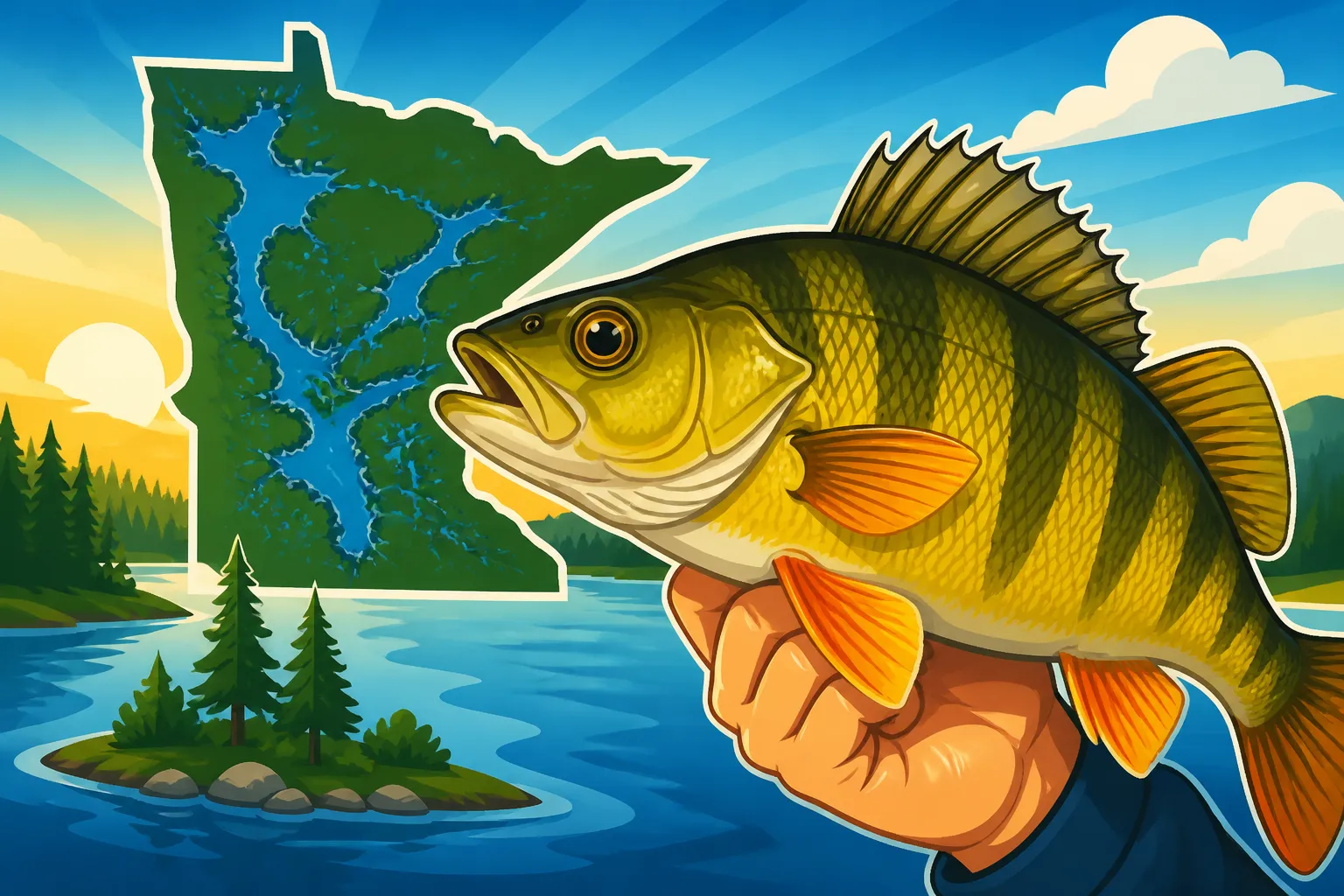
Oh, the elusive jumbo perch! If you've spent any time on Minnesota's fantastic fisheries, you know the thrill of a fat yellow perch hitting your line. But let's be real, often it's a lot of smaller ones, and the dream of that true "jumbo" specimen, a plate-filler, can feel like chasing a myth. This guide is all about cutting through the noise and pinpointing those special lakes in Minnesota where your chances of landing a truly impressive yellow perch are significantly higher. We'll dive deep into what makes these lakes tick and how you can maximize your success.
The Hunt for the Holy Grail: What Defines a Jumbo Perch Lake?
It's easy to assume all perch lakes are created equal, but that's just not the case, especially when you're after those bigger fish. A true jumbo perch lake isn't just one where perch exist; it's an ecosystem designed to help them thrive and grow to impressive sizes. Understanding these underlying factors is key to knowing where to focus your efforts.
More Than Just Water: Ideal Habitat and Forage
For yellow perch to grow large, they need more than just open water. They require a diverse and rich habitat that provides ample food sources and protection from predators, especially as they mature. Think about a perch's lifecycle: they start small, feeding on zooplankton and insect larvae, but as they get bigger, their diet shifts dramatically.
Ideally, a jumbo perch lake will feature a mix of structural elements. Deep, clear basins are crucial, offering cooler water temperatures during the summer months when smaller, shallower lakes might become too warm. These deeper areas often hold schools of cisco or tullibee, which are prime forage for larger perch. Beyond depth, look for extensive weed beds, especially those with diverse vegetation types. These weeds offer cover for young perch, but they also harbor invertebrates that the perch feed on. Rock humps, gravel flats, and transition zones where different bottom types meet are also critical. These areas attract baitfish, which in turn draw in hungry perch. Without a robust and diverse food chain, perch simply won't have the fuel to pack on the pounds needed to become true jumbos. Lakes with strong populations of fathead minnows or shiners also tend to produce larger perch because they offer a readily available, high-protein meal.
Factors That Grow Giants: Population Dynamics and Angler Pressure
While habitat and food are essential, the overall population dynamics within a lake play a huge role in perch size. It might sound counterintuitive, but sometimes too many perch can actually lead to smaller fish. In lakes with extremely high perch populations, the competition for food becomes intense, stunting growth across the board. These lakes might produce massive numbers of fish, but very few will reach that coveted "jumbo" size.
Conversely, lakes with a balanced perch population, perhaps with a good mix of age classes and a healthy predator base (like walleye or northern pike that thin out the smaller perch), often see faster growth rates for the remaining fish. This reduced competition means more food for individual perch, allowing them to put on size more quickly. Angler pressure also plays a significant role. Lakes that see heavy fishing for perch might have their larger fish removed more frequently, making it harder for a trophy population to establish itself. That's why some of the best jumbo perch lakes are often a little harder to access or are simply so vast that angling pressure is spread out. Understanding Minnesota Fishing Limits: Bag & Possession (2026) is always crucial, as these regulations are designed to help maintain healthy fish populations, but for perch, some lakes have specific nuances that favor bigger fish.
Unveiling Minnesota's Jumbo Perch Powerhouses
Alright, let's get down to brass tacks: where can you actually find these legendary jumbo perch? Minnesota is the land of 10,000 lakes, and while many hold yellow perch, only a select few consistently kick out those impressive, hand-sized fish we're all dreaming of. These are the lakes that have the right combination of habitat, forage, and management to produce true trophies.
Northern Minnesota's Ice and Open Water Dynasties
When most anglers think "jumbo perch" in Minnesota, their minds often drift north, and for good reason. The vast, fertile waters of northern Minnesota offer some of the state's most incredible perch fishing, especially during the ice fishing season.
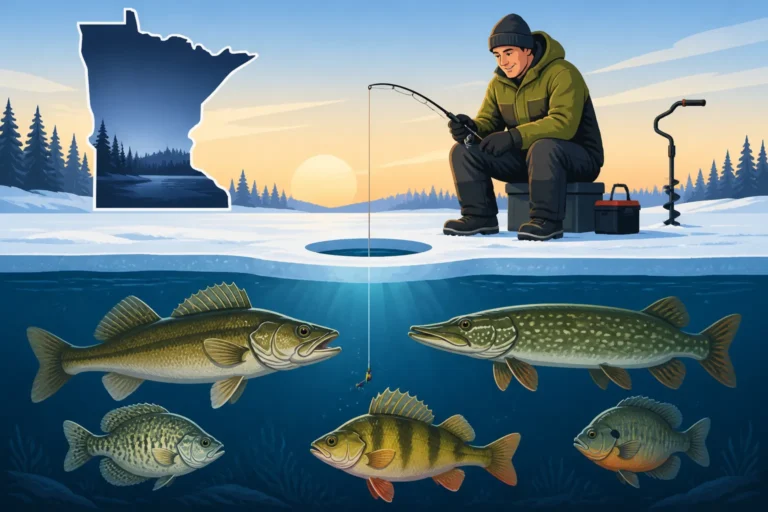
Upper Red Lake is arguably the reigning champion for jumbo perch, particularly during the winter months. This massive, shallow lake has seen incredible perch booms over the years, producing fish that routinely push 12-14 inches, and even bigger specimens aren't uncommon. The lake's vast expanses, abundant forage, and relatively simple structure make it a prime target. Anglers often flock to Upper Red after freeze-up, drilling holes over subtle depth changes or areas where baitfish congregate. The perch here are aggressive and plentiful, making it an excellent destination for both beginners and seasoned pros. You'll find detailed strategies on How to Catch Yellow Perch Through the Ice in Minnesota if you're planning a winter trip here.
Another northern powerhouse is Lake Winnibigoshish, affectionately known as "Winnie." While famous for its walleye, Winnie also boasts an excellent perch fishery, with many fish reaching jumbo status. Its diverse habitat, including expansive sand flats, rocky points, and deep water, provides a rich environment for perch to grow. During open water, perch often relate to the edges of weed beds and submerged humps. In winter, they'll school up on deep flats and breaklines. Winnie perch are often very clean-eating, firm fish, making them a favorite for the frying pan. The size and complexity of Winnie mean that finding the right spot can take some effort, but the rewards are definitely worth it.
Central and Southern Minnesota Gems
While northern lakes often get the most press for jumbo perch, there are fantastic opportunities closer to the Twin Cities and in the western parts of the state as well. These lakes might require a bit more local knowledge, but they can be incredibly productive.
Big Stone Lake, straddling the Minnesota-South Dakota border, is a legendary perch fishery. This long, shallow, and fertile lake is known for its incredible panfish production, and jumbo yellow perch are a consistent highlight. The lake's extensive weed lines, gradual breaks, and abundant baitfish populations contribute to fast growth rates for its perch. Anglers often target Big Stone for both open water and ice fishing, finding schools of large perch over the numerous soft-bottom flats and subtle structure. Given its border water status, it's always a good idea to be familiar with specific Border Water Fishing Rules (Minnesota-Ontario, Wisconsin) that apply.
Further east, Leech Lake in the Brainerd Lakes Area, while primarily famous for its walleye and muskie, also produces a significant number of jumbo perch. The lake's immense size, varying depths, and diverse structure from sand to rock to weeds create a mosaic of perch habitats. During the spring and fall, perch can often be found shallower, but during the summer and winter, they often relate to the expansive main lake flats, especially those with some remaining weed growth or subtle bottom transitions. Don't be surprised to pull a 10-12 inch perch from Leech while jigging for walleye.
Here's a quick overview of some top lakes for jumbo perch:
| Lake Name | General Location | Key Features for Perch | Best Season(s) | Typical Jumbo Size (inches) |
|---|---|---|---|---|
| Upper Red Lake | Northern Minnesota | Large, shallow basin, abundant forage, vast expanses | Winter | 11-14+ |
| Lake Winnibigoshish | North Central Minnesota | Diverse structure (sand, rock, weeds), deep basins, good forage | Winter, Fall | 10-13 |
| Big Stone Lake | Western Minnesota (border) | Shallow, fertile, extensive weed lines, gradual breaks | Winter, Spring, Fall | 10-13+ |
| Leech Lake | North Central Minnesota | Vast, diverse structure (flats, humps, weeds), walleye predation | Winter, Summer, Fall | 9-12 |
| Lake of the Woods | Far Northern Minnesota | Immense size, varied depth, structure, abundant forage | Winter, Summer, Fall | 10-13+ |
Other Noteworthy Lakes for Jumbo Perch
While the lakes above are consistent producers, Minnesota has other waters that can surprise you with big perch. Lake of the Woods, though known for its walleye and sturgeon, also offers phenomenal perch fishing, especially in certain bays and flats. Its sheer size and nutrient-rich waters contribute to healthy, fast-growing perch. Smaller, less pressured lakes, particularly those with strong deep-water forage bases and limited access, can also be hidden gems. It often pays to do a little research with the Minnesota DNR lake finder or consult local bait shops to uncover these localized hotbeds.
Gear Up and Go: Tactics for Targeting Larger Perch
Catching perch is one thing; consistently catching jumbo perch is another. It often requires a slight adjustment in your approach, focusing on specific gear and tactics that appeal to bigger, often warier fish. Don't just show up with your standard panfish tackle; you'll want to be prepared.
The Right Tools for the Job: Rods, Reels, and Line
When you're after jumbo perch, sensitivity becomes paramount. These larger fish can be surprisingly subtle biters, especially in colder water or when they're not actively feeding. Using the right rod and reel can make all the difference between feeling that faint "tick" and missing the bite entirely.
For open water, a light or ultra-light spinning rod, typically 6 to 7 feet in length, with a fast action tip is ideal. This combination allows for precise casting of small lures and the sensitivity needed to detect those delicate strikes. Pair it with a small, smooth spinning reel (size 1000 or 2000) spooled with 4-pound test monofilament or fluorocarbon line. Monofilament offers a bit of stretch, which can be forgiving with a hard-fighting perch, while fluorocarbon provides excellent sensitivity and invisibility underwater. Many anglers also opt for a braided mainline with a fluorocarbon leader for ultimate sensitivity and strength. You can find a great selection of these setups, including reliable brands like Pflueger and Daiwa, on Amazon. For ice fishing, specialized panfish rods, often 24-30 inches long with a super-sensitive tip (often fiberglass or carbon fiber), are crucial. These rods are designed to load up quickly with even the lightest bite. Look for models labeled for "panfish" or "perch." When considering your setup, remember that Best Ice Fishing Rods for Walleye & Panfish often overlap, giving you versatility.
Bait, Lures, and the Presentation Puzzle
Jumbo perch have more developed senses and are often a bit pickier than their smaller counterparts. While they'll still hit standard panfish baits, dialing in your presentation can significantly increase your catch rate for the bigger ones.
Live bait is often king, especially during colder months. Small fathead minnows, shiners, and large crappie minnows are excellent choices, fished under a slip bobber or on a small jig. Wax worms, maggots (spikes), and even small pieces of nightcrawler can also be incredibly effective, especially when tipped on a jig. When it comes to artificial lures, small jigging spoons (like a Northland Forage Minnow or a Custom Jigs & Spins Chekai), small tungsten jigs tipped with plastics or live bait, and tiny soft plastics (like Berkley Gulp! Minnows or Trigger X Panfish Baits) are top performers. The key is often a subtle, almost vertical presentation. Don't be afraid to experiment with color, but natural shades (perch, silver, gold, black) or brighter colors (chartreuse, orange) in stained water are usually good starting points. Many anglers prefer to check out reviews and purchase specialized jigs on Amazon for convenience and to find unique colors or weights. For a broader look at options, check out our guide on Best Lures & Baits for Minnesota by Species.
Cracking the Seasonal Code: When and Where to Find Them
Perch, like most fish, are highly influenced by seasonal changes, and jumbo perch can be particularly particular about their location throughout the year. Understanding these Seasonal Fishing Patterns in Minnesota is paramount.
During the ice fishing season, jumbo perch often congregate in large schools on deep flats, humps, or near the edges of main lake structure where food is abundant. Early ice and late ice are often prime times, as perch are actively feeding and less pressured. During mid-winter, they might hold tighter to structure or suspended over deeper water, requiring careful use of your electronics. Speaking of electronics, if you're hitting the ice, a good flasher or fish finder is invaluable for locating these schools and determining their feeding mood; consider reading up on Best Ice Fishing Electronics for Beginners.
In open water, spring can be excellent as perch move shallower to spawn, often found in bays and weed flats. As summer progresses, jumbo perch tend to retreat to deeper, cooler waters, often suspending over open basins or relating to deep weed lines, rock humps, and submerged points. Look for them on breaklines leading into deep water. Fall can be another fantastic time, as perch aggressively feed in preparation for winter, often returning to shallower depths or concentrating in large schools over transitional areas. They'll be on the prowl for baitfish, so matching the hatch with your lure selection is a smart move.
Preserving the Legacy: Responsible Perch Angling
Catching jumbo perch is a thrill, but ensuring these incredible fisheries remain healthy for future generations is just as important. Responsible angling practices, from understanding regulations to ethical fish handling, play a crucial role in conservation.
Navigating the Regulations: Limits and Local Rules
Minnesota has specific regulations for yellow perch, and it's essential to be familiar with them before you hit the water. While the statewide daily bag limit for yellow perch is typically generous, it's not uncommon for certain lakes to have special regulations in place, sometimes aimed at managing population size or protecting larger fish. For example, some lakes might have reduced limits or even length restrictions for certain species. Always check the current Minnesota DNR Fishing Regulations Handbook or the lake-specific regulations online before you fish. Knowing the Yellow Perch Season & Limit in Minnesota for your target lake is your first step towards responsible angling. These rules are in place for a reason – to maintain the health and abundance of our fish populations. Ignoring them not only risks penalties but also impacts the long-term sustainability of the fishery we all love.
Future-Proofing Our Fisheries: Catch and Release of Big Fish
While jumbo perch make fantastic table fare – truly some of the Best Eating Fish in Minnesota Lakes – consider releasing some of the largest ones. These bigger fish are often the prime spawners, contributing significantly to the lake's future perch populations. If you choose to release a jumbo perch, handle it with care. Wet your hands before touching the fish to protect its slime coat, and avoid squeezing its internal organs. Use a hook remover or needle-nose pliers to quickly extract the hook, especially if it's lodged deep. If the fish is bleeding, it's often best to keep it, but otherwise, a gentle release back into the water gives it the best chance of survival. Even if you want a photo, try to keep the fish out of water for only a few seconds. Practicing responsible catch and release for a portion of your catch helps ensure that the lakes will continue to produce those coveted jumbo perch for years to come.
Disclaimer
Please note that fishing conditions, regulations, and fish populations can change. Always consult the latest Minnesota Department of Natural Resources (DNR) fishing regulations before heading out on the water. This guide is for informational purposes only and does not constitute legal advice.