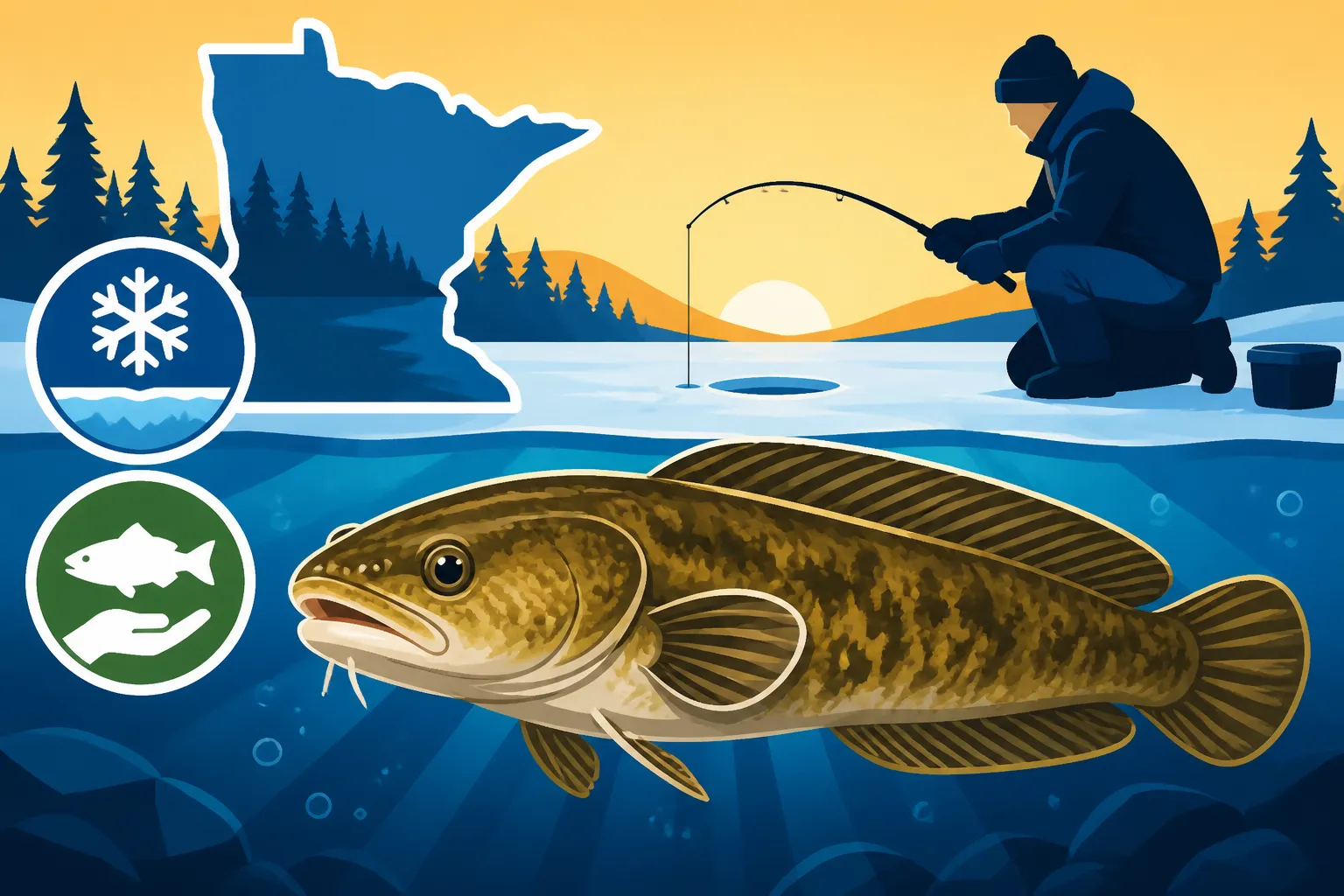
Burbot Season & Limits in Minnesota
There's a fish swimming in Minnesota's deep, cold waters that often gets a bad rap, sometimes even mistaken for a serpent or an eel, and that's the burbot. Many anglers are curious about this unique creature, wondering if it's even legal to keep, let alone what the season and limits are. If you've ever hauled one through the ice and pondered what to do next, this guide is for you. We're diving deep into the world of Minnesota burbot, covering everything from when and where to catch them to the surprisingly liberal regulations that apply to this freshwater oddity.
Understanding Burbot in Minnesota: The Freshwater Cod
Burbot, often affectionately (or not-so-affectionately) called "eelpout" by Minnesota anglers, are truly one-of-a-kind. They're the only freshwater member of the cod family found in North America, a lineage that immediately hints at their culinary value, despite their somewhat unconventional appearance.
Why Burbot Often Get a Bad Rap and Why They Shouldn't
Let's be honest, burbot aren't winning any beauty contests. With their mottled, snake-like body, a single barbel on their chin, and slippery skin, they can be quite a shock if you're expecting a walleye or a panfish. This appearance, combined with their slimy exterior, has historically led to them being tossed back or even left on the ice, misunderstood and unappreciated. The nickname "eelpout" itself doesn't exactly conjure images of deliciousness!
However, it's time to re-evaluate this perception. What many don't realize is that beneath that unique exterior lies firm, flaky white meat that rivals many of Minnesota's most prized game fish. Their texture and mild flavor are often compared to scallops or lobster, making them a hidden culinary gem. The sheer thrill of reeling in one of these strong, fighting fish, especially on a frigid winter night, is an experience every Minnesota angler should have at least once.
Where to Find Burbot: Prime Habitats in Minnesota
Burbot are cold-water creatures through and through. They thrive in deep, clear lakes and large river systems, preferring temperatures that would send many other species packing. Think of them as the night owls of the deep, often most active when the light is low or completely absent.
In Minnesota, your best bets for finding healthy populations of burbot are generally in the larger, deeper lakes of the northern part of the state. Iconic fisheries like Lake Superior, Lake of the Woods, Leech Lake, and Lake Winnibigoshish are prime territory. These vast bodies of water offer the cold, oxygen-rich environments and abundant forage that burbot crave. You'll often find them lurking near deep structure – humps, breaks, and ledges – where they can ambush smaller fish and invertebrates. They’re also present in some of the deeper areas of the Mississippi River and its tributaries. While they aren't as common in shallower, warmer lakes, you might be surprised to find them in some deeper basins further south if the conditions are right.
Burbot Season in Minnesota: Year-Round Opportunity
One of the most appealing aspects of fishing for burbot in Minnesota is that there's no closed season. That's right, you can target these intriguing fish any time of the year! However, just because you can fish for them year-round doesn't mean it's equally easy or productive throughout all four seasons.
Ice Fishing for Burbot: The Prime Time
Without a doubt, winter is when burbot fishing truly shines in Minnesota. As the ice thickens and water temperatures plummet, burbot become much more active and accessible to anglers. This is when they move shallower to feed more aggressively, making them a prime target for ice anglers. Night fishing for burbot through the ice is legendary; many dedicated "pout" anglers won't even start drilling holes until after sunset. The darkness provides them with a natural advantage for hunting, and their eyes are specially adapted for low-light conditions.
Many anglers targeting walleye or crappie during the winter months are often surprised by a strong tug that turns out to be a burbot. These accidental catches are a testament to their presence in many popular ice fishing spots. For a deeper dive into winter angling, check out our guide on Ice Fishing in Minnesota: Complete Beginner-to-Pro Guide. The experience of battling a heavy burbot in the dead of winter, often under the glow of a headlamp or your ice shack lights, is uniquely thrilling.
Open Water Burbot: A More Elusive Catch
While burbot are present in Minnesota's waters during the open water seasons, they become considerably more challenging to target. Their preference for deep, cold water means they largely retreat to the abyss as surface temperatures rise. Locating them often requires specialized electronics and a willingness to fish depths of 40-plus feet, sometimes even much deeper in lakes like Superior.
Trolling deep-diving crankbaits or jigging heavy spoons over significant structure can sometimes elicit a bite. However, the incidental catches are far less frequent than during the ice season. If you're determined to target them in open water, focusing on cool, overcast days or even night fishing during the warmer months can slightly increase your odds. Remember to always consult the current Minnesota Fishing Seasons & Opener Dates (2026) for other species you might encounter while targeting these deep-water denizens.
Burbot Limits in Minnesota: What You Need to Know
This is where burbot really stand out from almost every other fish species in Minnesota. Unlike walleye, northern pike, or bass, which have strict daily and possession limits, burbot are managed with a much more liberal approach.
Statewide Daily and Possession Limits
Here's the exciting part: in most Minnesota waters, there is no daily limit or possession limit for burbot. You read that correctly! This means you can keep as many burbot as you can legally catch, and there are no size restrictions either. This makes them a fantastic target for anglers looking to stock up on delicious fish fillets without worrying about specific numbers or lengths. It’s a rare occurrence in Minnesota fishing regulations, where conservation and population management are typically very stringent.
This open-door policy reflects the healthy and often underutilized burbot populations across many of the state's prime fisheries. The Minnesota Department of Natural Resources (DNR) recognizes that burbot are abundant and can withstand higher harvest rates without negatively impacting their numbers.
Special Regulations and Lake-Specific Rules
While the general rule of "no limits" applies to burbot statewide, it's absolutely crucial to remember that fishing regulations can and do vary by specific body of water or border water agreements. Always, and I mean always, double-check the current Minnesota DNR Fishing Regulations for the specific lake or river you plan to fish. You can often find a comprehensive Minnesota Fishing Regulations PDF: Where to Find It online or pick up a physical copy wherever you buy your Minnesota Fishing License: Cost, Types & How to Buy (2026).
For instance, border waters shared with other states or provinces (like Lake of the Woods with Ontario or the St. Croix River with Wisconsin) might have different regulations. While these differences rarely impose a limit on burbot, it's better to be safe than sorry. There might also be rare instances where a specific lake or river could have unique local regulations due to a specific management plan. A quick check of the DNR's LakeFinder tool or the official regulations book is always a wise move before hitting the water.
The Rationale Behind Liberal Burbot Limits
Why are burbot treated so differently from other species? It largely comes down to population dynamics and angler behavior. Burbot are generally quite prolific and widely distributed in their preferred habitats. Historically, they haven't been a popular target species, which means angling pressure on them is significantly lower compared to, say, walleye or crappie.
The DNR's management strategy aims to encourage harvest of underutilized species like burbot to help balance fish communities, and in some cases, to provide additional angling opportunities. By having no limits, they're essentially saying, "Go ahead, enjoy these fish!" It's a testament to the healthy state of their populations and an invitation for anglers to explore a different, yet equally rewarding, aspect of Minnesota fishing.
Targeting Minnesota Burbot: Tips, Gear, and Table Fare
Ready to give these unique fish a try? Understanding their habits and having the right setup can make all the difference in turning a curious experiment into a successful burbot adventure.
Best Baits and Lures for Burbot
Burbot are opportunistic predators with an incredible sense of smell, which is your biggest advantage. They are not shy about scavenging.
- Scented Baits: This is paramount. Burbot respond incredibly well to strong-smelling baits. Cut bait like smelt, cisco (tullibee), or even oily chunks of sucker or herring are highly effective. Some anglers swear by adding commercial scents to their lures as well.
- Glow Lures: Especially when ice fishing at night, anything that glows will attract their attention in the deep, dark water. Glow jigs, spoons, and even glow-in-the-dark plastics tipped with bait are excellent choices. Brands like Clam and Northland Tackle offer a variety of glow-in-the-dark options that are perfect.
- Jigging Spoons: Heavy jigging spoons, often tipped with a piece of cut bait, are fantastic for getting down to depth quickly and creating an enticing action. Lift and drop, letting the lure hit the bottom to stir up sediment, which can mimic feeding activity.
- Dead Bait on the Bottom: A simple rig with a sinker and a hook on the bottom, baited with a generous piece of cut fish, can be deadly. They spend a lot of time on the bottom, rooting around for food.
You might find that some of the same live baits used for walleye, such as large shiners or suckers, can also tempt a hungry burbot, though cut bait often reigns supreme for consistent action. For general bait recommendations, check out our guide on Best Live Bait for Walleye (Leeches, Minnows, Crawlers), which might offer some crossover ideas.
Essential Gear for Burbot Fishing
You don't necessarily need highly specialized gear, but a few considerations will improve your experience.
- Stout Rods and Reels: Burbot can grow quite large and put up a surprisingly strong, dogged fight. A medium-heavy to heavy action rod, especially for ice fishing, paired with a reliable spinning or baitcasting reel spooled with 10-20 lb monofilament or braided line, will handle them nicely. Braided line is often preferred for its sensitivity and lack of stretch in deep water.
- Good Lighting: If you're night fishing (and you probably will be!), a quality headlamp is non-negotiable. Not only for rigging and navigating, but also for seeing the subtle takes and handling fish.
- Electronics: A good fish finder or flasher, like those from Garmin or Humminbird, can help you identify deep structure and even see burbot cruising near the bottom, though they often hug it tight.
- Warm Clothing: If ice fishing, dress in layers! Minnesota winters are no joke. A proper ice fishing suit, like those often discussed in Best Ice Fishing Gear for Minnesota (2027 Guide), will keep you comfortable.
- Sled or Bucket: For hauling your gear and, hopefully, a good pile of burbot off the ice. Many useful accessories can be found on Amazon.
How to Handle and Prepare Your Burbot
Handling a burbot can be a bit of an experience due to their slimy skin and squirmy nature. A pair of fish-handling gloves can be useful, and a firm grip behind the head will help you control them. Many anglers dispatch them quickly upon landing to minimize the sliminess and ensure the best meat quality.
When it comes to preparing them for the table, don't let their appearance deter you! The key is proper filleting. Many people fillet burbot by making a cut behind the head, down to the backbone, and then running the knife along the backbone towards the tail. Then, skin the fillets. The resulting boneless, white fillets can be fried, baked, or boiled. Boiling them and serving with melted butter is what gives them their "poor man's lobster" reputation, as the texture becomes remarkably similar to shellfish. Our Eelpout (Burbot): Minnesota's Ugly Delicacy article goes into more detail on how to prepare them.
Why You Should Give Burbot Fishing a Try
If you've overlooked burbot in the past, now's the time to reconsider. They offer a unique and rewarding angling experience in Minnesota.
Delicious Table Fare: Minnesota's Hidden Gem
Seriously, the taste is surprising. Once you get past their appearance, you'll discover why they're so highly regarded by those in the know. They don't have a "fishy" taste; instead, their mild, sweet flavor and firm, white meat make them incredibly versatile in the kitchen. Whether you're making fish and chips, a fish chowder, or simply poaching them, burbot consistently impress. They're a truly underrated food fish.
Winter Excitement and Unique Challenge
For the dedicated ice angler, burbot offer an exciting and often overlooked target. The thrill of hooking into a powerful fish during the quiet stillness of a winter night is unparalleled. They fight hard, pulling against the line with strong, deep runs. It's a completely different kind of challenge than jigging for panfish or watching a bobber for walleye, and it adds another dimension to Minnesota's diverse fishing opportunities. Plus, with no limits, it's a great way to fill your freezer with quality protein. Learning How to Catch Burbot Through the Ice in Minnesota can open up a whole new world of winter fishing fun.
| Feature | Burbot (Eelpout) in Minnesota | Common Game Fish (e.g., Walleye) |
|---|---|---|
| Season | Open year-round | Specific open and closed seasons (e.g., Walleye Season & Limit in Minnesota) |
| Daily Limit | No daily limit (statewide, check specific waters) | Strict daily limits (e.g., 4-6 walleye depending on lake/zone) |
| Possession Limit | No possession limit (statewide, check specific waters) | Strict possession limits, often twice the daily limit |
| Size Limit | No size limit | Often specific slot limits or minimum/maximum size limits |
| Prime Time | Winter (especially night fishing through the ice) | Spring/Fall (Walleye), Summer (Bass), etc. |
| Habitat | Deep, cold lakes and large rivers; often near bottom structure | Varies widely by species, shallower in spring, deeper in summer |
| Key Baits | Scented cut bait (smelt, cisco), glow jigs, heavy spoons | Minnows, leeches, crawlers, various artificial lures |
| Table Fare | Excellent! Mild, white, firm meat; often compared to scallops/lobster | Excellent, flaky white meat; highly prized |
| ID Help | Single chin barbel, mottled snake-like body, long dorsal/anal fins. See Minnesota Fish Species: Identification Guide | Distinctive markings, body shape. |
Disclaimer
Please note: Fishing regulations, seasons, and limits are subject to change by the Minnesota Department of Natural Resources (DNR). Always consult the most current official DNR fishing regulations before heading out on the water. This guide is for informational purposes only and should not be considered a substitute for the official regulations.