Best Stocked Trout Lakes in Minnesota
Finding reliable trout fishing in Minnesota can often feel like chasing a phantom, especially if you're not familiar with the rugged North Shore or the hidden gems of the Driftless Area. But what if I told you there's a fantastic, well-maintained network of lakes right here in the state, specifically managed to provide exciting trout opportunities for anglers of all skill levels? This comprehensive guide will illuminate Minnesota's best stocked trout lakes, revealing their prime locations, the species they hold, and crucial tips to make your next trout pursuit a resounding success.
Why Stocked Trout Lakes are a Minnesota Angler's Best Friend
Let's be honest, not everyone has the time, equipment, or even the desire to hike miles into a remote stream or brave the icy depths of Lake Superior for a chance at a wild trout. That's where Minnesota's stocked trout lake program really shines. These lakes offer accessible, often family-friendly, and consistently productive fishing experiences that can turn a regular day into an unforgettable one. They're a testament to the Minnesota DNR's commitment to diverse angling opportunities, ensuring that whether you're a seasoned fly-fisher or a parent introducing a child to the sport, there's a trout to be caught.
The DNR's Role in Sustainable Trout Fishing
The Minnesota Department of Natural Resources (DNR) actively manages numerous lakes across the state, stocking them with various trout species, primarily Rainbow Trout, Brook Trout, and Brown Trout. This isn't just a haphazard dumping of fish; it's a carefully considered program designed to create put-and-take fisheries where natural reproduction isn't sustainable due to water temperature, habitat, or lack of spawning grounds. The goal is to provide high-quality fishing recreation, especially in areas where trout might otherwise be scarce. These efforts ensure that even urban anglers can find vibrant trout opportunities relatively close to home, expanding the reach of Minnesota fishing beyond its legendary walleye lakes.
Accessibility and Family-Friendly Opportunities
One of the biggest advantages of stocked trout lakes is their accessibility. Many are equipped with public boat launches, designated shore fishing areas, and sometimes even fishing piers, making them ideal for anglers without a boat or those with mobility considerations. Imagine taking your kids to a local lake, knowing they have a legitimate shot at catching a beautiful trout without needing specialized gear or an epic journey. It’s a fantastic way to introduce new generations to the joys of angling, fostering a love for the outdoors in a supportive environment. Many of these lakes are part of larger parks or recreation areas, offering amenities like picnic spots and restrooms, making for a perfect family outing.
Understanding Minnesota's Stocked Trout Lake Program
Before you head out, it's incredibly helpful to understand the nuances of how these lakes are managed and what that means for your fishing experience. Not all stocked lakes are created equal, and knowing the species, stocking schedules, and special regulations can greatly increase your chances of success.
Key Species Stocked in Minnesota Lakes
The primary species you'll encounter in Minnesota's stocked trout lakes are:
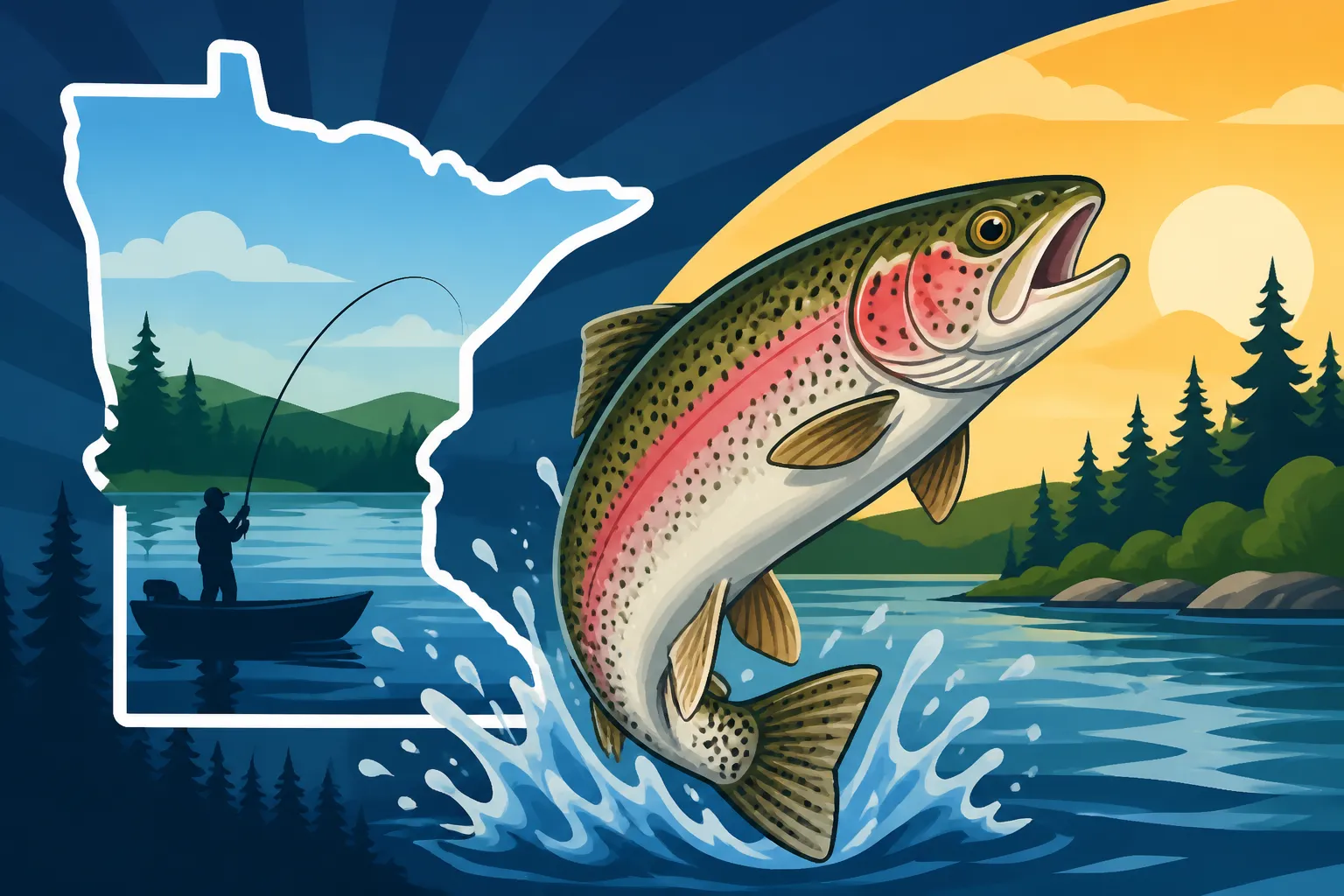
- Rainbow Trout: These are arguably the most popular and widely stocked trout. Known for their vibrant colors and aggressive fighting style, Rainbows are often stocked as catchable-sized fish, providing immediate action. They adapt well to various lake environments and are a favorite among anglers due to their willingness to strike a variety of baits and lures.
- Brook Trout: Identified by their distinctive worm-like markings (vermiculations) and red spots, Brook Trout are native to some of Minnesota's colder streams but are also stocked in certain lakes. They prefer colder, highly oxygenated water and can be a bit more finicky, offering a rewarding challenge.
- Brown Trout: Often more elusive and larger-growing than their rainbow or brook cousins, Brown Trout are known for their golden-brown hue and red/orange spots. They can be found in a few select stocked lakes, often reaching impressive sizes. They are highly sought after for their wary nature and strong fight.
It's also worth noting that while less common in stocked lakes, you might find Lake Trout in some of Minnesota's deeper, colder natural lakes. However, the focus of the stocked lake program is typically on the stream-dwelling trout species. For more on general trout fishing, check out our guide on Trout Fishing in Minnesota: Streams & Lakes The DNR website often provides details on which species are stocked in specific lakes.
Stocking Schedules and Fish Size
The DNR's stocking schedules are crucial for anglers. Lakes are typically stocked in the spring and fall, when water temperatures are most favorable for trout survival and growth. Spring stockings often coincide with the Stream Trout Season & Limit in Minnesota, releasing catchable-sized fish that provide immediate gratification. Fall stockings often involve smaller fingerlings, allowing them to grow throughout the winter and spring, providing larger fish for the following season.
It's not uncommon for lakes to receive multiple stockings throughout the year, especially those with high fishing pressure. The size of stocked fish can vary, from small fingerlings (a few inches) to "trophy" sized trout (15+ inches). Knowing when and what size fish were last stocked can help you tailor your gear and tactics. For example, fresh spring stockings often mean aggressive fish that will hit nearly anything, while later in the season, they might become more selective.
Top Stocked Trout Lakes Across Minnesota: Your Go-To List
Minnesota boasts a fantastic array of stocked trout lakes, spread across different regions, ensuring that most anglers are within a reasonable drive of a prime spot. While specific lakes can change based on DNR management and current conditions, here are some perennial favorites and excellent choices to consider.
Metro Area Gems: Trout Fishing Close to Home
Even within the bustling Twin Cities metro area, you don't have to travel far to find excellent trout fishing. These urban and suburban lakes offer convenient access for a quick outing.
- Lake Elmo (Washington County): This large, popular lake is a consistent producer of Rainbow Trout. It's easily accessible and well-maintained, offering plenty of shore fishing opportunities and non-motorized boating. Stocked multiple times a year, it's a fantastic spot for both bait and lure fishing. The surrounding Lake Elmo Park Reserve provides a beautiful backdrop, making it a great destination for a family day.
- French Regional Park Pond (Hennepin County): Nestled within a busy park, this pond provides surprisingly good trout action. It's a smaller, more intimate setting, perfect for kids or a quick fishing trip. Rainbow Trout are regularly stocked here, and its calm waters make it ideal for float fishing or light spinning gear.
- Gilfillan Lake (Sibley County): A bit west of the immediate metro but still very accessible, Gilfillan is known for its strong Rainbow Trout population. It's a deeper lake with good water quality, providing a healthy environment for the trout to thrive. It offers both shore access and a boat launch.
Southern Minnesota's Hidden Coldwater Havens
While the Driftless Area is famous for its streams, Southern Minnesota also holds several productive stocked trout lakes that offer unique angling experiences.
- Lake Zumbro (Olmsted County): While primarily a warm-water fishery, Lake Zumbro receives stockings of Rainbow Trout in its deeper, colder sections. It’s a larger reservoir, offering space for boating and exploring different depths. Targeting trout here often requires heavier gear and a boat to reach the colder thermocline where trout prefer to linger, especially in warmer months.
- Beaver Lake (Stearns County): Located near the city of St. Cloud, Beaver Lake is a consistent trout producer. It's relatively small and easy to navigate, making it a pleasant spot for a leisurely fishing trip. Regularly stocked with Rainbows, it offers good opportunities for shore anglers and those with small boats.
- Clear Lake (Waseca County): Another strong contender in Southern Minnesota, Clear Lake benefits from consistent DNR stockings of Rainbow Trout. It's a popular choice for locals and visitors alike, known for its clear waters and decent trout growth rates.
Northern & Central Minnesota's Pristine Trout Waters
As you head north, the waters get colder and the landscapes wilder, offering some truly outstanding trout fishing in lakes known for their clarity and natural beauty.
- Lake Superior Tributaries (North Shore): While not "stocked lakes" in the traditional sense, many of the rivers flowing into Lake Superior, like the Brule and Temperance, receive stockings of Steelhead (Rainbow Trout) and Brown Trout. These offer riverine trout fishing which, while different from stillwater lakes, are a major draw. Our guide on Steelhead on Minnesota's North Shore covers these phenomenal opportunities.
- Many "Designated Trout Lakes" in BWCA/Superior National Forest: The Boundary Waters Canoe Area Wilderness and the surrounding national forests contain numerous small, deep lakes managed exclusively for trout. These often require a portage and a sense of adventure but can reward anglers with spectacular fishing for Brook, Rainbow, and even some native Lake Trout. Lakes like Gillis Lake or West Pike Lake are known for offering a more wilderness trout experience. If you're looking for an unforgettable trip, exploring Boundary Waters (BWCA) Fishing Guide would be a great next step.
- Lake Louise (Hubbard County): Tucked away in the north-central region, Lake Louise is a designated trout lake that consistently produces quality Rainbows. It's a relatively quiet lake, perfect for those looking to escape the crowds. Good boat access and shore fishing make it angler-friendly.
Here's a quick comparison of some of these excellent stocked trout lakes:
| Lake Name | Region | Primary Species Stocked | Notable Features | Best Access |
|---|---|---|---|---|
| Lake Elmo | Metro | Rainbow Trout | Large, popular, park amenities | Shore, Non-motorized boat |
| French Regional Park Pond | Metro | Rainbow Trout | Small, calm, very accessible, family-friendly | Shore |
| Gilfillan Lake | Central/Metro Edge | Rainbow Trout | Deeper, good water quality | Shore, Boat |
| Lake Zumbro | Southern | Rainbow Trout | Large reservoir, deeper sections hold trout | Boat |
| Beaver Lake | Central | Rainbow Trout | Smaller, easy navigation | Shore, Boat |
| Clear Lake | Southern | Rainbow Trout | Clear water, consistent stockings | Shore, Boat |
| Gillis Lake (BWCA) | Northern (BWCA) | Brook, Lake Trout | Wilderness experience, requires portaging | Canoe/Portage |
| Lake Louise | North-Central | Rainbow Trout | Quiet, beautiful setting, good growth | Shore, Boat |
Essential Gear and Effective Tactics for Stocked Trout
Catching stocked trout doesn't require a fortune in gear, but having the right setup and understanding a few key tactics can dramatically improve your success rate. These fish are often eager biters, making them ideal targets for practicing different techniques.
Rods, Reels, and Line Choices
For stocked trout, a lightweight setup is usually best, allowing for sensitive feel and enjoyable fights.
- Rod: A light to ultralight spinning rod, typically 5 to 6.5 feet in length, with a fast or moderate-fast action, is perfect. This allows for casting lighter baits and lures, and the sensitivity helps detect subtle bites. Brands like St. Croix or Fenwick offer excellent options without breaking the bank.
- Reel: Pair your rod with a small spinning reel (e.g., 1000-2000 series) that balances well. Look for smooth drag and consistent line retrieve.
- Line: 4-6 lb monofilament or fluorocarbon line is usually ideal. Mono offers good stretch and knot strength, while fluorocarbon is nearly invisible underwater and has less stretch for better sensitivity. A clear or low-visibility line is always a good choice. Some anglers will use a main line of 6 lb braid with a short 4-6 lb fluorocarbon leader for maximum sensitivity and strength.
When it comes to Best Gear for Stream Trout Fishing in Minnesota, remember that lighter is almost always better for these fish.
Baits, Lures, and Flies that Produce
Stocked trout are often accustomed to pellet food from hatcheries, but they quickly adapt to natural forage and artificial offerings.
- Live Bait:
- Worms: Simple earthworms or nightcrawlers are trout magnets. Fished under a small bobber or on the bottom, they are incredibly effective.
- Minnows: Small fathead minnows or shiners can entice larger, more aggressive trout.
- PowerBait/Dough Bait: These scented, artificial baits (like Berkley PowerBait) are a staple for stocked trout. Mold them around a small hook, allow them to float off the bottom, or suspend them under a bobber. They come in a rainbow of colors; experiment to see what works best on a given day.
- Artificial Lures:
- Spinners: Classic inline spinners like Mepps or Panther Martin are deadly. Retrieve them steadily, varying your speed to find the sweet spot. Silver, gold, and brass blades with colorful dressings are popular.
- Spoons: Small casting spoons such as Kastmasters or Little Cleos can imitate fleeing baitfish. Their wobbling action is irresistible to hungry trout.
- Small Crankbaits: Tiny crankbaits in natural baitfish patterns or bright colors can also be effective, especially for more active trout.
- Flies (Fly Fishing): If you're a fly angler, stocked trout lakes offer excellent opportunities.
- Streamers: Woolly Buggers or similar patterns imitate minnows and leeches, great for active fish.
- Nymphs: Pheasant Tail and Hare's Ear nymphs fished under an indicator or slowly stripped can fool more wary fish.
- Dries: When trout are rising to insects, small dry flies like Adams or Caddis patterns can be thrilling. For a deeper dive into fly fishing tactics, our article on How to Catch Stream Trout: Nymphs & Dries is a great resource.
Effective Fishing Techniques for Stocked Trout
- Still Fishing with Bait: This is a tried-and-true method, especially for beginners. Cast your bait (worm, PowerBait) with a small split shot or bottom weight, and either let it sit on the bottom or suspend it under a bobber. Watch for subtle bites.
- Casting and Retrieving Lures: Actively working spinners or spoons can cover more water and trigger reaction strikes. Experiment with retrieve speeds and depths until you find what the trout prefer.
- Trolling (where allowed): On larger lakes, slow trolling with small crankbaits or spinner rigs can be effective, especially if you're targeting deeper-holding fish.
- Ice Fishing: Many stocked trout lakes remain open for ice fishing. Jigging small spoons, tungsten jigs tipped with wax worms or plastics, or deadsticking a minnow under a bobber can be very productive. Remember to check local regulations for ice fishing specific rules, such as How Many Lines Can You Use Ice Fishing in Minnesota?
If you're planning a trip to one of these lakes and want local insights or guide services, platforms like FishingBooker can be a great resource to connect with experienced anglers who know the local waters and trout patterns intimately. They often have guides specializing in various trout techniques.
Navigating Regulations and Practicing Responsible Trout Angling
Fishing for trout in Minnesota, whether in a stream or a stocked lake, comes with specific rules and regulations designed to protect the fishery and ensure its sustainability. Ignoring these can lead to fines and harm the very resource we love.
Understanding Trout Stamps and Licensing
First and foremost, remember that a trout stamp is required for anglers aged 18-64 who wish to fish in designated trout streams or lakes. This is in addition to your regular Minnesota Fishing License: Cost, Types & How to Buy (2026). The revenue from these stamps directly supports the DNR's trout management and stocking programs, so it's an investment in the future of trout fishing. Our guide, Do You Need a Trout Stamp in Minnesota?, offers a detailed explanation. Always ensure your license and stamp are current before heading out.
Daily Limits and Size Restrictions
Trout lakes often have specific daily bag and possession limits, which can sometimes differ from general statewide regulations or stream regulations. These limits are designed to spread the catch among anglers and prevent overharvesting of stocked fish. For example, a common daily limit for stream trout (including those in lakes) might be 5 fish, with a possession limit of 10. However, specific lakes may have special regulations, such as minimum size limits or protected slots, particularly if they are managed for larger, trophy-sized trout. Always consult the current Minnesota Fishing Regulations handbook or the DNR website for the lake you plan to visit. Understanding Minnesota Fishing Limits: Bag & Possession (2026) is crucial for all species.
Catch and Release Best Practices
While many stocked trout lakes are "put-and-take" fisheries, practicing proper catch and release is still vital, especially for larger or wilder trout you might encounter.
- Minimize Handling: Handle the fish as little as possible.
- Wet Hands: Always wet your hands before touching a fish to protect its slime coat.
- Barbless Hooks: Consider using barbless hooks to facilitate easy release and reduce injury.
- Quick Release: Unhook the fish quickly while it's still in the water if possible.
- Revive: If a fish is lethargic, hold it gently in the water, facing upstream (or moving it back and forth in still water) until it swims away under its own power.
These practices contribute to the overall health of the fishery and ensure that future generations can enjoy these incredible resources. When you're planning your angling adventure, remember that services like FishingBooker not only help you find guides but also provide valuable information on local conservation efforts and regulations.
Maximizing Your Stocked Trout Lake Experience
Beyond the basics, there are a few extra tips that can help you get the most out of your trips to Minnesota's stocked trout lakes.
Timing Your Visit for Optimal Success
- Early Season (Spring Opener): The initial weeks after the trout opener, especially after a fresh stocking, are often some of the most productive. The fish are eager and haven't seen much pressure. This is a great time to experiment with different lures and baits.
- Late Season (Fall Stockings): Fall stockings provide a second surge of active fish. The cooler water temperatures make trout more energetic, and the vibrant autumn foliage makes for a beautiful fishing backdrop.
- Weather Conditions: Overcast days or periods just before a storm can often trigger a strong bite. Trout can also be active early in the morning and late in the evening during warmer months.
- DNR Stocking Reports: Check the Minnesota DNR website for recent stocking reports. Knowing when a lake was last stocked can give you a significant advantage. Freshly stocked fish are often disoriented and hungry.
Locating Trout in Lakes: Reading the Water
Trout, especially Rainbows, are often found cruising near the surface or along the shoreline, particularly in cooler temperatures. However, they are also drawn to structure and deeper, cooler water when the surface warms up.
- Shoreline Edges: Look for submerged weeds, fallen trees, or rocky points near the shore. These provide cover and ambush points for trout.
- Drop-offs: Areas where the lake bottom quickly descends are prime locations. Trout will often hold along these contours, darting into shallower water to feed.
- Inlets/Outlets: Any feeder creeks or springs can bring in cooler, oxygenated water, attracting trout.
- Aerators: Some lakes have aeration systems to prevent winterkill or improve water quality. These can create currents and oxygenated areas that attract fish.
- Bottom Structure: Use a fish finder or even just a depth map to identify humps, reefs, or other underwater features where trout might congregate.
Remember, trout are visual predators with excellent eyesight, so presentation matters. Light leaders, small swivels, and matching your bait/lure to the local forage (if applicable) can make a big difference. Best Seasonal Pattern for Rainbow Trout in Minnesota often involves targeting cooler water and active periods.
What to Do with Your Catch: From Lake to Table
One of the great joys of catching stocked trout is taking them home for a delicious meal. Rainbow Trout, in particular, are renowned for their mild, flaky white flesh.
- Keep Them Cold: If you plan to keep your fish, dispatch them humanely and get them on ice immediately. This preserves their freshness and flavor. A cooler with ice is essential.
- Filleting vs. Pan-Dressing: Smaller trout are excellent pan-dressed (cleaned, head and tail removed, cooked whole). Larger trout can be filleted.
- Simple Preparation: Trout are fantastic simply pan-fried with butter, lemon, and herbs, or baked in foil. Their flavor is delicate, so simple preparations often highlight it best.
- Sustainability: Adhering to bag limits ensures that everyone gets a chance to enjoy the harvest and that the DNR's stocking efforts are maximized for angler benefit.
Many anglers view these stocked trout lakes as a fantastic opportunity for consistent action and a rewarding meal, balancing the challenge of wild trout fishing with the reliability of a managed fishery.
Disclaimer
Fishing regulations and conditions in Minnesota can change. Always consult the official Minnesota Department of Natural Resources (DNR) website or the current fishing regulations handbook before heading out on any fishing trip. This guide is for informational purposes only and should not be considered a substitute for official DNR publications.