Lake Osakis Fishing Report & What’s Biting
Oh, Lake Osakis! It's one of those gems in Central Minnesota that, while not always in the spotlight like a Mille Lacs or Leech, consistently offers up some fantastic fishing. But let's be honest, trying to get a clear, up-to-date picture of what's actually biting on any given lake can feel like a game of telephone. You hear snippets, rumors, and conflicting reports, leaving you more confused than when you started. That's why I'm here to cut through the noise and give you the real lowdown on the Lake Osakis fishing report, covering everything from seasonal patterns to the best spots and tactics for what's currently active.
Getting to Know Lake Osakis and Its Fishery
Before we dive into what fish are currently biting, it's always a good idea to understand the lake itself. Lake Osakis, nestled in both Douglas and Todd counties, isn't just a pretty face; it's a diverse body of water that supports a robust fishery. Knowing its unique characteristics helps you predict where fish might be and why they're behaving a certain way.
Lake Osakis Overview: Size, Depth, and Key Species
Lake Osakis spans roughly 6,300 acres, making it a sizable lake with plenty of room to explore. It's relatively shallow on average, with a maximum depth of around 70 feet, but much of its acreage is considerably shallower. This diverse depth profile, combined with various bottom compositions, creates a multitude of habitats for different fish species. The lake features extensive weed lines, hard bottom areas like gravel and rock, and some excellent mud flats, all of which are crucial for a successful day on the water.
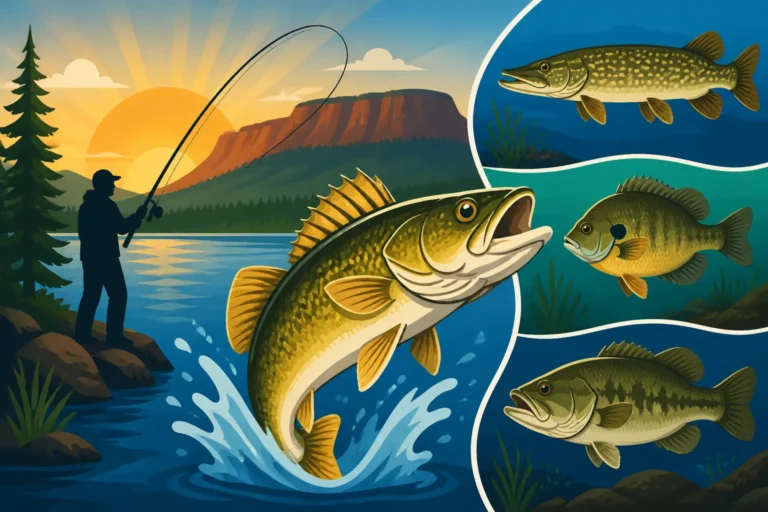
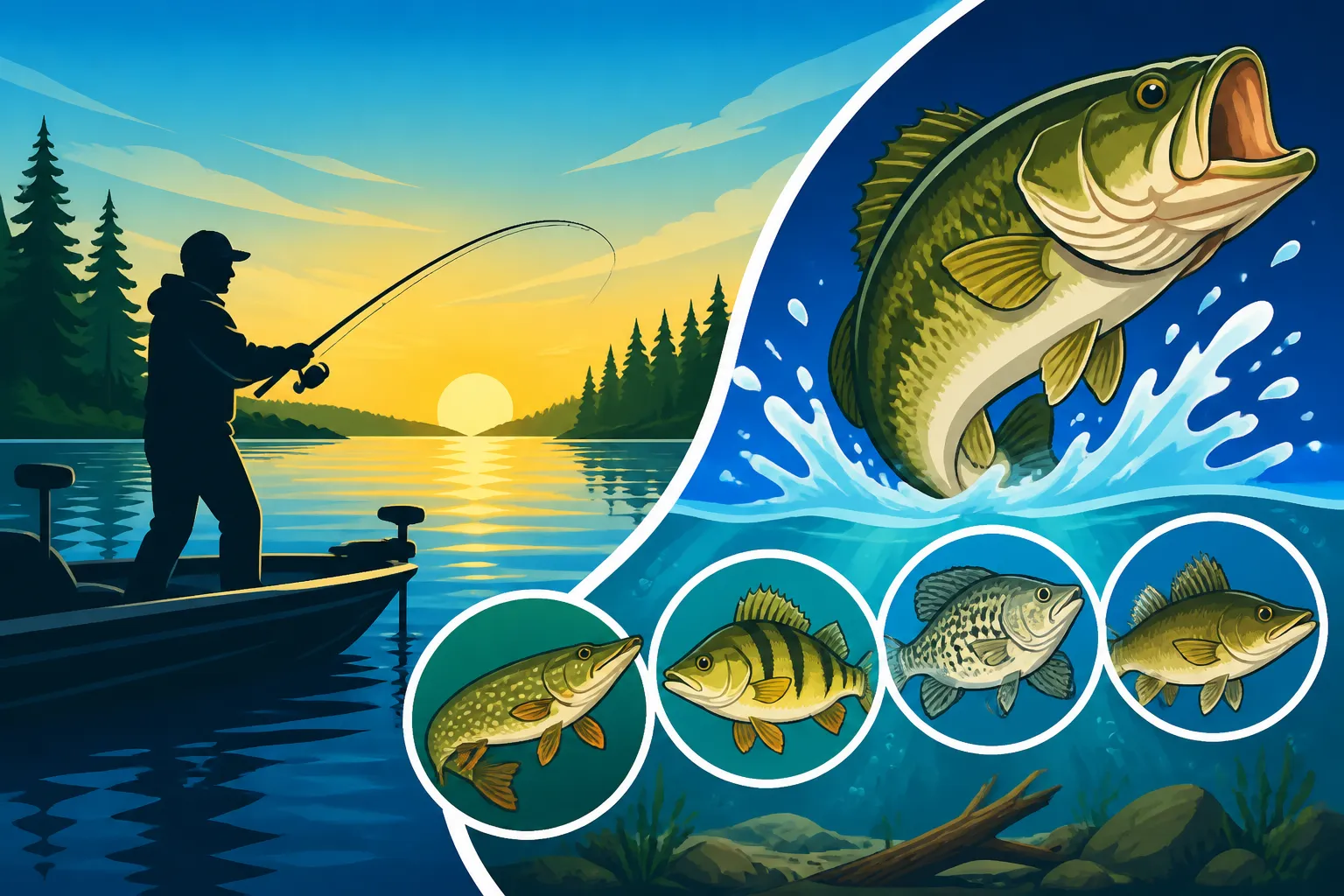
You'll find a healthy population of several popular Minnesota species here. Walleye are undoubtedly a primary draw, but Lake Osakis is also known for its strong numbers of Black Crappie, Bluegill, and some truly respectable Northern Pike and Largemouth Bass. You'll even encounter Yellow Perch, which can be a fun target and excellent forage for those bigger predators. The Minnesota Department of Natural Resources (DNR) actively manages the lake, with regular stocking efforts for walleye, ensuring the fishery remains strong for generations of anglers.
Unique Characteristics Affecting Fishing
What really sets Lake Osakis apart and often dictates fishing success are its specific features. First, those sprawling weed lines aren't just scenery; they're vital fish highways and ambush points. Different types of weeds, from sparse coontail to thick cabbage, will hold fish at different times of the year. Understanding these weed edges and pockets is paramount, especially for crappies, bluegills, and bass.
Secondly, the lake has a good mix of hard bottom areas. These rocky reefs and gravel points often hold baitfish, which in turn attract hungry walleyes and pike. The lake also has a few distinct basins and mud flats, which become crucial during the warmer months when fish seek out cooler, deeper water or follow schools of cisco and perch. Keep an eye on your electronics for subtle depth changes and baitfish schools when exploring these open water areas. Factors like wind direction and intensity can also drastically change how fish position themselves on these structures, often pushing baitfish (and therefore predators) to the wind-blown side of a point or reef.
What's Biting on Lake Osakis Right Now: A Seasonal Look
Fishing success on Lake Osakis, like any body of water, is heavily influenced by the time of year. Fish patterns shift dramatically with water temperature, forage availability, and spawning cycles. Knowing what to expect seasonally will put you miles ahead of the game.
Spring into Summer: Post-Spawn Action and Early Bites
As the ice retreats and water temperatures begin their slow climb in spring, the fishing on Lake Osakis really begins to heat up. The walleye opener, which typically falls around mid-May, is a much-anticipated event. During this time, walleyes are often shallow, recovering from their spawn, and actively feeding on emerging insect hatches and small minnows. Look for them on shallow breaklines, points, and near incoming water sources. Classic techniques like jigging with a lively fathead minnow or slowly trolling shallow-running crankbaits can be incredibly effective. Don't forget to check out our guide on the Minnesota Fishing Seasons & Opener Dates for precise timing.
Crappies and sunfish also become incredibly active in spring. As water temperatures push into the 50s and 60s, these panfish will move into shallower, protected bays and weed beds to spawn. This is prime time for sight-fishing for big slabs of crappies and fat bluegills. Small jigs tipped with plastics or a wax worm under a bobber are deadly. Many anglers planning a trip will consult services like FishingBooker to find local guides who specialize in these early-season panfish hotspots, ensuring they hit the lake during peak action.
Mid-Summer Patterns and Deep Water Tactics
Once summer truly sets in and water temperatures soar, fish patterns on Lake Osakis shift. Walleyes will often move to deeper structures, gravitating towards the cooler, more oxygenated water. This might mean fishing the deeper edges of weed lines, offshore humps, or the main lake's mud flats. Trolling with bottom bouncers and spinner rigs tipped with nightcrawlers or leeches becomes a go-to strategy, especially during midday. Early morning and late evening might still see fish pushing shallower, making casting crankbaits or even slip bobber fishing with a leech a viable option on deep weed edges. For more on this, check out our guide on how to fish a Lindy Rig for Walleye.
Panfish, especially the bigger crappies, will also follow baitfish out into deeper water, suspending over basins or relating to deeper brush piles. Finding these suspended schools requires good electronics. Once located, vertical jigging with small spoons or plastics can yield consistent bites. Bass, on the other hand, will often stick to cover like lily pads, docks, and thick weed beds, making topwater presentations or Texas-rigged worms highly effective.
Fall Turnover and Pre-Winter Feeding Frenzy
Autumn brings cooler temperatures and the phenomenon known as "turnover," where the lake's water columns mix. This can temporarily make fishing tough as fish disperse, but once the lake settles, a fierce pre-winter feeding frenzy often ensues. Walleyes will become incredibly active, fattening up for the long winter. They'll often move back to shallower breaks and points, sometimes even cruising very shallow weed edges, especially during low-light conditions. Trolling crankbaits or pitching jigs and plastics can be red hot.
Crappies and sunfish will similarly school up in predictable deeper areas, often near the entrances to bays or along deeper main lake breaklines, making them easier to target in large numbers. Northern Pike will also be on the hunt, aggressively feeding on dying baitfish, and can be caught casting large spoons or spinnerbaits along weed edges.
Winter Ice Fishing Hotspots
When Lake Osakis finally freezes over, it transforms into an ice angler's paradise. The lake is a popular destination for ice fishing, particularly for walleye and panfish. Early ice often finds walleyes still relatively shallow, relating to those same fall transition areas. As winter progresses, they'll often move to deeper humps, main lake structure, and points leading into basins. Jigging spoons like the Northland Forage Minnow or Rippin' Rap, tipped with a minnow head or a full minnow, are staples. Knowing how many lines can you use ice fishing in Minnesota is crucial for staying legal.
Crappies and sunfish are commonly found suspended over deeper basins or clinging to deep weed edges. Small tungsten jigs tipped with plastics or wax worms under a sensitive bobber are the ticket. Portable shelters from brands like Clam or Otter are common sights, allowing anglers to stay mobile and follow the bites. You can often find a good guide through FishingBooker who knows the ins and outs of specific winter hot spots and patterns.
Top Species and Effective Techniques for Lake Osakis
Let's get down to the specifics of targeting the most popular fish on Lake Osakis. Each species has its nuances, and understanding them will greatly improve your catch rates.
Walleye Wonders: Cracking the Code
Walleyes are arguably the most sought-after fish on Lake Osakis. Their delectable fillets and challenging nature make them a prime target. Success often hinges on understanding their light sensitivity and preferred forage.
- Jigging: This is a perennial favorite, especially during the spring and fall. A 1/8 to 1/4 ounce jig head, tipped with a lively shiner or fathead minnow, is deadly on breaklines and points. Vary your jigging cadence until you find what the walleyes prefer—sometimes a subtle lift-and-drop is all it takes, other times an aggressive snap.
- Trolling: During summer, trolling often out-produces jigging during the day. Bottom bouncers paired with spinner rigs, often called "crawler harnesses," are excellent for covering ground on mud flats and deep breaks. Crankbaits, like those from Rapala or Berkley, are also highly effective, especially during low light or when fish are suspended. Experiment with different colors and dive depths until you find the pattern. Our guide on Best Live Bait for Walleye can help you pick the perfect offering.
- Slip Bobber Fishing: This technique shines when walleyes are shallow in weeds or holding tight to specific pieces of structure. A slip bobber allows you to present a live bait (leech or minnow) at a precise depth, suspending it perfectly in the strike zone. It's a fantastic tactic for calm mornings or evenings.
Panfish Bonanza: Crappies and Sunfish
Lake Osakis offers consistent action for crappies and sunfish, making it a fantastic lake for family outings or simply enjoying steady bites.
- Crappie Tactics: Crappies love cover. Look for them around submerged brush piles, cribs, docks, and the edges of expansive weed beds. In spring, they'll be very shallow. As summer progresses, they'll often suspend over deeper water or relate to deep weed lines. Small jigs (1/32 to 1/16 ounce) tipped with a small plastic (like a tube jig or a small paddle tail) or a minnow under a slip bobber are highly effective. For ice fishing, tiny tungsten jigs are king. Want to know more? Read up on How to Use a Slip Bobber for Walleye & Crappie.
- Sunfish Strategies: Bluegills and other sunfish are abundant and aggressive. They generally prefer shallower, weedier areas than crappies. Small worm pieces, wax worms, or even tiny pieces of corn on a small hook under a bobber are simple yet effective. Fly fishing with small poppers or wet flies can also be a blast for these feisty fighters.
Northern Pike & Bass Action
While walleye and panfish often steal the show, Lake Osakis provides excellent opportunities for Northern Pike and both Largemouth and Smallmouth Bass.
- Northern Pike Prowess: Pike are the aggressive ambush predators of Lake Osakis. They lurk in and around weed beds, waiting for an unsuspecting meal. Large spoons (Dardevle, Johnson Silver Minnow), spinnerbaits, and even large crankbaits are excellent choices for casting. For ice fishing, tip-ups with large shiner minnows are a classic way to target these toothy critters. Just be mindful of the Northern Pike Limits by Zone.
- Bass Fishing: Largemouth Bass in Lake Osakis are typically found in the thickest cover – lily pads, reeds, fallen trees, and dense weed mats. Topwater lures like frogs or poppers are exciting in the mornings and evenings, while Texas-rigged or Carolina-rigged worms and jigs worked through cover are effective during the day. Smallmouth Bass, while less prevalent than largemouth, can be found on rockier points and humps in the main lake, responding well to tubes, drop shots, and small crankbaits.
Navigating Lake Osakis: Finding the Sweet Spots
Understanding the lake's layout and where to focus your efforts can save you hours of aimless searching. Lake Osakis has several well-known areas that consistently hold fish throughout the year.
Key Structures and Depth Zones
Knowing the prime real estate on Lake Osakis is critical. Here are some general areas and structures to keep an eye on:
- The Main Lake Basin: This deeper central area, particularly its edges and any subtle humps or depressions, is a key walleye highway, especially in summer and winter. It's where you'll often find suspended crappies too.
- Weed Flats and Edges: The expansive weed beds on the north and south ends of the lake, as well as those extending from points, are crucial. The inside and outside edges of these weeds are prime for panfish, bass, and pike. Walleyes will also relate to the deeper outside edges.
- Rocky Points and Reefs: Hard bottom structures like Miller's Point, Battle Point, and various unnamed reefs and humps are walleye magnets, particularly during periods of active feeding. These areas typically hold baitfish, which attracts predators.
- Shallow Bays: Bays like Battle Point Bay and the smaller bays along the shoreline are excellent early season panfish spots and bass havens throughout the summer.
When you're out there, pay attention to your boat's electronics. Modern fish finders from brands like Humminbird or Lowrance can reveal subtle changes in bottom composition, depth, and most importantly, show you where the baitfish and predatory fish are holding. If you're planning a guided trip to explore these spots, looking up local charters on FishingBooker can connect you with experienced captains who know Lake Osakis like the back of their hand.
Shore Fishing and Public Access Points
Not everyone has a boat, and that's perfectly fine! Lake Osakis offers several options for shore anglers looking to wet a line.
- Osakis City Park: Located right in town, this park often provides decent access to the lake for shore fishing. You might find panfish and occasional smaller pike here, especially during spring and fall.
- Public Boat Launches: While primarily for boaters, public launches often have adjacent shore access that can be fished. The DNR maintains several public access points around the lake. Always be respectful of boaters and give them space.
- Resorts and Campgrounds: Many of the resorts along Lake Osakis, such as Lake Osakis Resort or Head of the Lakes Resort, offer their guests access to docks and shoreline fishing, which can be fantastic, especially for panfish. Some might also have a fishing pier. This can be a great way to experience the lake if you're planning a longer stay.
When shore fishing, focus on areas with some form of cover—docks, overhanging trees, or visible weed lines. A simple slip bobber rig with a worm or minnow can be incredibly effective for catching a variety of species.
Current Fishing Outlook on Lake Osakis
Based on typical seasonal patterns and recent reports from local bait shops and anglers, here's a general idea of what's currently active on Lake Osakis. Please remember that fishing can change day-to-day with weather shifts, so always check with a local bait shop like The Fishery in Osakis or a guide for the absolute latest conditions before heading out.
| Species | Best Time of Year | Primary Locations | Effective Baits/Lures | Current Activity (General) |
|---|---|---|---|---|
| Walleye | Spring (May-June), Fall (Sept-Oct), Mid-Winter | Breaklines, Points, Mud Flats, Humps | Minnows, Leeches, Nightcrawlers, Jigs, Crankbaits, Bottom Bouncers | High (depending on season) |
| Black Crappie | Spring (Apr-May), Early Summer, Mid-Winter | Shallow Bays, Weeds, Suspended over Basins | Small Jigs, Plastics, Minnows, Wax Worms | High (depending on season) |
| Bluegill | Spring (May-June), Early Summer, Mid-Winter | Shallow Weeds, Docks, Lily Pads | Worms, Wax Worms, Small Jigs, Flies | High (depending on season) |
| Northern Pike | Spring (May-June), Fall (Sept-Oct) | Weed Edges, Shallow Bays, Points | Spoons, Spinnerbaits, Large Minnows (tip-ups) | Moderate to High (seasonal) |
| Largemouth Bass | Summer (June-Aug) | Thick Cover, Lily Pads, Docks | Topwater, Soft Plastics, Jigs | Moderate to High (summer) |
| Yellow Perch | Year-round | Weed Edges, Flats, Drop-offs | Worms, Small Minnows, Tungsten Jigs | Consistent (seasonal peaks) |
Always remember that fish are constantly on the move, and their behavior can be influenced by recent weather, barometric pressure, and even moon phases. A little local knowledge goes a long way, so don't be shy about asking questions at the bait shop or consulting online forums for the most recent updates on Lake Osakis fishing reports.
Whether you're after a trophy walleye, a mess of panfish for a fish fry, or just a relaxing day on the water, Lake Osakis holds plenty of potential. Just make sure you're up to date on all the Minnesota Fishing Limits: Bag & Possession for the species you're targeting.
Disclaimer
Please note: Fishing conditions, regulations, and fish behavior can change rapidly. This guide provides general information and best practices based on typical seasonal patterns and general knowledge of Lake Osakis. Always consult the most current Minnesota DNR fishing regulations before heading out, and verify local conditions with bait shops or guides for the most accurate, up-to-the-minute information.