Best Seasonal Pattern for Rainbow Trout in Minnesota
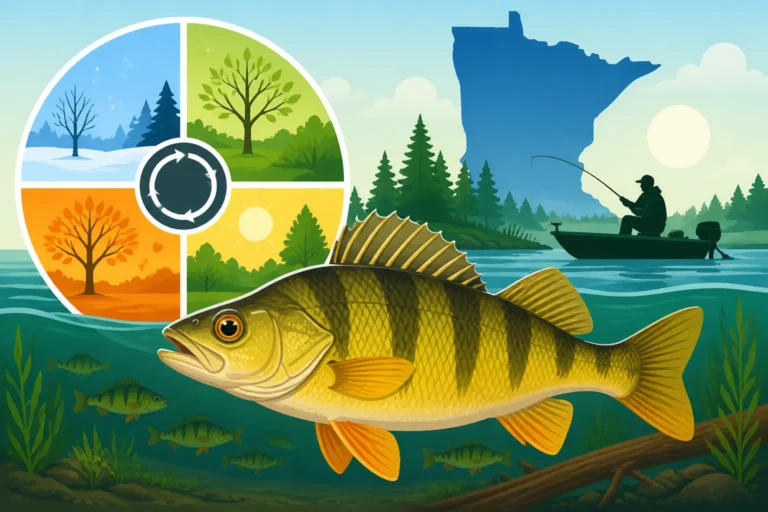
It’s easy to get discouraged when you head out expecting great rainbow trout action in Minnesota, only to find the fish seemingly vanished. The truth is, rainbow trout, like all fish, are incredibly sensitive to their environment, and their behavior changes dramatically with the seasons. Understanding the best seasonal pattern for rainbow trout in Minnesota is key to unlocking consistent success and transforming frustrating outings into rewarding experiences on the water.
Why Seasonal Patterns Matter for Rainbow Trout
Rainbow trout are a captivating species, known for their vibrant colors and spirited fights, but they're also masters of adaptation. Unlike some other Minnesota species, rainbows are often found in very specific habitats — either cold, clear streams or cooler, oxygen-rich stocked lakes. These environments are constantly in flux, dictated by everything from air temperature and precipitation to sunlight hours and insect hatches. If you try to fish them the same way in July as you do in April, you’re likely to be disappointed. Recognizing these shifts allows you to anticipate where trout will be, what they'll be eating, and what presentation will tempt them. It's about thinking like a trout, understanding their needs for survival, and then presenting your offering accordingly.
Spring: The Awakening and the Spawning Run
Spring in Minnesota, as the ice recedes and the landscape comes alive, signals a period of high activity for rainbow trout. This season presents some of the most consistent and exciting fishing opportunities, especially for those targeting stream-dwelling rainbows.
Early Spring Thaw and Post-Winter Recovery
Once the ice is off the lakes and the snowmelt begins to feed the streams, rainbow trout are often hungry and eager to feed. After a long winter of potentially reduced activity and limited food sources, their metabolism ramps up as water temperatures rise from the icy depths. In early spring, streams like those along the North Shore or in the Driftless Area of Southeast Minnesota swell with snowmelt, providing fresh oxygen and flushing new food into the system. Trout will often hold in slower currents, eddies, and behind structure, conserving energy while waiting for easy meals. Look for them in areas where the current slows down, like the inside bends of rivers, or behind larger rocks and fallen trees. They’re usually less picky about presentations this time of year, making it a great time for both bait and artificial lure anglers.
For those fishing stocked lakes, the early spring thaw means trout that have been under the ice all winter suddenly have access to the entire water column. They'll cruise shallow areas, particularly near inflows or areas with some residual weed growth, searching for newly available insect larvae or small minnows. This is a fantastic time for shore anglers, as trout often move close to banks to feed.
Pre-Spawn and Spawning Activity
While many rainbow trout in Minnesota are sterile (triploids) and won't spawn, wild or naturally reproducing populations and some diploid hatchery strains will exhibit spawning behaviors. For stream-dwelling rainbows, this typically occurs in late spring or early summer, when water temperatures are consistently in the mid-40s to low 50s Fahrenheit. Trout will move upstream into shallower gravel beds to lay eggs. During this period, their focus shifts from feeding to reproduction, but they can still be aggressive and territorial. Targeting these fish requires a respectful approach; avoid disturbing spawning redds (nests), and consider catch-and-release to protect future generations. However, pre-spawn fish will feed heavily to build energy reserves, making them prime targets. Egg patterns, small stonefly nymphs, and even brightly colored wet flies can be effective near spawning grounds. It's crucial to be aware of specific regulations, as some areas may have closed seasons or catch-and-release only rules during the spawn. You can find detailed rules regarding the Stream Trout Season & Limit in Minnesota on the DNR website.
Summer: The Quest for Cold Water
As Minnesota summers heat up, rainbow trout fishing can become more challenging, especially in lakes and streams that lack significant cold-water refuges. Trout are cold-water species, thriving in water temperatures generally below 65°F. Anything consistently above that can stress them, making them lethargic and less willing to feed.
Finding Thermal Refuges in Lakes
In stocked lakes, rainbow trout will retreat to the coolest, most oxygenated parts of the water column. This usually means deeper water, often near a thermocline – the layer where water temperature changes rapidly. Anglers targeting lake trout in summer often need a boat with a fish finder to locate these specific depths. Look for areas with springs, deep points, or underwater humps that offer cooler water. Trolling small spoons or crankbaits at depth, or still-fishing with live bait like worms or corn suspended just above the thermocline, can be effective. Early morning and late evening bites are often the most productive, as trout may briefly move shallower to feed under lower light conditions.
Navigating Warm Water in Streams
Stream trout face similar challenges. As stream temperatures rise, they will seek out cold-water pockets. These can be found near the mouths of cold feeder creeks, under significant bank overhangs, in deep pools with groundwater seepage, or in areas with dense riparian vegetation that provides shade. Fishing during the hottest parts of the day can be unproductive and even detrimental to the fish, as warm water reduces oxygen levels and increases stress, making successful release difficult. Many ethical anglers choose to avoid fishing for trout altogether in streams when water temperatures exceed 68°F. If you do fish, focus on the cooler parts of the day (dawn/dusk) and employ quick catch-and-release techniques. Fly anglers might switch to terrestrial patterns like grasshoppers or beetles, or deeply fished weighted nymphs, while spin anglers might use tiny spinners or spoons. For more specialized tactics, check out guides like How to Catch Stream Trout: Nymphs & Dries.
Fall: The Prime Time for Feeding and Growth
Autumn is, without a doubt, one of the most rewarding seasons for rainbow trout fishing in Minnesota. As air temperatures drop and water temperatures cool, trout become incredibly active, feeding heavily in preparation for the upcoming winter. The cooling water also brings increased oxygen levels, invigorating the fish.
Aggressive Feeding Before Winter
The moderate water temperatures of fall, typically in the 50s and low 60s, are ideal for rainbow trout. They’ll be cruising both shallow and deeper waters with renewed vigor, actively chasing down baitfish and gorging on insect hatches. This is when trout put on weight, and they can be incredibly aggressive. In streams, look for them in classic holding lies: riffles, runs, and the heads and tails of pools. They’ll be more spread out and less concentrated in thermal refuges than in summer. Large streamers, weighted nymphs, and even small crankbaits are highly effective in streams.
On stocked lakes, fall is a fantastic time for boat and shore anglers alike. Trout will often move shallower, especially during overcast days, to feed on minnows and aquatic insects. Trolling spoons or stickbaits, casting small jerkbaits, or using a slip bobber rig with a minnow or a cluster of wax worms can produce excellent results. The cooler water means trout fight harder, making for truly memorable battles. When planning your trips, researching general information about Trout Fishing in Minnesota: Streams & Lakes can help you find prime locations.
Fall Spawning Runs (Where Applicable)
While spring is the primary spawning season for many rainbow trout, some strains (like the Kamloops strain found in Lake Superior tributaries) may exhibit fall or winter spawning. These runs into North Shore rivers can offer spectacular, albeit sensitive, fishing opportunities. Fish will stack up at river mouths and move upstream as water levels and temperatures allow. Similar to spring, egg patterns and aggressive streamers can be very effective for these fish. Respectful angling practices are paramount during these times to ensure the sustainability of these unique fisheries.
Winter: Ice Fishing and Coldwater Challenges
Winter transforms Minnesota's fishing landscape into a hardwater paradise, and while rainbow trout aren't the primary target for all ice anglers, they offer a unique challenge and reward, especially in stocked lakes. Stream fishing for trout in winter requires a different approach entirely.
Ice Fishing for Stocked Rainbows
Many smaller Minnesota lakes are stocked specifically for winter ice fishing. These lakes often offer reliable action for rainbows once the ice is safe. Trout will generally suspend in the water column, often not far from the bottom but sometimes higher if there’s a food source or good oxygen. The key here is finesse. Small jigs, often tipped with a wax worm, a tiny piece of Gulp! bait, or a maggot, are incredibly effective. Ultra-light rods and reels with light line (2-4 lb test) are essential for detecting subtle bites. Electronics like a Vexilar or Humminbird flasher can be a game-changer for locating these suspended fish and understanding their reactions to your presentation. You can find a vast array of specialized ice fishing gear, including flashers and ultra-light tackle, on Amazon. Look for lakes specifically managed by the Minnesota DNR as "stream trout lakes" or "designated trout lakes" for the best ice fishing opportunities. Knowing How Many Lines Can You Use Ice Fishing in Minnesota? is also vital for staying legal and maximizing your chances.
Stream Fishing Under the Ice and Snow
Fishing for rainbow trout in streams during winter is a true dedication. Many streams will be partially or fully iced over, and access can be challenging. However, open stretches of water, especially those with warmer groundwater inflows or strong currents that prevent freezing, can hold active trout. These fish will be less aggressive than in fall but still feedOpportunistically. Deep pools, slow runs, and areas with overhead cover become crucial holding spots. Finesse is key here, too. Tiny nymphs drifted naturally, micro-jigs, or even small pieces of natural bait presented slowly can entice a bite. It’s vital to dress warmly, prioritize safety on slippery banks, and be prepared for harsh conditions.
Key Factors Influencing Rainbow Trout Behavior
Understanding why rainbows behave the way they do across seasons means knowing the environmental triggers. These factors are constantly interacting and influencing where trout position themselves and what they're willing to eat.
Water Temperature
This is perhaps the single most critical factor for rainbow trout. Their optimal feeding and activity range is typically between 45-65°F.
- Too Cold (below 40°F): Metabolism slows significantly. Fish are lethargic, bites are subtle, and they often hold in deeper, more stable water.
- Optimal (45-60°F): Peak activity. Fish are aggressive, feeding heavily, and found throughout varied habitats.
- Too Warm (above 68°F): Stress increases, oxygen levels decrease. Fish seek thermal refuges, become less active, and can be easily harmed by catch and release. This is especially important for areas like the Driftless Area Trout Streams Southeast Minnesota, where summer temperatures can climb.
Oxygen Levels
Cold water holds more dissolved oxygen than warm water. This is why trout struggle in warm conditions. Good oxygenation is vital for their survival and activity. Riffles, rapids, and areas with current are naturally well-oxygenated. In lakes, oxygen can stratify, with deeper, cooler water sometimes becoming anoxic (lacking oxygen) in late summer. Trout will locate areas with both cool temperatures and sufficient oxygen.
Forage Availability
Trout are opportunistic feeders. Their diet changes with the season as different insect hatches occur, minnow populations move, and terrestrial insects fall into the water.
- Spring: Emerging insect larvae (midges, stoneflies, caddis), sculpins, and opportunistic feeding on eggs.
- Summer: Terrestrial insects (grasshoppers, ants, beetles), caddis, mayflies, small minnows.
- Fall: Baitfish (shiners, dace), larger aquatic insects, and anything they can pack away for winter.
- Winter: Aquatic invertebrates, small minnows, fish eggs. Matching the hatch or knowing what natural forage is available will significantly increase your success.
Weather and Water Clarity
Beyond temperature, other weather factors play a role.
- Rainfall: Can increase stream flows, affecting clarity and pushing new food sources into the water. Heavy rains can make fishing difficult due to high, turbid water. Light rains can spark hatches.
- Sunlight: Trout are often more active under low light conditions (overcast days, dawn, dusk) when they feel less exposed to predators. Bright, sunny days often push them into deeper, shadier holding lies.
- Water Clarity: Clear water often requires lighter lines and more natural presentations. Stained water allows for heavier lines and more aggressive lure colors.
Best Gear and Tactics by Season (Brief Overview)
While a full gear guide is a topic for another day, here’s a quick glance at common setups. For a comprehensive look at what to bring, consider checking out Best Gear for Stream Trout Fishing in Minnesota.
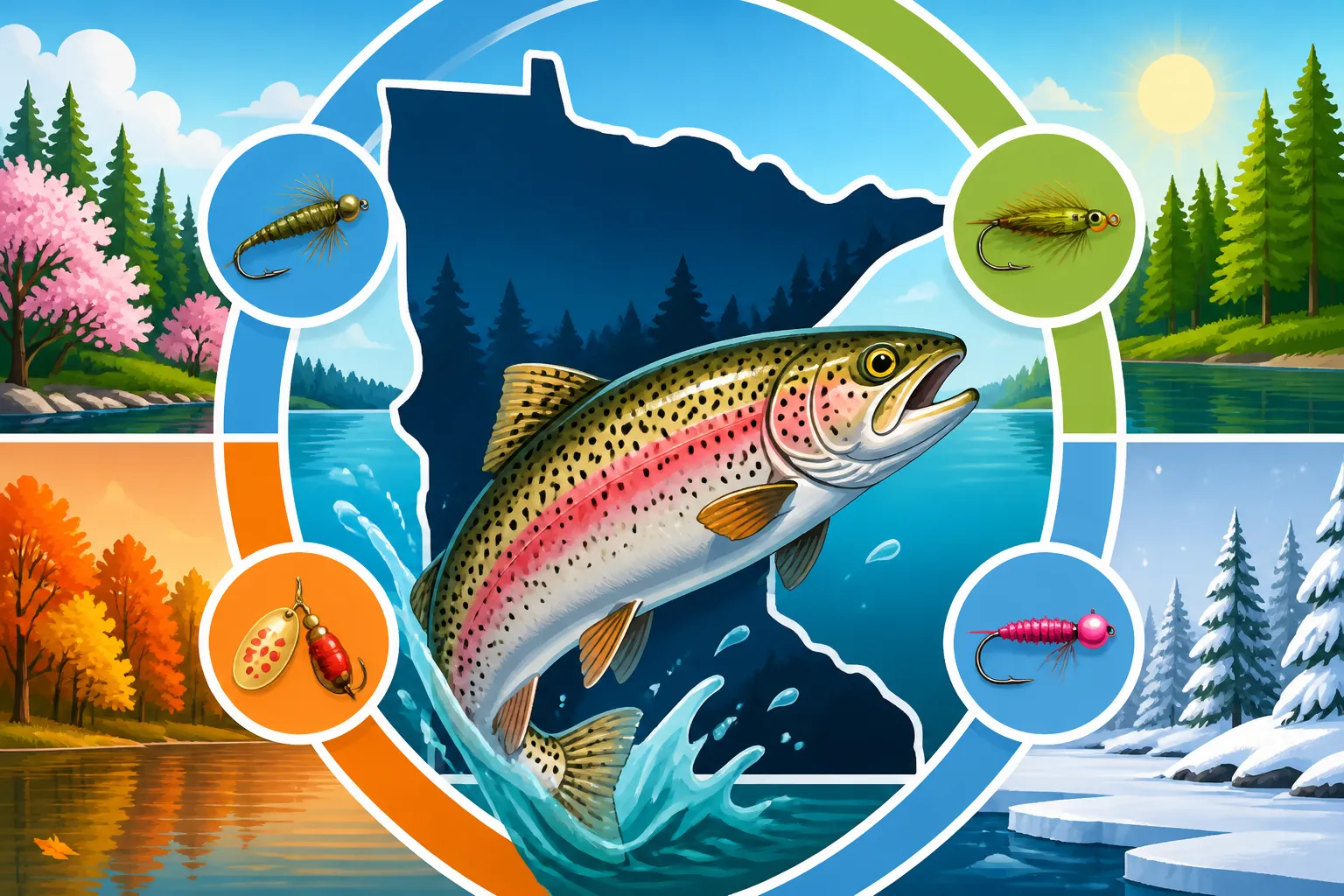
| Season | Primary Location Types | Recommended Gear/Tackle | Key Tactics |
|---|---|---|---|
| Spring | Stream riffles, runs, lake shallows, river mouths | Light spinning rods (6' – 7'), 4-6lb line, fly rods (3-5 wt) | Nymphs, small spinners, worms, streamers, small spoons |
| Summer | Deep lake thermocline, shaded stream pools, cold feeder creeks | Ultra-light spinning, fly rods, trolling setups | Terrestrials, tiny spinners, deep trolling, small jigs |
| Fall | Stream runs & pools, lake drop-offs & points | Light-medium spinning (6'6" – 7'6"), 6-8lb line, fly rods | Larger streamers, egg patterns, crankbaits, spoons, minnows |
| Winter | Stocked lake basins (ice fishing), open stream stretches | Ultra-light ice rods (24"-30"), 2-4lb line, ultra-light spinning | Micro-jigs, wax worms, maggots, tiny spoons, small tubes |
Specific Minnesota Rainbow Trout Waters
Minnesota boasts diverse rainbow trout opportunities, from the rugged North Shore to the serene Driftless Area.
North Shore Streams
The rivers flowing into Lake Superior, like the Knife River, Lester River, and Baptism River, are famed for their anadromous (migratory) rainbow trout, often called "Steelhead." These fish spend most of their lives in Lake Superior and run upstream to spawn. Spring and fall are prime times to target them. These waters are often challenging, with strong currents and rocky bottoms. Anglers here often use longer rods for better line control and focus on drift fishing with spawn bags, beads, or large nymph patterns.
Driftless Area Streams
In southeastern Minnesota, the "Driftless Area" offers a network of spring-fed, cold-water streams perfect for stream trout, including rainbows. Rivers like the Root River, Whitewater River, and Hay Creek are popular. These streams are characterized by clear water, diverse insect life, and beautiful rolling topography. Fly fishing with dry flies, nymphs, and small streamers is incredibly popular here. The smaller, more intimate nature of these streams makes them perfect for wading anglers. For a truly immersive experience, consider exploring Fly Fishing the Driftless Area A Beginner's Guide.
Stocked Lakes Across the State
Beyond the famous streams, the Minnesota DNR actively stocks hundreds of lakes across the state with rainbow trout. These lakes provide accessible fishing, especially for families and those looking for consistent action. Many are smaller, designated trout lakes, often managed with special regulations to preserve their populations. Good examples include some of the deeper lakes in the Brainerd Lakes Area or within state parks. Check the DNR's specific lake pages for stocking reports and special regulations before you go. This is often where you can find excellent opportunities for Ice Fishing for Walleye Tactics & Setups – but for rainbows!
Disclaimer
Fishing regulations, seasons, and limits can change annually. Always consult the most current Minnesota Department of Natural Resources (DNR) fishing regulations booklet or website before heading out on the water. This guide is for informational purposes only and should not replace official DNR publications.