Ten Mile Lake Fishing Report & What’s Biting
It can be incredibly frustrating to plan a fishing trip to a new lake, or even a familiar one, and feel completely in the dark about what the fish are actually doing. You spend hours researching, packing the right gear, and driving all the way there, only to wonder if your bait is even going to see a bite. That gnawing uncertainty can really take the fun out of it. This guide is here to cut through that noise for Ten Mile Lake, offering you a realistic look at what's biting, seasonal patterns, and the practical tips you need to make your next outing a success.
Understanding Ten Mile Lake's Unique Fishery
Ten Mile Lake, nestled in Cass County near Hackensack and Walker, Minnesota, isn't just another pretty face on the map; it's a truly exceptional fishery with a personality all its own. This lake is famous, or perhaps infamous, for its incredibly clear water and impressive depths. When you look down into that water, you can often see your lure disappearing into the blue a good 10-15 feet down, which is a rare sight in many Minnesota lakes. This clarity and depth dictate a lot about how the fish behave and, consequently, how we anglers need to approach them. It’s a challenge, but a rewarding one.
Key Species You'll Find
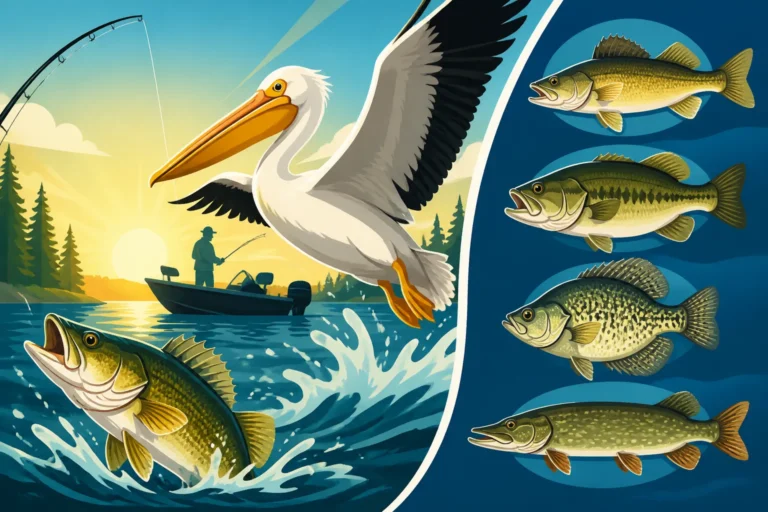
When you drop a line into Ten Mile Lake, you're entering a diverse aquatic ecosystem. The star of the show for many is undoubtedly the walleye. These golden-sided beauties thrive in Ten Mile’s clear, deep environment, growing to impressive sizes. But they are far from alone. You'll also find a healthy population of northern pike, some of which can be absolute monsters, lurking in the weed edges and deeper transitions.
Smallmouth bass fishing here is phenomenal, especially on the rocky points and humps, and they fight like crazy. Largemouth bass also inhabit the shallower, weedier bays. For those who love panfish, black crappie and bluegill offer plenty of action, often schooling up in suspend in the mid-water column or relating to structure. Don't be surprised to encounter muskie, the true fish of 10,000 casts, as Ten Mile is a known muskie lake, and even cisco (tullibee), which are a crucial forage base for the larger predators and a sign of a healthy, deep-water ecosystem. Understanding what each species prefers will be key to your success here.
Lake Characteristics that Influence Fishing
Ten Mile Lake spans approximately 5,000 acres, but its most defining characteristic is its incredible depth, plunging over 200 feet in some areas. This makes it one of Minnesota's deeper lakes. The clear water, while beautiful, means fish are often more light-sensitive and can retreat to deeper, darker water during bright daylight hours, especially walleye. The abundant deep structure—steep breaks, rocky humps, and expansive mud flats—becomes crucial for locating fish.
The lake's forage base is also influenced by its characteristics. The deep, cold water supports a robust population of cisco, which are a primary food source for trophy walleye, northern pike, and muskie. This means larger, more aggressive baits mimicking cisco can be very effective. During different seasons, particularly in spring and fall, these fish might move shallower, but generally, Ten Mile Lake demands a willingness to explore deeper water and adapt to its unique clarity.
Current Fishing Report for Ten Mile Lake (What's Biting Right Now)
Trying to pin down an exact "current" fishing report for a specific future year like 2026 is tricky, as conditions change daily with weather, water temperature, and fish behavior. However, based on typical patterns for a clear, deep-water lake like Ten Mile, we can extrapolate what you're likely to find biting and where, depending on the season. The fish here follow predictable movements driven by forage, spawning, and temperature. What's biting today might be different next week, but the type of structure and general depth for each species usually holds true.
Walleye: Depths, Baits, and Techniques
Walleye are the main draw on Ten Mile, but they can be finicky due to the clear water. During the main open water season (late spring through fall), you'll often find them relating to the deep breaks, humps, and points. Early mornings, late evenings, and overcast days are prime times when they might push shallower, into 10-20 feet. During bright daylight, don't be afraid to target them in 25-40 feet, or even deeper, especially if there's a thermocline present. They'll often suspend over deeper water, following schools of cisco.
When it comes to baits, live bait rigs shine. A classic Lindy Rig with a lively leech, nightcrawler, or shiner minnow fished slowly along deep breaks is a consistent producer. You'll want to experiment with snell lengths; sometimes a longer snell (6-8 feet) allows the bait to present more naturally in the clear water. Jigging with a 1/4 to 3/8 oz jig tipped with a minnow or a soft plastic can also be effective, especially on humps. For trolling, crankbaits that dive to appropriate depths, like Rapala Deep Tail Dancers or Berkley Flicker Shads, can cover water and entice those suspended walleye. Understanding How to Fish a Lindy Rig for Walleye could be a game-changer on this lake.
Northern Pike: Aggressive Bites and Locations
Northern pike are abundant in Ten Mile Lake, and you can catch plenty of "hammer handles" (smaller pike) along with some truly impressive specimens. These toothy predators are less affected by the clear water than walleye and are usually found relating to cover and structure. Look for them along the edges of weed beds in 8-15 feet of water, especially where weeds meet deeper breaks. Rocky points and submerged timber can also hold good numbers of pike.
Pike are aggressive, so don't be shy with your presentations. Large spinnerbaits, like a Northland Bionic Bucktail or a classic Johnson Silver Minnow spoon, are excellent choices for covering water. Trolling large crankbaits, spoons, or even big jerkbaits around structure can also trigger strikes from bigger pike. If you're targeting trophy pike, consider using larger sucker minnows under a bobber near known pike hangouts. When the ice forms, Ice Fishing for Northern Pike (Tip-Ups) becomes a popular and effective method. Just remember to use a steel leader to prevent bite-offs!
Bass and Panfish: Seasonal Hotspots
Ten Mile Lake offers excellent opportunities for both smallmouth and largemouth bass, and panfish like crappie and bluegill are plentiful. Smallmouth bass thrive in the clear, rocky environments characteristic of Ten Mile. Target them on main lake points, rocky reefs, and steep drop-offs in 10-25 feet of water. Tube jigs, drop-shots, and Ned Rigs are incredibly effective, mimicking the crayfish and baitfish they feed on. On calm mornings, topwater presentations over rocky areas can provide explosive strikes. Check out Best Smallmouth Bass Fishing Tactics in Minnesota for more detailed approaches.
Largemouth bass are typically found in the shallower, weedier bays and pockets, especially those with reeds, lily pads, or submerged timber. Spinnerbaits, Texas-rigged worms, and frog patterns are ideal for these areas. For crappie and bluegill, look for them suspending over deeper water near structure, or in shallower bays with good weed growth. Crappie often hang around submerged trees or brush piles. A small jig tipped with a plastic or a minnow, fished under a slip bobber, is usually all you need. Sometimes, they can be found schooling in deeper basins, making a fish finder invaluable. During the cold months, How to Catch Crappie Through the Ice in Minnesota is a fantastic read for targeting these tasty panfish.
Seasonal Fishing Patterns on Ten Mile Lake
Fishing on Ten Mile Lake isn't a static affair; it's a dynamic dance with the seasons. Each phase of the year brings its own set of challenges and rewards, influencing where fish are, what they're eating, and what techniques will yield the best results. Understanding these seasonal shifts is fundamental to consistently putting fish in the boat, or on the ice.
Spring Opener Excitement
The Minnesota fishing opener is an almost sacred time, and on Ten Mile Lake, it usually means targeting walleye and northern pike fresh off their spawn. As the ice melts and water temperatures begin to rise, fish become active and hungry. Early in the season, walleye often hang near shallower spawning grounds before retreating to deeper areas. Look for them on wind-blown shorelines, sandy flats adjacent to deeper water, and the shallow ends of points in 8-15 feet. Jigs tipped with shiner minnows or fatheads are deadly during this time, often pitched from a boat into shallower water.
Northern pike are also very active post-spawn, often cruising shallow bays and weed lines, making them accessible to anglers. Casting spoons, spinnerbaits, or even shallow-diving crankbaits can result in explosive strikes. The water is still cold, so presentations should be a bit slower than in summer, but the fish are less pressured and more willing to bite. This is also a great time to review the statewide regulations, including Minnesota Fishing Seasons & Opener Dates (2026), to ensure you're fishing legally.
Summer Structure Fishing
Once summer truly sets in and water temperatures peak, Ten Mile Lake's clear water sends many fish species deeper. Walleye will relate heavily to the deep-water structure: humps, main lake points that drop into significant depths, and extensive mud flats. They'll often be found in 20-40 feet of water, sometimes even suspending over deeper basins if there's a good thermocline and baitfish schools are present. Trolling crankbaits with leadcore line or employing bottom bouncer rigs with crawler harnesses become go-to strategies for covering these vast areas. On specific humps, vertical jigging with a jigging rap or a live bait rig can be very effective.
Smallmouth bass will also be found on main lake points and rocky reefs, but often deeper than in spring, sometimes 15-30 feet down. Largemouth bass will stay in the weedier bays, but might pull into slightly denser cover or seek out shade during the brightest parts of the day. Panfish will often suspend in schools over deeper water, making a good fish finder indispensable. You can book a local guide through platforms like FishingBooker to help you decipher these summer patterns on Ten Mile, especially if you're new to the lake.
Fall Turnover and Feeding Frenzies
Fall on Ten Mile Lake is a magical time for anglers. As water temperatures drop, the lake undergoes "turnover," a process where the surface water cools, becomes denser, and sinks, mixing with the deeper water. This can temporarily disrupt fishing as fish disperse. However, once turnover is complete, often in late September to mid-October, a feeding frenzy ensues. Fish are keenly aware that winter is coming and are packing on the pounds.
Walleye move shallower, often found in 15-25 feet, congregating on main lake points, sunken islands, and gravel flats. Big shiner minnows become the bait of choice, either on a jig or a slip bobber. Northern pike and muskie are incredibly active, aggressively feeding on large baits along weed lines and points. This is when some of the biggest fish of the year are caught. Crappie also form large schools and can be found suspending in predictable patterns, offering fantastic action. This intense feeding window is a highlight of the year.
Ice Fishing Opportunities
When Ten Mile Lake freezes over, a whole new world of fishing opens up. Ice fishing is hugely popular, and the lake offers fantastic opportunities for walleye, northern pike, crappie, bluegill, and perch. Walleye often congregate on main lake humps and breaks, sometimes moving into shallower depths during low light periods. Jigging spoons tipped with a minnow head or a full minnow on a deadstick rig are classic presentations. You can learn more about Ice Fishing for Walleye: Tactics & Setups.
Crappie and bluegill will suspend over deeper basins or relate to submerged structure, often in 20-40 feet of water. Small tungsten jigs tipped with wax worms, plastics, or a euro larvae are highly effective. Northern pike can be caught on tip-ups rigged with large sucker minnows fished along deep weed edges. Remember to always prioritize safety on the ice, checking ice thickness, and being aware of Minnesota Ice Fishing & Shelter Rules.
Practical Tips for a Successful Ten Mile Lake Trip
A successful fishing trip to Ten Mile Lake goes beyond just knowing what's biting. It involves smart preparation, understanding the local nuances, and having the right tools for the job. This deep, clear lake demands a little extra thought, but the rewards are definitely worth it.
Gear Recommendations for Ten Mile Lake
Given the clear water and diverse species in Ten Mile, having a versatile tackle box is crucial. For walleye, a medium-light to medium-action spinning rod with sensitive tip is ideal for detecting subtle bites when rigging or jigging. Pair it with a good quality spinning reel spooled with 6-8 lb fluorocarbon or braided line with a fluorocarbon leader. When trolling, medium-heavy rods are necessary for handling heavier tackle and bigger fish.
For bass and pike, you'll want both spinning and baitcasting setups, depending on your preferred techniques. For pike, always use a steel or heavy fluorocarbon leader to prevent bite-offs. For panfish, ultralight spinning gear with 2-4 lb test line will maximize your fun. Given the lake's depth and structure, a reliable fish finder with good down imaging and side imaging capabilities is almost essential for locating fish and identifying key structures. Brands like Humminbird, Garmin, and Lowrance offer excellent options. You might find our guide on Best Walleye Rods & Reels useful for making your selection.
Navigating the Lake and Finding Fish
Ten Mile Lake can be intimidating with its vastness and deep contours. Don't go in blind! Invest in a detailed lake map (digital or paper) that shows depth contours, humps, points, and weed lines. Navionics and LakeMaster are excellent choices for digital mapping on your fish finder or phone app. Pay close attention to subtle changes in contour or depth that might indicate a fish-holding spot.
One of the biggest lessons on Ten Mile is that fish, especially walleye, are often found deeper than you might initially think. Don't be afraid to experiment with presentations at depths of 25-40 feet, even when you're used to fishing shallower. The clear water means fish often hold tight to structure or suspend over deeper water, so using your electronics to spot schools of baitfish or individual fish is key. Drift fishing or slow trolling can help you cover water and find active fish. If you're struggling to locate fish, consider hiring a local guide. You can often find reputable guides through services like FishingBooker who specialize in Ten Mile Lake and can quickly put you on the fish.
Local Resources and Guides
Ten Mile Lake is a popular destination, and as such, it benefits from a network of local resources. Bait and tackle shops in Hackensack and Walker, like Reeds Family Outdoor Outfitters, are invaluable for up-to-the-minute local advice, current fishing reports, and the specific baits that are working. They often have whiteboards with recent catches and hot tips.
For those looking for an immersive experience or simply to learn the lake quickly, hiring a professional fishing guide is a fantastic option. A guide who fishes Ten Mile regularly will have an intimate knowledge of seasonal patterns, hotspots, and productive techniques. This can significantly reduce the learning curve and increase your chances of a successful trip. Many guides operate through local resorts or can be found via online platforms like FishingBooker, where you can read reviews and compare services. Utilizing these local experts can transform a good trip into an unforgettable one.
Disclaimer
Fishing reports are dynamic and subject to rapid change based on weather, water conditions, and fish behavior. The information provided in this guide is based on typical seasonal patterns and general lake characteristics and should be used as a guideline. Always consult the most current Minnesota Department of Natural Resources (DNR) regulations and local bait shop reports before heading out on the water. Stay safe and enjoy your time on Ten Mile Lake!