Lake Osakis Fishing
There’s nothing quite like planning a fishing trip to a new lake, but sometimes the sheer volume of information (or lack thereof) can feel more overwhelming than exciting. You might be wondering about the best spots, what’s biting, or if it’s even worth the drive to Lake Osakis when so many other famous Minnesota waters beckon. This guide is here to cut through the noise, offering you a veteran angler’s perspective on how to tackle Lake Osakis, from its hidden gems to the most effective techniques, ensuring your next outing is a success.
Lake Osakis at a Glance: Understanding Your Fishing Grounds
Lake Osakis is a true gem in west-central Minnesota, nestled primarily in Douglas County with a small portion extending into Todd County. It's one of those lakes that might not always grab the headlines like Mille Lacs or Winnie, but it consistently produces excellent fishing opportunities, especially for panfish and walleye. For many locals, it's a go-to spot that offers a real slice of classic Minnesota angling.
Geographic Features and Bottom Composition
Lake Osakis covers a respectable 6,389 acres, making it large enough to explore for days but not so vast that it feels intimidating. Its maximum depth hovers around 70 feet, but much of the lake is considerably shallower, averaging around 17-20 feet. This diverse depth range creates a lot of fantastic structure for fish to inhabit. You’ll find a mix of bottom compositions here: areas of sand and gravel are common, especially on points and along the shorelines, providing ideal spawning grounds for certain species. As you move into deeper water or calmer bays, you’ll encounter muck and soft bottom, often accompanied by lush weed growth.
What makes Osakis truly interesting are its prominent structural features. The lake boasts several islands, such as the large, well-known Battle Island, and numerous humps and reefs that rise sharply from the deeper basins. These underwater structures are natural magnets for fish, especially walleyes, crappies, and perch. Additionally, there are plenty of points extending into the lake, creating current breaks and feeding lanes that are crucial to understanding fish movement. For anglers who enjoy deciphering a lake map, Osakis offers a rewarding challenge with its varied contours and habitat.
Water Clarity and Aquatic Vegetation
The water clarity in Lake Osakis can vary throughout the season, but it generally falls into the mesotrophic category, meaning it’s productive with moderate clarity. It’s not crystal clear like some northern lakes, nor is it extremely turbid. This moderate clarity often provides excellent conditions for walleye fishing, as they thrive in waters with a bit of stain or chop that diffuses light.
Aquatic vegetation is a significant component of the Lake Osakis ecosystem, playing a vital role in providing habitat and food for fish. You’ll find extensive beds of various emergent and submerged plants, including wild rice in some shallower bays, cattails along the shore, and diverse weeds like coontail, pondweed, and milfoil growing in depths up to 15-20 feet, depending on light penetration. These weed lines are critical fishing spots, particularly for largemouth bass, northern pike, and panfish like crappies and bluegills. Understanding how to fish these weed edges effectively is key to consistent success on Osakis. During the summer months, these weeds can grow quite dense, sometimes requiring specific tactics or equipment to navigate and fish effectively.
Targeting the Trophy: Popular Fish Species in Lake Osakis
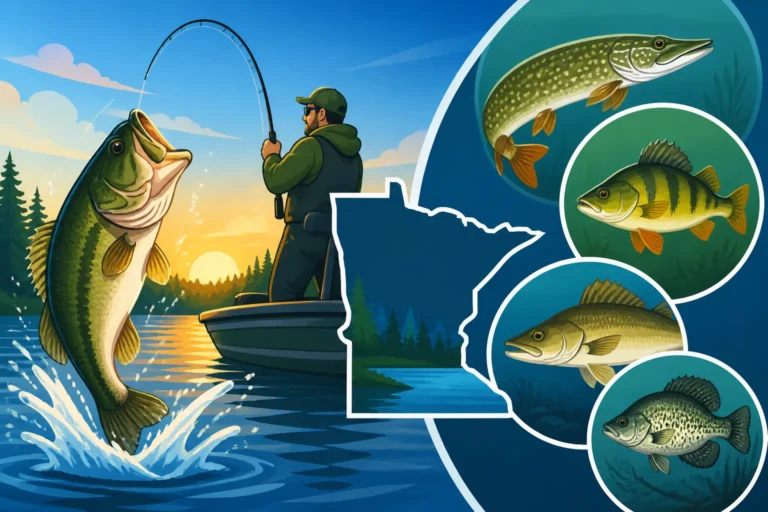
Lake Osakis is a multi-species angler's dream, offering a diverse array of fish that keep rods bending year-round. While some lakes might be known for one or two particular species, Osakis holds a strong reputation for several, making it a versatile destination for any fishing enthusiast.
Walleye: The King of Osakis
If there’s one fish that draws anglers to Lake Osakis like a magnet, it’s the walleye. While not always producing massive trophy fish, Osakis is known for a healthy population of eater-sized walleyes, with plenty of opportunities to catch fish in the 15-20 inch range. The lake's varied structure and abundant forage base make it an ideal walleye habitat. They typically congregate around the deeper humps, points, and transition zones where soft bottom meets hard bottom.
Anglers often find success targeting walleyes during the prime low-light hours of dawn and dusk, or even into the night during warmer months. Understanding Walleye Fishing Techniques: Complete Minnesota Guide will be incredibly helpful here. During the open water season, classic tactics like Lindy rigging with live bait (leeches, minnows, or nightcrawlers) are incredibly effective, especially when drifted over subtle breaks or along the edges of weed lines. Trolling with crankbaits is another popular and productive method, particularly covering larger flats or points. When the ice comes, Osakis remains a popular ice fishing destination, with many anglers finding success jigging spoons or deadsticking with shiner minnows.
Panfish: Crappie and Bluegill Bonanza
For sheer numbers and consistent action, the panfish populations in Lake Osakis are hard to beat. Crappies and bluegills are abundant, providing fantastic fishing for anglers of all skill levels, and they’re often the main target for families and those looking for a delicious fish fry. The lake has a reputation for producing good numbers of crappies, sometimes even "slab" sized fish, alongside very respectable bluegills.
Crappies often suspend in open water over deeper basins or relate to submerged timber and dense weed edges. Early morning and late evening are often prime times, especially when they move shallower to feed. Light tackle, small jigs tipped with plastics or live minnows, and slip bobbers are all highly effective. For more specific guidance, check out Crappie & Panfish Fishing Techniques. Bluegills are typically found in shallower, weedy bays and around docks and shoreline cover. They are often less finicky than crappies and can be caught throughout the day using small jigs, worms, or wax worms under a bobber. During the spawn, they are particularly concentrated in shallow, protected areas. Many anglers turn to services like FishingBooker to find local guides who specialize in putting clients on big numbers of panfish.
Northern Pike and Bass: Weedy Water Warriors
Lake Osakis also offers solid opportunities for northern pike and both largemouth and smallmouth bass. These predatory species thrive in the lake’s diverse habitats, providing exciting battles for anglers targeting them.
Northern pike are widely distributed throughout the lake, preferring areas with dense weed cover where they can ambush unsuspecting prey. Pike in the 20-30 inch range are common, with larger fish certainly present for those willing to put in the time. Large spinnerbaits, spoons, and jerkbaits worked along weed edges or over submerged vegetation are excellent choices. For more on identifying and targeting these toothy critters, see Northern Pike in Minnesota: Identification & Where to Catch.
Both largemouth and smallmouth bass call Osakis home. Largemouth bass are typically found in the shallower, heavily vegetated bays and around fallen trees, docks, and lily pads. Topwater lures, jigs, and Texas-rigged plastics are highly effective. Smallmouth bass, on the other hand, prefer the harder bottom areas, rocky points, and deeper humps, often overlapping with walleye habitat. Crankbaits, drop-shots, and tubes are great for smallmouths. While not a trophy bass lake like some others in Minnesota, Osakis offers consistent action and healthy populations.
Yellow Perch: An Underrated Delicacy
While not as heavily targeted as walleye or crappie, Lake Osakis holds a good population of yellow perch, particularly during the ice fishing season. These tasty panfish often school in deeper basins or along the edges of weed flats. They are an excellent bonus catch while targeting walleyes or can be specifically sought out for a delicious meal. Small jigs tipped with minnow heads or wax worms are usually all it takes to entice a hungry perch.
Here's a quick overview of the main species and where you might find them:
| Species | Primary Location | Preferred Bait/Lure (Open Water) | Preferred Bait/Lure (Ice Fishing) | Best Time of Day |
|---|---|---|---|---|
| Walleye | Humps, points, deep breaks, weed edges | Leeches, minnows, nightcrawlers, cranks | Jigging spoons, shiners, deadsticks | Dawn, Dusk, Night |
| Crappie | Suspended over basins, submerged timber, weed lines | Small jigs, minnows, plastics | Small jigs, wax worms, plastics | Dawn, Dusk |
| Bluegill | Shallow weeds, docks, lily pads, shoreline cover | Worms, wax worms, small jigs | Wax worms, plastics, panfish jigs | Mid-day |
| Northern Pike | Dense weed beds, weed edges, shallow bays | Spinnerbaits, spoons, jerkbaits | Tip-ups with large shiners | All day |
| Largemouth Bass | Heavy cover, lily pads, docks, shallow weeds | Topwater, jigs, plastics | N/A (less common ice target) | Morning, Evening |
| Smallmouth Bass | Rocky points, humps, hard bottom areas | Crankbaits, drop-shots, tubes | N/A (less common ice target) | Morning, Evening |
| Yellow Perch | Deeper basins, weed flat edges | Worms, minnow heads, small jigs | Minnow heads, wax worms, small jigs | All day |
Mastering the Waters: Techniques and Seasonal Strategies for Lake Osakis
Fishing Lake Osakis successfully often comes down to understanding the seasonal patterns of its fish and adapting your techniques accordingly. Minnesota weather and fish behavior go hand-in-hand, so being flexible and knowing what to expect throughout the year is crucial.
Spring and Early Summer: Post-Spawn Feast
The spring on Lake Osakis kicks off with the excitement of the walleye opener, typically in mid-May. After the ice melts and the water warms slightly, walleyes will have completed their spawn, and their focus quickly shifts to feeding aggressively. This is an excellent time to target them on traditional spawning grounds like rocky points and shallow gravel flats, especially during low-light conditions. Minnows are often the bait of choice, fished on jigs or under a bobber. You can learn more about specific Minnesota Fishing Seasons & Opener Dates (2026) to plan your trip perfectly.
Crappies also become very active in late spring, moving into shallower bays and emergent weeds as the water temperatures rise. This is the peak time for their shallow-water bite, often referred to as "spring crappie fishing." Look for them around fallen trees, docks, and new weed growth. Small jigs and live minnows fished under a slip bobber are incredibly effective. Bluegills will follow suit shortly after, congregating in similar shallow, protected areas for their spawn.
As early summer progresses, the weed growth explodes, creating excellent ambush points for northern pike and largemouth bass. Spinnerbaits, topwater lures, and weedless presentations become the go-to baits. Meanwhile, walleyes begin to transition to deeper main-lake structures, like humps and points, moving off the shallower spawning areas.
Mid-Summer: Deep Water and Weed Line Action
Mid-summer on Lake Osakis means warmer water temperatures and often intense sun, pushing many fish to seek refuge in deeper, cooler water or dense overhead cover. Walleyes will be found primarily on the deep side of humps, along thermoclines if present, or near the deep weed edges. Trolling crankbaits or fishing with bottom bouncers and spinner rigs tipped with nightcrawlers can be very productive during this time. Remember your Minnesota Fishing Limits: Bag & Possession (2026) so you know how many fish you can keep.
Crappies might suspend over the deepest parts of the lake during the day, making them challenging to locate without good electronics, but they'll often move to the outer edges of deep weed lines or brush piles during dawn and dusk. Night fishing can also be incredibly effective for summer crappies, as they often move shallower under the cover of darkness.
Largemouth bass will be tightly associated with the thickest vegetation, sometimes requiring punching through matted weeds to reach them. Smallmouth bass, however, will favor rocky structures and offshore humps in deeper water. Pike remain in the weeds, often in deeper pockets within the weed beds or along break lines. A key tip is to always consult the current Seasonal Fishing Patterns in Minnesota to understand how fish behavior changes with the weather and water conditions.
Fall: Aggressive Feeding and Transition
As water temperatures begin to cool in the fall, Lake Osakis fish go on a feeding frenzy in preparation for winter. This is a fantastic time for trophy-sized fish, as they are actively bulking up. Walleyes will often move shallower again, especially during cloudy days, focusing on baitfish that are also moving. Trolling crankbaits along shoreline breaks and casting jerkbaits on rocky points can be very effective. Live bait presentations, like shiner minnows on a jig or slip bobber, are also excellent choices. Finding a charter through FishingBooker can really pay off in the fall, as experienced guides know exactly where these hungry fish are hiding.
Northern pike become incredibly aggressive, chasing large spoons, jerkbaits, and even larger live bait presentations. Bass also remain active, feeding heavily before the cold truly sets in. Crappies and bluegills will typically school up in larger groups, often around deeper structures or the remaining green weed beds, making it possible to catch large numbers once you locate a school. This is a great time to experiment with different presentations to find what triggers their bite.
Winter: Ice Fishing Excitement
Lake Osakis transforms into an ice fishing mecca once the ice thickens. It’s renowned for its consistent action for walleye and panfish throughout the winter months. Walleyes can be found on humps, points, and along drop-offs into deeper water. Jigging spoons, often tipped with a minnow head, are popular, as are deadstick rods with shiner minnows. If you're new to the sport, our Ice Fishing in Minnesota: Complete Beginner-to-Pro Guide is an invaluable resource.
Crappies and bluegills are targeted in deeper basins and around submerged cover. Small tungsten jigs tipped with wax worms or plastics are deadly for panfish. Perch are often found in deeper flats or near the edge of transitions. The lake sees a lot of activity with both portable shelters and permanent ice houses, making it a lively winter destination. Knowing How to Catch Walleye Through the Ice in Minnesota specifically for lakes like Osakis can drastically improve your success. Remember, How Many Lines Can You Fish in Minnesota? regulations apply to ice fishing too, so double-check those rules.
Beyond the Boat: Access, Amenities, and Local Wisdom for Lake Osakis
Getting onto Lake Osakis and making the most of your trip involves more than just understanding the fish. Knowing the local access points, available amenities, and tapping into local knowledge can significantly enhance your experience.
Public Access and Boat Launches
Lake Osakis is very accessible, offering several public boat launches that cater to various needs. The main public access is located within the city of Osakis itself, providing ample parking and good launch facilities suitable for most recreational fishing boats. There are also a few smaller, less developed public accesses around the lake that might be better suited for smaller boats or kayaks, offering a quieter entry point. Always be mindful of the ramp conditions, especially during early spring or late fall when ice can be present.
For those without a boat, shore fishing opportunities exist, particularly in the city park areas or along some public easements. While not as extensive as boat fishing, you can still find good spots, especially for panfish. Exploring Shore & Bank Fishing in Minnesota (No Boat) can give you some great ideas for hitting the bank.
Resorts, Bait Shops, and Local Expertise
The area around Lake Osakis is well-equipped to handle anglers. You'll find a number of welcoming resorts dotted along its shores, offering everything from rustic cabins to modern accommodations, often with boat rentals, bait shops, and even guide services directly on-site. These resorts are fantastic resources for local fishing reports and real-time advice on what’s biting and where.
The city of Osakis itself provides all the necessary amenities, including grocery stores, gas stations, and tackle shops where you can stock up on the Best Live Bait for Walleye (Leeches, Minnows, Crawlers) or the latest hot lures. Don't hesitate to strike up a conversation with the staff at these bait shops; they are often local experts with invaluable insights into current lake conditions.
For those looking to maximize their time or learn the lake quickly, hiring a local fishing guide is an excellent investment. Many seasoned guides operate on Lake Osakis, specializing in walleye, crappie, or even multi-species trips. They have the knowledge, equipment, and experience to put you on fish, often teaching you techniques you can apply on future trips. Platforms like FishingBooker can help you find and book reputable guides for Lake Osakis with ease, allowing you to compare options and read reviews from other anglers. A good guide can be the difference between a frustrating day and a memorable one, especially on a new lake.
Preserving the Fishery: Catch and Release
Like many popular Minnesota lakes, Lake Osakis benefits from responsible angling practices, including selective harvest and catch-and-release. While keeping a limit of smaller walleyes or crappies for a meal is perfectly fine and encouraged to manage the fishery, consider releasing larger, breeding-size fish. These bigger fish are crucial for the long-term health and genetic diversity of the lake's populations. Practicing proper catch and release techniques, especially when handling larger walleyes or bass, ensures these fish survive to spawn again. Always be aware of the specific regulations and slot limits for Lake Osakis, as they can sometimes differ from general state rules to protect specific size classes of fish.
Disclaimer
Fishing regulations are dynamic and subject to change. Always consult the most current Minnesota Department of Natural Resources (DNR) fishing regulations booklet or website before heading out on the water. This guide provides general information and recommendations, but it is your responsibility to be aware of and comply with all applicable laws and regulations.