Pokegama Lake Fishing Report & What’s Biting
The unpredictable nature of fishing reports can be incredibly frustrating. One day, you hear the walleyes are on fire, and the next, it's crickets. This guide aims to cut through the noise, offering a comprehensive look at what you can generally expect when fishing Pokegama Lake, focusing on seasonal patterns, prime species, and proven techniques to help you plan your next successful outing.
Understanding Pokegama Lake's Unique Fishery
Pokegama Lake, nestled right by Grand Rapids in northern Minnesota, isn't just another pretty face in the land of 10,000 lakes. It's a diverse and productive fishery that offers something for nearly every angler, from those chasing trophy walleye to families looking for a steady panfish bite. Understanding its characteristics is key to unlocking its potential.
Geography and Habitat
Pokegama is a large lake, covering over 6,600 acres, with a maximum depth pushing 110 feet. This kind of size and depth means a variety of habitats, which in turn supports a diverse fish population. You'll find everything from shallow, fertile bays choked with lily pads and wild rice to rocky points, steep breaks, and deep basins. These varied structures are critical to how fish utilize the lake throughout the year. The lake's irregular shape, with numerous islands, points, and humps, provides endless opportunities for anglers to explore and find fish. Its connection to the Mississippi River also plays a role in its ecosystem, influencing water levels and fish movements.
The Grand Rapids area is known for its beautiful scenery, and Pokegama is a gem within it. The shoreline features a mix of undeveloped forest, cabins, and some public access points. Understanding these diverse environments helps in targeting specific species. For instance, northern pike and largemouth bass often relate to the extensive weed lines and shallow cover found in bays, while walleye and smallmouth bass prefer the rocky structures and deeper breaks.
Primary Game Fish Species
Pokegama Lake boasts a robust population of several popular game fish, making it a truly versatile destination. Anglers primarily target walleye, northern pike, both largemouth and smallmouth bass, and a variety of panfish, including crappie and sunfish. Each species has its own habits and preferences, which change with the seasons and water conditions.
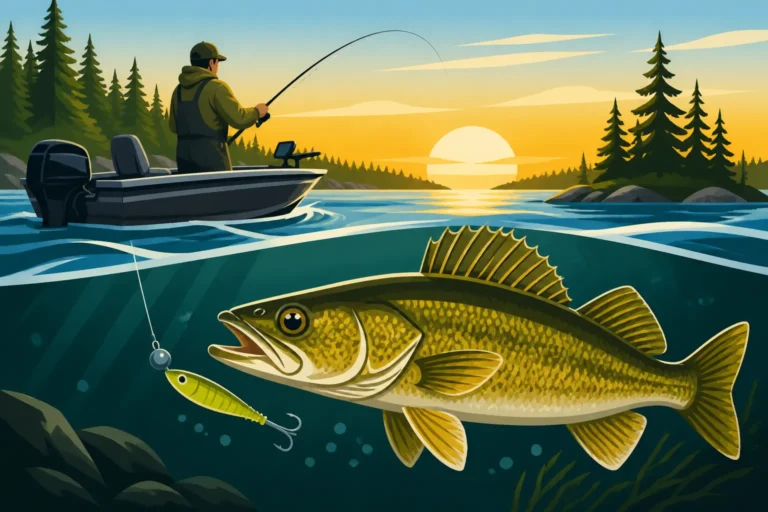
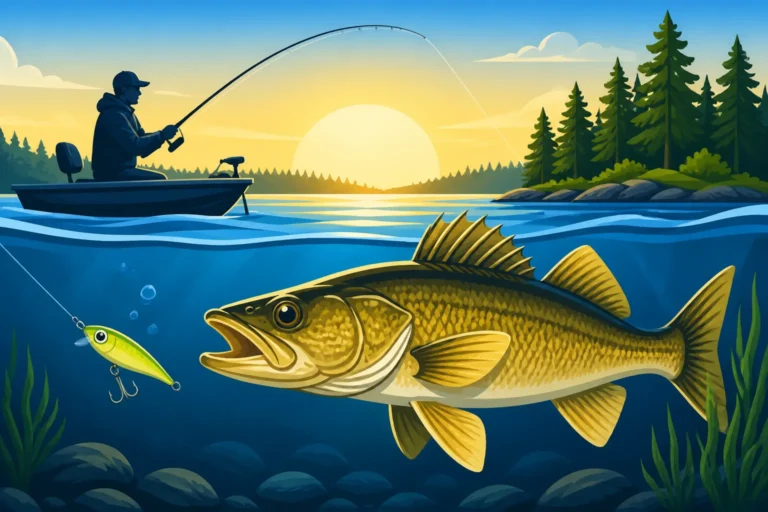
Walleyes are, of course, a prized catch in Minnesota, and Pokegama doesn't disappoint. The lake is managed to sustain a healthy population, offering consistent action for those who know where and how to look. Northern pike are abundant and can offer thrilling fights, especially the larger specimens that lurk in deeper weeds or along drop-offs. The bass fishing, particularly for smallmouth, has gained significant recognition, with anglers reporting impressive catches. And for those looking for sheer numbers and a tasty meal, the panfish populations can provide fast action, making it a great lake for beginners or families.
What's Biting on Pokegama Lake Right Now Seasonal Breakdown
Fishing on Pokegama, like any Minnesota lake, is a dynamic experience that changes significantly with the seasons. What works in May won't necessarily work in August, and understanding these shifts is crucial for success. Here's a general overview of what's typically biting and where you might find them throughout the year.
Spring Fishing Action
Ah, spring! The ice has finally melted, and everyone is itching to get their lines wet. Early spring on Pokegama, right after ice-out, is a fantastic time to target northern pike and panfish. Pike are often found in shallow, warming bays, eager to ambush anything that swims by after a long winter. Crappie and sunfish also push into these shallows, congregating in dense schools as they prepare for their spawn. Small jigs tipped with a minnow or a wax worm under a bobber can be incredibly effective during this time.
Once the highly anticipated When Is the Minnesota Walleye Opener 2026? rolls around, walleyes become the main focus. They're typically found on shallower breaks, rocky points, and river mouths after their spawn. A jig-and-minnow presentation is classic for a reason and often outperforms other baits in the cooler water. Look for them in 8-15 feet of water, particularly during low-light conditions. Bass fishing picks up as well, with smallmouth often found on rocky shorelines and points, while largemouth begin moving into emerging weed beds.
Summer Strategies
As the water temperatures rise and summer fully takes hold, fishing on Pokegama transitions to deeper patterns. Walleyes will often move to main lake humps, deep breaks, and the edges of expansive weed flats in 20-30 feet of water. Trolling crankbaits or using bottom bouncers with spinner rigs (crawler harnesses) becomes highly effective for covering water and finding active fish. Night fishing for walleye can also be incredibly productive during the warmer months, especially on calm evenings.
Northern pike, while still present in shallower weeds, will also retreat to deeper, cooler water, often suspending over basins or holding tight to the deep edges of weed lines. Casting large spoons or spinnerbaits along these edges can entice a strike. Both largemouth and smallmouth bass will be active. Smallmouth will patrol rocky structures and offshore humps, hitting anything from tube jigs to drop shots. Largemouth will be buried in dense weed cover, responding well to topwater frogs, plastic worms, and jigs fished around docks and submerged timber. Crappies might suspend over deeper water, making a slip bobber rig a great choice.
Fall Transition Bite
Fall on Pokegama Lake is often considered one of the best times to fish, particularly for trophy-sized fish. As water temperatures begin to cool, fish go on a major feeding binge to fatten up for winter. Walleyes will often move shallower again, especially during cooler, cloudy days, attacking minnow-imitating baits with aggression. They can be found on traditional fall spots like main lake points, sharp breaks, and around river channels. Jigging raps, shiver minnows, and larger minnows on a jig head become go-to presentations.
Northern pike are incredibly active in the fall, hitting large spinnerbaits, spoons, and muskie-sized baits. They're often found patrolling the edges of remaining green weeds. Bass fishing remains strong, with smallmouth bass schooling up on deeper humps and rock piles, while largemouth move closer to wood cover and the last remaining healthy weed beds. Panfish will also be concentrated, often found in deeper bays or along transition lines where weeds meet open water. This is a prime time to catch a true Minnesota trophy.
Winter Ice Fishing Hotspots
When the lake freezes over, Pokegama Lake transforms into an ice fishing paradise. It's a hugely popular destination for ice anglers from around the state. Walleyes are a primary target, and they can be found on main lake points, humps, and deep breaks, often in 20-40 feet of water. Jigging spoons like a Northland Forage Minnow or a Lindy Rattl'n Flyer Spoon tipped with a minnow head are effective, as are deadstick rigs with a whole minnow a few feet off the bottom. Remember the Minnesota Ice Fishing & Shelter Rules to stay safe and legal.
Crappies and sunfish provide consistent action throughout the ice season. They often school up in deeper basins or within large bays, suspending at various depths. Small tungsten jigs tipped with a wax worm, eurolarvae, or a small plastic tail fished under a sensitive bobber or with a spring bobber are deadly. Northern pike are also readily caught through the ice, often on tip-ups set with large shiners or suckers, fished along weed lines or break lines. Popular spots for ice fishing on Pokegama tend to be the larger, shallower bays and the more prominent main lake structures. If you're wondering how many lines you can use, remember to check How Many Lines Can You Use Ice Fishing in Minnesota? before heading out.
Key Fishing Techniques and Baits for Pokegama
Having a solid understanding of the primary fishing techniques and what baits to use will significantly increase your success on Pokegama Lake, regardless of the season. It’s not just about what’s biting, but how you fish for them.
Walleye Tactics
For walleye, versatility is key. Early in the season, after the ice recedes and during the Walleye Season & Limit in Minnesota, jigging with live bait is paramount. A classic 1/8 oz to 1/4 oz jig, tipped with a lively shiner or fathead minnow, is often all you need. Focus on subtle lifts and drops, keeping the bait just above the bottom on rocky points and shallow breaks. As the water warms, leeches and nightcrawlers become incredibly effective. You can fish them on a Lindy Rig, dragging them slowly along deeper structure, or under a slip bobber when fish are shallower or suspended.
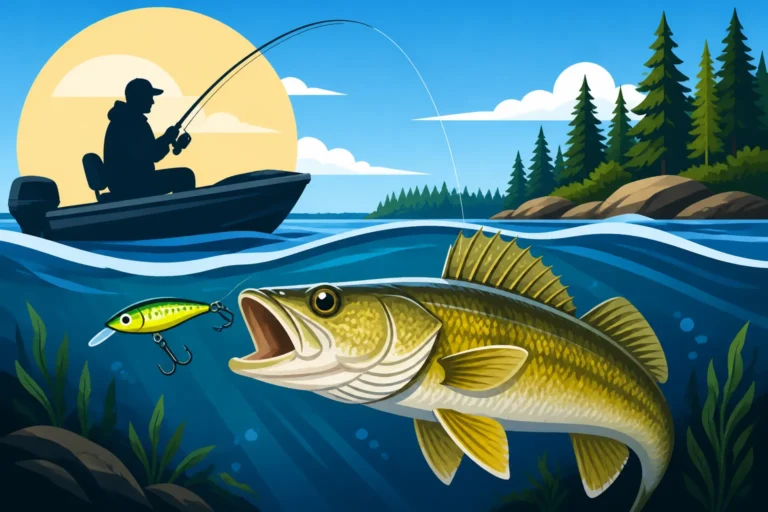
When walleyes move deeper in summer, trolling becomes a dominant strategy. Using crankbaits like Rapala Shad Raps, Berkley Flicker Shads, or Salmo Hornets at specific depths can be incredibly productive. Pay attention to your boat speed and the dive curve of your lure. Bottom bouncer rigs, paired with a crawler harness, are also fantastic for covering main lake humps and flats. For those who enjoy night fishing, casting shallow-running stickbaits or jigging spoons around lighted docks or shallow points can produce some of the biggest walleyes.
Pike and Bass Strategies
Northern pike on Pokegama are often aggressive and will hit a wide variety of lures. In spring and fall, casting spoons (like Dardevles or Johnson Silver Minnows), spinnerbaits (like a Mepps Musky Killer), and large shallow-running crankbaits in weed pockets or along edges can be highly effective. During summer, when they move deeper, spoons or larger jig-and-soft plastic combos worked near thermoclines or deep weed edges can tempt them. Trolling large crankbaits is also a proven method for larger pike.
For smallmouth bass, look for them around rocky areas, points, and humps. They're suckers for tube jigs, small grubs, drop shots, and even topwater lures like poppers and walk-the-dogs on calm mornings and evenings. Largemouth bass will be hiding in the thick cover. Flipping and pitching jigs or plastic worms into lily pads, cattails, or submerged timber is a great strategy. Texas-rigged or Carolina-rigged plastics are also excellent choices for working through vegetation. Don't forget the thrill of a topwater frog fished over matted weeds—it's explosive!
Panfish Pointers
Crappie and sunfish are abundant in Pokegama and offer excellent action, especially for families or those new to fishing. For crappies, a small jig (1/32 oz to 1/16 oz) tipped with a small minnow, a wax worm, or a tiny plastic tube under a slip bobber is a classic setup. Target them in brush piles, around docks, or over deep weed beds. In spring, they'll be in very shallow, dark-bottomed bays. In summer and winter, they often suspend over deeper basins.
Sunfish are often found in similar habitats, though they tend to relate even tighter to structure and vegetation. Small hooks tipped with a piece of crawler or a wax worm under a bobber are hard to beat. Tiny jigs, often as small as 1/64 oz, can also be used effectively, especially when fished slowly near the bottom or amidst submerged weeds. They're aggressive eaters, so once you find a school, the action can be non-stop. If you’re looking for specific tactics, check out how to master Crappie & Panfish Fishing Techniques.
Navigating Pokegama Lake: Tips for Success
Pokegama is a big lake with lots of opportunities, but like any large body of water, it can be intimidating if you're not familiar with it. Knowing how to access the lake and when to consider professional help can make all the difference.
Access and Amenities
Pokegama Lake offers several public access points, making it easy for anglers with boats to launch and get out on the water. The Minnesota Department of Natural Resources (DNR) maintains several public boat ramps, with the easiest access often found near the city of Grand Rapids. These ramps typically have ample parking and good facilities. Additionally, several resorts and private marinas around the lake offer boat launch services, bait shops, and lodging, which can be super convenient for multi-day trips.
When planning your trip, consider staying at one of the many fishing resorts that dot the shoreline. They often provide helpful local insights, boat rentals, and all the amenities you need for a comfortable stay. Before you head out, always make sure your boat and trailer are free of aquatic invasive species, as per Aquatic Invasive Species AIS Rules for Boaters, to protect Pokegama's pristine waters.
Finding a Reputable Guide or Charter
For those who are new to Pokegama or want to maximize their time on the water, hiring a local fishing guide is an excellent investment. A good guide knows the lake intimately – where the fish are hiding, what they're biting on, and the current patterns. They can provide all the necessary gear and teach you techniques specific to Pokegama's unique characteristics. This is especially true if you're targeting a specific species like walleye or muskie, which can be challenging for beginners.
If you're looking to book a guided trip, platforms like FishingBooker can connect you with experienced local captains and charters operating on Pokegama Lake. They make it easy to compare options, read reviews, and find a guide that fits your budget and fishing preferences. A guided trip can shorten the learning curve dramatically, helping you understand the lake's structure, identify hotspots, and master techniques like How to Fish a Lindy Rig for Walleye or effectively jigging for walleye. It's a great way to ensure a productive and enjoyable day on the water, turning a hopeful fishing trip into a memorable angling adventure.
Essential Gear and Electronics
While you can catch fish on Pokegama with basic gear, having some essential equipment will certainly boost your chances. For walleye, a medium-light to medium action spinning rod with 6-8 lb monofilament or fluorocarbon line is a versatile setup. Pair it with a reliable spinning reel like a Shimano Sedona or Daiwa Revros. For pike and bass, you might want a slightly heavier setup, perhaps a medium-heavy baitcasting rod for slinging larger lures. Don't forget a sturdy landing net, especially if you're targeting larger pike or bass.
In terms of electronics, a quality fish finder is almost indispensable on a lake as large and structured as Pokegama. Brands like Humminbird, Lowrance, or Garmin offer excellent units that can help you locate baitfish, identify bottom structure, and even spot individual fish. GPS capabilities are also incredibly helpful for marking productive spots and navigating the lake safely. If you're ice fishing, a good flasher like a Vexilar or a Humminbird Ice Helix will show you exactly what's happening under your hole. And, of course, a well-stocked tackle box with a variety of jigs, crankbaits, spoons, and soft plastics suitable for the target species and season is a must.
Pokegama Lake Fishing Snapshot
Here’s a quick overview of what you can expect to target on Pokegama Lake throughout the year:
| Season | Primary Target Species | Common Techniques | Go-To Baits/Lures | Notes |
|---|---|---|---|---|
| Spring | Northern Pike, Crappie, Walleye | Jigging, Bobber Fishing, Casting Spoons | Minnows, Wax Worms, Small Jigs, Spoons | Shallow bays and points warm up first. |
| Summer | Walleye, Bass (Smallmouth/Largemouth), Pike | Trolling, Bottom Bouncing, Jigging, Casting | Crankbaits, Crawler Harnesses, Jigs, Topwaters | Focus on deeper structure and weed lines. |
| Fall | Walleye, Pike, Bass | Jigging, Casting, Trolling | Minnows, Large Spoons, Jigging Raps, Jerkbaits | Fish go on a feeding frenzy before winter. |
| Winter | Walleye, Crappie, Sunfish, Pike | Ice Jigging, Deadsticking, Tip-ups | Minnows, Wax Worms, Tungsten Jigs, Spoons | Popular ice fishing destination; target humps and basins. |
Disclaimer
Fishing conditions and regulations can change frequently. Always consult the most current Minnesota DNR fishing regulations before heading out on Pokegama Lake. This guide provides general information and recommendations, but local conditions, weather, and fish behavior can vary. Stay safe and fish responsibly.