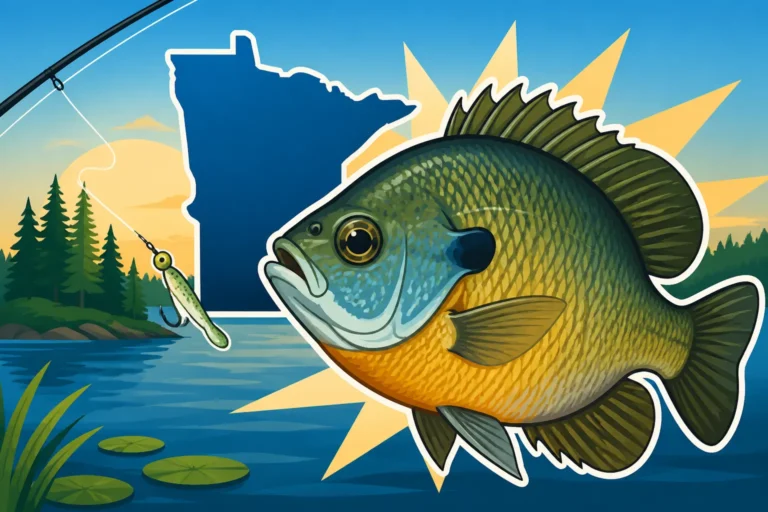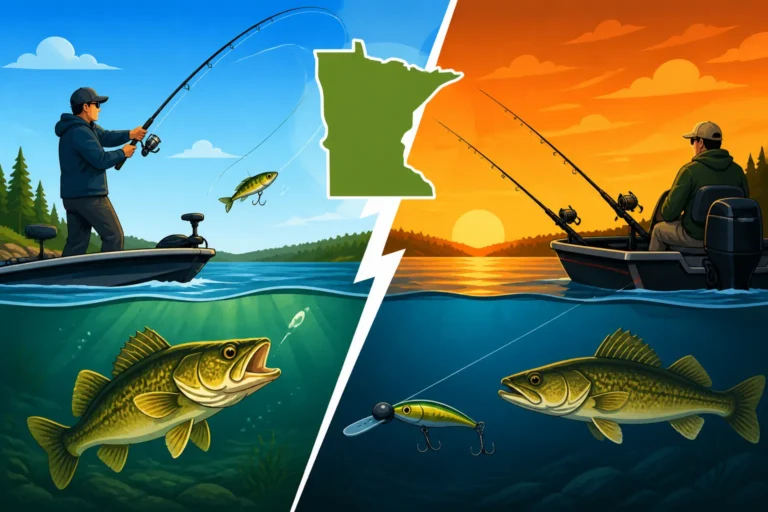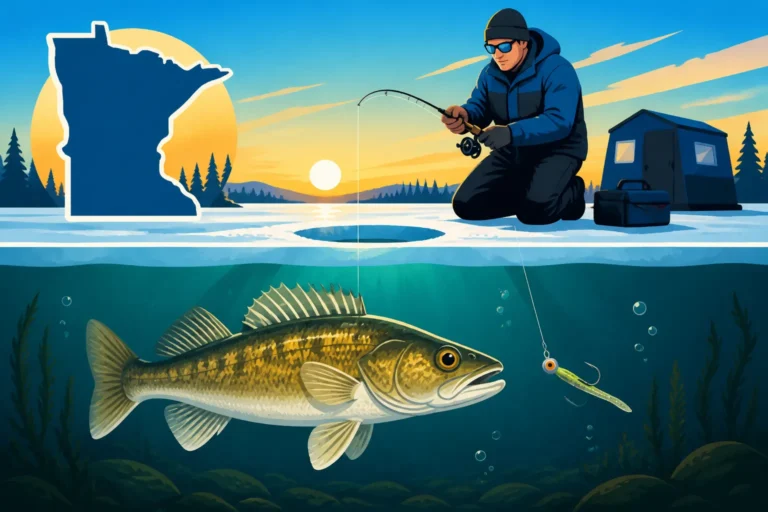
How to Catch Crappie Through the Ice in Minnesota
The biting cold of a Minnesota winter often means crappie can become incredibly finicky, retreating to deeper waters and seemingly vanishing from your favorite spots. It's frustrating to drill hole after hole only to come up empty, wondering if you're using the wrong bait or fishing the wrong depth. This comprehensive guide is here to unravel the mysteries of how to catch crappie through the ice in Minnesota, giving you the insights and techniques to turn those slow days into productive ones.
Understanding Minnesota Crappie Ice Fishing Behavior
Crappie behavior under the ice is a fascinating dance with the seasons and available forage. They're not always in the same spots, and knowing their likely movements is half the battle won before you even step foot on the ice.
Seasonal Movements and Depth Preferences
The lifecycle of ice fishing crappie in Minnesota can generally be broken down into three distinct phases: early ice, mid-winter, and late ice. Each period presents unique challenges and opportunities.
Early Ice Tactics
As soon as the ice is safe enough to walk on, usually around 4-6 inches thick, crappie often hold in shallower water. They're still active from the fall feeding frenzy, and their metabolism hasn't completely slowed down yet. Look for them around green weed edges, especially areas where weeds meet a drop-off or deeper basin. These transition zones provide both cover and access to deeper safety. Depths of 8 to 15 feet are common, but don't be afraid to check slightly shallower, particularly during low-light conditions. These early days are often some of the most productive, as the fish haven't experienced much fishing pressure. Remember to prioritize safety and always check ice thickness as you go. You can find a complete guide to getting started with ice fishing in our article, "Ice Fishing in Minnesota: Complete Beginner-to-Pro Guide".
Mid-Winter Deeper Basin Retreats
As winter deepens, the ice thickens, and snow cover reduces light penetration, crappie tend to migrate to deeper, more stable environments. They often suspend in the water column over the deepest parts of a lake, or relate closely to submerged humps, points, and other structures. These deep basins, sometimes 25 to 40 feet or more, offer consistent water temperatures and are where their primary forage, like zooplankton and small minnows, can also be found. They might be anywhere from a few feet off the bottom to halfway up the water column. This is where electronics become absolutely indispensable for locating these elusive schools. Patience is key during this phase, as you might need to cover a lot of water to find them.
Late Ice Pre-Spawn Movements
Towards late winter, as days lengthen and subtle changes occur under the ice, crappie start to feel the urge to move towards shallower pre-spawn staging areas. They might still be found in deeper basins but will begin making forays towards the same bays and flats they'll use for spawning once the ice melts. This can be a challenging but rewarding period. They might move up into 15-20 feet of water, often near the edges of emerging green weeds or hard-bottom transition areas. The bite can be aggressive as they begin to feed heavily in preparation for spawning, but their movements can also be erratic.
Crappie Forage and Feeding Habits
Understanding what crappie eat and when they're most likely to munch on it is critical for successful ice fishing. Crappie are primarily sight feeders, which means they prefer feeding in low-light conditions or when the water offers some level of turbidity, helping them ambush prey.
What's on the Menu?
Crappie in Minnesota lakes have a diverse diet, especially under the ice. Their mainstays include zooplankton, tiny insect larvae like mayfly and chironomid nymphs, and small minnows. This means your lure selection should mimic these natural food sources. Tiny jigs that replicate insect larvae, or small jigging spoons and minnow-imitating lures, are often the ticket. Sometimes they're looking for a subtle meal, and other times they're more aggressive. Keeping a variety of bait profiles and sizes on hand is a smart move.
Prime Feeding Times
Just like open water fishing, crappie ice fishing often shines during low-light periods. Dawn and dusk are prime times when crappie are most active, moving in shallower or becoming more aggressive in deeper water. Overcast days can extend these feeding windows throughout the day, as the reduced light penetration makes them feel more comfortable feeding. However, on bright, sunny days with clear ice, crappie may retreat to deeper, darker water or stick tight to cover during midday. It's not uncommon to find a strong midday bite on a cloudy day, though. Staying out for the "golden hours" of sunrise and sunset, regardless of the weather, will significantly increase your chances of success.
Essential Gear and Setup for Ice Crappie
Having the right tools for the job can make a world of difference when you're trying to coax a bite out of a finicky crappie under the ice. From sensitive rods to specialized electronics, every piece plays a role in your success.
Rods, Reels, and Line Choices
When it comes to crappie ice fishing, finesse is the name of the game. You're not looking to horse in a giant, but rather detect the most subtle takes.
Sensitive Rods and Reels
A good ice fishing rod for crappie should be ultra-light or light action, typically 24 to 30 inches long. The key feature is a super sensitive tip that allows you to see the lightest "up-bite" or a slight twitch that indicates a fish has inhaled your tiny bait. Fiberglass or carbon fiber composite rods often offer this sensitivity. Brands like St. Croix and Fenwick make excellent rods for this purpose, with their "tuned" tips designed for panfish. For reels, a small, ultra-light spinning reel (500 or 750 size) is perfect. It should have a smooth drag system, as you'll often be using very light line.
The Importance of Light Line
Line choice is perhaps one of the most critical elements for crappie ice fishing. You want something thin, low-visibility, and strong enough to handle a feisty crappie. Two to four-pound test monofilament or fluorocarbon is standard. Monofilament offers good knot strength and some stretch, acting as a shock absorber. Fluorocarbon is nearly invisible in water, sinks faster, and has minimal stretch, providing excellent sensitivity. Sometimes, anglers will use a very thin braid (4-6 lb test equivalent) with a fluorocarbon leader for ultimate sensitivity, especially when fishing deeper water. The virtually zero stretch of braid helps transmit even the slightest tap.
Here’s a quick comparison of common line types for ice fishing:
| Line Type | Pros | Cons | Ideal Use |
|---|---|---|---|
| Monofilament | Good knot strength, shock absorption, affordable | Visible, more stretch, absorbs water | General panfish, less finicky crappie |
| Fluorocarbon | Low visibility, sensitive, sinks fast, abrasion resistant | Stiffer, can be pricier, more memory (coiling) | Finicky crappie, clear water, deeper applications |
| Braided (with fluoro leader) | Ultra-sensitive, no stretch, strong for diameter | Very visible without leader, can fray, less abrasion resistant | Deep water, maximum sensitivity, structure fishing |
Lures, Baits, and Attractants
Once you have your rod and reel sorted, it's time to think about what you're actually putting in front of those crappie. The subtle presentation often starts with the right lure and bait.
Tiny Jigs and Plastics
Crappie jigs are typically small, ranging from 1/64 to 1/16 ounce. Tungsten jigs have gained immense popularity because their density allows them to be much smaller in profile than lead jigs of the same weight, meaning they fall faster and look more like natural prey. Brands like Northland Fishing Tackle and VMC offer excellent tungsten options. Pair these jigs with tiny plastic tails – think maki plastics, small tube jigs, larvae imitations like wax worms or euro larvae, and micro grubs. Color can be crucial; popular choices include glow, chartreuse, white, and natural minnow patterns. It's often a good idea to buy a variety of sizes and colors, which are readily available on platforms like Amazon. Our guide, "Best Tungsten Jigs for Panfish", dives deeper into specific recommendations.
Live Bait for the Win
While plastics are effective, sometimes nothing beats live bait. Crappie minnows are a classic choice and can be fished deadsticked under a bobber or on a small jig. Threading a small crappie minnow onto a tiny jig can be incredibly effective, especially when crappie are being particularly stubborn. Other excellent live baits include wax worms, eurolarvae, and spikes. These provide natural scent and movement that often triggers a strike when artificials fail. You can find more details about live bait options in our comprehensive guide, "Best Live Bait for Walleye (Leeches, Minnows, Crawlers)", many of which also apply to crappie.
Scent Attractants
Adding a scent attractant to your jigs or plastics can sometimes provide that extra edge, especially in stained water or during slow bites. Scents like Berkley Gulp! Alive! or other popular fish attractants can mask human scent and add an appealing odor trail, enticing crappie to hold onto the bait longer. This gives you more time to detect the bite and set the hook.
Electronics and Shelter Considerations
In the harsh environment of ice fishing, especially for finicky crappie, having the right electronics and a comfortable shelter can significantly improve your experience and success rate.
Flashers and Graphs
A quality flasher or fish finder is arguably the most important piece of gear for ice crappie fishing. Devices from brands like Vexilar, Humminbird, and Garmin allow you to see your lure, detect fish approaching it, and observe their reaction in real-time. This immediate feedback helps you adjust your jigging presentation until you find what triggers a bite. For suspended crappie, a flasher is absolutely essential for determining their depth and whether they are actively feeding or merely curious. Our in-depth comparison, "Best Ice Fishing Flashers: Vexilar vs Humminbird vs Garmin", can help you choose the right one. Knowing how to interpret these signals is a skill in itself, so reading "How to Read a Flasher (Vexilar/Humminbird)" will also be a big help.
Underwater Cameras for Visual Confirmation
While not strictly necessary, an underwater camera like those from Aqua-Vu can be an incredibly fun and insightful tool. Seeing how crappie react to your lure, their size, and what they're actually eating can teach you a lot about their behavior. It's particularly useful when trying new presentations or colors. It can also confirm if the marks you're seeing on your flasher are indeed crappie and not other species.
Comfortable and Mobile Shelters
Minnesota winters are no joke, and a warm, comfortable shelter allows you to fish longer and more effectively. Portable flip-over shelters (e.g., Clam, Otter) are excellent for solo anglers or pairs, offering quick setup and mobility to chase active fish. Hub-style shelters provide more space for groups or for bringing along more gear. Many anglers prefer a dark interior, as it reduces glare and allows for better viewing of your flasher screen and into the ice hole, especially for sight-fishing in shallower water. Investing in a good heater also ensures you stay warm, which in turn keeps you more focused and patient. Many high-quality ice fishing gear items, including shelters and heaters, can be found online through retailers like Amazon. For a detailed rundown of general ice fishing essentials, check out our "Best Ice Fishing Gear for Minnesota (2027 Guide)".
Proven Ice Fishing Techniques for Crappie Success
Finding crappie is one thing, but getting them to bite is another. The way you approach a spot, present your lure, and adapt to changing conditions can dramatically impact your success.
Locating Crappie Hotspots
Crappie are schooling fish, so finding one often means finding many. But where do you start looking on a vast frozen lake?
Reading Lake Maps for Structure
Before you even leave home, spend time studying detailed lake maps. Services like Navionics or LakeMaster (often integrated into apps like Fishbrain) are invaluable for identifying potential crappie holding areas. Look for deep basins, submerged points, humps, inside turns, and sudden depth changes. These maps reveal the underwater topography that crappie relate to. For example, a deep basin might have a small, subtle hump in the middle that acts as a crappie magnet. Our article on "Best Fishing Apps for Minnesota (Fishbrain, Navionics)" offers more insights into using these tools.
Drilling and Scouting
Once on the ice, don't be afraid to drill a lot of holes. This is called "ice trolling" or "swiss-cheesing" the lake. Start by drilling a grid pattern in a promising area, perhaps along a weedline or over a basin. Don't linger long at unproductive holes. Drop your transducer down, check for fish, and if nothing's there in a few minutes, move to the next hole. This aggressive scouting strategy drastically increases your chances of intercepting an active school. Remember, crappie often suspend, so be sure to scan the entire water column, not just the bottom.
Using Electronics to Find Suspended Schools
As mentioned, flashers are your best friend. When you drop your transducer into a hole, watch for marks throughout the water column. Crappie typically show up as distinct arches or lines. Pay attention to the depth at which they are suspending. Are they 10 feet off the bottom in 30 feet of water? That's your target depth. If you see a school, stay put! If they disappear, they've either moved or you spooked them. If you see active fish moving up to investigate your bait, you're in the right zone.
Presentation and Jigging Strategies
Once you've located crappie, the way you present your lure and work it is paramount. Crappie are often finicky, so subtle movements are usually more effective than aggressive ones.
The "Deadstick" Approach
Sometimes, crappie want absolutely minimal action. This is where the "deadstick" method shines. Using a separate rod, simply drop a crappie minnow on a small hook (often tipped with a tiny split shot or a very small jig head) down to the fish's level and leave it almost completely still. The natural movement of the minnow is often enough to entice a bite. Many anglers use a second hole for a deadstick rod while actively jigging another. This is a very effective strategy, particularly on pressured lakes or when the bite is slow.
Subtle Jigging Motions
When actively jigging, resist the urge to violently rip your lure. Crappie usually prefer a slow, subtle approach. Think tiny twitches, slow lifts, and gentle drops. Start by dropping your lure just above the fish you see on your flasher. Slowly lift it a few inches, hold it, then gently lower it. Sometimes a tiny quiver of the rod tip is all it takes. Experiment with different retrieves:
- The Lift-Hold-Drop: Lift your rod tip slowly, hold it still for a few seconds, then slowly lower it.
- The Quiver: Keep your hand still, but lightly twitch your wrist to make the lure subtly dance.
- The Pause: Sometimes, doing absolutely nothing for 10-20 seconds after a few jigging motions is what triggers the strike. Fish often hit on the pause.
Staying Just Above the Fish
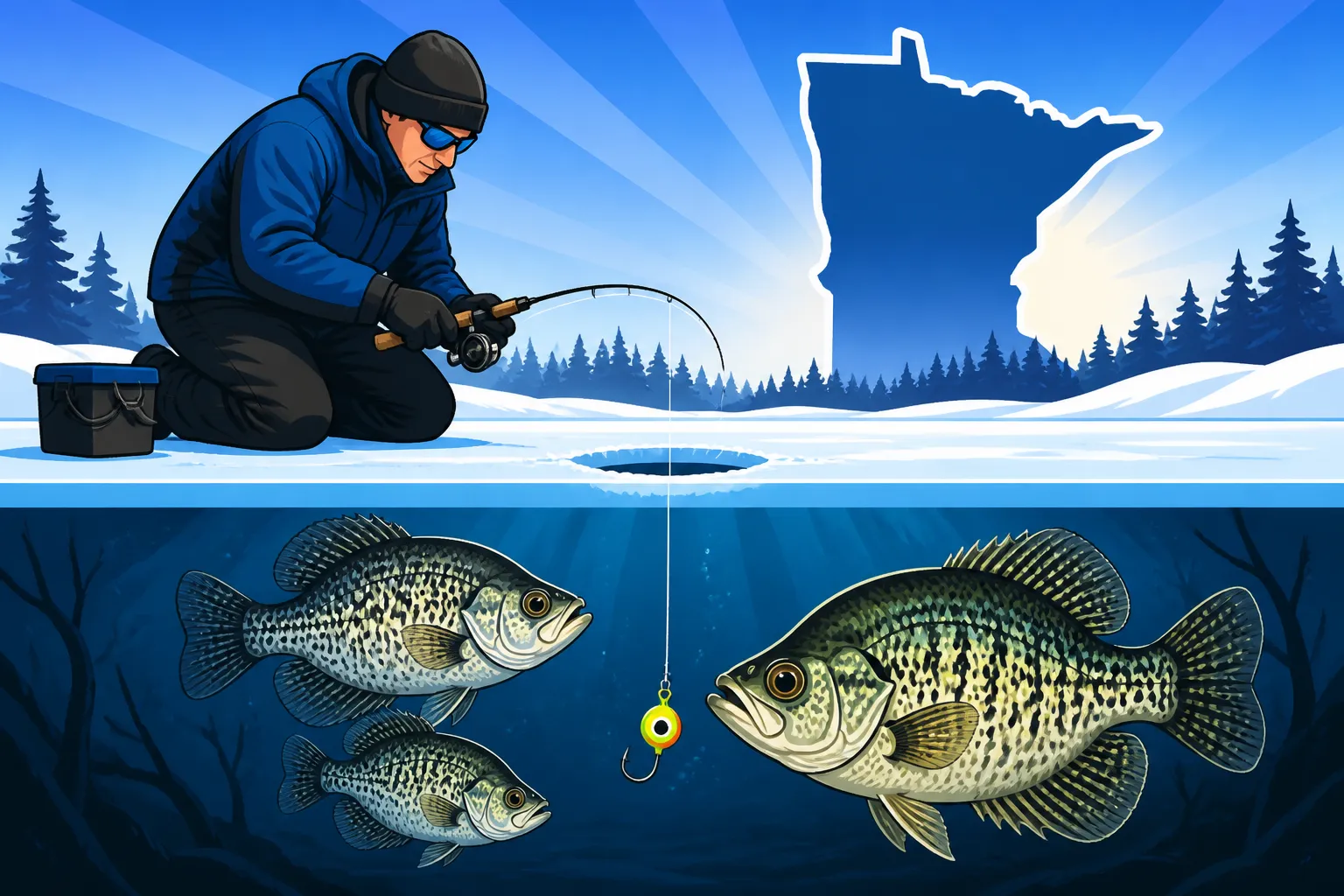
A crucial tip for crappie is to keep your lure slightly above them on your flasher. Crappie usually feed upwards, so presenting your bait above their eye level often draws them up to investigate and strike. If you drop the bait below them, they might ignore it or just slowly swim away. If a fish comes up and stops just below your lure, try a very subtle lift or a tiny quiver to encourage them to commit. "Crappie & Panfish Fishing Techniques" can offer even more advanced tips for these species.
Adapting to Conditions and Time of Day
Crappie moods can swing like a pendulum, influenced by everything from light conditions to fishing pressure. Being adaptable is a hallmark of a successful ice angler.
Leveraging Low Light Periods
We've touched on it, but it bears repeating: low light is prime time. Plan your trips to coincide with dawn and dusk. If you can only fish midday, target overcast days or deeper, darker areas where light penetration is minimal. On bright, sunny days, focus on areas with deeper water or thick snow cover, which can provide a darker environment for the crappie. Remember, the fish are often more active during these periods, making them more willing to chase and strike.
Bluebird Days Versus Cloudy Days
Clear, sunny "bluebird" days often mean tough fishing. The intense light can push crappie deeper or make them extremely finicky. On these days, downsize your lure, lighten your line, and be incredibly subtle with your presentation. A deadstick might outperform active jigging. Cloudy days, on the other hand, often provide fantastic crappie fishing. The diffused light makes them feel more secure and generally increases their activity levels throughout the day. Don't be afraid to try slightly more aggressive jigging or a wider variety of lures on cloudy days.
Dealing with Pressure
Minnesota lakes can get crowded, especially popular crappie spots. Heavy fishing pressure can make crappie wary. If you find yourself in a crowded area where fish are present but not biting, consider moving to a less pressured spot, or focus on smaller, more subtle presentations. Downsize your bait, use lighter line, and experiment with different jigging cadences. Sometimes the fish just need a break, or a presentation they haven't seen repeatedly. Even a slight change in lure color or size can make a difference. The more specific article, "Ice Fishing for Crappie & Panfish", also provides great tactics for when the bite gets tough.
Crappie Care and Regulations
Beyond the thrill of the catch, responsible angling means understanding how to handle your fish and adhere to local regulations to ensure healthy fisheries for years to come.
Handling Your Catch Responsibly
Whether you're keeping crappie for a delicious meal or practicing catch and release, proper handling is essential for the fish's survival and the quality of your harvest.
Catch and Release Best Practices
If you're not planning on keeping a crappie, release it quickly and gently. Minimize its time out of the water. Handle the fish with wet hands to protect its slime coat, which is vital for its immune system. Use pliers to remove hooks quickly, or consider using barbless hooks for easier release. If the fish is hooked deeply, cut the line as close to the hook as possible rather than trying to rip it out. Support the fish horizontally, especially larger ones, and gently place it back into the hole, allowing it to swim away on its own power. You can learn more about these practices in our detailed article, "Catch and Release Best Practices in Minnesota".
Keeping Crappie Fresh for Eating
Crappie are delicious, and many anglers love to take a few home for a fish fry. If you're keeping crappie, dispatch them quickly and humanely. The best way to preserve their freshness is to get them on ice as soon as possible. A five-gallon bucket with snow or a small cooler with ice works perfectly. Avoid leaving them exposed to the air and cold; they can freeze quickly, which can damage the meat quality. Bleeding them immediately after catching can also improve the taste and texture of the fillets. Once home, clean and fillet your crappie promptly, then refrigerate or freeze them for later enjoyment.
Understanding Minnesota Crappie Regulations
Minnesota's fishing regulations are designed to protect fish populations and ensure sustainable fishing for everyone. Ignorance of the rules is no excuse, so always be informed.
Daily and Possession Limits
Crappie, like other panfish, have specific daily and possession limits in Minnesota. A "daily limit" is the maximum number of fish you can keep in one calendar day. A "possession limit" is the maximum number of fish you can have in your possession, whether in your livewell, cooler, home freezer, or anywhere else. For crappie, the statewide daily and possession limit is generally 10. However, these limits can vary significantly on specific lakes, known as "special regulations" or "experimental regulations" lakes. Always check the current Minnesota DNR Fishing Regulations Handbook for the body of water you intend to fish. Our article, "Minnesota Crappie & Sunfish Limits", provides a great overview, and for more specific questions, you can consult "How Many Crappie Can You Keep in Minnesota?".
Specific Lake Regulations
It is paramount to verify the regulations for the specific lake you are fishing. For instance, some lakes might have a reduced crappie limit (e.g., 5 crappie per day) or even a protected slot limit, meaning crappie within a certain size range must be immediately released. These special regulations are put in place to manage fish populations, improve size structure, or recover from overfishing. You can find these details in the DNR fishing regulations booklet or on their website. Many fishing apps also integrate these regulations directly into their lake maps, making it easier to stay compliant. Always err on the side of caution and double-check before you hit the ice.
Disclaimer
Fishing regulations and conditions can change rapidly. Always consult the most current Minnesota Department of Natural Resources (DNR) fishing regulations booklet or website before heading out on the ice. Ice safety is paramount; always check ice thickness and conditions yourself. The advice provided in this guide is for informational purposes only and should not replace official DNR guidelines or personal judgment regarding safety.