Pelican Lake Fishing Report & What’s Biting
Figuring out what's truly biting on Pelican Lake can feel like a moving target. Water temperatures, recent weather, and even subtle changes in forage can completely shift the fish's mood and location. This comprehensive guide will cut through the noise, offering you the most up-to-date insights into Pelican Lake's current fishing scene, what species are most active, and the best ways to bring them to the boat or through the ice.
Pelican Lake's Dynamic Fishing Scene: What's Biting Right Now?
Pelican Lake, located primarily in Otter Tail County near Detroit Lakes, is a truly diverse fishery, offering something for every angler. It's known for its significant size and varied structure, including deep holes, expansive flats, and abundant weed lines. Because of its dynamic nature, the bite can change quickly, but understanding the general patterns and recent reports is key to a successful outing.
Walleye Activity and Recent Trends
Walleye are, without a doubt, the prize catch on Pelican Lake for many anglers. Recent reports indicate that the walleye bite tends to follow classic Minnesota patterns, often concentrated on main lake points, breaks, and mid-lake humps. In the warmer months, you’ll often find them transitioning from shallower, post-spawn areas to deeper main lake structures.
Currently, anglers are finding success by focusing on the deeper edges of weed lines and submerged islands. Depths between 18-25 feet seem to be a sweet spot, particularly during low-light conditions or after dark. Live bait rigs, like a classic Lindy Rig with a leech or a lively minnow, are consistently producing. Trolling crankbaits over flats adjacent to deeper water can also be incredibly effective, especially as summer progresses and fish become more spread out. Keep an eye on your electronics for schools of baitfish, as walleyes will be close by. If you’re really struggling to dial them in, remember that a local guide found on platforms like FishingBooker can offer invaluable real-time insights into the hottest walleye bites.
Panfish: Crappie, Sunfish, and Perch Opportunities
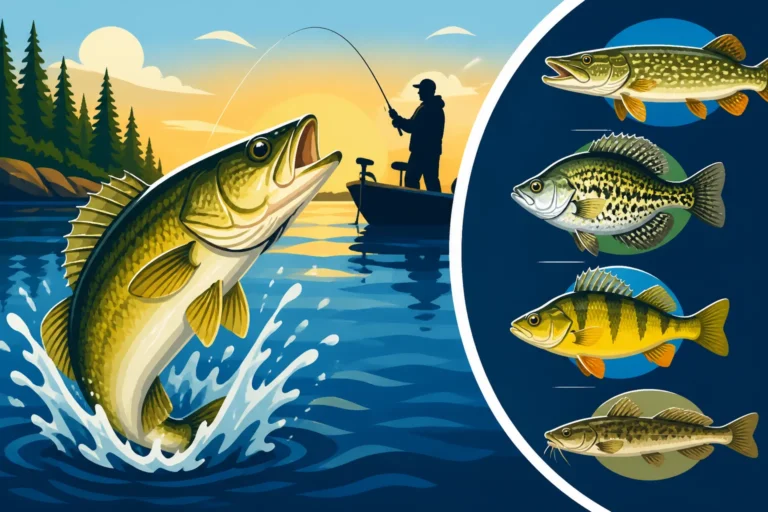
Pelican Lake boasts a robust panfish population, offering fantastic action for crappie, sunfish (bluegill and other sunfish species), and yellow perch. These species provide excellent family fishing opportunities and are often more predictable than walleyes.
Crappies are often found suspending over deeper basins or congregating around submerged timber and extensive weed beds, particularly in the mornings and evenings. Small jigs tipped with plastics, waxworms, or a tiny minnow fished under a slip bobber are highly effective. For sunfish, target the inside edges of weed lines, docks, and lily pad fields in shallower bays. They're usually quite aggressive and will readily hit small jigs, worms, or even tiny spinners. Yellow perch can be more nomadic, but look for them over sandy flats or mixed bottom transitions, often near walleye haunts, where they’ll eagerly snap up a small minnow or a tungsten jig tipped with a grub.
Northern Pike and Bass Hotspots
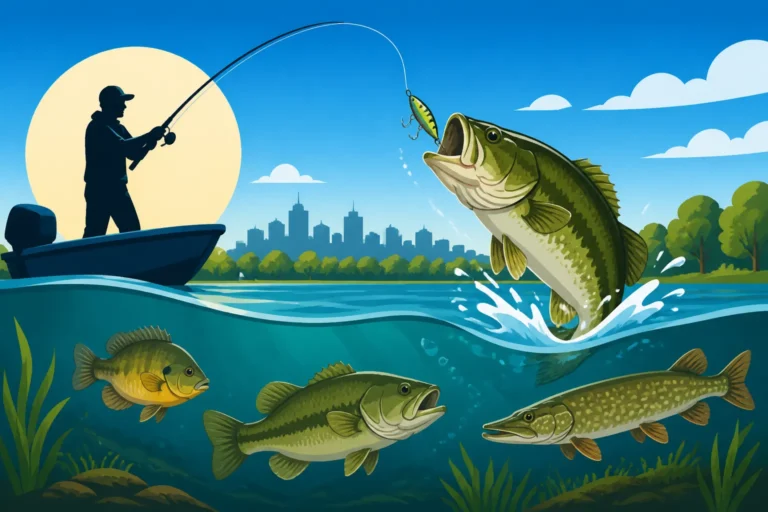
For those seeking a more aggressive fight, Pelican Lake has a healthy population of northern pike and both largemouth and smallmouth bass. These fish are generally less finicky and can provide thrilling action throughout the season.
Northern pike are typically found lurking in or along the edges of dense weed beds. Casting large spoons, spinnerbaits, or even swimbaits into these areas can provoke explosive strikes. The shallower bays with ample cover are often pike hotspots. For largemouth bass, target lily pad fields, emergent weeds, and fallen logs in sheltered areas. Topwater lures early and late in the day can be exhilarating, while Texas-rigged worms or jigs pitched into cover work wonders during brighter periods. Smallmouth bass prefer rockier structures, humps, and points, especially those exposed to wind. Tubes, drop-shots, and Ned rigs are excellent choices for coaxing these hard-fighting bronze backs. Many local guides listed on FishingBooker specialize in bass and pike if you're looking to target these species specifically.
Unpacking Pelican Lake's Diverse Fishery: Key Species at a Glance
Pelican Lake's size and varied habitat make it suitable for a wide array of fish species. Understanding the characteristics of these fish will help you tailor your approach and increase your chances of success.
Walleye: The Lake's Coveted Eater
Pelican Lake is consistently rated as a strong walleye fishery by the Minnesota Department of Natural Resources (DNR). These fish typically thrive in the lake's abundant forage base, which includes yellow perch, cisco, and various minnow species. While trophy-sized walleye are certainly present, Pelican is more known for its consistent production of eater-sized fish, generally in the 15-20 inch range. However, fish pushing into the upper 20s and even 30s are caught each season.
Walleye are highly sensitive to light and often prefer deeper, darker conditions. This is why you'll often find them concentrated on main lake structures or deep weed edges during the day, moving shallower to feed at dawn, dusk, or under cloudy skies. Effective strategies often revolve around presenting baits near the bottom or just above structure. Mastering different Walleye Fishing Techniques: Complete Minnesota Guide can be incredibly beneficial here.
A Bounty of Panfish: Crappie, Sunfish, and Perch
Pelican Lake truly shines when it comes to panfish, offering fantastic opportunities for anglers of all ages.
- Crappie: Both black and white crappie are present, with black crappie being more common. They typically suspend in open water over deeper basins or relate to vertical cover like brush piles and deep weed edges. You can expect to catch crappies ranging from 8-12 inches, with some exceeding 14 inches.
- Sunfish (Bluegill and Pumpkinseed): Pelican Lake has a very healthy sunfish population. These feisty fighters provide continuous action, especially for younger anglers. While many are "keeper" size, consistent management helps maintain a good average size, with plenty of 6-8 inchers available and some pushing toward 10 inches.
- Yellow Perch: Often overlooked but incredibly delicious, yellow perch are abundant and form a significant part of the forage base for larger predators. You'll find them schooling, often over sandy or gravelly bottoms. Jumbo perch can be found, but typical catches are 7-10 inches, providing a great meal.
For specific tactics on these smaller but mighty fish, explore guides like Crappie & Panfish Fishing Techniques.
Aggressive Predators: Northern Pike and Bass
Pelican Lake is also a fantastic destination for anglers who enjoy the thrill of battling larger, more aggressive fish.
- Northern Pike: Known for their voracious appetites, northern pike are plentiful throughout Pelican Lake. While the lake produces many "hammer handle" pike, trophy-sized fish over 30 inches are regularly caught. They primarily inhabit the extensive weed beds and shallower bays, ambushing unsuspecting prey. Understanding Northern Pike in Minnesota: Identification & Where to Catch can help you distinguish them from muskie and target them effectively.
- Largemouth Bass: These powerful fighters are found in the warmer, weedier sections of the lake. Areas with heavy cover, like lily pads, submerged timber, and dense coontail beds, are prime largemouth habitat. Pelican Lake can produce bass in the 3-5 pound range, with larger specimens caught annually.
- Smallmouth Bass: Preferring cooler, clearer water and rocky structures, smallmouth bass thrive on Pelican Lake's numerous points, humps, and rocky shorelines. They are renowned for their acrobatic fights and can reach impressive sizes, often exceeding 4 pounds. Dedicated anglers looking for Smallmouth & Largemouth Bass in Minnesota will find excellent opportunities here.
Mastering Pelican Lake: Proven Tactics for Every Species
Success on Pelican Lake often comes down to adapting your techniques to the specific species you're targeting and the current conditions. Having a versatile tackle box and an understanding of seasonal movements will significantly boost your catch rates.
Effective Walleye Techniques for Pelican Lake
Walleye fishing on Pelican Lake demands precision and adaptability. Anglers often employ a combination of live bait and artificial presentations.
- Lindy Rigging: This classic Minnesota technique is a staple on Pelican Lake. Using a walking sinker, a swivel, a long fluorocarbon leader, and a snelled hook tipped with a leech, nightcrawler, or minnow, you slowly drag it along contour lines, humps, or flats. The key is to match the sinker weight to your depth and drift speed, keeping your bait just off the bottom. If you want to dive deeper into this technique, check out How to Fish a Lindy Rig for Walleye.
- Slip Bobber Fishing: When walleyes are suspended or holding tightly to specific cover like submerged wood or weed pockets, a slip bobber rig allows you to present live bait at a precise depth. This is particularly effective during low-light conditions or in areas with fluctuating depths.
- Trolling Crankbaits: As fish spread out during the summer or when covering large flats, trolling crankbaits is highly effective. Experiment with different diving depths and colors. Brands like Rapala Shad Raps or Berkley Flicker Shads are popular choices. Varying your speed and making subtle turns can trigger strikes from following fish. For more on lure selection, consider reading Best Walleye Lures: Jigs, Cranks & Spinners.
Panfish Strategies for Consistent Action
Panfish are often willing biters, but specific tactics will lead to more consistent and larger catches.
- Jigging Small Lures: For crappies and perch, small jigs (1/32 to 1/16 ounce) tipped with soft plastics (like a tube jig or a tiny grub) or live bait (waxworms, crappie minnows) are incredibly effective. A slow, subtle jigging action is often all it takes.
- Slip Bobber for Sunfish: For bluegill and other sunfish, a small ice jig or bare hook tipped with a piece of worm under a small slip bobber is a deadly combination. Target the edges of vegetation in depths from 4-12 feet.
- Spider Rigging: For crappies suspending in open water, particularly during the summer, spider rigging multiple rods with minnows or small jigs at varying depths can help you locate the active schools quickly.
Aggressive Approaches for Pike and Bass
When targeting pike and bass, don't be afraid to go with larger, more attention-grabbing presentations.
- Pike: Casting or trolling large spoons (like Daredevls or Johnson Silver Minnows), spinnerbaits with big blades, or swimbaits near weed lines is a go-to. Don't forget a steel leader to prevent bite-offs from their razor-sharp teeth! For winter anglers, tip-ups set with large shiner minnows or suckers are incredibly effective.
- Largemouth Bass: Flipping and pitching jigs or Texas-rigged plastics into heavy cover (lily pads, reeds, fallen trees) is a highly productive method. Topwater frogs or poppers over matted vegetation in low-light conditions provide explosive strikes.
- Smallmouth Bass: Drop-shot rigs, Ned rigs, tubes, and small jerkbaits are excellent for smallmouth over rocky structures. Fan-casting these areas and working your bait slowly along the bottom will often entice a strike. If you're looking for an experienced guide to show you the ropes, checking FishingBooker for bass specialists on Pelican Lake could be a smart move.
Seasonal Rhythms: Fishing Pelican Lake Throughout the Year
Pelican Lake offers fantastic fishing opportunities year-round, but the fish's behavior and locations shift dramatically with the seasons. Understanding these seasonal patterns is crucial for consistent success. This aligns with broader Seasonal Fishing Patterns in Minnesota.
Spring: Post-Spawn and Emerging Weeds
As the ice melts and water temperatures begin to rise in spring, Pelican Lake comes alive. This is a prime time for many species, especially walleye and crappies.
- Walleye Opener: Following the statewide Walleye Season & Limit in Minnesota, walleyes will be recovering from the spawn and often found in shallower water near their spawning grounds (rocky areas, river mouths if applicable) or staging on adjacent break lines. Jigs tipped with minnows or slow-trolled shallow-diving crankbaits are highly effective during this period. The bite can be intense as they feed aggressively.
- Crappie Spawning: Crappies will move into very shallow, protected bays and channels with emerging weeds or woody cover as water temperatures climb into the 50s and 60s. This is an excellent time for sight fishing with small jigs or minnows under a bobber.
- Pike and Bass: Northern pike will be active in shallow, warming weed beds. Largemouth bass will also move shallow, often before the spawn, looking for easy meals in submerged vegetation.
Summer: Deeper Structure and Thermocline Tactics
Summer sees Pelican Lake's fish shift to deeper, more stable environments as the surface waters warm significantly.
- Walleye on Structure: Walleyes will gravitate towards main lake humps, deep points, and the deeper edges of healthy weed lines. Look for them in 18-30 feet of water. Lindy rigging with leeches or nightcrawlers, or trolling deeper-diving crankbaits or spinner rigs with crawlers, becomes the go-to. Pay attention to the thermocline if present; fish will often suspend just above or within it.
- Panfish Deepen: Crappies will often suspend over open water basins or relate to deep brush piles. Sunfish will hold to the deeper edges of weed beds, moving into thicker cover during midday. Yellow perch will school over deeper sand and gravel flats.
- Aggressive Pike and Bass: Northern pike remain in the weeds, but often prefer the thicker, denser beds. Largemouth bass will be in their full summer patterns, relating to heavy cover. Smallmouth bass will be crushing baits on rocky reefs and points in deeper water.
Fall: The Feeding Frenzy
Autumn on Pelican Lake can be one of the most rewarding times to fish, as cooling water temperatures trigger a major feeding frenzy for many species, preparing for winter.
- Walleye Feast: Walleyes become incredibly active, fattening up before the ice forms. They'll often move back shallower during low light but remain accessible on deeper structures throughout the day. Trolling larger crankbaits or jigging spoons can be very productive as fish chase schools of baitfish.
- Panfish School Up: Crappies and perch will form large schools, often suspending over deeper water or relating to substantial deep cover. Locating these schools with your electronics can lead to incredible action. Bluegills will retreat to deeper weed lines and brush.
- Pike and Bass Last Hurrah: Northern pike will be actively hunting in heavy weeds. Both largemouth and smallmouth bass will be feeding aggressively, often moving shallower to ambush prey. This is a great time for muskie anglers if they are also present, as the big fish feed heavily.
Winter: Ice Fishing Excitement
When Pelican Lake freezes over, a whole new world of fishing opens up for ice anglers. The lake is a popular destination for ice fishing in Minnesota: Complete Beginner-to-Pro Guide.
- Walleye Through the Ice: How to Catch Walleye Through the Ice in Minnesota often involves jigging spoons or larger shiner minnows on tip-ups over classic walleye structures like humps, points, and break lines. Early and late ice periods can be particularly productive.
- Panfish Bonanza: Crappies, sunfish, and perch are mainstays of Pelican Lake ice fishing. Crappies will suspend over deep basins or hug deep weed edges, hitting small jigs tipped with plastics or waxworms. Sunfish are found in shallower weeds. Perch will be on flats or subtle transitions. Small tungsten jigs are excellent for these species.
- Northern Pike: Tip-ups baited with large sucker minnows or shiners are the primary method for pike through the ice, often set up along weed lines or in shallower bays.
Pelican Lake Fishing Overview Table
To help you quickly reference target species and tactics for your next trip to Pelican Lake, here's a quick summary:
| Species | Primary Location | Preferred Baits/Lures | Depth Range (General) | Best Time of Year |
|---|---|---|---|---|
| Walleye | Main lake points, humps, deep weed edges, breaks | Leeches, minnows, crawlers, jigs, crankbaits | 15-30 ft | Spring, Summer, Fall, Winter |
| Black Crappie | Suspended over basins, deep weed lines, brush piles | Small jigs, plastics, crappie minnows | 10-25 ft (variable) | Spring, Summer, Fall, Winter |
| Sunfish | Shallow weed lines, docks, lily pad fields | Small jigs, worms, waxworms | 4-12 ft | Spring, Summer, Fall, Winter |
| Yellow Perch | Sand flats, mixed bottoms, near walleye structure | Small minnows, tungsten jigs, waxworms | 10-25 ft | Spring, Summer, Fall, Winter |
| Northern Pike | Dense weed beds, shallow bays | Spoons, spinnerbaits, swimbaits, large minnows | 5-20 ft | Spring, Summer, Fall, Winter |
| Largemouth Bass | Lily pads, emergent weeds, fallen logs, heavy cover | Jigs, Texas-rigs, topwater, spinnerbaits | 3-15 ft | Spring, Summer, Fall |
| Smallmouth Bass | Rocky points, humps, transitions, main lake structure | Tubes, drop-shots, Ned rigs, jerkbaits | 10-25 ft | Spring, Summer, Fall |
Remember that Minnesota Fishing Limits: Bag & Possession (2026) apply to Pelican Lake, so always consult the latest DNR regulations booklet to ensure compliance.
Essential Gear and Local Resources for Pelican Lake Anglers
Having the right gear and knowing where to find local information can make all the difference in your Pelican Lake fishing experience.
Must-Have Gear for Pelican Lake
For open water fishing, a good quality spinning rod and reel combo capable of handling 6-10 lb test line will serve you well for most species. For walleye, a sensitive medium-light to medium power rod is ideal for jigging and feeling subtle bites. When ice fishing, specialized ice fishing rods for Walleye & Panfish are crucial.
- Electronics: A reliable fish finder with GPS and mapping capabilities (like Navionics or LakeMaster) is invaluable for locating structure and fish, especially on a large lake like Pelican. During ice fishing, a flasher (Vexilar, Humminbird, MarCum) is almost a necessity for vertical jigging.
- Live Bait: Don't underestimate the power of live bait. Minnows (shiners, fatheads, rainbows), leeches, and nightcrawlers are often the best choice for finicky walleyes and panfish. Check out Best Live Bait for Walleye (Leeches, Minnows, Crawlers) for more specifics.
- Tackle Selection: A diverse selection of jigs (jig heads, tungsten jigs), soft plastics, crankbaits (shallow to deep divers), spoons, and spinnerbaits will ensure you're prepared for whatever the fish prefer.
Local Information and Guides
While this guide provides a great starting point, local knowledge is golden.
- Bait Shops: Local bait shops around Detroit Lakes (like J&K Marine or Fleet Farm) are fantastic sources for up-to-the-minute fishing reports, bait recommendations, and friendly advice. They often track what's biting daily.
- FishingBooker: If you're looking for a guided experience, especially if you're unfamiliar with Pelican Lake, consider using a service like FishingBooker. You can find experienced local guides who specialize in various species and can put you on fish quickly, teaching you the intricacies of the lake. Booking a trip through FishingBooker can save you days of trial and error.
Pelican Lake offers fantastic fishing for a variety of species throughout the year. By staying informed about current conditions, understanding seasonal patterns, and employing the right techniques, you're well on your way to a memorable and successful fishing adventure.
Disclaimer
Fishing conditions and regulations in Minnesota can change. Always consult the latest Minnesota Department of Natural Resources (DNR) fishing regulations before heading out. This guide provides general information and recommendations based on typical patterns and available data, but individual results may vary.