Lake Minnetonka Fishing Report & What’s Biting
Trying to figure out what's biting on a massive, diverse lake like Minnetonka can feel like finding a needle in a haystack, especially with its countless bays, points, and varied depths. It's frustrating to head out without a solid plan, hoping for the best. This guide is here to cut through that confusion, providing you with a real-time snapshot of the fishing action on Lake Minnetonka and practical tips to make your next trip a success.
Understanding Lake Minnetonka's Unique Fishing Challenges
Lake Minnetonka isn't just a lake; it's a sprawling system of interconnected basins, bays, and channels, covering over 14,000 acres across numerous communities like Wayzata, Excelsior, and Mound. This incredible complexity is what makes it such a phenomenal fishery, but it's also precisely what can make planning a fishing trip here feel overwhelming. Knowing where to start, what conditions prevail, and which species are active can be daunting for even seasoned anglers.
The Sheer Size and Complexity
When you look at a map of Lake Minnetonka, you quickly realize it's not a simple body of water. You've got everything from shallow, weed-choked back bays perfect for panfish and largemouth bass, to deep, clear main lake basins where walleye might be lurking, and endless points and humps that could hold smallmouth bass. The sheer volume of water and diverse habitats means that fish patterns can vary wildly from one bay to another, sometimes just a mile or two apart. It’s not uncommon to hear reports of crappies biting strong in Crystal Bay while the action is slow in Gideon’s Bay.
This mosaic of environments means that understanding the lake requires local knowledge and a good sense of current conditions. What worked last week might not work this week, and what's hot in one basin might be dead in another. Anglers often find themselves dedicating significant time just to scouting, trying to pinpoint where the fish have moved. This is why a current "fishing report" for Lake Minnetonka needs to be more than just a vague statement; it needs to break down species, locations, and methods.
Navigating Multiple Basins and Depths
Each of Minnetonka's major basins – Lower Lake, Upper Lake, Wayzata Bay, Excelsior Bay, Carman Bay, Crystal Bay, and more – can almost be treated as its own distinct fishery. They have different depths, forage bases, water clarity, and fishing pressure. For example, some bays are notoriously clear, requiring more finesse presentations, while others might have a slight stain, allowing for more aggressive tactics. The water temperatures can even vary between larger, deeper basins and shallower, sun-exposed bays, impacting fish behavior.
Anglers often focus on specific basins depending on their target species and the time of year. If you're chasing trophy muskies, you might spend more time on the main lake points and weed lines in Wayzata Bay or Upper Lake. For panfish, the shallow, protected coves of Jennings Bay or Maxwell Bay might be your go-to. Understanding these nuances is critical. It’s not enough to say you’re "fishing Minnetonka"; you really need to specify which part of Minnetonka. The depth profiles are equally varied, ranging from vast shallow flats in certain areas to deep holes exceeding 100 feet in parts of Wayzata and Crystal bays, offering diverse habitat for various species at different times of the year.
What's Biting Right Now on Lake Minnetonka? (Seasonal Breakdown)
The fishing on Lake Minnetonka is a dynamic beast, constantly changing with the seasons. What's biting and how to catch them largely depends on the water temperature and the fish's metabolic rates. Understanding these seasonal shifts is key to consistent success.
Spring Fishing Excitement
Ah, spring! After the long Minnesota winter, anglers are usually chomping at the bit. As the ice melts and water temperatures slowly climb from the high 30s to the 50s, fish begin to shake off their winter lethargy and move into shallower waters for spawning.
- Crappies and Sunfish: These panfish are often the first to get active. Look for them in shallow, sun-warmed bays with dark bottoms, emergent weeds, or brush piles. Excelsior Bay, Maxwell Bay, and Phelps Bay are popular spots. Small jigs tipped with a crappie minnow or a tiny plastic grub under a slip bobber are deadly. They'll stage in these shallower areas before moving into actual spawning beds when water temperatures hit the mid-60s. This is an incredible time for some fast action, especially in protected areas. For more details, check out our guide on Spring Crappie Fishing in Minnesota.
- Northern Pike: Pike are ambush predators and are among the earliest spawners, often doing their deed in flooded marshes and shallow weeds right after ice-out. Post-spawn, they are hungry and aggressive. Cast spinnerbaits, spoons, or jerkbaits along emerging weed lines and shallower flats. They’re often found in the same bays as crappies, just slightly deeper, looking for an easy meal.
- Walleye: The walleye opener is a huge event in Minnesota, typically in mid-May. Early season walleye on Minnetonka can be found shallower than you might expect, often on main lake points, rocky transitions, and shallower humps adjacent to deeper water. Trolling stickbaits or casting jigs tipped with a minnow or soft plastic along these areas in the evenings and mornings can be very productive. They're still somewhat sluggish from the cold water but actively feeding to recover from their spawn. Our article on Early Season Walleye After the Opener offers excellent insights.
- Bass (Largemouth & Smallmouth): Bass usually become active a bit later than walleye, after the water consistently warms into the high 50s and 60s. Largemouth will be in the shallow, heavy cover of bays, while smallmouth will be on rocky points and humps. They'll be feeding heavily before their spawn.
Summer Structure and Weedline Action
Summer on Minnetonka, with water temperatures ranging from the 70s to low 80s, sees fish moving to deeper, more oxygenated water or finding refuge in dense weed growth. This is when understanding structure and weed line patterns becomes paramount.
- Walleye: As temperatures soar, walleye move to deeper main lake humps, points, and deep weed lines, often associated with harder bottom transitions. Trolling crankbaits (like those from Rapala or Berkley) over these structures, or working a bottom bouncer with a crawler harness, can be highly effective during the day. Night fishing with jigs and minnows or casting shallow-diving stickbaits along weed edges becomes a prime tactic as walleyes move shallow to feed under the cover of darkness. Don't miss our guide on Summer Walleye Patterns: Deep Structure.
- Largemouth Bass: These green monsters will still be in heavy cover, but often deeper within dense weed beds, under docks, or in shady spots. Flipping jigs, pitching Texas-rigged plastics, or working topwater frogs over matted vegetation in the early morning or late evening can be exhilarating.
- Smallmouth Bass: World-class smallmouth fishing exists on Minnetonka. They'll hug rocky points, humps, and deep gravel beds, often found deeper than largemouth. Drop-shot rigs, Ned rigs, tubes, and deep-diving crankbaits are go-to presentations. Look for them on the deeper edges of those prominent main lake structures. You can find more specific advice in our How to Catch Smallmouth Bass on Mille Lacs article, which offers techniques applicable to other large lakes like Minnetonka.
- Muskie & Northern Pike: Summer is prime time for muskie. They'll be cruising massive weed flats, prominent points, and structural elements. Large bucktails, jerkbaits, and topwater lures are the order of the day. Pike will be found in similar areas, often on the outside edges of weed beds. Casting large spoons or spinnerbaits is effective.
Fall Turnover and Feeding Frenzies
Fall is a favorite time for many anglers on Minnetonka. As water temperatures cool and eventually "turn over" (when surface water cools, becomes denser, and sinks, mixing with deeper water), fish become incredibly active, staging massive feeding binges in preparation for winter.
- Walleye: This is arguably the best time for trophy walleye. They become much more aggressive and are often found shallower again as they chase baitfish that are also moving to shallower, warmer pockets. Trolling large crankbaits, jigging Rapalas, or snap-jigging heavy jigs with plastics can produce giants. Focus on sharp breaks, rocky points, and expansive flats. Our article on Fall Walleye Fishing: Turnover & Cold Water delves deeper into this exciting period.
- Muskie & Pike: Fall is the time for trophy muskies. They are bulking up, and large baits are the name of the game. Look for them on prominent points, deep weed edges, and structure where large schools of baitfish are congregated. Pike will also be extremely active, aggressively hitting large spoons and spinnerbaits.
- Panfish: Crappies and sunfish will congregate in deeper holes and basin edges, often schooling up tightly before winter. Vertical jigging small jigs tipped with bait (wax worms or minnows) can lead to limits in a hurry. Look for them over mud flats or deep weed transitions.
Winter Ice Fishing Opportunities
When Lake Minnetonka freezes over, a whole new world of angling opens up. Ice fishing here is incredibly popular, from portable shelters to elaborate wheel houses.
- Walleye: Early ice (first few weeks of safe ice) is fantastic for walleyes, as they can still be found relatively shallow on points and humps. As winter progresses, they often retreat to deeper basin edges, mud flats, and the mouths of bays. Jigging spoons (like Northland Buck-Shot Rattle Spoons) and rattle baits, often tipped with a minnow head or a full minnow, are effective. Deadsticking a live minnow nearby is also a classic Minnetonka tactic. For deeper insights, read our guide on Ice Fishing for Walleye: Tactics & Setups.
- Crappies and Sunfish: Panfish will hold in deeper basins and holes throughout the winter. Look for them suspended over mud flats or nestled in remaining green weeds. Small tungsten jigs tipped with plastics or wax worms are excellent. Ice fishing for crappie and panfish can be fantastic on Minnetonka.
- Northern Pike: Pike are active all winter. Set up tip-ups with large shiner minnows or sucker minnows in bays and over large weed flats. You can also jig for them with larger spoons or lipless crankbaits. Our article on Ice Fishing for Northern Pike (Tip-Ups) provides detailed strategies.
- Tullibee (Cisco): Though not typically a target species for many, tullibee can be abundant in Minnetonka's deeper basins, especially during winter. They are an important forage fish for walleye and muskie. Small spoons or ice jigs tipped with a grub can sometimes catch them.
Key Species to Target and Where to Find Them
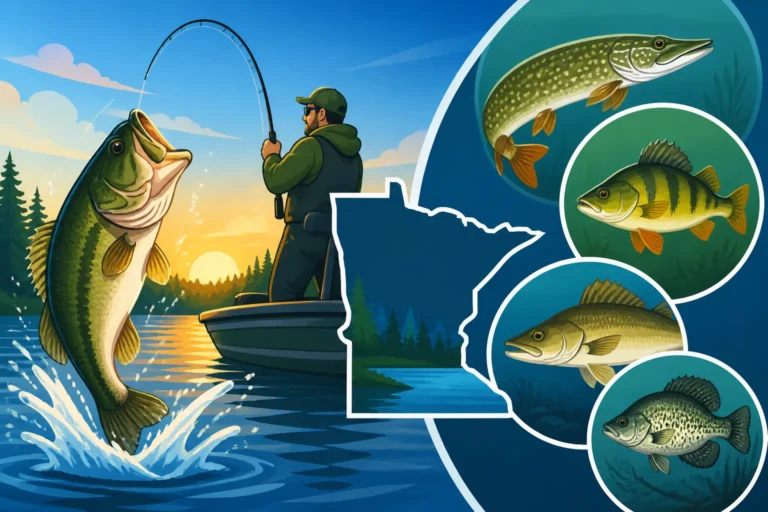
Lake Minnetonka is a diverse fishery, offering a range of species for anglers of all skill levels. Knowing what you're after and their typical hangouts is half the battle.
Legendary Largemouth and Smallmouth Bass
Minnetonka boasts an incredible bass fishery, recognized nationally for its trophy potential, especially for smallmouth.
- Largemouth Bass: These tend to prefer the shallower, weedier bays and coves. Think heavy cover: lily pads, emergent reeds, thick coontail beds, and overhanging docks. Excellent bays include Excelsior Bay, Maxwell Bay, and Phelps Bay, but really, any bay with good vegetation can hold them. Topwater lures like frogs or poppers are exciting in low light, while jigs, Texas-rigged worms, and spinnerbaits work well fished directly into cover.
- Smallmouth Bass: Often found deeper than largemouth, smallmouth bass gravitate towards hard bottom structure like rocky points, humps, gravel bars, and main lake breaklines. Wayzata Bay, Crystal Bay, and the deeper areas of the Lower Lake are prime smallmouth territory. Drop-shot rigs, Ned rigs, tube jigs, and deep-diving crankbaits are highly effective. Look for areas with current or wave action over rocky bottoms.
Walleye Wonders: The Elusive Golden Fish
While Minnetonka might not have the reputation of a Mille Lacs or Winnie for sheer walleye numbers, it produces some absolute giants and consistent action if you know where to look.
- Locations: Walleye often relate to offshore structure, especially main lake humps, points, and transition zones where rock meets mud or sand. They are also frequently found along the deeper edges of extensive weed flats. Wayzata Bay, Carman Bay, and the main lake areas of Lower Lake Minnetonka are popular walleye grounds. They're often most active during low light periods, dawn, dusk, and even after dark.
- Techniques: Trolling crankbaits (especially Rapala Shad Raps or Berkley Flicker Shads) is a popular summer tactic over structure. Jigging with a live minnow or soft plastic is effective in spring and fall. Lindy rigs with leeches or nightcrawlers can also be deadly when fish are scattered. Knowing How to Fish a Lindy Rig for Walleye can significantly improve your success.
Panfish Bonanza: Crappies and Sunfish
For consistent action and a delicious meal, Minnetonka's panfish population is hard to beat.
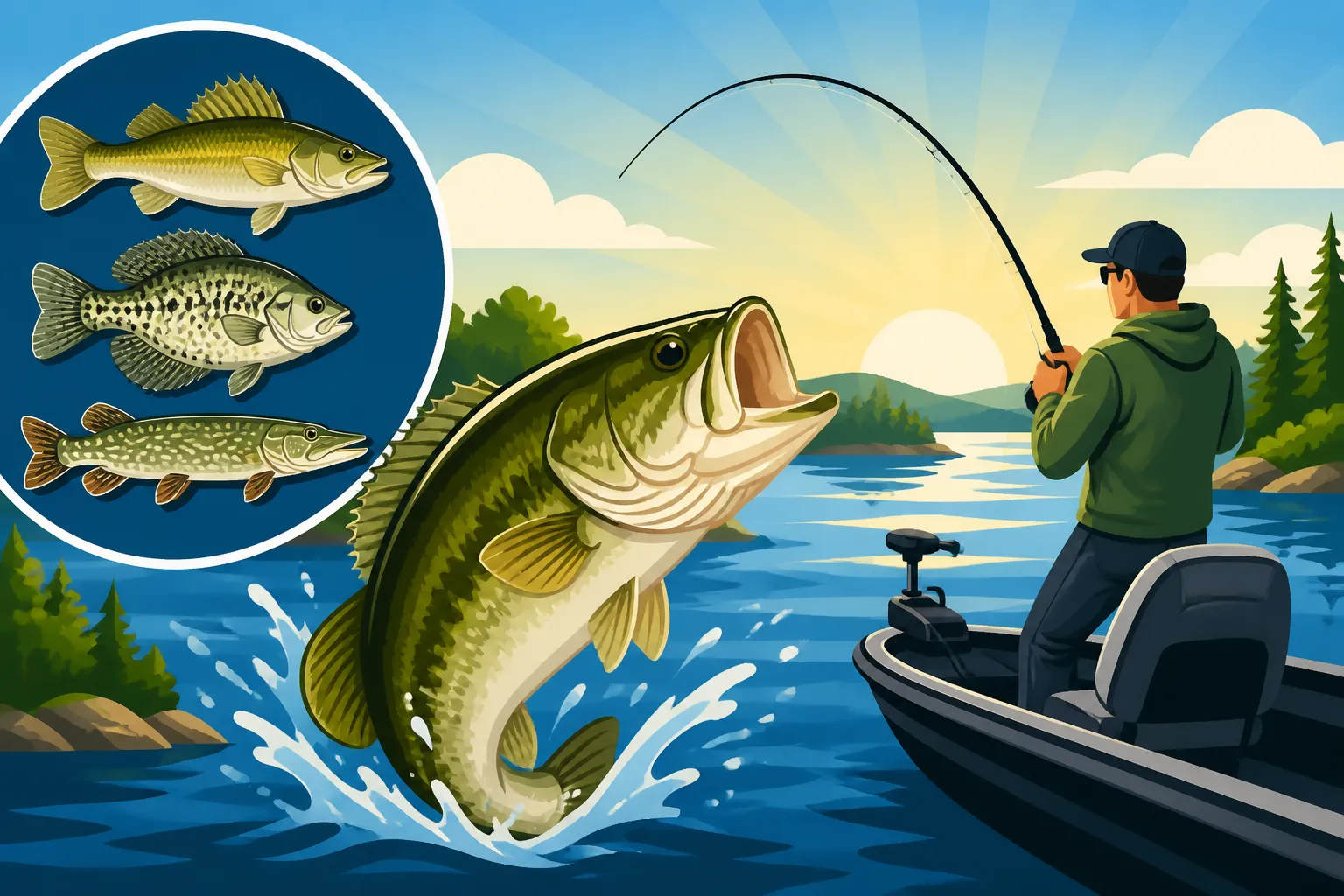
- Crappies: Both black and white crappies thrive here. In spring and early summer, they're in shallow, warm bays with brush piles, docks, and developing weeds. As summer progresses, they move to deeper basin edges and suspend over mud flats, often near schools of baitfish. Bays like Priest's Bay, Smithtown Bay, and the protected coves of Upper Lake Minnetonka are known hot spots. A simple slip bobber rig with a small jig and minnow or a tiny plastic is a go-to. Find out more about Crappie & Panfish Fishing Techniques to maximize your catch.
- Sunfish (Bluegill, Pumpkinseed, Green Sunfish): Sunfish are everywhere! They love shallow, weedy areas, docks, and submerged timber. They're a fantastic target for beginners and kids due to their abundance and willingness to bite. Small jigs or hooks with a piece of nightcrawler, wax worm, or a tiny plastic under a bobber will catch them all day long in most shallow bays and channels.
Pike and Muskie: Apex Predators
If you're looking for a toothy battle, Minnetonka delivers with both northern pike and muskellunge.
- Northern Pike: Found throughout the lake, pike are often on the edges of weed lines, points, and around structural elements where they can ambush bait. They're less structure-oriented than walleye and more focused on dense vegetation. Bays with abundant weeds like Cook's Bay and West Arm are good places to start. Casting spoons, spinnerbaits, or large jerkbaits are effective.
- Muskellunge: Minnetonka is a premier muskie fishery, known for producing impressive fish. These "fish of 10,000 casts" are typically found on large main lake weed flats, rocky points, and submerged humps adjacent to deep water. Look for them in areas like Wayzata Bay, Lower Lake, and Upper Lake. Casting massive bucktails, topwater lures, and jerkbaits is the standard approach. Patient anglers are often rewarded with a true monster. For more insights on pursuing these giants, consider exploring our comprehensive Muskie Fishing in Minnesota: The Fish of 10,000 Casts guide.
Essential Gear and Tactics for Minnetonka Success
To truly excel on a lake as diverse as Minnetonka, having the right gear and understanding versatile tactics is crucial. This isn't a "one-lure-fits-all" kind of lake.
Lures, Baits, and Techniques
The variety of species and habitats on Minnetonka means a diverse tackle box is your best friend.
- Live Bait Versatility: Don't underestimate the power of live bait. Minnows (shiners, fatheads, crappie minnows), leeches, and nightcrawlers are staples for walleye and panfish. Use them on a jig, under a bobber, or on a Lindy rig. For pike, larger sucker minnows on a quick-strike rig are excellent, especially under a tip-up for ice fishing.
- Artificial Lures for Aggressive Fish:
- Crankbaits: Essential for trolling for walleye, especially during summer and fall. Deep-diving models like Berkley Flicker Shads or Rapala Deep Tail Dancers are popular. For bass, square bill crankbaits worked around shallow cover are excellent.
- Jigs: From tiny tungsten jigs for panfish to heavy jig heads with plastics for walleye and smallmouth, jigs are incredibly versatile. Try bright colors in stained water and natural hues in clear water.
- Soft Plastics: Countless options for bass (worms, creature baits, flukes) and walleye (paddle tails, grub bodies). Rig them Texas-style, wacky, on a Ned rig, or simply on a jig head.
- Spinnerbaits & Spoons: Go-to lures for northern pike and effective for bass in weeds. Look for weedless designs when fishing heavy cover.
- Muskie Baits: Large bucktails (e.g., from Musky Mayhem Tackle), glide baits, topwater lures, and large jerkbaits are par for the course. These aren't cheap, so invest wisely!
- Finesse vs. Power Fishing: Minnetonka often demands both. In clear, heavily pressured areas, finesse tactics like drop-shotting small worms for smallmouth or tiny jigs for crappies are key. When fish are aggressive or in thick cover, power fishing with big crankbaits, jigs, or topwater lures will get their attention.
Electronics and Navigation
With its complex bottom contours and expansive open water, modern fishing electronics are practically a necessity on Lake Minnetonka.
- Fish Finders (Sonar): A good fish finder is invaluable. Look for units with clear 2D sonar to identify fish arches and bottom structure. Side imaging and down imaging (like those offered by Humminbird's MEGA Imaging or Garmin's UHD) help you scout vast areas quickly, locating submerged weed beds, rock piles, and baitfish schools that might be off to the sides of your boat. This is especially useful for finding those elusive walleye humps. Check out our guide on Best Fish Finders & Electronics for Minnesota Fishing for detailed recommendations.
- GPS and Mapping: Integrated GPS with detailed lake maps (e.g., Navionics, LakeMaster) is crucial for navigation and precisely locating fishing spots. You can mark waypoints for brush piles, weed lines, or productive trolling passes, ensuring you can return to them again and again. Given the numerous hazards on Minnetonka (shallow reefs, submerged rocks), good mapping is also a safety essential.
- Trolling Motors with Spot-Lock: A bow-mounted trolling motor with GPS-controlled spot-lock (like a Minn Kota Terrova or Ulterra) can be a game-changer. It allows you to hold your boat precisely over a productive hump or along a weed edge without constantly deploying an anchor, freeing you up to focus on fishing.
Accessing Lake Minnetonka and Planning Your Trip
Getting onto Lake Minnetonka can be straightforward, but planning is always a good idea, especially on busy summer weekends.
Public Access Points and Marinas
Minnetonka has numerous public boat launches managed by the DNR and local municipalities. Popular public accesses include Mound, Spring Park, Grays Bay, and Maxwell Bay. Most have ample parking, but they can fill up quickly on peak days. Always check the current status and rules for specific ramps before you go.
If you don't have your own boat, several marinas around the lake offer boat rentals, from pontoons to fishing boats. Companies like Bay Rentals in Excelsior or Wayzata Bay Charters can get you on the water. Additionally, there are bait shops scattered around the lake (like Wayzata Bait & Tackle or Reed's Family Outdoor Outfitters) where you can pick up current information, bait, and tackle.
Considering a Guided Fishing Trip
For visitors or anglers unfamiliar with Lake Minnetonka's complexities, hiring a fishing guide is an excellent investment. A local guide knows the lake intimately, understands seasonal patterns, and can put you on fish quickly. They'll also provide all the necessary gear and expertise, making for a much more productive and enjoyable day, especially if you're targeting specific species like muskies or walleye.
Websites like FishingBooker are fantastic resources for finding reputable fishing charters and guides on Lake Minnetonka. You can browse different guides, see their specialties (bass, walleye, muskie), read reviews from other anglers, and book directly. This takes the guesswork out of finding a good guide and ensures you have a productive outing. Whether you're looking for a half-day excursion or a full-day hunt for a trophy, FishingBooker offers plenty of options to suit your needs.
A guide can teach you specific techniques for Minnetonka, help you understand the lake's unique structure, and show you exactly where the bite is hot. They'll also ensure you're fishing within regulations, including understanding specific Minnesota Fishing Limits: Bag & Possession (2026) and any lake-specific rules.
Current Lake Minnetonka Fishing Outlook (General)
| Species | Current Action (General) | Key Locations (General) | Top Techniques (General) | Notes |
|---|---|---|---|---|
| Walleye | Moderate to Good | Offshore humps, deep weed lines, points | Trolling crankbaits, jigging minnows/plastics, Lindy Rigs | Best at dawn/dusk or after dark; look for baitfish on electronics. |
| Largemouth Bass | Good | Shallow, heavy cover, docks, lily pads | Flipping jigs, Texas rigs, topwater frogs (early/late) | Focus on dense vegetation; ambush predators. |
| Smallmouth Bass | Excellent | Rocky points, humps, gravel bars | Drop shots, Ned rigs, tube jigs, deep crankbaits | Look for current/wave-swept areas; often deeper. |
| Crappie | Good | Deeper weed edges, suspended over mud | Slip bobber w/ minnow/plastic, small vertical jigs | Schooling fish; move to deeper basin edges in summer/fall. |
| Sunfish | Excellent | Shallow weeds, docks, brush piles | Small jigs w/ live bait/plastic under bobber | Great for kids and consistent action; abundant throughout lake. |
| Northern Pike | Good | Weed lines, points, ambush cover | Spinnerbaits, spoons, jerkbaits, large shiners | Aggressive year-round; target weed edge transitions. |
| Muskellunge | Fair to Good (challenging) | Large weed flats, prominent points | Large bucktails, jerkbaits, topwater (seasonal) | Fish of 10,000 casts; patience and dedication required. |
Final Thoughts and Pro Tips for Lake Minnetonka
Lake Minnetonka is a truly special fishery, offering something for every angler. Its sheer size and diversity can be intimidating, but by breaking it down by season, species, and location, you can greatly increase your chances of success. Don't be afraid to experiment with different techniques and always pay attention to changing weather patterns, as they significantly influence fish behavior. If you're really looking to learn the ropes or target a specific trophy, consider booking a guide through a service like FishingBooker. Local expertise on a lake this complex is invaluable. Remember to respect the lake, practice catch and release for larger fish, and always follow Minnesota's fishing regulations to ensure this incredible resource remains healthy for future generations.
Disclaimer
Fishing conditions and regulations in Minnesota can change. Always consult the most current Minnesota Department of Natural Resources (DNR) fishing regulations booklet or website before heading out on the water. This article is intended for informational purposes only and should not be considered a substitute for official DNR guidelines.