Lake Minnewaska Fishing Report & What’s Biting
There’s nothing quite like the excitement of planning a fishing trip to a new lake, but the nagging question of "What's biting?" can often turn that excitement into a headache. Lake Minnewaska is a gem in west-central Minnesota, but its unique characteristics can make it a challenge to consistently land fish if you don't know the current patterns. This guide is here to cut through the guesswork, offering you a comprehensive look at what to expect when you drop a line in Minnewaska, season by season and species by species.
Understanding Lake Minnewaska's Unique Fishery
Lake Minnewaska, nestled in Pope County, is a beautiful and often rewarding fishing destination, but it's not always an easy one. At over 8,000 acres, it's one of Minnesota's larger lakes, boasting depths that can plunge past 50 feet. This combination of size and depth, coupled with its relatively clear waters, means fish have plenty of room to roam and plenty of places to hide, making understanding their movements crucial. It's not a small pond where fish are always in the same spots; Minnewaska demands a thoughtful approach.
Lake Characteristics and Primary Species
Minnewaska is primarily a walleye, northern pike, largemouth bass, smallmouth bass, and panfish (crappie and sunfish) lake, with a healthy population of each. The clarity of the water, especially compared to some of Minnesota's stained-water lakes, often means fish can be more light-sensitive, particularly the walleye. This influences not only the best times to fish but also the techniques and presentations that will yield the most success. You won't typically find lake trout here, but the diversity of other species keeps things interesting.
The lake bottom is a mix of sand, gravel, and some muck, with plenty of structural elements like points, humps, and submerged weed lines that hold fish. These features are critical for locating various species throughout the year. For instance, shallow bays warm up quicker in spring, attracting panfish, while deep main-lake humps become walleye magnets in summer. Knowing how to read a lake map and identify these key structures will dramatically improve your chances. When you're trying to figure out where to start, looking for historical data on Fishbrain or talking to local bait shop owners can provide a valuable head start.
The Influence of Water Clarity on Fishing
The clear waters of Lake Minnewaska mean that line visibility, lure color, and presentation subtlety can play a much bigger role than on murkier lakes. On bright, sunny days, fish might retreat to deeper water or seek shade under heavy cover. This can make daytime fishing tougher for species like walleye, which are often more active during low-light conditions.
This isn't to say you can't catch fish during the day, but it often means adjusting your tactics. Using lighter fluorocarbon leaders, smaller baits, or more natural colors can make a difference. Early mornings, late evenings, and overcast days often provide the best bite windows. It's a common frustration for anglers to feel like the fish "aren't biting" when really, they're just being picky due to the conditions. Patience and adaptability are key when dealing with clear water.
Current Fishing Report: What's Biting Right Now?
Fishing reports are a snapshot in time, and conditions on Lake Minnewaska, like any large body of water, can change quickly with weather patterns. However, by looking at general trends and common species behaviors, we can give you a solid idea of what to target. Local bait shops like Minnewaska Marine & Bait or Pope County Bait & Tackle are always excellent resources for the most up-to-the-minute information. Don't be shy – strike up a conversation!
Walleye Activity and Best Baits
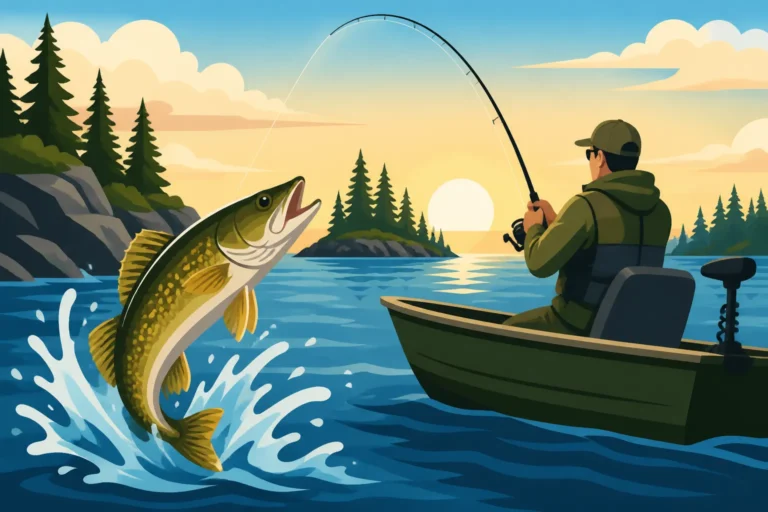
Walleye are the undisputed kings of Minnesota fishing, and Lake Minnewaska holds a healthy population. The "walleye chop" – a bit of wind creating surface disturbance – can be your best friend here, as it breaks up light penetration and often triggers a bite. Lately, anglers have been finding success targeting walleye on transitions from hard to soft bottom, especially around submerged points and humps.
Live bait presentations like a classic How to Fish a Lindy Rig for Walleye with a leech or a nightcrawler, or a slip bobber setup with a lively shiner or fathead minnow, are consistently effective. Trolling crankbaits, particularly at dawn and dusk, can also produce. Brands like Rapala and Berkley offer a wide range of crankbaits that mimic the local forage. For current reports, check out FishingBooker for local guides who often share their daily successes and preferred techniques. Remember, the Walleye Season & Limit in Minnesota always applies, so be sure to check the latest regulations.
Panfish: Crappie and Sunfish Opportunities
Lake Minnewaska is a fantastic panfish lake, with both black crappie and bluegill populations that offer consistent action, especially for families or those looking for a relaxing day on the water. Crappies tend to school up, so when you find one, you often find many. Look for them suspended over deeper water or tucked into weed edges and submerged brush piles.
For crappies, small jigs tipped with a minnow or a soft plastic, fished under a sensitive bobber, are deadly. For bluegills and other sunfish, a tiny jig with a piece of an earthworm, wax worm, or even a small Gulp! bait will often do the trick. During the warmer months, focusing on healthy green weed beds in 6-12 feet of water is a good bet. Ice fishing for these species in winter can be outstanding, with anglers often filling limits. Check out Crappie Season & Limit in Minnesota and How Many Lines Can You Fish in Minnesota? to make sure you're within the rules.
Bass and Northern Pike Pursuits
Both largemouth and smallmouth bass thrive in Lake Minnewaska, offering exciting action for sport anglers. Largemouth bass will be found in and around the dense weed cover, lily pads, and fallen timber in shallower bays. Think topwater frogs, plastic worms, and spinnerbaits for these ambush predators. Smallmouth bass, on the other hand, often prefer the rockier main lake points, humps, and shoreline riprap. Drop shots, Ned rigs, and small crankbaits can be very effective for smallies. If you're looking for a dedicated bass trip, Best Bass Lakes in Minnesota might give you some other ideas, but Minnewaska is certainly a contender.
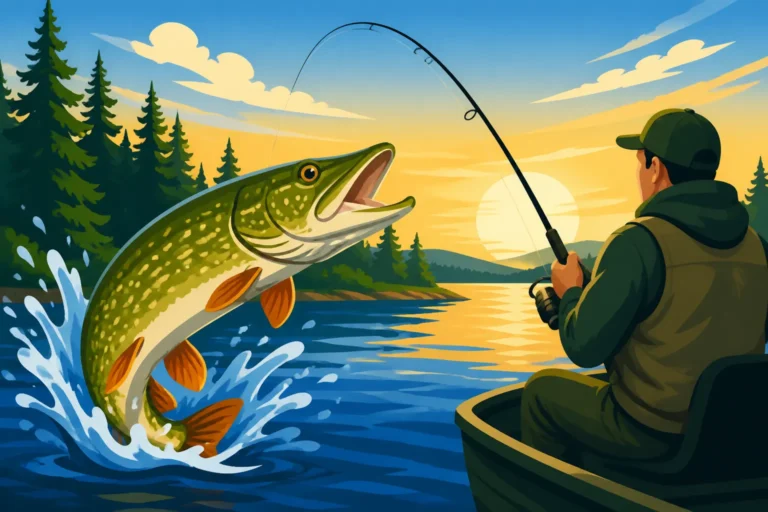
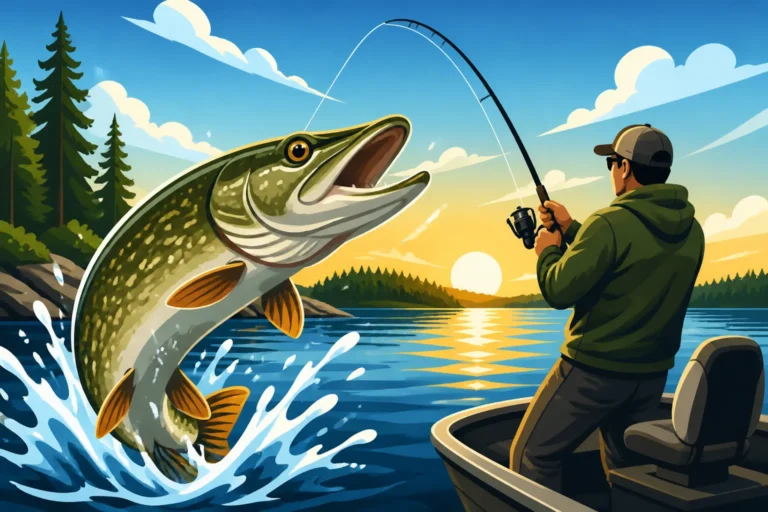
Northern pike are abundant throughout the lake and provide plenty of aggressive strikes. They love to patrol weed lines and ambush baitfish. Spinnerbaits, spoons (like a Daredevl), and large jerkbaits are all great choices for pike. Don't be surprised to encounter a few real trophies here. While they are often considered a "bonus" fish, many anglers specifically target them for their fighting spirit. Always be aware of the Northern Pike Season & Limit in Minnesota as regulations can vary.
Seasonal Fishing Patterns on Lake Minnewaska
The beauty of fishing in Minnesota is the distinct seasonal changes, and Lake Minnewaska is no exception. Understanding these patterns is key to predicting "what's biting" and where to find them. Fish movements are largely dictated by water temperature, available forage, and spawning cycles.
Spring: Post-Spawn and Early Season Action
As the ice melts and the water begins to warm, spring fishing on Minnewaska can be phenomenal. Walleye and northern pike have just finished their spawning rituals, and they're often hungry and willing to chase. Look for them in shallower waters, especially northern-facing bays that warm up first, and near river inlets if any. This is a prime time for jigging with minnows or slowly trolling shallow-running crankbaits.
Panfish also become very active in the spring. Crappies move into shallow spawning areas, often around emergent vegetation or submerged wood, making them relatively easy to target. Bluegills will follow suit a little later in the spring. Bass will begin to stage in pre-spawn areas, often around docks and rocky shorelines, becoming more aggressive as water temperatures rise. Early season fishing can be fantastic, but remember that Minnesota Fishing Seasons & Opener Dates (2026) dictate when you can legally target certain species.
Summer: Deep Water and Weed Line Strategies
Summer on Lake Minnewaska brings warmer water temperatures, pushing many fish into deeper, cooler water or into the sanctuary of dense weed beds. Walleyes will often relate to main lake humps, points, and deep breaklines, especially during the day. Night fishing for walleye can be particularly productive as they move shallower to feed under the cover of darkness. Try trolling leadcore with crankbaits or using Best Live Bait for Walleye (Leeches, Minnows, Crawlers) on a bottom bouncer rig.
Bass will be in full summer mode, with largemouth hunkering down in thick weeds and smallmouth cruising rocky structures. Panfish will still be found in and around weed beds, often slightly deeper than in spring, or suspended over open water. This is when electronic fish finders become invaluable for locating these deeper schools. Guides listed on FishingBooker often specialize in summer patterns and can put you on fish.
Fall: Feeding Frenzy Before Ice-Up
As the water cools in fall, Lake Minnewaska's fish go on a feeding frenzy, bulking up for winter. This can be one of the most productive times to fish, especially for trophy-sized walleye and northern pike. Fish will often move shallower again, similar to spring, following baitfish that are pushed by cooling water. Focus on points, humps, and deep weed edges.
Trolling larger crankbaits or casting hefty spoons and swimbaits can entice big fish. Panfish will also be actively feeding, schooling up in predictable locations as they prepare for winter. Bass fishing can remain strong, especially for smallmouth on rocky main lake areas, before they too retreat to deeper wintering holes. This seasonal shift is a classic example of Seasonal Fishing Patterns in Minnesota.
Winter: Ice Fishing Excitement
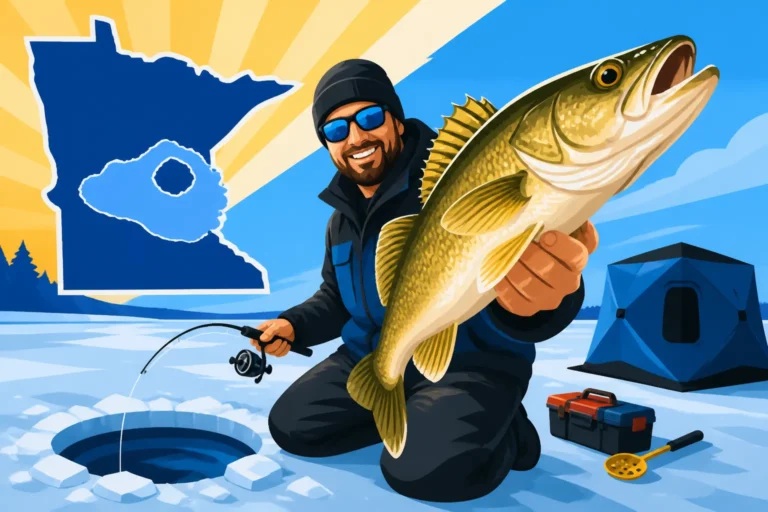
When Lake Minnewaska freezes over, a whole new world of fishing opens up. Ice fishing here can be fantastic, offering opportunities for all major species. Walleyes are often found on deep main lake structure, breaks, and mud flats. Jigging spoons tipped with a minnow head or small Jigging Raps are popular choices. How to Catch Walleye Through the Ice in Minnesota is a great resource if you're new to winter walleye.
Crappies and sunfish will suspend in basin areas or relate to deep weed edges. Small tungsten jigs tipped with plastics or a wax worm are usually irresistible. Northern pike are a blast on tip-ups, often set along shallower weed lines or points. Ice fishing provides a unique social atmosphere, and many anglers rent portable or permanent ice shelters to extend their comfort on the ice. Just be sure to check ice conditions before venturing out, and always prioritize safety.
Essential Tips for Success on Lake Minnewaska
Beyond knowing what's generally biting, a few universal tips can drastically improve your fishing experience on Lake Minnewaska. It's about being prepared and understanding the nuances of the lake.
Reading the Lake and Adapting to Conditions
Lake Minnewaska is a dynamic environment, and fish behavior changes day-to-day, sometimes even hour-to-hour. Pay close attention to environmental factors like wind direction, cloud cover, and barometric pressure. A strong south wind might push baitfish and active predators to a certain shoreline, while a calm, sunny day might send fish deep.
Utilize your electronics – a good fish finder or even a portable flasher for ice fishing can show you depth, structure, and even fish. Don't be afraid to move if you're not getting bites; sometimes a slight change in depth or location is all it takes. For deeper dives into tactics, explore topics like Best Walleye Fishing Tactics in Minnesota or Best Crappie Fishing Tactics in Minnesota to refine your approach. If you're planning a trip and need a local expert, many guides on FishingBooker have years of experience navigating Minnewaska's waters.
Gear Recommendations and Bait Choices
Having the right gear makes a difference, especially on a lake like Minnewaska. For walleye, a sensitive medium-light spinning rod paired with 6-8 lb fluorocarbon or braided line with a fluorocarbon leader is a versatile setup. For northern pike, heavier gear is needed to handle their sharp teeth and powerful runs – a medium-heavy rod with 15-20 lb monofilament or braid is a good choice.
When it comes to bait, live bait is often king, especially for walleye and panfish. Leeches, minnows (fatheads, shiners), and nightcrawlers are staples. Always check with local bait shops to see what's freshest and what the fish are currently keying in on. For artificials, a variety of jigs, crankbaits, and soft plastics in natural colors (perch, shiner, white) and some bright "attractor" colors (chartreuse, orange) should cover most situations.
Respecting the Resource and Regulations
Minnesota prides itself on its world-class fisheries, and Lake Minnewaska is a prime example. It's crucial for all anglers to understand and follow the Minnesota Department of Natural Resources (DNR) regulations. This includes Minnesota Fishing Limits: Bag & Possession (2026), size restrictions, and specific rules for certain species. These regulations are in place to ensure healthy fish populations for future generations.
Practicing catch and release, especially for larger breeding fish, is highly encouraged for many species. If you're planning to keep fish for a meal, only keep what you'll eat and consider releasing the biggest ones. Proper handling of fish you intend to release, minimizing their time out of water and handling them gently, helps ensure their survival. Being a responsible angler contributes to the long-term health and vibrancy of Lake Minnewaska's fishery.
| Species | Peak Seasons | Typical Depth | Effective Baits/Lures | Key Structure |
|---|---|---|---|---|
| Walleye | Spring, Fall, Winter | 15-35 feet (Summer/Ice), 8-20 feet (Spring/Fall) | Leeches, Minnows, Crawlers, Jigging Raps, Crankbaits | Humps, Points, Breaklines, Mud Flats |
| Northern Pike | Spring, Summer, Fall | 5-20 feet | Spoons, Spinnerbaits, Large Minnows, Jerkbaits | Weed Lines, Drop-offs, Shallow Bays |
| Largemouth Bass | Summer, Early Fall | 3-12 feet | Soft Plastics, Topwater, Spinnerbaits | Lily Pads, Docks, Heavy Weed Cover |
| Smallmouth Bass | Summer, Early Fall | 8-25 feet | Drop Shots, Ned Rigs, Crankbaits, Tubes | Rocky Points, Riprap, Main Lake Humps |
| Black Crappie | Spring, Fall, Winter | 5-20 feet (Spring/Fall), 15-30 feet (Summer/Ice) | Small Jigs w/ Minnow or Plastic, Wax Worms | Submerged Wood, Deep Weeds, Basin Suspended |
| Bluegill/Sunfish | Spring, Summer, Fall | 4-15 feet | Small Jigs w/ Worms or Plastics, Wax Worms | Weed Beds, Docks, Shallow Cover |
Disclaimer
Fishing conditions, regulations, and fish behavior can change rapidly. Always consult the most current Minnesota DNR fishing regulations before heading out, and prioritize safety on the water, especially during ice fishing seasons. This guide is for informational purposes only and does not guarantee fishing success.