Best Crappie Fishing Tactics in Minnesota
Crappie fishing in Minnesota is a beloved pastime, offering some of the most exciting action and delicious rewards. Yet, for many anglers, these speckled beauties can feel incredibly elusive, leaving you wondering if you're even fishing the right spots or using the right gear. It's frustrating to spend hours on the water without a nibble, especially when you know those jumbo slabs are lurking somewhere. This comprehensive guide is here to transform your crappie endeavors, breaking down the best tactics, gear, and seasonal approaches to help you consistently find and catch more crappie across Minnesota's abundant lakes and rivers.
Unraveling Crappie Habits and Hangouts
Understanding crappie behavior is the first step to consistently filling your livewell. These fish aren't just swimming around aimlessly; they have distinct preferences for habitat, food, and water conditions. Cracking their code will give you a significant advantage.
Understanding Crappie Species and Their Preferences
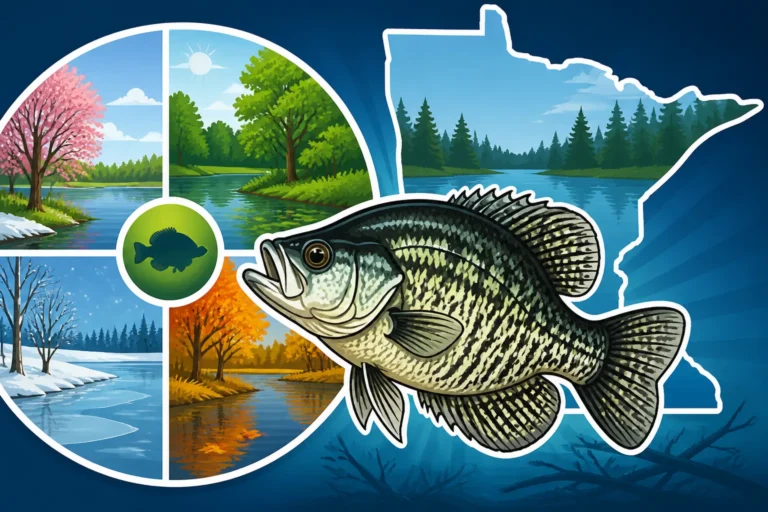
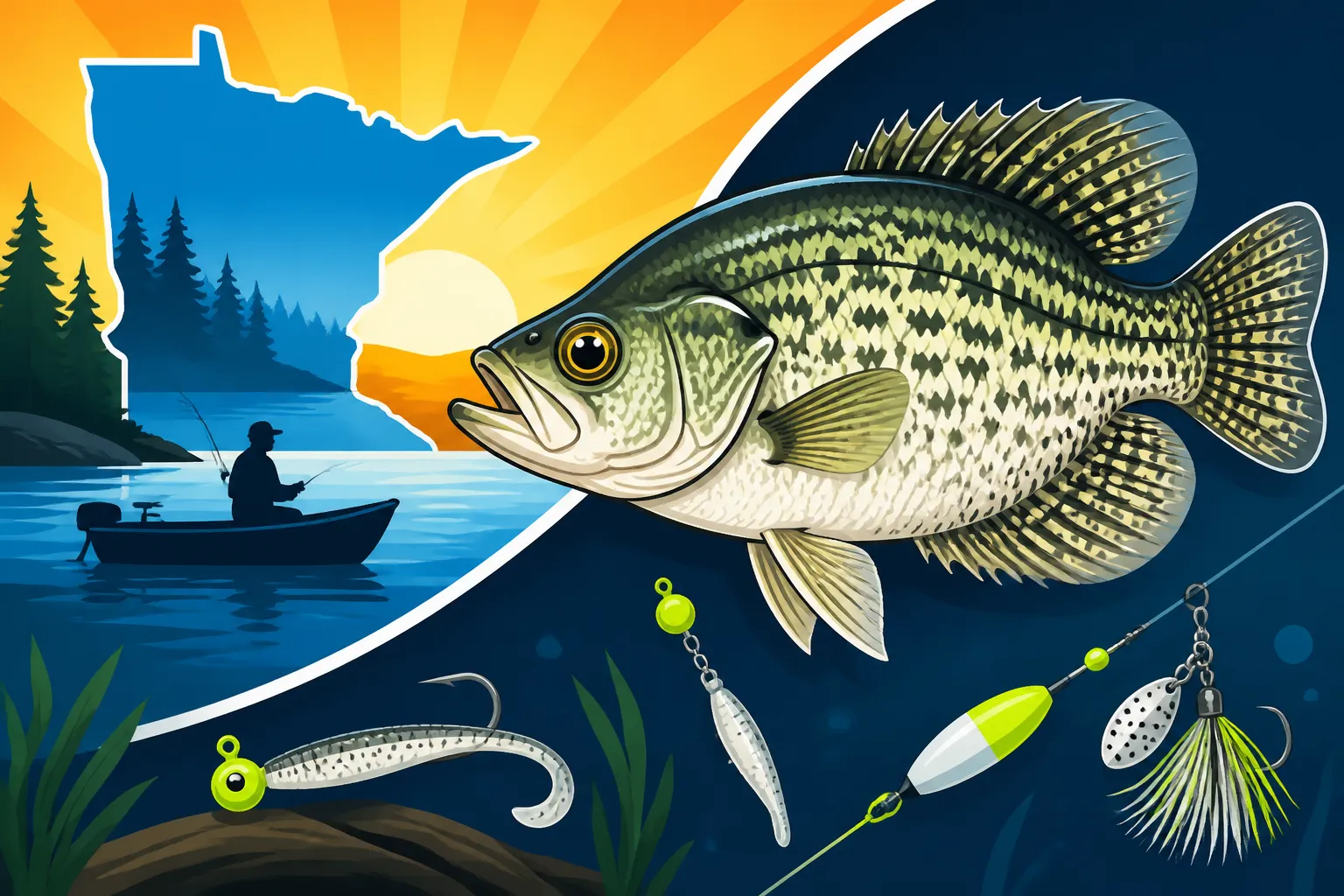
In Minnesota, you'll primarily encounter two species: black crappie and white crappie. While they look similar, there are subtle differences in their appearance and, more importantly, their preferred environments. Black crappie typically have a scattered, mottled pattern of dark spots, whereas white crappie tend to have more distinct vertical bars. You can learn more about how to differentiate them in our guide on Black Crappie vs White Crappie.
Black crappie generally prefer clearer, cooler waters with abundant submerged vegetation or wood. Think about those northern Minnesota lakes with extensive weed beds or fallen timber. White crappie, on the other hand, are often more tolerant of turbid, warmer waters, and you'll find them more frequently in southern Minnesota's murkier lakes and slower-moving rivers. Knowing which species you're likely targeting can help you fine-tune your location strategy from the get-go. Both species are schooling fish, meaning where you find one, you're likely to find many, making them incredibly rewarding once you pinpoint their location.
Identifying Key Crappie Structure in Minnesota Lakes
Crappies are notorious for relating to specific underwater structures. They aren't open-water cruisers for long periods, preferring the safety and ambush points that structure provides. This is where your ability to read a lake becomes crucial.
- Submerged Wood and Brush Piles: This is prime crappie real estate. Fallen trees, brush piles, old docks, and submerged logs offer shelter from predators and excellent ambush points for baitfish. Many anglers even sink their own brush piles, often marked with GPS, to create crappie magnets. These are particularly effective in spring and fall.
- Weed Lines and Edges: In lakes with healthy vegetation, crappies will position themselves along the deep edges of weed beds, especially coontail, cabbage, and pondweed. They use these areas to hunt minnows and insects while staying concealed. Focus on points, inside turns, and irregularities in the weed line.
- Deep Water Structure: As waters warm in summer, crappies often move to deeper areas. Look for humps, submerged islands, rock piles, creek channels, and even bridge pilings. They'll often suspend over these features, sometimes many feet off the bottom, so don't just focus on the very bottom.
- Cribs and Man-Made Structures: Many Minnesota lakes have fish cribs or other artificial structures placed by the DNR or local angling clubs. These are specifically designed to attract panfish and often hold impressive numbers of crappie. If you can get your hands on a good lake map or use a modern fish finder, these spots are gold.
The Importance of Water Temperature and Clarity
Water temperature is a major driver of crappie behavior, dictating their metabolism, feeding activity, and location. In spring, as water temperatures creep into the mid-50s (Fahrenheit), crappies move shallow for their spawn, often found in bays and protected areas. During the heat of summer, when surface temps soar, they'll retreat to cooler, deeper water, often suspending near the thermocline if one exists. Fall sees them moving shallower again as waters cool, feeding aggressively before winter.
Water clarity also plays a role. In clearer lakes, crappies might hold a bit deeper or closer to dense cover to avoid predators. In murkier waters, they might be more inclined to suspend higher in the water column or relate to shallower structure, as the reduced visibility offers them natural concealment. Always consider these environmental factors when deciding where to start your search.
Gearing Up for Crappie Success: Tackle Box Essentials
You don't need a massive, expensive setup to catch crappie, but having the right tools for the job can make a huge difference. The goal is sensitivity, stealth, and efficiency. Our comprehensive guide on Crappie & Panfish Fishing Techniques offers more in-depth insights into specific gear choices.
Rods, Reels, and Line Choices
When it comes to crappie, light tackle is the name of the game. Sensitivity is paramount for detecting those subtle crappie bites, which can sometimes feel like nothing more than a slight "tick" or added weight on your line.
- Rods: A light to ultra-light action spinning rod, typically 5 to 7 feet long, is ideal. The longer rods offer better casting distance and allow for more controlled jigging. Graphite rods are excellent for their sensitivity, helping you feel even the lightest strikes. For a versatile setup, a 6'6" ultra-light rod with a fast tip will serve you well for most crappie applications.
- Reels: Pair your rod with a small, lightweight spinning reel (500 or 1000 size). Look for a smooth drag system, which is crucial when fighting a good-sized crappie on light line. Brands like Shimano, Daiwa, or even a solid Pflueger President are reliable choices that won't break the bank. You can find a wide selection of suitable reels on Amazon.
- Line: This is where things get critical.
- Monofilament: 2-4 pound test monofilament line is a classic choice. It has some stretch, which can be forgiving, and it's less visible underwater. It's a great all-around choice for crappie.
- Fluorocarbon: For increased sensitivity and near invisibility, 2-4 pound test fluorocarbon is fantastic. It has very little stretch and sinks faster than mono, which can be an advantage when fishing deeper with small jigs.
- Braided Line with Leader: Some anglers prefer 6-8 pound braided line for its incredible sensitivity and zero stretch, especially when jigging in deeper water. However, crappie can be line-shy, so it's essential to tie on a 2-4 foot leader of 2-4 pound fluorocarbon using a small swivel or a uni-to-uni knot. This gives you the best of both worlds: sensitivity and stealth.
Lures, Jigs, and Live Bait Favorites
Crappies are not overly picky, but having a variety of presentations is key to adapting to different conditions and fish moods.
- Jigs: Small jigs are arguably the most effective crappie lures.
- Marabou Jigs: These classic jigs, often 1/32 to 1/16 ounce, have a pulsating action that crappies find irresistible.
- Tube Jigs: Soft plastic tubes, 1.5 to 2 inches long, rigged on a small jig head, are another staple. White, chartreuse, and clear with glitter are popular colors.
- Paddle Tail Grubs: Small paddle tail grubs, 1-2 inches, can be incredibly effective when slowly retrieved or jigged.
- Hair Jigs and Feather Jigs: Similar to marabou, these offer subtle action.
- Tungsten Jigs: For ice fishing or deep water, tungsten jigs are excellent because they're heavier for their size, allowing for faster drops and better feel. You can find a good assortment of these on Amazon.
- Live Bait: Sometimes, nothing beats the real thing.
- Minnows: Small fathead minnows or crappie minnows (shiners) are irresistible to crappies. Hooked lightly through the back or lips, they provide natural scent and action.
- Small Leeches: In open water, small leeches can be deadly, especially when fished under a slip bobber.
- Waxworms/Maggots: Excellent for ice fishing and can tempt finicky crappies.
- Small Crankbaits and Blade Baits: While less common, tiny crankbaits or blade baits can be effective for aggressively feeding crappies, especially when trolling or casting for active fish. Think baits designed for trout or panfish.
Electronics and Accessories for Finding the Fish
Modern electronics have revolutionized crappie fishing, helping anglers locate schools quickly and efficiently.
- Fish Finders (Sonar): A quality sonar unit is invaluable. Look for units with good down imaging and side imaging, if your budget allows. These can help you identify submerged brush piles, weed lines, and, most importantly, schools of suspended crappie. Learning to interpret the arches and blobs on your screen is a skill that pays off immensely. Brands like Humminbird and Lowrance offer excellent options.
- GPS/Lake Maps: Pre-loaded lake maps with contour lines are essential for understanding underwater topography and marking productive spots. Apps like Navionics or physical map chips for your fish finder can show you depth changes, humps, and even marked brush piles.
- Portable Sonar (for shore/kayak): If you're fishing from shore or a kayak, a portable fish finder like a Deeper Smart Sonar can be a game-changer, allowing you to scout areas before casting.
- Landing Net: Crappies have fragile mouths, especially larger slabs. A small, fine-mesh landing net helps you safely land fish, minimize stress, and prevent lost trophies right at the boat or shore.
- Crappie Keeper/Livewell: If you plan on keeping fish, a well-aerated livewell or a portable crappie keeper bucket will keep your catch fresh. Remember to always check the specific Minnesota Crappie & Sunfish Limits for the lake you're fishing.
Masterful Techniques for Catching Minnesota Crappie
Knowing where crappies are likely to be is one thing; presenting your bait effectively is another. Different conditions and angler preferences call for different tactics.
Slip Bobber Strategies for Shallow and Deep Water
The slip bobber is a crappie angler's best friend, offering unmatched versatility for presenting bait at a precise depth. Our guide on How to Use a Slip Bobber for Walleye & Crappie provides a detailed setup.
- The Setup: A slip bobber features a small knot (bobber stop) on your main line that allows the bobber to slide freely up and down, stopping at your desired depth. Below the bobber, you'll have a small weight (split shot or sinker) and then your jig or hook with live bait.
- Shallow Water Applications: In spring, when crappies are shallow near spawning areas (often 3-8 feet), a slip bobber allows you to present a small minnow or jig just above the cover. Cast it out, let it settle, and wait for that bobber to disappear. The beauty is that you can adjust your depth quickly and silently without re-tying. This is a common tactic during Spring Crappie Fishing in Minnesota.
- Deep Water Applications: Don't underestimate the slip bobber in deeper water during summer and fall. If crappies are suspended 15-25 feet down over a 30-foot flat, you can set your bobber stop to exactly that depth. This technique keeps your bait in the strike zone longer than jigging, especially for finicky fish. A slight breeze will impart natural movement to your bait, often enough to trigger a strike. It's particularly effective when anchored over a brush pile or deep weed line.
Jigging and Vertical Presentation Precision
Jigging is a highly active and often deadly method for crappies, particularly when they are holding tight to structure or suspended in schools.
- Vertical Jigging: This is the most common form of jigging for crappies. Position your boat directly over a marked school or piece of structure. Drop a small jig (1/32 to 1/8 oz, depending on depth and current) directly down to the fish. The key is to impart subtle action – a slow lift, a gentle shake, and then a controlled fall. Crappies often hit on the fall, so pay close attention to your line for any twitch or slack. A tiny minnow or plastic grub tipped on the jig can enhance its appeal. This is also the go-to method for How to Catch Crappie Through the Ice in Minnesota.
- Casting and Retrieving: When crappies are scattered along a weed line or cruising shallower flats, casting a small jig and slowly retrieving it can be effective. Experiment with retrieve speeds and pauses. A common tactic is to cast past your target, let the jig sink to the desired depth, and then reel it back with a slow, steady retrieve, occasionally twitching the rod tip.
- Targeting Brush Piles: When jigging brush piles, try to drop your jig directly into the cover without getting snagged. A long rod helps with control. Once you feel your jig contact the branches, lift it slightly and jiggle it in place. This often provokes a reaction strike from crappies hiding within the structure.
Trolling and Casting for Active Crappie
While often associated with walleye, trolling and casting can be surprisingly effective for covering water and locating active crappie schools, especially on larger lakes.
- Slow Trolling with Jigs or Tiny Crankbaits: This is an excellent technique for covering large flats or searching along extensive weed lines. Use a trolling motor at a very slow speed (0.5 to 1.5 mph). You can trail small jigs, either plain or tipped with a minnow, or tiny crappie crankbaits. Experiment with different depths by adding split shot or using small diving lures. This method shines when crappies are spread out and actively feeding.
- Casting and Snap Jigging: For more aggressive crappie, especially in open water over deep structure, casting small jigging spoons or blade baits and "snap jigging" them can be effective. Cast the lure, let it sink, then aggressively snap your rod tip up about a foot or two, letting the lure fall back on a semi-slack line. The erratic action often triggers a feeding response.
Seasonal Crappie Fishing: Adapting Through the Year
Crappies are migratory, moving through different parts of the lake as seasons change. Understanding these patterns is critical for consistent success.
Spring Crappie: Spawning Frenzy and Post-Spawn Recovery
Spring is arguably the most anticipated time for crappie anglers. As the ice recedes and water temperatures climb into the mid-50s, crappies move into shallow, protected bays, coves, and canals for their spawning ritual.
- Pre-Spawn: Look for crappies congregating in slightly deeper water adjacent to their spawning flats. These fish are often staging, feeding heavily before moving into the super shallow stuff. Fishing depths of 8-15 feet with jigs and minnows under a slip bobber can be very productive.
- The Spawn: Once water temperatures reach 60-68 degrees Fahrenheit, crappies will be in very shallow water, sometimes just a few feet deep, around submerged brush, reeds, or docks. They become highly aggressive as they guard their nests. Casting small jigs or minnows under a fixed bobber into these areas can lead to fast action. Remember that while fishing during the spawn can be productive, practicing catch and release, or at least being mindful of your limits, helps ensure future populations. Our guide on Crappie Spawn in Minnesota: When and Where delves deeper into this period.
- Post-Spawn: After the spawn, crappies will often move to slightly deeper water, recovering from the taxing spawning process. They'll still be near cover but might be a bit more lethargic. Focus on weed lines and brush piles in 10-15 feet of water. Slow presentations with live bait or very subtle jigging are often best.
Summer Crappie: Deep Water and Thermocline Tactics
As Minnesota summers heat up, crappies typically abandon the shallow spawning grounds for deeper, cooler waters. This can be a challenging time for anglers who don't adjust their tactics.
- Finding the Thermocline: In many deeper lakes, a thermocline forms – a layer where water temperature changes rapidly. Crappies often suspend just above or within this layer, seeking comfortable temperatures and abundant baitfish. Use your fish finder to identify the thermocline (it usually appears as a distinct band on your sonar).
- Suspending Over Structure: Look for crappies suspended over deep humps, along steep breaks, or over offshore brush piles. They might be anywhere from 15 to 30 feet down, sometimes even deeper. Vertical jigging with small spoons or jigs, or slow trolling with crankbaits and jigs, are effective methods. Pay close attention to your electronics to pinpoint their depth.
- Night Fishing: Don't overlook night fishing for summer crappies. They often move shallower under the cover of darkness to feed on insects and minnows. Fishing under lights can concentrate baitfish and, consequently, crappies.
Fall Crappie: Feeding Sprees Before Winter
Fall is another fantastic time for crappie fishing in Minnesota. As water temperatures begin to drop, crappies embark on a pre-winter feeding binge, packing on weight for the lean months ahead.
- Shallow and Deep Movement: Crappies can be found in a wide range of depths in the fall. Early fall might see them still in deeper summer haunts, but as waters cool, they'll often push into shallower bays and flats, especially those with green weed growth, to feed.
- Transition Areas: Focus on transition areas where deep water meets shallower flats or weed beds. Crappies will move between these zones to feed. Jigs tipped with minnows, slip bobbers, and slow trolling are all excellent tactics. Look for large schools on your electronics.
- Aggressive Feeding: Fall crappies are often more aggressive than summer fish, willing to chase down baits. Don't be afraid to experiment with slightly larger lures or more active jigging presentations.
Winter Crappie: Ice Fishing Hotspots and Techniques
Ice fishing for crappie is a quintessential Minnesota experience, offering consistent action and memorable catches. Once the ice is safe, the hunt for winter slabs begins.
- Deep Basins and Breaklines: In winter, crappies often congregate in deep basins, typically 20-40 feet, or along subtle breaklines where the bottom transitions. They'll form tight schools and can be incredibly active once found. Our guide on Ice Fishing for Crappie & Panfish provides excellent winter strategies.
- Jigging and Deadsticking: The primary techniques are vertical jigging with small tungsten jigs tipped with a grub, waxworm, or minnow head, and deadsticking. Deadsticking involves a second rod with a plain hook or small jig and a live minnow, set in a rod holder or over a bucket, with minimal movement. This often entices crappies that are wary of aggressive jigging.
- Electronics are Key: A good flasher or fish finder is virtually indispensable for ice fishing crappies. It allows you to see your lure, detect fish, and adjust your depth and presentation in real-time. You'll want to review Best Lures for Ice Fishing Crappie for specific recommendations.
- Ice Shelter Considerations: Whether you prefer a portable flip-over or a larger hub-style shelter, having protection from the elements will make your crappie ice fishing much more enjoyable.
Finding Your Crappie Hotspots in Minnesota
Minnesota boasts an incredible array of lakes and rivers, many of which hold fantastic crappie populations. Knowing where to start can feel overwhelming, but a bit of research goes a long way.
Popular Crappie Lakes and Regions
While almost any lake with decent depth and structure can hold crappie, some are renowned for their consistent action and potential for trophy slabs.
- Northern Minnesota: Lakes like Lake of the Woods (especially the bays), Lake Vermilion, Leech Lake, and some of the smaller lakes in the Brainerd Lakes Area (e.g., Gull Lake) offer excellent black crappie fishing, often relating to extensive weed beds and deep structure.
- Central and Southern Minnesota: The lakes surrounding the Twin Cities metro area (e.g., Lake Minnetonka, Prior Lake, Lake Waconia) can produce incredible white and black crappie, often relating to docks, brush piles, and deeper basin areas. Many smaller, shallower lakes in southern Minnesota are also teeming with crappie, especially if they have good cover.
- The Mississippi River: The various pools of the Mississippi River in Minnesota offer fantastic crappie fishing, particularly around wing dams, eddies, and backwater sloughs that provide current breaks and cover.
For a more in-depth look at specific locations, check out our list of Best Crappie Lakes in Minnesota. Always cross-reference with the Minnesota DNR LakeFinder tool, which provides survey data, stocking reports, and public access points for thousands of lakes.
Scouting New Water and Interpreting Lake Maps
Don't be afraid to venture beyond the well-known spots. Some of the best crappie fishing can be found on lesser-pressured lakes or overlooked areas of larger bodies of water.
- Topographical Maps: Obtain high-quality topographical lake maps (either paper, digital, or via a fishing app like Navionics or LakeMaster). Look for key features: sharp breaks, deep holes adjacent to shallow flats, points, submerged humps, creek channels, and areas labeled with submerged timber or "fish habitat." These maps are your blueprint for identifying potential crappie hideouts.
- Online Resources: Beyond the DNR, check local fishing forums, social media groups, and recent fishing reports from bait shops or fishing guides. These sources can offer current conditions and reveal emerging patterns or hot spots. However, always take online reports with a grain of salt, as specific locations are often kept secret for a reason!
- On-the-Water Scouting: Nothing beats putting in time on the water. Use your electronics to scan potential areas. Mark any brush piles, schools of baitfish, or concentrations of crappies you find. Pay attention to water depth, temperature, and cover type where you get bites. Keep a detailed log of your outings – what worked, what didn't, and what the conditions were. Over time, you'll develop a keen sense for crappie patterns on your favorite waters.
| Seasonal Crappie Tactics | Typical Depth | Preferred Cover/Structure | Best Baits/Lures | Key Electronics Use |
|---|---|---|---|---|
| Spring (Pre-Spawn) | 8-15 ft | Deep edges of bays, channel swings, brush piles | Jigs w/minnow, small plastics under slip bobber | Identify staging areas, thermocline (if forming) |
| Spring (Spawn) | 3-8 ft | Reeds, docks, submerged brush, shallow weed beds | Small jigs, minnows under fixed bobber | Locate shallow cover, observe surface activity |
| Summer | 15-30+ ft (suspended) | Deep humps, offshore brush, thermocline | Vertical jigs, small spoons, slow-trolled crankbaits | Pinpoint suspended schools, identify thermocline |
| Fall | 10-25 ft (transitioning) | Deep weed lines, main lake points, brush piles | Jigs w/minnow, plastics, slip bobbers, small crankbaits | Scan for schooling fish, follow baitfish |
| Winter (Ice Fishing) | 20-40 ft (basins/breaks) | Deep basins, main lake points, man-made cribs | Tungsten jigs w/grubs/waxworms, minnows on deadstick | Flasher/sonar for real-time lure & fish tracking |
Crappie fishing in Minnesota is a journey of continuous learning and adaptation. By understanding their habits, using the right gear, mastering various techniques, and adjusting your approach with the seasons, you'll be well on your way to becoming a crappie wizard. Good luck out there, and tight lines!
Disclaimer
Fishing regulations can change frequently. Always consult the most current Minnesota Department of Natural Resources (DNR) fishing regulations booklet or website before heading out on the water. This guide is for informational purposes only and should not replace official DNR guidelines. Always prioritize safety and responsible angling practices.