Big Detroit Lake Fishing Report & What’s Biting
There's nothing quite as frustrating as planning a fishing trip to a fantastic lake like Big Detroit Lake, only to feel completely in the dark about what the fish are actually doing. You hear whispers, see a few social media posts, but getting a solid, reliable sense of what's biting, where, and on what can feel like pulling teeth. This comprehensive guide is here to cut through the noise, offering an in-depth look at Big Detroit Lake's current fishing scene and actionable insights to help you land more fish.
Understanding the Jewel of Detroit Lakes: Big Detroit Lake
Big Detroit Lake isn't just another body of water in Minnesota; it's a prominent, bustling destination known for its beautiful scenery and, more importantly, its diverse fishery. Spanning over 3,000 acres in the heart of the Detroit Lakes area, this lake offers a variety of habitats, from shallow, weedy bays to deeper main lake basins and structural features. This diversity means a wide array of fish species call it home, and understanding these different zones is key to cracking the code on any given day.
Lake Characteristics and Depth Overview
Big Detroit Lake boasts an impressive maximum depth of around 64 feet, but its average depth is much shallower, around 20 feet. This creates a fantastic blend of environments. You've got those expansive shallow flats that warm up quickly in spring, attracting panfish and bass, alongside deeper contours and drop-offs where walleye often lurk. The lake bottom is quite varied, featuring areas of sand, gravel, and muck, often interspersed with abundant aquatic vegetation in the shallower zones. Navigating these transitions is crucial. Many anglers rely on modern electronics to map these nuances, revealing hidden humps or old creek channels that can be fish magnets.
Key Fish Species to Target
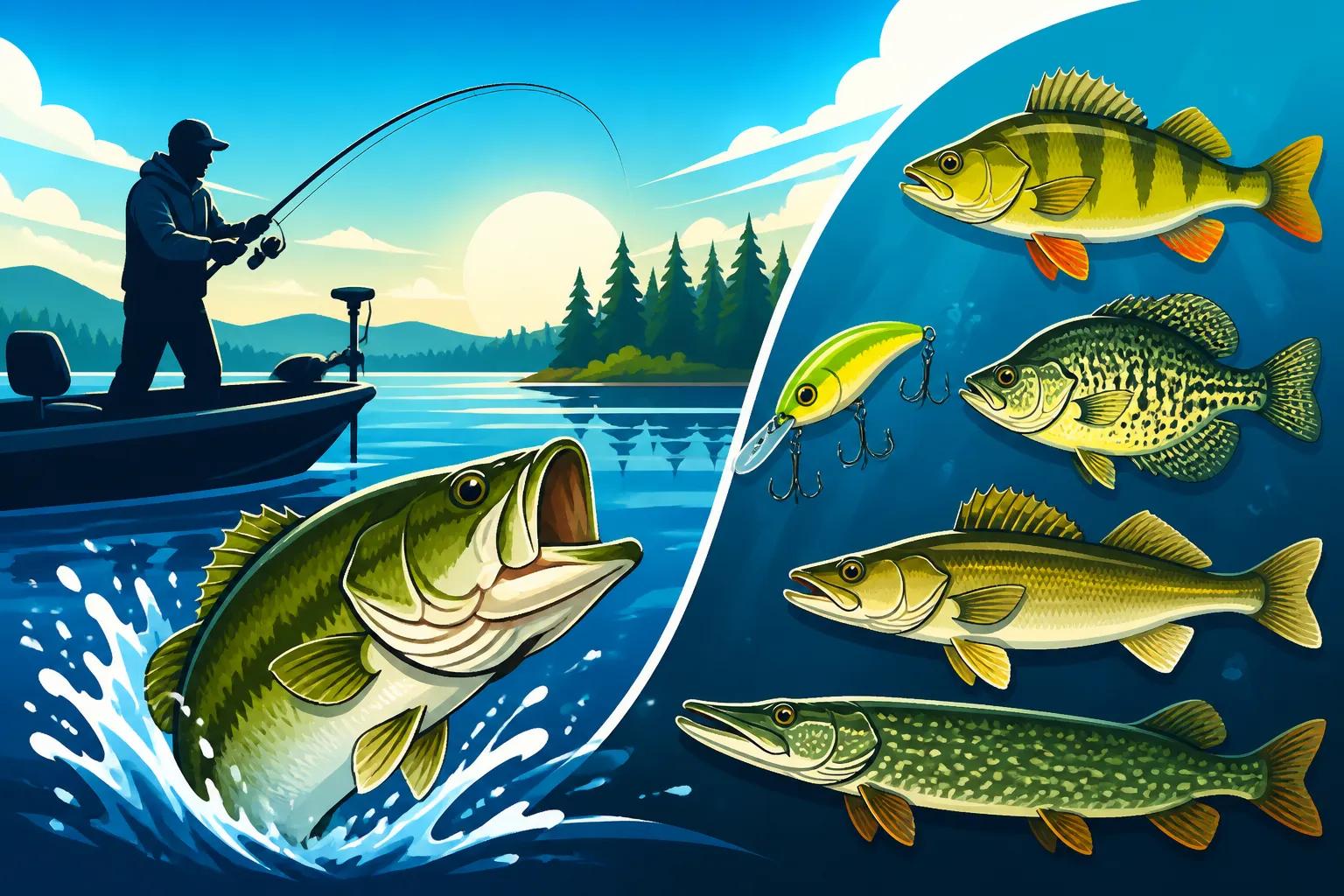
When you talk about fishing Big Detroit Lake, a few species immediately come to mind. It's a fantastic multi-species lake, meaning there's usually something biting, no matter your preference.
- Walleye: Undeniably a top draw, Big Detroit Lake's walleye population is robust, offering good numbers of eaters and the occasional trophy. They're often found relating to those deeper breaks, humps, and points, especially during the brighter parts of the day, moving shallower to feed during low light conditions.
- Northern Pike: Abundant and aggressive, northern pike are a blast to catch here. They love the weed lines and cover, ambushing baitfish. You'll find a healthy mix of hammer-handle sized pike and some legitimate trophy fish if you target the right areas with larger baits.
- Largemouth and Smallmouth Bass: For bass anglers, Big Detroit Lake offers excellent opportunities. Largemouth prefer the dense weed cover and shallow structures, while smallmouth bass are increasingly popular, often found on rocky points, humps, and hard bottom areas, especially in the clearer main lake sections.
- Crappie and Panfish: If you're looking for a relaxed day of catching, the panfish, including crappie, bluegill, and sunfish, are plentiful. They tend to school up in predictable areas, making them great targets for families or those just looking to fill a cooler with delicious fillets. Knowing the Crappie & Panfish Fishing Techniques can greatly improve your success here.
Current Fishing Report for Big Detroit Lake (General Trends)
Alright, let's talk brass tacks. What's actually happening on the water right now? Fishing reports are always a snapshot in time, heavily influenced by weather, water temperature, and fish metabolism. However, by observing general trends and typical seasonal movements, we can put together a pretty solid picture.
Walleye Activity and Location
Walleye are perhaps the most sought-after species on Big Detroit Lake, and anglers are consistently finding them, though their patterns shift. During periods of stable weather and water temperatures, these fish often hold tight to significant structural elements like the main lake points, sunken islands, and the edges of expansive weed flats. Early mornings and late evenings are prime times, as walleye push shallower to feed. During the day, they might drop into deeper holes adjacent to these structures, or suspend over deeper water, chasing schools of baitfish.
Recent reports often suggest that a good starting point for walleye is working depths between 15 and 25 feet, particularly where you see a good break line or transition in bottom content. When the sun is high, deeper structures such as those around Big Detroit's middle hump or the main lake drop-offs near the public access are worth investigating. As far as tackle goes, a classic jig and minnow or a Lindy rig with a leech or crawler remains incredibly effective, especially when fished slowly along the bottom. For those who prefer to cover water, trolling crankbaits along contours can be a fantastic way to locate active fish, especially during summer months.
Northern Pike and Bass Hotspots
Northern pike are always willing to bite on Big Detroit Lake. They are aggressive predators, and they thrive in the lake's abundant weed growth. Anglers typically find success by casting spinnerbaits, spoons, or larger jerkbaits along the outside edges of weed lines, particularly in bays like the one near the Detroit Lakes city park or the shallower northern sections of the lake. Don't be afraid to cast right into pockets within the weeds themselves; big pike love to hide there. When ice fishing, many anglers set up tip-ups with large shiners or suckers near these same weed edges. If you're new to pike fishing, exploring the nuances of Northern Pike in Minnesota: Identification & Where to Catch can really help.
For bass, both largemouth and smallmouth provide exciting action. Largemouth will be tightly associated with thick vegetation, lily pad fields, and docks. Flipping jigs, Texas-rigged worms, or topwater frogs over and into these areas can be incredibly productive, especially during low-light conditions. Smallmouth, on the other hand, often prefer hard-bottom areas. Look for them on rocky points, gravel humps, and deep weed edges. Drop-shot rigs, Ned rigs, and small swimbaits are excellent choices for targeting these bronzebacks. Anglers seeking a guided experience specifically for bass might find a local expert through platforms like FishingBooker who can pinpoint these prime locations.
Panfish: Crappie, Bluegill, and Perch Patterns
Panfish are a fantastic option on Big Detroit Lake, offering consistent action for anglers of all skill levels. Crappies are often found schooling up in deeper pockets of weed lines or suspended over basin areas, especially near submerged timber if you can find it. Small jigs tipped with a minnow or a plastic grub under a bobber are classic crappie presentations.
Bluegills and sunfish will be concentrated in shallower, protected bays with plenty of vegetation. You can often find them in depths from 4 to 12 feet, cruising the weed beds. A simple hook, bobber, and a piece of worm or a tiny jig is all you need for these feisty fish. Yellow perch, while sometimes caught incidentally, can be found on sand flats near weed edges, particularly those extending into deeper water. Small jigs tipped with a piece of crawler or a wax worm are effective. Understanding How Many Crappie Can You Keep in Minnesota? and other panfish limits is important before heading out.
Essential Gear and Techniques for Big Detroit Lake
Having the right tools for the job can make all the difference, and Big Detroit Lake demands a versatile tackle box. While simplicity often works, a bit of strategic planning for your gear can really pay off.
Top Baits and Lures for Each Species
Matching the hatch, as they say, is critical. Here’s a breakdown of some go-to options:
- Walleye:
- Live Bait: Minnows (shiners, fatheads), leeches, and nightcrawlers are the holy trinity. Fished on a Lindy rig, slip bobber, or jig, they are consistently productive.
- Artificials: 1/8 to 1/4 ounce jigs (chartreuse, orange, white), lipless crankbaits (Rapala Rippin' Rap), diving crankbaits for trolling (Rapala Shad Raps, Berkley Flicker Shads), and jigging raps.
- Northern Pike:
- Live Bait: Large shiners or suckers on a quick-strike rig under a large bobber.
- Artificials: Spinnerbaits (chartreuse, white), spoons (silver, gold, five of diamonds), large crankbaits, and soft plastic swimbaits.
- Bass (Largemouth & Smallmouth):
- Largemouth: Jigs (flipping/pitching), Texas-rigged soft plastics (worms, creature baits), topwater frogs/poppers, spinnerbaits.
- Smallmouth: Drop-shot rigs with small worms, Ned rigs, tubes, small swimbaits, jerkbaits, and small crankbaits.
- Crappie & Panfish:
- Live Bait: Small minnows, wax worms, maggots, pieces of nightcrawler.
- Artificials: 1/32 to 1/16 ounce tungsten jigs (pink, chartreuse, black) tipped with small plastics (Maki plastics, Bobby Garland baits), small spoons.
Recommended Rod and Reel Setups
Having versatile rod and reel combos will ensure you're ready for whatever Big Detroit Lake throws at you.
- Walleye: A medium-light to medium power spinning rod, 6'6" to 7' in length, paired with a 2500-3000 size spinning reel spooled with 6-8 lb monofilament or fluorocarbon, or 10 lb braid with a fluorocarbon leader. This setup is perfect for jigging, slip bobber fishing, and casting lighter presentations. For trolling, a medium to medium-heavy casting or specialized trolling rod with a baitcasting reel is preferred. You can find excellent options by checking out our guide on Best Walleye Rods & Reels.
- Northern Pike: A medium-heavy fast-action casting rod, 7' to 7'6" in length, paired with a sturdy baitcasting reel capable of handling heavier line (15-20 lb monofilament or 30-50 lb braid) and larger lures. A steel or heavy fluorocarbon leader is essential to prevent bite-offs.
- Bass:
- Largemouth: A medium-heavy to heavy power casting rod, 7' to 7'6" for flipping/pitching and heavy cover.
- Smallmouth: A medium-light to medium power spinning rod, 6'8" to 7'2", for finesse techniques like drop-shotting and Ned rigs.
- Panfish: An ultra-light or light power spinning rod, 5'6" to 6'6" in length, with a small 1000-2000 size spinning reel spooled with 4-6 lb monofilament or light braid. This setup makes even small panfish feel like giants.
Essential Electronics and Mapping
Modern electronics have revolutionized how we fish, and they are invaluable on Big Detroit Lake.
- Fish Finders/Sonar: A quality fish finder is almost a necessity for locating structure, marking fish, and identifying bait schools. Units from brands like Humminbird, Lowrance, and Garmin offer excellent detail. Side imaging and down imaging are particularly useful for scanning larger areas and identifying subtle breaks or isolated cover that traditional 2D sonar might miss. Learning How to Read a Flasher (Vexilar/Humminbird) can give you a significant advantage, especially if you also enjoy ice fishing on this lake.
- GPS and Lake Mapping: Detailed lake maps, whether on your fish finder, a dedicated GPS unit, or an app like Navionics or LakeMaster, are crucial for navigating Big Detroit Lake's contours and marking productive spots. These maps will show you depths, weed lines, rock piles, and other key features, allowing you to quickly return to a hotspot or explore new promising areas. Knowing the lake's topography before you even launch your boat can save you hours of searching.
Planning Your Big Detroit Lake Fishing Adventure
Fishing Big Detroit Lake is more than just throwing a line in the water; it's about the experience, the scenery, and preparing for a great day out. Whether you're a local or visiting, a little planning goes a long way.
Best Times to Visit for Specific Species
The "best" time to fish Big Detroit Lake depends heavily on what you're hoping to catch.
- Spring (May-June): Post-spawn walleye and pike are often shallower and very aggressive. Panfish are moving into bays to spawn, offering fantastic action. This period also includes the exciting Minnesota Fishing Seasons & Opener Dates (2026), including the walleye opener, which is always highly anticipated.
- Summer (July-August): Walleye often move to deeper main lake structures, and night fishing can be highly productive. Bass fishing is in full swing, especially around weed beds and docks. Panfish can be found deeper, often suspending or relating to deeper weed edges.
- Fall (September-October): This is trophy time for many species. Walleye feed heavily before winter, often found on deep breaks. Pike and muskie (though rare, they are present) are also very active as water temperatures drop. Crappies school up in predictable deep-water areas.
- Winter (December-March): Big Detroit Lake is a popular ice fishing destination. Walleye, pike, crappie, and perch are all targeted. The lake is known for its excellent ice fishing opportunities, with many anglers using portable shelters or even full-sized ice houses.
Local Resources and Guided Trips
Don't underestimate the power of local knowledge. The bait shops around Detroit Lakes are goldmines of information, offering real-time updates on what's biting, where people are catching fish, and what baits are working. Places like Big Detroit Bait & Tackle or J&K Marine often have recent reports and can point you in the right direction.
If you're new to the lake or want to maximize your chances, consider hiring a local fishing guide. These professionals spend countless hours on the water and know the patterns intimately. They can provide all the necessary gear and put you on fish quickly, teaching you valuable techniques along the way. Services like FishingBooker make it easy to find and book reputable guides in the Detroit Lakes area, connecting you with experts who can tailor a trip to your specific interests, whether it's chasing trophy walleye or filling a bucket with crappies.
Important Regulations and Conservation Efforts
Always, and I mean always, check the latest Minnesota Department of Natural Resources (DNR) fishing regulations for Big Detroit Lake before you head out. Regulations, including bag limits, size restrictions, and special seasons, can change annually or even mid-season for specific lakes. Knowing the Minnesota Walleye Limit & Size Rules or the Minnesota Northern Pike Limits by Zone is essential for responsible angling.
Big Detroit Lake is a precious resource, and practicing catch and release, especially for larger fish (trophy walleye, big bass, and pike), helps maintain healthy populations. Proper fish handling, such as using appropriate nets, minimizing out-of-water time, and releasing fish gently, ensures these magnificent creatures can continue to thrive for future generations of anglers. Additionally, be mindful of Aquatic Invasive Species (AIS) rules; always clean, drain, and dry your boat and gear to prevent the spread of unwanted organisms.
Big Detroit Lake Species and Current Fishing Table
To give you a quick overview of what's generally happening on Big Detroit Lake, here's a table summarizing common targets and tactics based on recent patterns. Keep in mind, fishing is dynamic, and conditions can change!
| Species | Typical Location (Current) | Preferred Depth (Feet) | Best Baits/Lures | Key Techniques |
|---|---|---|---|---|
| Walleye | Main lake points, deep breaks, weedline edges | 15-25 (day), 8-15 (low light) | Minnows, leeches, crawlers, crankbaits, jigs | Lindy Rig, Slip Bobber, Jigging, Trolling |
| Northern Pike | Dense weed lines, shallow bays, adjacent to drop-offs | 5-15 | Large shiners, spoons, spinnerbaits, jerkbaits | Casting, Trolling, Tip-Ups (ice fishing) |
| Largemouth Bass | Heavy cover, lily pads, docks, shallow wood structure | 3-10 | Jigs, Texas-rigged plastics, topwater frogs | Flipping, Pitching, Topwater |
| Smallmouth Bass | Rocky points, gravel humps, hard bottom breaks | 10-25 | Drop-shot worms, Ned rigs, tubes, small swimbaits | Finesse Jigging, Casting |
| Crappie | Deep weed pockets, submerged timber, open water schools | 10-20 (suspended) | Small minnows, plastic grubs, tungsten jigs | Slip Bobber, Jigging, Vertical Presentations |
| Bluegill/Sunfish | Shallow, vegetated bays, docks, weed flats | 4-12 | Worms, wax worms, small jigs, maggots | Bobber Fishing, Small Jigging |
| Yellow Perch | Sand flats, deep weed edges, soft bottom areas | 10-20 | Pieces of crawler, wax worms, small jigs | Jigging, Bottom Fishing |
Final Thoughts on Fishing Big Detroit Lake
Big Detroit Lake is a truly special place to fish, offering something for every angler. It's a lake that rewards persistence and a willingness to adapt to changing conditions. Don't get discouraged if the bite is slow in one spot; the lake's diverse structure means fish are likely active elsewhere. Enjoy the stunning scenery, the vibrant community of Detroit Lakes, and the thrill of the chase. Remember to respect the resource, follow the regulations, and most importantly, have fun out there. Tight lines, and I hope this report helps you make the most of your next Big Detroit Lake fishing adventure!
Disclaimer
The information provided in this guide is for general informational purposes only and is based on common fishing patterns and public knowledge. Fishing conditions, regulations, and fish behavior can change rapidly. Always consult the most current Minnesota DNR regulations before fishing and prioritize safety on the water.