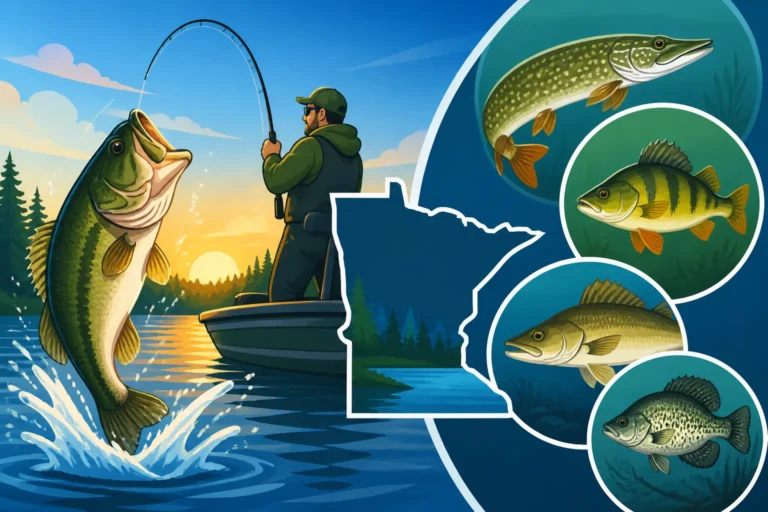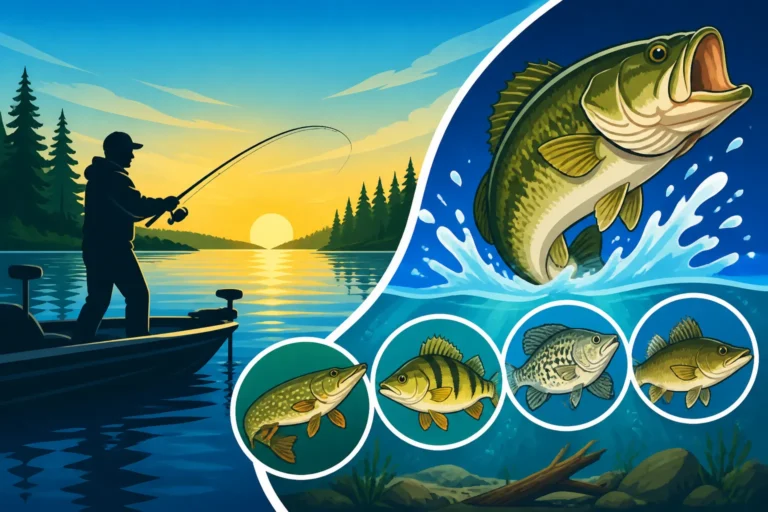
Lake Bemidji Fishing Report & What’s Biting
There’s nothing quite as frustrating as planning a fishing trip to a new lake, or even a familiar favorite like Lake Bemidji, only to arrive and realize you have no idea where the fish are biting, what they're hitting, or if the conditions have changed entirely since you last checked. It can feel like you’re blindly casting into a vast unknown, wasting precious time on the water. This guide is here to cut through that uncertainty, providing you with a comprehensive, realistic look at what’s typically biting on Lake Bemidji, how to find those fish, and the factors influencing their behavior so you can make the most of your next outing.
Understanding Lake Bemidji's Unique Fishery
Lake Bemidji, nestled in Beltrami County, is more than just a beautiful centerpiece for the city of Bemidji; it's a vital part of the Mississippi River chain and a fantastic fishing destination. What makes Bemidji so special isn't just its diverse fish population, but its dynamic nature. It’s a lake that responds to weather, season, and even daily angler pressure, meaning a real-time understanding is key to success. Knowing its general characteristics is your first step to unlocking its secrets.
Lake Topography and Key Structures
Lake Bemidji is a decent-sized lake, covering about 6,590 acres, with a maximum depth pushing 76 feet. But don't let those deep numbers scare you off; a lot of the action happens in shallower, structured areas. You'll find a mix of sand, gravel, and some muck bottoms, with significant weed beds, especially in the shallower bays and along the shoreline. These varied structures are critical for understanding where different fish species will hold. Key features include several prominent points, islands like Diamond Point and the areas around the city's waterfront, and significant weed lines that can extend quite a way out from shore. Submerged humps and breaks are also walleye magnets, especially during summer and fall.
The inflow and outflow of the Mississippi River influence certain areas, particularly the southern end where the river enters and the northern end where it exits. These current areas can concentrate baitfish and predatory species, offering unique fishing opportunities. When you're looking at a map, don't just focus on depth; pay close attention to transitions—where sand meets weeds, where a flat drops into a channel, or where current pushes past a point. These are often high-percentage areas.
Typical Water Conditions and Influences
Like any Minnesota lake, Lake Bemidji's water conditions are highly seasonal. In spring, after ice-out, water temperatures are cold, typically in the low 40s to low 50s. This is a critical time for spawning fish, and they'll often be found in shallower, warmer bays or river mouths. As summer progresses, temperatures rise, often into the 70s, leading to stratification (distinct warm and cold layers). This pushes some species deeper, especially walleye during the day. Water clarity on Lake Bemidji is generally good, often ranging from 8 to 12 feet of visibility, though heavy rains or strong winds can stir up shallower areas, temporarily reducing it.
Wind plays a massive role in fishing any lake, and Bemidji is no exception. A good chop on the water can activate a walleye bite, pushing baitfish into predictable areas and breaking up light penetration. Conversely, calm, sunny days can make fish lethargic and push them deeper or into dense cover. Always check the forecast and adjust your plans. Barometric pressure changes, often associated with approaching or departing storm systems, also have a noticeable impact, sometimes triggering a feeding frenzy just before a front, or shutting things down completely during a prolonged high-pressure system.
What's Biting on Lake Bemidji and How to Catch Them
Lake Bemidji boasts a fantastic variety of fish species, offering something for every angler. Knowing what's active and how to target them is the cornerstone of a successful trip.
Walleye: The Golden Opportunity
Walleye are undoubtedly the star of Lake Bemidji, drawing anglers from all over. They're present in good numbers and can grow to impressive sizes, with the lake having a reputation for producing quality fish. The bite can vary throughout the season, but there are always walleye to be found.
- Spring (Ice-Out to June): After the ice disappears and the Minnesota Walleye Opener 2026 arrives, walleye are typically shallow, often in 5-15 feet of water, feeding aggressively after their spawn. Look for them in areas close to their spawning grounds, like the river mouths or shallow, protected bays with some incoming flow. Jigs tipped with live minnows, such as shiners or rainbows, are incredibly effective. A simple jigging motion, keeping the bait near the bottom, often triggers strikes. Trolling crankbaits in these shallow areas, especially during low light, can also be very productive.
- Summer (July to August): As water temperatures rise, walleye often move deeper during the day, congregating on main lake points, humps, and along the deep weed edges in 20-35 feet of water. Early mornings, late evenings, and overcast days might see them push shallower. Bottom bouncer rigs with Best Live Bait for Walleye Leeches, Minnows, Crawlers or nightcrawlers fished slowly over structure are a classic choice. Trolling Crankbaits for Walleye: Speed & Depth is also highly effective, especially when using lead core line to get baits down to the desired depths. For those who love to stay mobile, Jigging for Walleye: Jig & Minnow Basics with a heavy jig and a large minnow can provoke strikes from larger, suspended fish.
- Fall (September to Ice-Up): This is often a fantastic time for trophy walleye. As the lake turns over and water temperatures drop, walleye become very active, fattening up for winter. They'll often move back shallower, particularly to rocky points, mid-lake humps, and steeper breaks. Trolling large crankbaits or fishing jigging raps and other vertical presentations can be deadly. Keep an eye on depth changes; fish might be in 10 feet one day and 30 feet the next, so staying mobile and using your electronics is key.
Remember to always check the specific Lake Bemidji Walleye Limit & Slot regulations, as they can change to manage the fishery effectively.
Northern Pike: The Aggressive Predators
Northern Pike are abundant in Lake Bemidji, providing plenty of exciting action, especially for anglers looking for a fight. They're often found in and around the extensive weed beds.
- Year-Round Presence: Pike are less finicky about water temperature than walleye and can be caught throughout the open water season. In spring and fall, they'll be very shallow, often lurking in mere feet of water near emerging or dying weed beds. In summer, while some big pike might move deeper, many will remain in the dense weed lines, seeking cover and ambush points.
- Targeting Pike: Look for areas with dense weeds, lily pads, or submerged timber. Spinnerbaits, spoons, and large crankbaits are go-to lures. Don't be afraid to throw something big and flashy! Live bait, particularly large shiner minnows or suckers on a quick-strike rig under a bobber, is also incredibly effective, especially for larger pike. For a deep dive into targeting these toothy critters, check out this guide on Northern Pike in Minnesota: Identification & Where to Catch. When fishing for pike, always use a steel or heavy fluorocarbon leader to prevent bite-offs. It's truly heartbreaking to lose a trophy because you skimped on the leader!
Panfish (Crappie, Bluegill, Perch): Family Fun
Lake Bemidji is a fantastic lake for panfish, making it an excellent destination for families or those just looking for consistent action and a tasty meal. Crappies, bluegills, and yellow perch are all present in good numbers.
- Crappie: These popular panfish can be found schooling around docks, submerged brush piles, and along the edges of deep weed lines. In spring, they move into shallow bays to spawn, becoming very catchable on small jigs tipped with plastics or minnows under a bobber. As summer progresses, they often suspend over deeper water or relate to deeper structure. A How to Use a Slip Bobber for Walleye & Crappie rig is invaluable for presenting bait at precise depths.
- Bluegill: Bluegills are almost always in or around weed beds, especially in shallower, protected areas. They're relatively easy to catch, making them perfect for kids. Small worms, wax worms, or tiny jigs fished under a bobber are usually all you need. Look for them around boat lifts, docks, and any cover that offers protection and food.
- Yellow Perch: Perch are often found in schools, relating to sand flats, weed edges, and sometimes deeper humps, especially in summer. Small jigs tipped with a minnow head or a piece of worm, fished near the bottom, are effective. If you find one perch, there are usually many more nearby!
For detailed techniques, you can explore Crappie & Panfish Fishing Techniques.
Bass (Smallmouth and Largemouth): Growing in Popularity
While walleye often steal the spotlight, Lake Bemidji offers excellent bass fishing opportunities, with both smallmouth and largemouth bass present.
- Smallmouth Bass: Bemidji is particularly known for its smallmouth bass, which thrive on rocky points, gravel bars, and hard bottom areas. They're aggressive fighters and provide thrilling action. Topwater lures, jerkbaits, and tube jigs are highly effective, especially when fished around rocky transitions or deeper humps. Smallmouth will often chase down a fast-moving bait.
- Largemouth Bass: Largemouth prefer the thicker cover of shallow bays, lily pads, and dense weed beds. Pitching jigs, Texas-rigged worms, or throwing spinnerbaits into these areas can produce some impressive catches. Frog patterns over lily pads in summer are particularly exciting.
For more on these species, check out Smallmouth & Largemouth Bass in Minnesota.
How to Get the Most Current Lake Bemidji Fishing Report
While general patterns are helpful, the truly successful angler relies on timely, specific information. Here's how to stay on top of the Lake Bemidji bite.
Checking Local Bait Shops and Resorts
Your absolute best resource for a real-time fishing report is always going to be the local bait shops. Places like Taber's Bait or Reeds Family Outdoor Outfitters in Bemidji are invaluable. The folks working there are often out on the lake themselves or talking to dozens of anglers every day. They know what's biting, on what, and where. Don't be shy; walk in, buy some bait (it's good karma!), and strike up a conversation. Ask about water temperatures, clarity, recent success stories, and tackle recommendations. They often have maps marked with general areas where fish have been found.
Many local resorts also keep close tabs on fishing conditions for their guests. A quick call to a popular resort on the lake might give you a snapshot of what’s happening, especially if they have guides working the water daily.
Online Resources and Forums
The internet has democratized fishing reports, offering a wealth of information if you know where to look. Fishing forums specific to Minnesota or even Lake Bemidji often have active threads where anglers share their experiences. Facebook groups dedicated to Minnesota fishing can also be a goldmine for recent reports and photos of catches. Just be aware that some reports can be dated or, shall we say, a little exaggerated. Take everything with a grain of salt and cross-reference information when possible.
Weather apps and marine forecasts are also crucial. They can tell you wind direction and speed, air temperature, and chances of precipitation, all of which directly impact fish behavior. Pay attention to sudden changes in barometric pressure, as these can dramatically affect the bite.
Hiring a Local Fishing Guide
If you're serious about cutting down the learning curve and getting straight to the action, especially if you're new to Lake Bemidji or targeting a specific species, consider hiring a local fishing guide. Guides are on the water constantly, understand Seasonal Fishing Patterns in Minnesota intimately, and have a finger on the pulse of the bite. They know the structure, the fish movements, and what lures are hot. It's an investment, but the knowledge and experience you gain are priceless. You can often find reputable local guides through platforms like FishingBooker, which lists experienced captains who specialize in Lake Bemidji. A guide can save you days of searching and teach you specific techniques that work on that particular body of water.
| Season | Primary Target Species | Typical Depths (Feet) | Recommended Techniques | Key Locations |
|---|---|---|---|---|
| Spring | Walleye, Pike, Crappie | 5-15 | Jigging w/minnows, shallow trolling, slip bobbers | River mouths, shallow bays, new weed growth |
| Early Summer | Walleye, Bass, Panfish | 10-25 | Bottom bouncers, crankbaits, jigs, topwater | Main lake points, weed edges, docks, humps |
| Mid-Summer | Walleye, Smallmouth, Pike | 20-40 (Walleye/Smallmouth), 8-20 (Pike) | Trolling lead core, deep jigging, drop-shot, large spoons | Mid-lake humps, deep breaks, dense weed beds, rock reefs |
| Fall | Walleye, Muskie, Pike | 10-30 | Trolling large crankbaits, jigging raps, large jerkbaits | Rocky points, steeper breaks, deep weed lines |
| Winter | Walleye, Perch, Crappie | 15-40 | Jigging spoons, minnows on deadsticks, tip-ups | Mid-lake humps, main lake basins, weed edges |
Mastering Techniques for Lake Bemidji
Knowing where the fish are is only half the battle; knowing how to catch them is the other. Lake Bemidji offers a variety of environments that call for a diverse tackle box and skillset.
Adapting to Conditions: The Angler's Mindset
Flexibility is perhaps the most important technique on any lake, and Lake Bemidji reinforces this. Don't be afraid to change your presentation, bait, or even your target species if what you're doing isn't working. If walleye are tight-lipped, maybe the pike are feeling aggressive, or the crappies are schooling. Paying attention to details like wind direction, cloud cover, and even boat traffic can give you clues.
- Windy Days: Focus on the wind-blown side of points or shorelines. The chop pushes baitfish and creates a low-light environment that predatory fish love. Often, a more aggressive retrieve or presentation works well.
- Calm, Sunny Days: Fish often go deeper or hide in dense cover. Try a more subtle approach, like a slow-fished jig or a perfectly presented live bait. Consider fishing low-light periods (dawn/dusk) if possible, as these are prime times.
- Post-Front Conditions: After a cold front, fish can become notoriously difficult. Slow down your retrieve, use smaller baits, and focus on cover or deeper water. Sometimes, just waiting a day for the fish to readjust is the best strategy.
Essential Gear and Tactics
While a comprehensive guide to Best Fishing Gear for Beginners in Minnesota By Budget would cover all the basics, here are a few key items for Lake Bemidji:
- Rods & Reels: For walleye and bass, a medium-light to medium power spinning rod with a fast action is versatile. Pair it with a 2500 or 3000 series spinning reel. For pike and muskie, a heavier baitcasting setup is often preferred due to the larger lures and the need for more backbone.
- Line: 8-10 lb test monofilament or fluorocarbon is good for walleye and panfish. Braid (10-20 lb) with a fluorocarbon leader is excellent for sensitivity and strength, especially when jigging or casting. For pike, a wire or heavy fluorocarbon leader (30-50 lb) is non-negotiable.
- Electronics: A good fish finder with GPS and mapping capabilities is invaluable. It helps you identify structure, find baitfish, mark fish, and navigate safely, especially on a larger lake like Bemidji. Knowing how to interpret your sonar signals can turn a slow day into a productive one.
- Live Bait: Minnows (shiners, fatheads, rainbows), leeches, and nightcrawlers are staples. Always check with the bait shop for local favorites and current availability.
- Lures: A mix of jigs (1/8 oz to 1/2 oz), crankbaits (both shallow and deep diving), spinnerbaits, spoons, and soft plastics will cover most situations.
Don't forget the essentials: a good pair of pliers, a net (especially for larger fish like pike and muskie), and proper safety equipment. You'll also want to know How Many Lines Can You Fish in Minnesota? to ensure you're compliant with regulations. If you're planning a trip, considering booking a fishing experience through FishingBooker to maximize your chances of success by leveraging local expertise.
Looking Ahead: Seasonal Outlook for Lake Bemidji
Fishing is dynamic, and understanding the general progression of the seasons on Lake Bemidji can help you plan your trips for optimal success.
Spring into Summer Transition
As spring melts into summer, fish patterns shift significantly. Post-spawn fish that were shallow will begin to disperse and move towards their summer haunts. The key here is the thermocline – the layer of water where temperature changes rapidly. As it sets up, it pushes fish to specific depths. Walleye will start to hold on deeper humps and breaks, especially those with access to cooler water. Bass will finish their spawn and become more aggressive, chasing baits in transition areas. Panfish will settle into their summer weed cover.
Late Summer to Fall Aggression
Late summer can sometimes see a slight slowdown in certain bites as fish become accustomed to consistent patterns, but it’s also when they're at their heaviest. As water temperatures begin to drop in late August and September, the fall bite kicks into high gear. This is when many trophy fish are caught. Walleye and muskie will feed heavily, often moving shallower as the cooler water allows them more freedom of movement across the lake. Baitfish schools become more consolidated, and finding these schools is often the key to finding active predators. Targeting these cooler water periods with aggressive presentations, like jigging large spoons or ripping crankbaits, can be incredibly effective.
Preparing for Ice Fishing Season
Once fall truly settles in and water temperatures plummet, anglers start thinking about hard water. Lake Bemidji is a very popular ice fishing destination. When the ice is safe, the focus shifts to different techniques and locations. Early ice can be fantastic for walleye in shallower areas, while mid-winter often sees anglers targeting deeper structure for walleye and schools of perch or crappie in the basins. Remember to always check ice conditions and follow Minnesota Ice Fishing & Shelter Rules before venturing out.
Disclaimer
Fishing conditions and regulations in Minnesota, including on Lake Bemidji, can change frequently. Always consult the most current Minnesota Department of Natural Resources (DNR) fishing regulations handbook or website before your trip to ensure compliance. This guide is for informational purposes only and does not constitute legal advice.