Lake Kabetogama Fishing Report & What’s Biting
It's frustrating to plan a fishing trip to a beautiful, expansive lake like Kabetogama only to feel like you're going in blind, unsure of what species are biting or the best tactics to use. This guide is designed to cut through that uncertainty, offering you the latest insights into Lake Kabetogama's fishing scene, including what's biting, where to find them, and how to maximize your chances for a successful Minnesota adventure.
Understanding Lake Kabetogama's Unique Character for Anglers
Lake Kabetogama, often affectionately called "Kabet" by locals, is a sprawling, rugged lake on the edge of Voyageurs National Park, sharing its waters with Namakan Lake. It’s part of a vast interconnected waterway system, offering an incredible diversity of fishing experiences that can sometimes feel overwhelming. Unlike smaller, more predictable lakes, Kabetogama's sheer size, numerous islands, deep basins, and intricate shorelines mean that fish patterns can shift dramatically based on the season, weather, and even time of day. Understanding these unique characteristics is your first step to unlocking its angling potential.
The Dynamics of a Border Water Fishery
Kabetogama isn't just a big lake; it's a border water, connecting directly to Canada. This cross-border dynamic means its fish populations are influenced by a larger ecosystem and its regulations can sometimes feel a bit different from inland Minnesota lakes. It’s vital to remember that while the fishing can be exceptional, you need to be mindful of all local rules and laws, especially regarding transport of bait and aquatic invasive species. The lake's connection to Namakan Lake and other smaller bodies of water means fish can move freely, adding another layer of complexity and excitement to locating them.
Key Fish Habitats and Structure
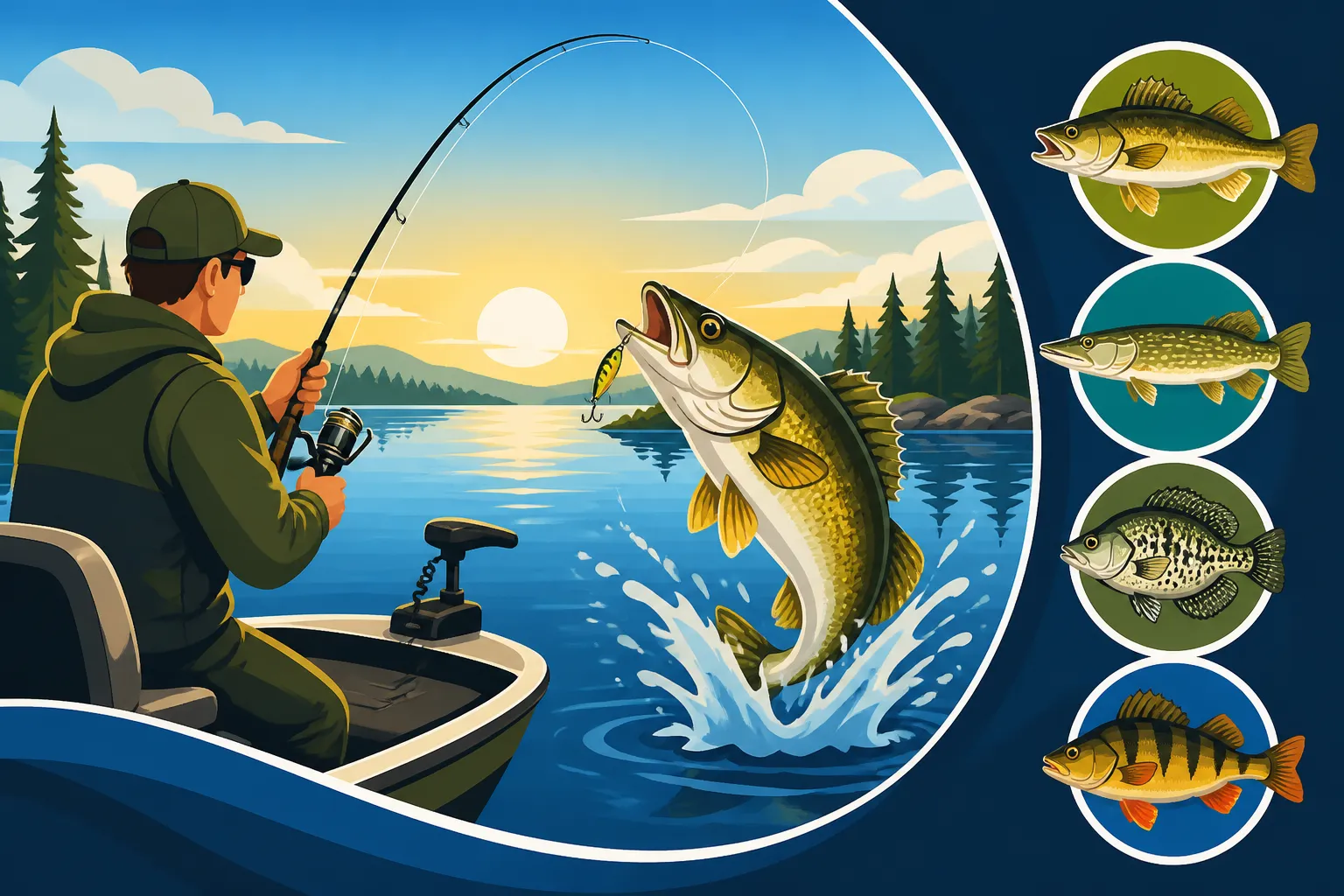
Kabetogama is a classic Canadian Shield lake, characterized by rocky points, steep drop-offs, sunken islands, vast mud flats, and plenty of timber. These varied structures provide ideal habitat for a multitude of species. Walleye, for instance, will often relate to the rockier points and main lake structure, particularly where current or wind pushes baitfish. Northern pike, on the other hand, frequently ambush prey from the weed lines and shallower bays. Smallmouth bass thrive on the rocky shores and reefs, while crappie and other panfish might be found suspended over deeper water or tucked into protected bays with submerged wood. Knowing these general preferences is crucial for narrowing down your search.
What's Biting Right Now: A Seasonal Breakdown
The beauty of Lake Kabetogama is its year-round fishing opportunities, but what’s biting and how to catch them changes dramatically with the seasons. It’s not enough to know what fish are in the lake; you need to know their current mood and location based on water temperature and forage availability.
Spring Fling: Walleye and Pike Opener Excitement
When the ice finally relents and the Minnesota fishing season opener arrives, typically in mid-May, Lake Kabetogama bursts to life. Walleye are undoubtedly the star of the show. After their spawn, they often congregate in shallower waters, bays, and around river mouths, eager to feed. This is prime time for jigging with live bait like shiners or fatheads, or slowly trolling shallow-diving crankbaits. The water is still cool, so fish tend to be less active and respond well to slower presentations. Many anglers find excellent success focusing on depths of 8-15 feet during this period. For those looking for more detail, check out our guide on Walleye Season & Limit in Minnesota.
Northern pike are also incredibly aggressive during the spring. They’ll be cruising the shallow bays and emerging weed beds, looking to ambush anything that moves. Large spoons, spinnerbaits, and even topwater lures can be highly effective. A robust medium-heavy rod and strong line are essential as these fish can put up a significant fight. Don't be surprised to hook into a trophy pike that's just shaking off the winter sluggishness.
Summer Hot Spots: Deep Water and Structure Fishing
As summer progresses and water temperatures rise, many fish species move to deeper, cooler waters. Walleye will often transition to main lake reefs, sunken islands, and mud flats, particularly during midday. This is when tactics like live bait rigging (using a Lindy Rig with a leech or crawler) or bottom bouncing with spinner rigs become incredibly effective. Trolling crankbaits over deeper breaks and humps, especially during low-light hours or at night, can also yield fantastic results for larger walleye. Consider reading up on Trolling Crankbaits for Walleye: Speed & Depth for advanced strategies.
Smallmouth bass fishing heats up in the summer, with these feisty fighters inhabiting rocky shorelines, points, and humps throughout the lake. Topwater lures at dawn and dusk, or crankbaits and jigs worked along rocky transitions during the day, can lead to incredible action. Crappie and other panfish might suspend over deeper basins or relate to submerged timber in 15-25 feet of water. Using a sensitive rod with light line and small jigs tipped with plastics or live bait is often the ticket.
Fall Feeding Frenzy: Bulking Up for Winter
Autumn on Lake Kabetogama offers some of the most consistent fishing of the year, as fish go into a major feeding pattern to pack on calories for the long winter ahead. Walleye often move back into shallower to mid-depth ranges, especially during stable weather. Trolling large crankbaits or casting jigs and plastics on rocky points and flats can be highly productive. Some of the biggest walleye of the year are often caught in the fall.
Northern pike become even more aggressive, and muskie, though rare, also start their pre-winter feed. Large bucktails and jerkbaits worked along deeper weed edges and rock breaks are the go-to for these apex predators. Even panfish will be more concentrated in certain areas, providing excellent opportunities for a last-minute fish fry before the freeze-up. Remember to check out Seasonal Fishing Patterns in Minnesota to understand these transitions even better.
Ice Fishing Wonderland: Winter Walleye and Panfish
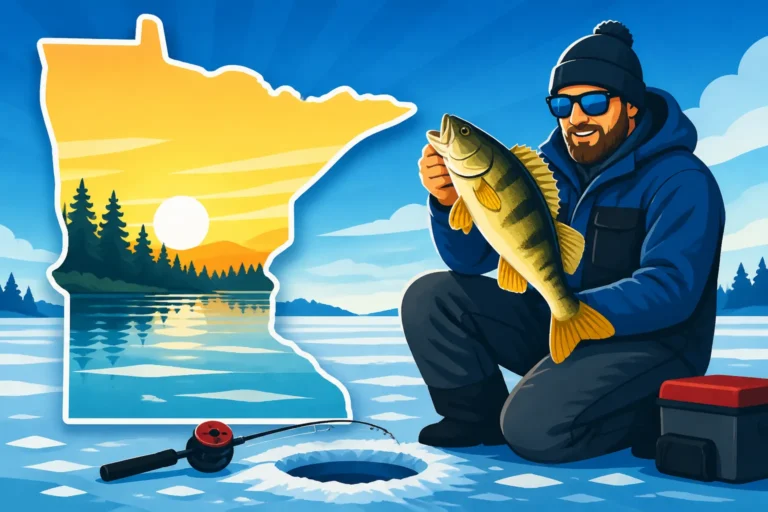
Lake Kabetogama transforms into an ice fishing paradise once the lake freezes solid. Walleye are still a primary target, often found on flats, humps, and points in 20-35 feet of water. Jigging spoons tipped with a minnow head or small Jigging Raps are incredibly popular and effective. Don't overlook the deep basins for suspended crappie and whitefish, which can offer incredible action on tiny tungsten jigs. For beginners, a good starting point is our guide on Ice Fishing for Walleye: Tactics & Setups.
Safety on the ice is paramount, especially on a large, flowing body of water like Kabetogama. Always check ice conditions and be aware of current areas. Many resorts offer plowing services for ice roads and even rent out ice shelters, making access easier and safer for visitors.
Essential Tactics and Gear for Kabetogama's Waters
Fishing Kabetogama effectively means adapting your techniques and gear to its varied conditions and target species. What works on a small, shallow lake might not cut it here. Having the right tools and knowing how to use them can make all the difference.
Choosing the Right Baits and Lures
For walleye, live bait is often king, especially when fish are less active. Leeches, minnows (shiners, fatheads, rainbows), and nightcrawlers are staples. For artificials, jig and plastic combinations, crankbaits (Rapala, Berkley, Salmo, Reef Runner), and jigging spoons are consistent producers. Northern pike love anything flashy and noisy – large spoons, spinnerbaits, and soft plastic swimbaits. Smallmouth bass hit a wide range of offerings, from tube jigs and Ned rigs to topwater poppers and walking baits. For panfish, small jigs tipped with maggots, wax worms, or tiny plastic tails are unbeatable. Our guide on Best Live Bait for Walleye (Leeches, Minnows, Crawlers) provides even more detail.
Rods, Reels, and Line Considerations
Given the size of Kabetogama’s fish and the potential for snags in its rocky terrain, having reliable gear is a must. For walleye, a sensitive medium-light to medium power spinning rod with a fast action, paired with a 2000-3000 series reel spooled with 6-10 lb braid and a fluorocarbon leader, is ideal for jigging and rigging. Trolling setups might require a medium-heavy rod with a line counter reel. For pike and muskie, heavy baitcasting gear with strong braided line (50-80 lb) is necessary. Panfish require ultra-light setups for maximum sensitivity. Don't skimp on quality; a good fishing setup makes a tangible difference. Learn more about optimal choices in our article on Best Walleye Rods & Reels.
Here's a quick reference for common species, their likely habitat, and effective baits on Lake Kabetogama:
| Species | Preferred Habitat | Key Depths (Summer) | Effective Baits/Lures |
|---|---|---|---|
| Walleye | Rocky points, reefs, mud flats, current areas | 15-35 feet | Live bait (minnows, leeches, crawlers), jigs, crankbaits, spoons |
| Northern Pike | Weed lines, shallow bays, submerged timber | 5-15 feet | Spoons, spinnerbaits, large soft plastics, topwater |
| Smallmouth Bass | Rocky shorelines, humps, structural transitions | 5-25 feet | Tube jigs, Ned rigs, crankbaits, topwater, jerkbaits |
| Crappie | Submerged timber, deep basins (suspended), protected bays | 10-25 feet (or deeper) | Small jigs (tungsten), minnows, small plastics |
| Yellow Perch | Sand flats, weed edges, transition areas | 10-25 feet | Small jigs, live bait (worms), spoons |
Utilizing Technology and Guides
For a lake as large and complex as Kabetogama, having good electronics can dramatically improve your success. A reliable fish finder with GPS and detailed mapping (like Navionics or LakeMaster chips) will help you locate structure, depth contours, and even individual fish. Side imaging or down imaging can reveal hidden humps and weed lines. If you're new to the lake or prefer a more hands-off approach to finding fish, hiring a local fishing guide is an excellent investment. They know the current patterns, hot spots, and specific techniques that work best. You can often find reputable guides through local resorts or by searching platforms like FishingBooker, which lists experienced Kabetogama guides.
Navigating Regulations and Planning Your Trip
Planning a successful trip to Lake Kabetogama involves more than just knowing what fish are biting; it also means understanding the local rules and logistics. Being prepared ensures a smooth and enjoyable experience.
Understanding Kabetogama-Specific Regulations
Because Kabetogama is part of a larger border water system and falls within Voyageurs National Park, its fishing regulations can sometimes differ slightly from typical Minnesota statewide rules. It's absolutely crucial to consult the current Minnesota DNR fishing regulations booklet specifically for Lake Kabetogama and other border waters. Pay close attention to species-specific limits, slot limits, and season dates, which can vary. For instance, the walleye limit on Kabetogama might be different from a lake just a few miles away. Always double-check regulations regarding Minnesota Fishing Seasons & Opener Dates (2026) and Minnesota Fishing Limits: Bag & Possession (2026).
Also, be acutely aware of Aquatic Invasive Species (AIS) Rules for Boaters. This includes draining all water, removing weeds, and cleaning your boat thoroughly before and after launching. Transporting bait fish, especially when crossing into or out of different water bodies, also has specific guidelines. These rules are strictly enforced to protect Minnesota’s precious waters.
Essential Gear Beyond Rod and Reel
Beyond your fishing tackle, consider the broader gear for your trip. Given the potential for variable weather, pack layers of clothing, including waterproof outerwear. Sunscreen, insect repellent, and a good first-aid kit are always wise additions. If you’re bringing your own boat, ensure it’s in excellent working order, and you have all necessary safety equipment (life jackets, throwable device, horn/whistle, fire extinguisher, etc.). A cooler for your catch and plenty of water and snacks are also essential for long days on the water.
When planning accommodations, Lake Kabetogama boasts numerous resorts and lodging options, from rustic cabins to more modern facilities. Many of these cater specifically to anglers, offering boat rentals, bait shops, and even fish cleaning stations. Booking in advance, especially during peak season, is highly recommended. If you're looking to book a guided trip, platforms like FishingBooker can help you find experienced captains who know these specific waters inside and out. Remember that a valid Minnesota Fishing License: Cost, Types & How to Buy (2026) is always required for anyone over the age of 16.
Making the Most of the Voyageurs Experience
Finally, remember that fishing Lake Kabetogama places you within the stunning scenery of Voyageurs National Park. While fishing is the main draw, take some time to appreciate the natural beauty around you. Keep an eye out for bald eagles, loons, and other wildlife. The park offers hiking trails, canoeing opportunities, and other ways to immerse yourself in the wilderness. Combining a world-class fishing trip with the incredible natural environment truly makes Lake Kabetogama a premier destination for any outdoors enthusiast.
Disclaimer
The fishing conditions, regulations, and reports mentioned in this guide are subject to change. Always consult the official Minnesota Department of Natural Resources (DNR) website for the most current regulations, licensing requirements, and any advisories before heading out on your fishing trip to Lake Kabetogama. Local conditions, such as weather and water levels, can significantly impact fishing success.