Brainerd Lakes Area Fishing Guide
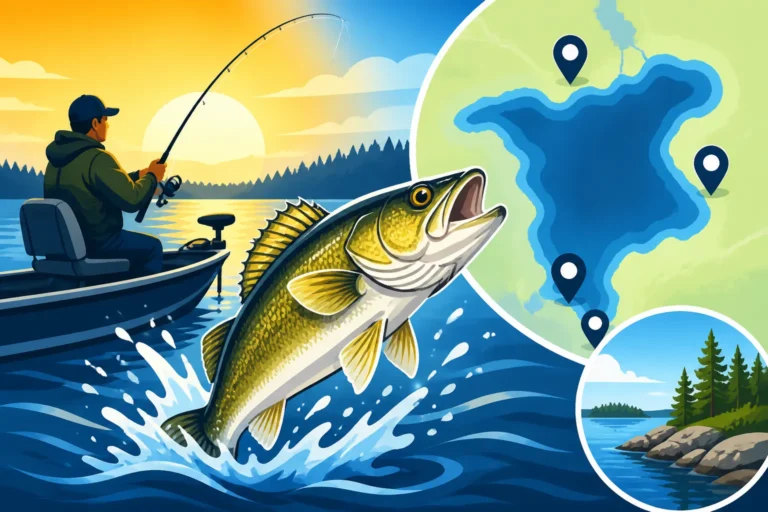
Trying to figure out where to cast your line in Minnesota can feel overwhelming, especially when you hear whispers about legendary fishing spots like the Brainerd Lakes Area. With so many lakes, different species, and ever-changing conditions, it's tough to know where to start or how to maximize your time on the water. This comprehensive guide will cut through the confusion, helping you navigate the incredible fishing opportunities the Brainerd Lakes Area offers, from trophy walleye to hard-fighting bass and abundant panfish.
Why the Brainerd Lakes Area is a Fishing Mecca
The Brainerd Lakes Area isn't just a popular vacation destination; it's a genuine angler's paradise, a reputation earned over decades of consistent, high-quality fishing. If you've ever found yourself scrolling through endless fishing forums or listening to seasoned locals debate the best spots, you'll know that this region consistently comes up as a top contender. It’s not just hype; there’s a real, tangible reason this place draws anglers from all over the country.
A Rich Tapestry of Lakes and Fisheries
What makes the Brainerd Lakes Area so special is its sheer diversity and density of water. You're not just dealing with one or two good lakes; you're surrounded by an intricate network of interconnected bodies of water, each with its own character and specialties. From massive, well-known lakes like Gull Lake to smaller, more intimate settings, the variety means there's always a new challenge or a different species to pursue. This unique hydrography creates a dynamic ecosystem that supports a robust and healthy fish population, unlike some areas where fisheries might be overstressed or limited to just a few target species. The geology here, with its mix of glacial lakes and varied bottom structures, contributes significantly to this richness, providing ideal habitats for everything from baitfish to apex predators.
Beyond Just Walleye: Diverse Species for Every Angler
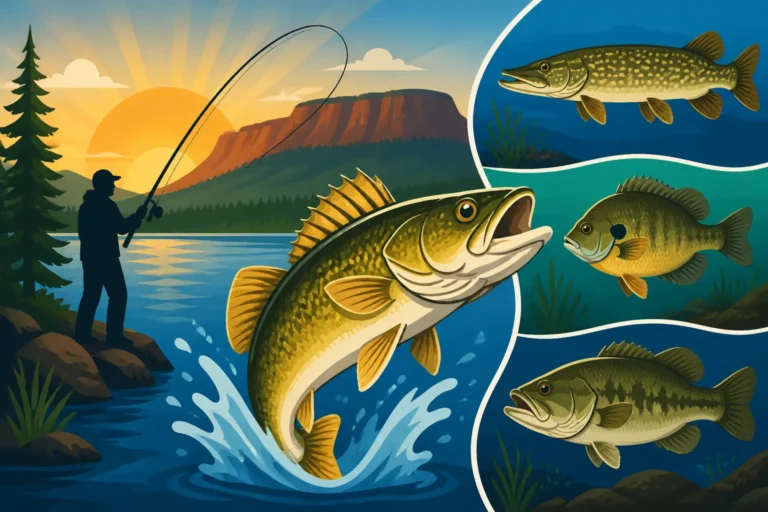
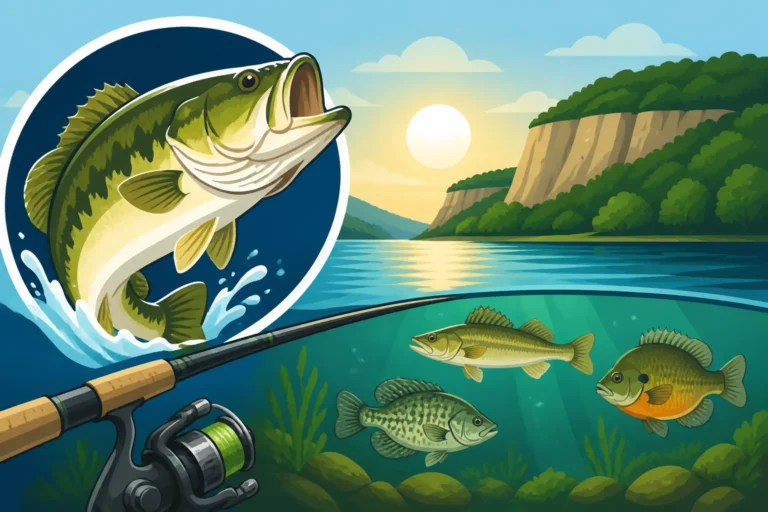
While Minnesota is famously known as the "Land of 10,000 Lakes" and perhaps even more famously for its walleye fishing, the Brainerd Lakes Area truly shines by offering so much more. Many anglers come here with tunnel vision, laser-focused on bagging a limit of walleye, and for good reason—the walleye fishery is exceptional. However, to truly appreciate the area, you need to broaden your horizons. This region boasts incredible opportunities for trophy northern pike, feisty largemouth and smallmouth bass, and abundant panfish like crappie and sunfish. If you've ever felt limited by a single-species fishery elsewhere, Brainerd is a breath of fresh air. This diversity means that even if one species isn't biting, you can easily pivot to another, ensuring a productive day on the water and making it a fantastic destination for families or groups with varied fishing interests.
Navigating the Major Players: Key Lakes and Their Specialties
When you look at a map of the Brainerd Lakes Area, it can feel like a labyrinth of blue. Knowing which lake to focus on for your target species can save you hours of frustration. Each of these major lakes, while interconnected, has its own personality, structure, and predominant fish populations, making it crucial to do a little homework before you launch your boat.
Gull Lake: The Walleye and Bass Powerhouse
Ah, Gull Lake. If there's one lake that often comes to mind when people mention Brainerd fishing, it's usually Gull. This sprawling body of water, covering over 10,000 acres, is a true juggernaut for both walleye and smallmouth bass, and don't sleep on the largemouth either. Its expansive size, diverse structure including rocky points, sand flats, deep humps, and extensive weed beds, makes it a complex but incredibly rewarding fishery. For many, the challenge of deciphering Gull Lake's patterns is part of its allure.
Walleye anglers often focus on the many humps and reefs scattered throughout the main lake, particularly during the summer months when these fish move deeper. Popular tactics include trolling crankbaits or pulling spinner rigs with live bait over these structures. During the spring and fall, walleye can often be found shallower, around points and breaklines near the weed edges. For bass enthusiasts, Gull Lake offers a phenomenal smallmouth fishery, especially around the countless rock piles and deeper drop-offs. The largemouth bass are typically found in the shallower, weedy bays, offering fantastic topwater action during low-light conditions. Many guides, often found through services like FishingBooker, specialize in breaking down Gull Lake's intricacies for visiting anglers.
The Whitefish Chain of Lakes: A Multi-Species Paradise
Just north of Brainerd, you’ll find the magnificent Whitefish Chain of Lakes, a series of 14 interconnected lakes including Big Trout, Cross Lake, and Lower Whitefish. This chain is an absolute gem for its stunning scenery and incredible multi-species fishing opportunities. What sets the Whitefish Chain apart is its variety of habitats within a connected system, allowing fish to move freely and thrive across different environments. This connection means you can spend an entire day exploring various lakes without ever pulling your boat out of the water, a truly unique experience.
While the chain is known for healthy populations of walleye, northern pike, and both species of bass, it’s also a fantastic place to target crappie and sunfish in impressive numbers. The diverse structure, from shallow, dark-bottomed bays perfect for spring crappie to deep, clear main lakes holding suspended walleye, caters to every fishing preference. Anglers often find success jigging for crappie in the weed lines of Cross Lake in early summer, or casting for pike along the extensive wild rice beds found in some of the shallower interconnected bays. The sheer scope of the Whitefish Chain ensures that if one technique isn't producing, a slight move to a different lake or habitat can completely change your luck.
North Long Lake & Pelican Lake: Hidden Gems
Beyond the giants, the Brainerd Lakes Area is dotted with other fantastic fishing lakes that might not get as much press but offer equally rewarding experiences. North Long Lake and Pelican Lake are two such examples that often fly under the radar for those unfamiliar with the region, but they hold their own as excellent fishing destinations.
North Long Lake, while smaller than Gull, is a fantastic spot for consistent walleye and panfish action. Its more uniform basin and structure can sometimes make it easier to pattern fish, especially for those who prefer less expansive water to cover. Anglers frequently report good success with traditional live bait rigs or slow-trolling techniques along the breaklines. Pelican Lake, located a bit further west, is another excellent multi-species lake known for its healthy populations of walleye, pike, and especially panfish. Its irregular shoreline, numerous points, and submerged islands create a lot of fish-holding structure. These lakes are perfect for a slightly more relaxed day on the water, often with fewer boats than their larger counterparts, giving you more space to spread out and enjoy the tranquility.
Top Species to Target and How to Catch Them
Understanding the specific species that thrive in the Brainerd Lakes Area is key to a successful outing. Each fish has its preferred habitat, forage, and biting patterns, and knowing these details will drastically improve your catch rates. Forget generic fishing advice; here, we're talking about putting Brainerd's unique fisheries to work for you.
Walleye: Minnesota's Crown Jewel
It's no secret that walleye are king in Minnesota, and the Brainerd Lakes Area is certainly no exception. These delicious, light-sensitive predators are the primary target for countless anglers, and for good reason – they're challenging to catch and fantastic on the dinner table. Walleye are often found relating to structure, whether it's rock humps, gravel bars, or the deeper edges of weed lines.
During the famous Minnesota Fishing Seasons & Opener Dates (2026), walleye can be found relatively shallow, especially in the evenings, as they recover from spawning. As summer progresses, they move deeper, often schooling around mid-lake humps and points. A classic approach is to use a Lindy Rig for Walleye with a leech, minnow, or nightcrawler, slowly drifting or trolling over structural elements. Many anglers also find success with Jigging for Walleye: Jig & Minnow Basics near drop-offs, especially in low-light conditions. For a deeper dive into techniques, our comprehensive guide on Walleye Fishing Techniques: Complete Minnesota Guide can provide invaluable insights. Remember, walleye eyes are adapted for low light, so dawn, dusk, and even night fishing can be incredibly productive.
Largemouth & Smallmouth Bass: Action-Packed Fishing
While walleye often steal the spotlight, the bass fishing in the Brainerd Lakes Area is absolutely phenomenal and shouldn't be overlooked. You've got both largemouth and smallmouth, offering different challenges and thrilling fights.
Largemouth bass are the classic ambush predators, preferring shallower, weedier environments. You'll find them lurking in lily pads, under docks, and along emergent vegetation in bays and channels. Topwater lures like hollow-body frogs or poppers are incredibly exciting during low-light periods, generating explosive strikes. Spinnerbaits and Texas-rigged plastics are also highly effective for punching through weeds or working dense cover. Smallmouth bass, on the other hand, are built for speed and power, preferring rocky bottoms, main lake points, and deeper structure. They're often found around the same humps and reefs as walleye on lakes like Gull. Drop-shot rigs, tube jigs, and crankbaits that mimic crawfish or baitfish are excellent choices for targeting these bronzebacks. For more specific strategies, check out our guide on Bass Fishing Techniques for Minnesota Lakes.
Northern Pike: Aggressive and Abundant
If you're looking for aggressive strikes and a hard fight, northern pike are your answer. The Brainerd Lakes Area boasts a robust pike population, with plenty of opportunities to catch respectable fish. These toothy predators are widespread, inhabiting nearly every lake in the region. They're typically found in or near weed beds, ambush points, and along breaklines where they can dart out to ambush unsuspecting prey.
Big inline spinners, spoons, and large crankbaits are go-to lures for pike. Don't be afraid to throw something big and flashy! Live bait, especially large shiners or suckers under a bobber, can also be deadly, particularly for bigger fish. When pursuing northern pike, always use a steel leader to prevent bite-offs – their razor-sharp teeth will make short work of monofilament or fluorocarbon. Knowing how to identify these powerful fish and where they typically reside can boost your success; our guide on Northern Pike in Minnesota: Identification & Where to Catch has some excellent tips.
Panfish Galore: Crappie, Sunfish, and Perch
The Brainerd Lakes Area is a fantastic destination for panfish, making it an excellent choice for family outings or for anglers looking for consistent action. Crappie, bluegill, and sunfish are abundant, and jumbo yellow perch can also be found. These fish are generally easier to catch, making them perfect for beginners or anyone who just wants to feel a tug on the line.
Crappie are often found schooling around submerged brush piles, docks, and the deeper edges of weed lines, especially during spring and fall. A simple slip bobber rig with a small jig tipped with a minnow or a piece of Gulp! is incredibly effective. Bluegills and sunfish will inhabit similar areas but often in shallower water, particularly around dense vegetation. Small jigs, tiny worms, or pieces of nightcrawler under a bobber work wonders. Perch are often found in deeper water over sand or gravel flats, but they'll also move into shallower weeds. Small jigging spoons or a simple hook with a minnow can produce limits of these tasty fish. Our comprehensive guide on Crappie & Panfish Fishing Techniques offers detailed strategies for targeting these species effectively.
Seasonal Strategies for Success
Minnesota fishing is a year-round affair, but the tactics you employ need to shift dramatically with the seasons. The Brainerd Lakes Area, with its diverse fisheries, truly offers something for every time of year, provided you adapt your approach.
Spring Fishing: The Opener Frenzy
Spring in the Brainerd Lakes Area is synonymous with "The Opener," the highly anticipated start of walleye and northern pike season, typically in mid-May. After a long winter, fish are hungry and often found shallower as they recover from spawning and seek warmer waters. This is an exciting time, but also one that can be crowded, so patience is key.
For walleye, focus on shallow breaklines, points, and protected bays that warm up quickly. A classic jig and minnow presentation is often king during this period. For crappie and sunfish, they'll be moving into shallow, dark-bottomed bays to spawn, making them very accessible to shore anglers or those in smaller boats. Small jigs tipped with plastics or live bait under a bobber are deadly. Northern pike will also be active in shallow weeds. It's a time of immense opportunity, but remember that fish can be sensitive to cold fronts, so a sudden drop in temperature might push them slightly deeper. Check the specific Minnesota Walleye Opener 2026 dates to plan your trip.
Summer Fishing: Structure and Deep Water Tactics
As the Minnesota summer heats up, fish patterns change dramatically. Many species, especially walleye, will move to deeper, cooler water and relate heavily to offshore structures like humps, reefs, and deep breaks. This is when your electronics truly shine, helping you locate these hidden sweet spots.
For walleye, trolling crankbaits over deep water, or pulling bottom bouncers with crawler harnesses, are highly effective strategies. Look for schools of baitfish, as walleye will often be close by. Smallmouth bass will also congregate on rocky points and main lake structure. For largemouth, target dense weed beds, lily pads, and shaded areas during the heat of the day. Panfish will often be found suspended over deeper water or relating to deeper brush piles and cribs. Evening and early morning often provide the best bite during the summer, as fish become more active in cooler water and lower light.
Fall Fishing: Pre-Winter Feasting
Fall is a truly magical time to fish the Brainerd Lakes Area. The crowds thin out, the scenery is spectacular with changing leaves, and fish are often in a feeding frenzy, packing on weight before winter. Water temperatures begin to cool, and many species move shallower again, similar to spring patterns, but with more aggression.
Walleye can be found on shallow points and flats, especially during overcast days, as they feed heavily on schools of baitfish. Trolling large crankbaits or casting hefty stickbaits can be very effective. Northern pike are particularly active in the fall, often chasing larger baits in shallower weed beds. Muskie fishing also picks up significantly, with these apex predators becoming more aggressive. Crappie and sunfish will school up in predictable deeper areas, like brush piles or deep holes, making them easier to target once you find them. The fall bite can be intense and extremely rewarding for anglers willing to brave cooler temperatures.
Winter Ice Fishing: Hardwater Adventures
The Brainerd Lakes Area transforms into a hardwater wonderland when the lakes freeze over. Ice fishing is a deeply ingrained part of Minnesota culture, and the Brainerd region offers some of the state's best opportunities. From elaborate heated "ice castles" to portable flip-over shelters, anglers flock to the ice for a shot at walleye, crappie, pike, and perch.
Walleye often move to shallow main lake points and humps during early and late ice, and deeper mud flats or sand breaks during mid-winter. Jigging spoons tipped with a minnow head, or small jigging raps, are popular choices. For crappie and sunfish, focus on basin areas where they suspend or brush piles in deeper bays. Tiny tungsten jigs tipped with wax worms or plastics are incredibly effective. Northern pike can be caught on tip-ups rigged with large shiners near weed lines. Safety is paramount on the ice; always check ice thickness and be aware of changing conditions. Learn more about Ice Fishing in Minnesota: Complete Beginner-to-Pro Guide to prepare for your winter adventure. Remember, understanding Minnesota Ice Fishing & Shelter Rules is crucial for a safe and legal trip.
Essential Gear and Local Resources
Having the right gear and knowing where to find local support can make all the difference in your Brainerd Lakes Area fishing experience. Don't show up unprepared, especially if you're targeting specific species or planning for specific conditions.
Must-Have Tackle and Electronics
Your tackle box should be well-stocked for the diverse species found here. For walleye, ensure you have a good selection of jigs (1/8 oz to 1/4 oz), crankbaits (Rapala Shad Raps, Berkley Flicker Shads), and live bait rigs. For bass, bring Texas rigs, wacky rigs, spinnerbaits, and a variety of topwater lures. Pike demand heavier gear, so spoons, large inline spinners, and robust leaders are essential. Panfish require ultralight setups with tiny jigs, bobbers, and small plastics or live bait. Consider bringing multiple rod and reel setups, each tailored to a specific technique or species, such as the Best Walleye Rod for Jigging.
Electronics are almost a necessity, especially for summer and ice fishing. A reliable fish finder or flasher (like a Humminbird Ice Helix or Vexilar FLX-28) will help you locate structure, identify fish, and present your bait effectively in deeper water or under the ice. GPS mapping, often integrated into your fish finder or via apps like Navionics, is invaluable for navigating large lakes and marking productive spots. Don't forget basic essentials like a good pair of pliers, line cutters, a sturdy landing net, and a cooler for your catch.
Finding Guides and Accommodations
If you're new to the Brainerd Lakes Area or want to maximize your time on the water, hiring a local fishing guide is one of the best investments you can make. Guides know the lakes intimately, understand seasonal patterns, and can put you on fish quickly. They often provide all the necessary gear, bait, and knowledge, freeing you up to simply fish. You can find excellent, experienced guides through services like FishingBooker, which provides listings and reviews, making it easy to book a trip tailored to your preferences. Many local resorts also have long-standing relationships with guides and can help arrange a trip.
When it comes to accommodations, the Brainerd Lakes Area offers everything from rustic cabins and campgrounds to luxurious resorts like Cragun's Resort on Gull Lake or Grand View Lodge. Many of these resorts cater specifically to anglers, offering boat rentals, bait shops, and even fish cleaning facilities. Booking well in advance, especially during peak season or "The Opener," is highly recommended. For those interested in extended stays or finding a base camp, exploring Best Fishing Resorts in Minnesota can provide some excellent options in the area.
Preserving the Fishery: Regulations and Conservation
The incredible fishing opportunities in the Brainerd Lakes Area wouldn't exist without thoughtful management and the responsible actions of anglers. Understanding and adhering to Minnesota's fishing regulations is not just about avoiding fines; it's about doing your part to ensure healthy fisheries for generations to come.
Understanding Minnesota Fishing Regulations
Minnesota fishing regulations can seem complex, with specific rules for different species, sizes, and even individual lakes. It's absolutely crucial to obtain a current copy of the Minnesota fishing regulations booklet, available online through the DNR website or at any license vendor. Pay close attention to specifics for the Brainerd Lakes Area, as some lakes might have special regulations or slot limits. For example, understanding Minnesota Walleye Limit & Size Rules is critical, as limits can change year to year or vary by lake. The general statewide limit might not apply to your specific fishing destination.
Beyond bag and size limits, be aware of rules regarding live bait transport, especially for minnows, to prevent the spread of aquatic invasive species. Also, know the rules for how many lines you can use—typically two for open water, but different for ice fishing. Make sure you have your Minnesota Fishing License: Cost, Types & How to Buy (2026) before you even cast your first line. It’s a small price to pay for access to these amazing waters and helps fund conservation efforts.
Practicing Catch and Release Effectively
While many anglers enjoy a delicious fish fry, practicing responsible catch and release, especially for larger fish or when targeting species like muskie and bass, is vital for maintaining healthy populations. Trophy fish are invaluable breeders, and releasing them ensures the future of the fishery.
When practicing catch and release, handle fish gently. Minimize their time out of the water, use appropriate landing nets (rubberized ones are best to protect fish slime coats), and use pliers or a hook remover to extract hooks quickly. If a fish is deeply hooked, it’s often best to cut the line as close to the hook as possible rather than risk further injury. For muskie and large northern pike, use a sturdy jaw spreader and long-nosed pliers to safely remove hooks. Wet your hands before handling fish to protect their protective slime layer. Educating yourself on Catch and Release Best Practices in Minnesota will not only increase the survival rate of released fish but also contribute to the overall health and sustainability of the Brainerd Lakes Area's cherished fisheries.
Disclaimer
Fishing conditions and regulations in Minnesota can change. Always consult the most current Minnesota Department of Natural Resources (DNR) regulations before heading out on the water. This guide is for informational purposes only and should not be considered a substitute for official DNR publications.