North Shore Fishing: Lake Superior & Tributaries
Fishing on Minnesota's North Shore can feel like stepping into an entirely different world compared to our inland lakes. The vast, deep, and often unpredictable waters of Lake Superior, coupled with its rugged, rocky shoreline and the dozens of crystal-clear tributaries that tumble down to meet it, present a unique set of challenges and incredible rewards. If you've ever felt overwhelmed by the sheer scale or specialized techniques required here, you're not alone. This comprehensive guide is designed to demystify North Shore fishing, offering a realistic look at what to expect, where to go, and how to successfully target the magnificent fish that call these waters home.
Understanding Lake Superior's Unique Fishing Environment
Lake Superior isn't just a big lake; it's practically an inland sea, and fishing it is a whole different ballgame than chasing walleye on Mille Lacs or bass on Minnetonka. Its sheer size, profound depths, and famously cold waters dictate everything from fish behavior to weather patterns, demanding respect and preparation from every angler.
The Immense Scale and Depth of Lake Superior
When you gaze out over Lake Superior, it's easy to feel a sense of awe mixed with a touch of intimidation. This is the largest freshwater lake in the world by surface area, and it plunges to depths exceeding 1,300 feet in some spots. This immense scale means fish can be spread out over vast areas, and finding them often requires specialized electronics and an understanding of migratory patterns rather than just bouncing from weed bed to weed bed. Unlike shallower lakes where sunlight penetrates easily, the deep, cold water of Superior means thermoclines are less pronounced, and fish often occupy different parts of the water column than you might expect. They can be suspended in open water, hugging deep rock structures, or cruising along unseen ledges.
Furthermore, the weather can change in a heartbeat on Lake Superior. A calm morning can quickly turn into a white-capped beast, making safe navigation and fishing incredibly challenging. It's not uncommon for a small craft advisory to pop up mid-day, so always keep an eye on the forecast and err on the side of caution. Many seasoned Lake Superior anglers swear by the saying, "The lake always wins," a testament to its raw power. If you're planning a trip, consider booking with local guides or charters who have the right equipment and knowledge for the big water, or even exploring options on platforms like FishingBooker to connect with experienced captains.
Cold Water Species and Their Habitat
Because of its deep, cold, and highly oxygenated water, Lake Superior supports a thriving population of fish species that prefer these conditions. Unlike many of our warmer inland lakes dominated by walleye and panfish, the big lake is a haven for cold-water predators like lake trout, salmon, and steelhead. These fish are built for endurance and often relate to deep structure, vast expanses of open water, or specific temperature bands that hold their forage.
Lake trout, for instance, are truly king of the deep here. They'll often be found near rocky reefs, drop-offs, and even suspended in the open water chasing baitfish like ciscoes (tullibee) or smelt. Targeting them means understanding how to present lures at significant depths, sometimes 100 feet or more, using downriggers, leadcore line, or heavy jigs. Then there are the various salmon species – Coho, Chinook, and the less common Pink Salmon – which are often pelagic, meaning they roam the open water, chasing schools of baitfish. Knowing their seasonal movements and preferred water temperatures is key to intercepting them. And, of course, the celebrated steelhead, which spend most of their lives in the lake but make spectacular spawning runs up the North Shore tributaries.
Prime Fishing Opportunities in Lake Superior Proper
Fishing the main basin of Lake Superior is an adventure in itself, offering a chance to tangle with some truly magnificent fish. While it can be challenging, the rewards of a screaming drag and a powerful cold-water fighter are second to none.
Trolling for Lake Trout and Salmon
Trolling is undeniably the most popular and often most effective method for targeting lake trout and salmon in Lake Superior. This technique allows you to cover vast amounts of water, presenting multiple baits at different depths and speeds until you find what the fish are looking for. You'll typically see boats rigged with downriggers, planer boards, and sometimes leadcore or copper line, all designed to get lures down to the precise depth where fish are feeding.
For lake trout, focus your efforts around prominent underwater structures like the "Lighthouse Reef" near Two Harbors, the "Lakers Reef" out from Grand Marais, or the deep drop-offs adjacent to the Apostle Islands, which are technically in Wisconsin but influence fish movements in Minnesota waters. Many anglers find success using large spoons like Michigan Stingers or Moonshine Shiver Flashes in bright, flashy colors or natural baitfish patterns. For salmon, which often suspend in the water column, pay close attention to your fish finder for bait balls. Coho salmon tend to be shallower, often in the top 30-50 feet, while Chinook might be deeper. Utilizing services like FishingBooker can help you find charters specializing in these trolling techniques, providing all the necessary gear and expertise for a successful outing on the big lake.
Deepwater Jigging and Live Bait Fishing
While trolling dominates, deepwater jigging and even some specialized live bait presentations can be incredibly effective, especially for lake trout. This method is often employed when fish are concentrated on specific humps, reefs, or points that are too small or complex for efficient trolling. Using heavy jigs, often 1 to 4 ounces, tipped with a piece of cut bait or a soft plastic swimbait, you can vertically present your offering right in the fish's face.
Areas with significant depth changes, underwater islands, or steep breaks are prime spots for jigging. Think about the deep ledges near Split Rock Lighthouse or the dramatic contours off Schroeder. When jigging, pay close attention to your electronics. You're looking for fish hugging the bottom or suspended just above it. A good flasher or fish finder is invaluable for seeing your lure and the fish's reaction. Some anglers also experiment with deadsticking a large minnow or sucker in these deep areas, often suspended just off the bottom, for a more passive but equally effective presentation, particularly for those truly giant lake trout.
Tributary Stream Fishing: A Different World
Step away from the vastness of Lake Superior, and you'll find an intricate network of rivers and streams that flow into it. These tributaries offer an entirely different, equally thrilling fishing experience, especially for those who love to wade and cast for anadromous species.
Chasing Steelhead and Salmon Runs
The North Shore tributaries are famous for their spectacular runs of steelhead (rainbow trout) and, to a lesser extent, salmon. These fish spend the majority of their lives growing large in Lake Superior's rich waters, then return to their natal streams to spawn, creating incredible fishing opportunities for intrepid anglers. The spring steelhead run, typically from April into May, is legendary, drawing anglers from across the state and beyond. Popular streams like the Knife River, Brule River, French River, and Temperance River see significant runs. Knowing the nuances of Steelhead on Minnesota's North Shore is crucial for success.
Anglers primarily target steelhead using float fishing techniques with bobbers and small jigs tipped with spawn, or by casting small spoons and spinners. Fly fishing is also extremely popular, with anglers using nymphs, streamers, and sometimes even dry flies during hatches. The key to successful stream fishing is being stealthy, understanding fish holding lies (deeper pools, current breaks, behind large rocks), and being prepared for the powerful fight of a fresh-from-the-lake steelhead. Remember, these runs are highly dependent on water levels and temperatures, so checking local fishing reports before you go is always a smart move.
Native Brook Trout and Brown Trout Opportunities
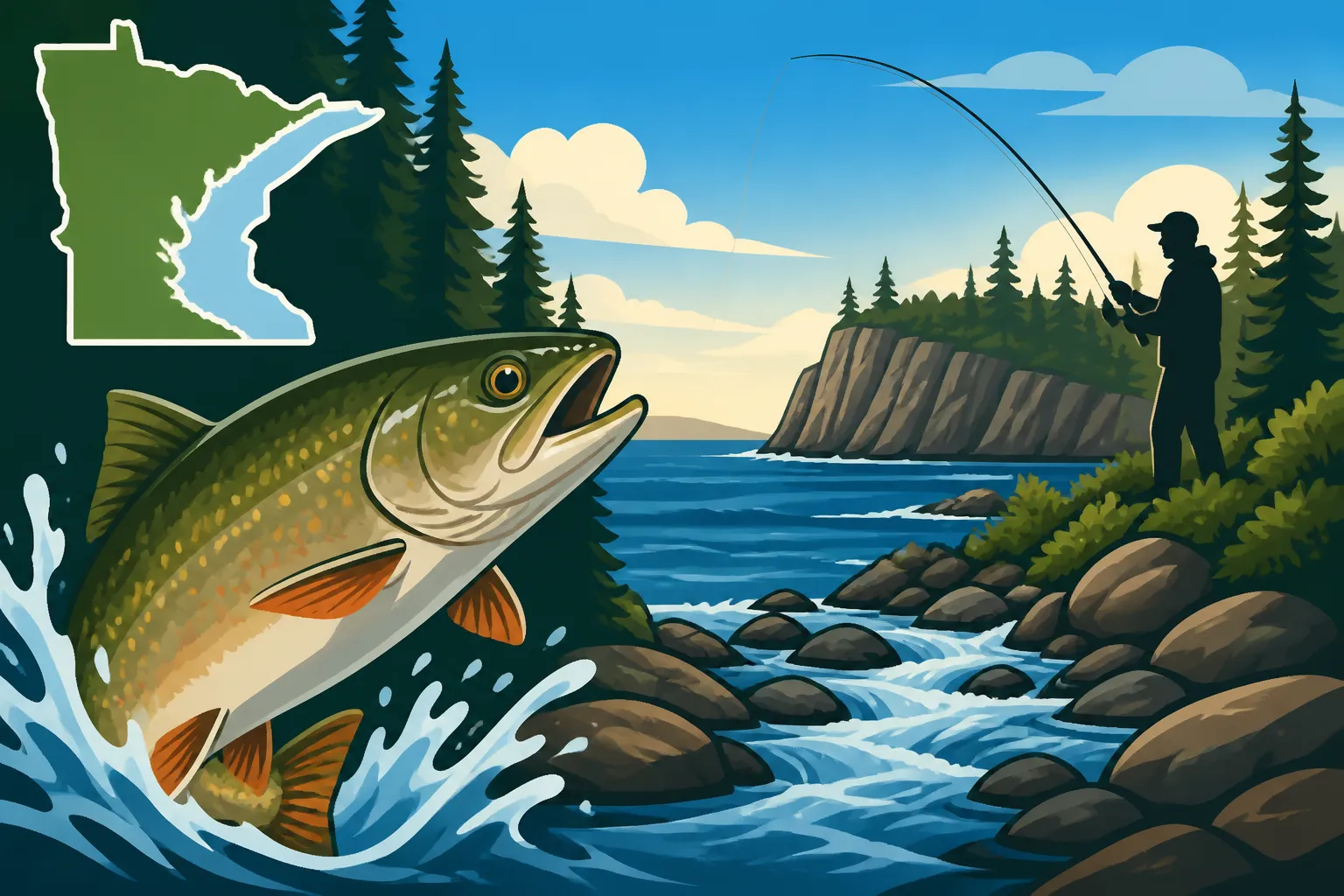
Beyond the migratory runs, many of the smaller, colder North Shore tributaries and their headwaters hold healthy populations of native brook trout and sometimes naturally reproducing brown trout. These fish are typically smaller than their lake-dwelling or anadromous cousins but offer a classic, intimate stream fishing experience. These aren't the big glamour fish, but their beauty and the challenge of catching them in tight quarters are their own reward.
Accessing these areas often requires some hiking and bushwhacking, but the solitude and pristine surroundings are worth the effort. Think about the smaller, less-pressured stretches of rivers like the Cascade, Cross, or Poplar. Fly fishing with small dry flies, nymphs, or even tiny spinners is the preferred method here. Always practice catch and release, especially for these sensitive native populations, to ensure future generations can enjoy this unique angling experience. For more on this, check out our guide on Trout Fishing in Minnesota: Streams & Lakes.
Key Fish Species and What You'll Find
The North Shore fishery is incredibly diverse, offering a target for almost every angling preference. From the deep-dwelling giants of Lake Superior to the elusive stream dwellers, there's always something biting.
Lake Trout and Splake
Lake trout are the undisputed kings of Lake Superior's depths. These powerful char are known for their strong fights and impressive size, with some growing to true trophy dimensions. They are typically found in the deeper, colder waters, often relating to submerged structure. Their diet primarily consists of smaller baitfish like ciscoes, smelt, and sculpins. You can learn more about Where to Catch Lake Trout in Minnesota in our detailed guide.
Splake, a hybrid between a brook trout and a lake trout, are also found in Lake Superior, particularly in areas near stocking efforts. They tend to grow faster and mature earlier than pure lake trout, offering another exciting target. They share many habitat preferences with lake trout but might be found in slightly shallower waters at times. The table below outlines some key characteristics of these cold-water species.
| Species | Primary Habitat | Average Size (MN) | Key Forage | Best Fishing Season | Fishing Method |
|---|---|---|---|---|---|
| Lake Trout | Deep, cold Lake Superior (50-300+ ft) | 5-15 lbs (Trophies 20+ lbs) | Cisco, Smelt, Sculpin | Year-round, best May-Oct | Trolling, Deep Jigging |
| Splake | Lake Superior (often shallower than LT) | 2-8 lbs | Smelt, Shiners | Spring, Fall | Trolling, Jigging |
| Steelhead | Lake Superior, tributary streams (spawning) | 4-10 lbs (Trophies 15+ lbs) | Smelt, Insects, Fry | Spring (runs), Summer/Fall (lake) | Float, Fly, Spin |
| Coho Salmon | Open water Lake Superior (pelagic) | 2-6 lbs | Smelt, Alewife | Spring, Summer, Fall | Trolling |
| Chinook Salmon | Open water Lake Superior (pelagic) | 5-20 lbs (Trophies 30+ lbs) | Smelt, Alewife | Summer, Fall | Trolling |
| Brown Trout | Lake Superior, tributary streams | 1-5 lbs (Trophies 10+ lbs) | Smelt, Insects, Fry | Spring, Fall | Trolling, Fly, Spin |
Salmon: Chinook, Coho, and Pink
Lake Superior is home to several species of Pacific salmon, which were introduced decades ago and have established strong populations. Chinook salmon (also known as "Kings") are the largest and most sought-after, known for their incredible power and size. Coho salmon ("Silvers") are smaller but put on an acrobatic fight, often jumping clear of the water. Pink salmon are the smallest and least common, typically caught incidentally, especially during their biennial runs in odd-numbered years. You can learn more about Salmon in Lake Superior (Coho, Chinook, Pink).
All salmon species are primarily pelagic, meaning they roam the open waters of the lake, chasing schools of baitfish. Trolling with spoons, stickbaits, and sometimes flies behind dodgers or flashers is the most effective way to catch them. Their seasonal movements can be quite distinct; spring often finds them shallower, while summer sees them move deeper as surface waters warm.
Stream Trout and Resident Brown Trout
While the big lake holds the glamour species, the dozens of tributary streams flowing into Lake Superior are a treasure trove for trout anglers. These streams offer a chance to catch native brook trout, the only trout species truly native to Minnesota, as well as resident populations of brown trout that spend their entire lives in the rivers rather than migrating to the lake. The beauty of these fish, with their vibrant colors, is truly something to behold.
Targeting these resident trout often means using lighter gear, precise casts, and a stealthy approach. Fly fishing is incredibly popular, with anglers matching the hatch with dry flies, drifting nymphs, or swinging streamers. Spin fishermen can also find success with small inline spinners or tiny jigs tipped with wax worms. These fish are often found in cooler, oxygenated stretches of water, hidden under fallen logs, in deep pools, or behind current breaks. Understanding the behavior of Lake Trout vs Brook Trout vs Brown Trout can help you distinguish your catch.
Essential Gear and Techniques for the North Shore
Fishing the North Shore demands specific gear and an understanding of specialized techniques, whether you're battling the big lake or wading a smaller stream. Don't show up with your typical bass rod and expect to dominate!
Big Water Trolling Setups
For serious Lake Superior trolling, you'll want to invest in robust gear capable of handling heavy lines, deep-diving lures, and powerful fish. This often includes medium-heavy to heavy action trolling rods, paired with line counter reels spooled with monofilament or braided line, often backed by leadcore or copper line for depth control. Downriggers are practically a necessity for precise depth management, allowing you to present lures at exact depths in the water column.
Your tackle box should be stocked with a variety of spoons, stickbaits, and dodgers/flashers in different sizes and colors to match the conditions and species you're targeting. Popular spoon brands include Dreamweaver, Michigan Stinger, and Warrior Lures. Stickbaits like Rapala Original Floaters or Husky Jerks are also highly effective, especially for salmon. Don't forget a good set of offshore planer boards if you want to spread out your lines and cover more water away from the boat. For those just starting out, check our guide on the Best Fishing Gear for Beginners in Minnesota By Budget.
Stream and Shoreline Fishing Gear
When you switch from the big lake to the intimate streams or rocky shorelines, your gear needs to change dramatically. For stream fishing, a light to medium-light spinning rod (6-7 feet) with a fast action, paired with a small spinning reel spooled with 4-8 lb monofilament or fluorocarbon, is ideal. This setup allows for accurate casts in tight quarters and provides enough sensitivity to detect subtle bites. If fly fishing, a 4-6 weight fly rod with a matching reel and floating line is a versatile choice for most trout and steelhead applications.
Shoreline fishing on Lake Superior, though challenging, can yield results, especially during specific times of year like spring and fall when fish are closer to shore. A medium-heavy spinning rod (7-9 feet) capable of casting heavier spoons or crankbaits long distances is a good option. Braided line with a fluorocarbon leader is recommended for increased casting distance and sensitivity. Always be mindful of the slippery rocks and waves, and consider wearing studded boots for better traction.
Essential Accessories for North Shore Anglers
Beyond rods, reels, and lures, several accessories are crucial for a successful and safe North Shore fishing trip.
- Marine Electronics: For Lake Superior, a quality fish finder with GPS and mapping capabilities is non-negotiable. Brands like Humminbird, Garmin, and Lowrance offer excellent units that can help you locate structure, baitfish, and game fish, as well as navigate safely.
- Safety Gear: Life jackets (worn!), a marine radio, first-aid kit, and flares are absolute musts when heading out on Lake Superior. The lake's cold water and sudden weather changes demand respect.
- Waders and Wading Boots: For stream fishing, breathable chest waders and comfortable wading boots with good traction (felt soles or studded rubber) are essential for navigating rocky streambeds and staying warm.
- Nets: A large, long-handled landing net is vital for steelhead and salmon, both on the boat and in the streams, to safely land and release fish.
- Layered Clothing: The weather on the North Shore, especially near the lake, can change rapidly. Always dress in layers, even in summer, and bring waterproof outerwear.
- Cooler and Ice: Keep your catch fresh! Lake Superior fish are delicious, but you need to properly care for them.
- AIS Compliance: Remember to follow all Aquatic Invasive Species (AIS) rules, especially if you're bringing your boat from another body of water. This means draining all water, removing vegetation, and cleaning your boat and gear. Check out How to Decontaminate Your Boat (AIS) for detailed steps.
Navigating Regulations and Conservation
Fishing on the North Shore, especially for migratory species, comes with specific regulations designed to manage these unique fisheries. It’s imperative to understand and follow them closely to ensure the health of the resource.
Lake Superior Specific Regulations
The Minnesota Department of Natural Resources (DNR) sets specific regulations for Lake Superior, often differing from those on inland lakes. These regulations cover everything from possession limits for lake trout, salmon, and splake to gear restrictions and seasonal closures. For instance, there are often lake-specific limits or even slot limits for lake trout, depending on management goals. Always consult the most current Minnesota Fishing Regulations handbook or the DNR website before your trip. This includes understanding the nuances of Minnesota Fishing Seasons & Opener Dates (2026) for these specific species.
Keep in mind that border water rules can also come into play if you venture near the Wisconsin or Ontario borders. If you are hiring a guide or charter, they will be well-versed in these rules, but it's always good for you as an angler to be aware. Many charters listed on FishingBooker also provide regulatory information as part of their service.
Tributary Stream Regulations and Trout Stamps
Fishing the North Shore tributaries for trout and steelhead also has its own set of rules, which are often more detailed due to the sensitive nature of spawning runs. You'll typically need a valid Minnesota fishing license, and if you're targeting trout or salmon (which includes steelhead), you'll also need a Minnesota Trout Stamp & Trout Regulations. These stamps are vital for funding trout management and habitat restoration efforts.
Regulations often include special tackle restrictions (e.g., single-hook artificials only), catch-and-release only sections, and specific season dates for individual streams or sections of streams, especially during spring and fall spawning runs. It's not uncommon to find areas with reduced bag limits or even mandatory immediate release for certain species. Always check the DNR regulations for the specific stream you plan to fish, as rules can vary greatly from one tributary to the next. Conservation is paramount in these fragile ecosystems, so ethical angling practices like careful handling of fish, minimal disturbance of spawning beds, and packing out all trash are essential.
Disclaimer
Fishing conditions, regulations, and opportunities can change rapidly. This guide provides general information and recommendations. Always consult the latest Minnesota Department of Natural Resources (DNR) fishing regulations before heading out on the water. Stay safe, be aware of weather conditions, and practice ethical angling.