Iron Range Fishing: Best Lakes & Species
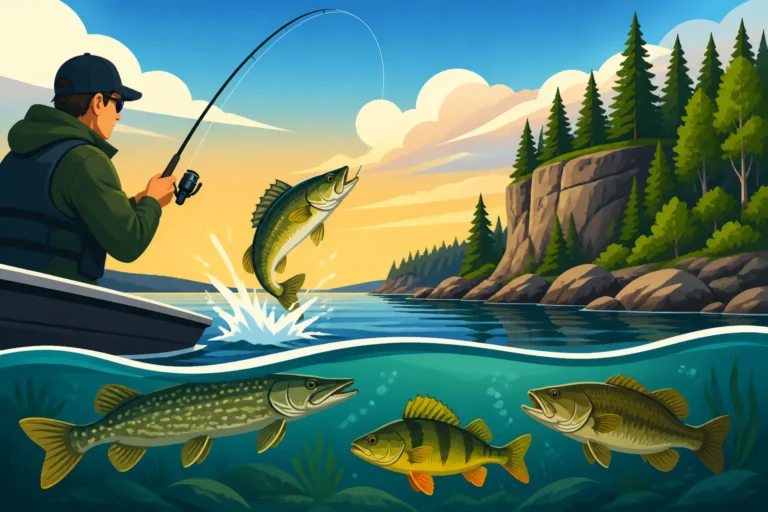
Ah, the Iron Range! It's a place steeped in history, rugged beauty, and some of the most overlooked, phenomenal fishing in Minnesota. Many anglers, especially those not familiar with the region, often feel intimidated by the sheer number of lakes or unsure where to even begin looking for their target species among these vast, deep waters. This guide aims to clear up that confusion, helping you navigate the unique challenges and discover the incredible fishing opportunities the Iron Range truly offers, ensuring your next trip is both productive and memorable.
Understanding the Iron Range Fishing Experience
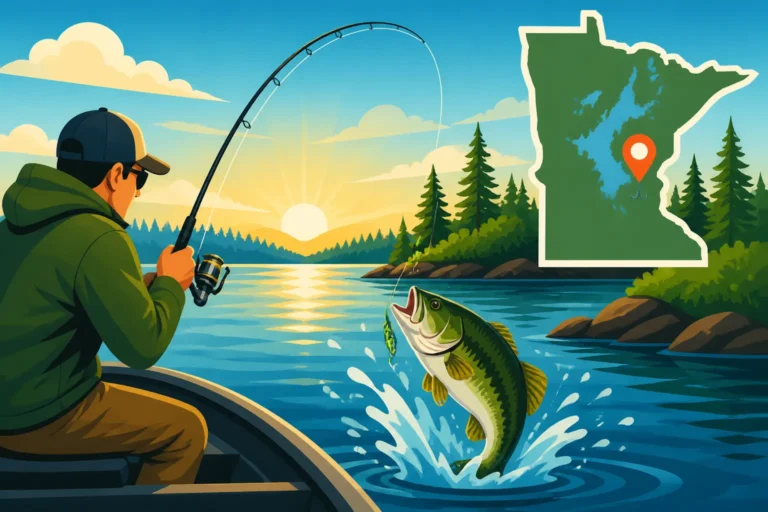
The Iron Range isn't just a place on a map; it's a feeling, a distinct identity within Minnesota, shaped by its mining heritage and its wild, untamed northwoods. This region, primarily in northeastern Minnesota, offers a fishing experience that's quite different from the shallower, more developed lakes further south. Here, you'll find everything from massive, ancient glacier-carved lakes to smaller, hidden gems, each with its own character and resident fish populations.
The Unique Landscape and Waterways
The landscape of the Iron Range is characterized by dense forests of pine, spruce, and birch, interspersed with rocky outcrops and the occasional remnant of its industrial past. The lakes themselves are often deeper, clearer, and more oligotrophic (nutrient-poor) than their central or southern Minnesota counterparts, which influences the types of fish found and their behavior. You'll encounter challenging structures like steep drop-offs, expansive rock reefs, and numerous islands. This complex underwater topography provides abundant habitat for a diverse range of species, from the ubiquitous walleye to cold-water lake trout. The water quality is generally excellent, reflecting the wild nature of the surrounding wilderness, and that translates to healthy, vibrant fish populations.
Common Frustrations and How to Overcome Them
It's easy to feel a bit overwhelmed when you first hit the Iron Range. Unlike some popular tourist lakes with endless bait shops and readily available guides, the Iron Range can feel a little more spread out and less "commercialized." This can lead to frustrations like struggling to find specific access points, not knowing which lake to choose among hundreds, or even just feeling lost on a large body of water without familiar landmarks. The sheer size and depth of some lakes can also make finding fish a real puzzle if you're used to shallower, weedier environments.
To overcome these hurdles, a bit of preparation goes a long way. First, embrace the challenge! This is a place for discovery. Second, don't be afraid to consult local bait shops or resorts; they are invaluable resources for current conditions and hot bites. Tools like detailed lake maps (paper or digital, like those on your fish finder or a reliable app) are absolute must-haves. If you're really new to an area, consider hiring a local guide for a day. Services like FishingBooker can help connect you with experienced Iron Range guides who know the nuances of these waters, saving you hours of trial and error.
Top Fishing Lakes on the Iron Range
When we talk about the Iron Range, we're covering a pretty big swath of Minnesota, encompassing areas around towns like Ely, Tower, Biwabik, Eveleth, Hibbing, and Grand Rapids. Each sub-region has its own star lakes, offering unique angling experiences.
Lake Vermilion: A World-Class Destination
Lake Vermilion is arguably the crown jewel of Iron Range fishing, a truly magnificent body of water that lives up to its "Lake of the Sunset Glow" name. This sprawling lake, with its over 365 islands and more than 1,200 miles of shoreline, is a phenomenal fishery. It’s a multi-species paradise, but it’s most famous for its incredible walleye and muskie populations. The lake offers a mix of deep, clear water, rocky reefs, submerged humps, and intricate bays, providing diverse habitats.
For walleye anglers, Lake Vermilion offers consistent action, though they can be finicky. Early season walleye after the opener can be found shallower, often near rocky points and river mouths. As summer progresses, they move to deeper structure, relating to humps and main lake points. Muskie fishing here is a serious endeavor, with many anglers specifically targeting the lake's abundant trophy fish. These waters hold some truly massive muskie, requiring heavy gear and a lot of dedication. Smallmouth bass also thrive in Vermilion's rocky environments, providing exciting topwater action in summer. Planning a trip to this expansive lake? Our guide on Lake Vermilion Fishing Guide dives even deeper into what makes this fishery so special.
Biwabik & Ely Area Gems: Exploring Smaller Lakes
While Vermilion gets a lot of the spotlight, the areas around Biwabik and Ely are dotted with countless smaller, yet incredibly productive, lakes. These often provide a more intimate fishing experience, with less boat traffic and opportunities for diverse catches.
Near Biwabik, lakes like Embarrass Lake and Sabre Lake offer good opportunities for walleye, northern pike, and panfish. These lakes tend to be a bit smaller, making them easier to navigate for those without massive boats. You might find great crappie and bluegill action in these systems, particularly in spring and early summer when they move into shallower bays.
The Ely area, known as the gateway to the Boundary Waters Canoe Area Wilderness (BWCA), is surrounded by stunning, clear-water lakes. While many require canoe access, some, like Lake Shagawa, Burntside Lake, and Fall Lake, are accessible by motorized boat and offer fantastic fishing for northern pike, smallmouth bass, and even lake trout in the deeper systems. Burntside Lake, for example, is a pristine, deep-water lake known for its healthy lake trout population. If you’re looking for a more remote, tranquil experience, these lakes are incredible, often surrounded by untouched wilderness. Remember to check specific regulations for each lake, as some may have unique rules, especially those bordering or within wilderness areas.
Grand Rapids & Hibbing Region: Diverse Opportunities
Moving slightly southwest, the Grand Rapids and Hibbing areas present another fantastic array of fishing lakes, often with a slightly different character than the deeper, rockier lakes further north and east. This region is still very much "northwoods" but often features more varied terrain.
The Grand Rapids area is known for its excellent multi-species lakes. Pokegama Lake is a prime example, a large, popular lake offering excellent walleye, northern pike, bass, and panfish fishing. It has a good mix of shallow bays, weed lines, and deep structure. Anglers can find success here with a variety of techniques throughout the seasons. Another gem is Lake Winnie, or Lake Winnibigoshish, which, while a bit further west, is often considered part of the broader Iron Range fishing experience and is famous for its abundant walleye and jumbo perch. Our detailed guide on Lake Winnibigoshish (Winnie) Fishing Guide can help you plan a truly memorable trip there.
Near Hibbing, lakes like Lake Leander and Sturgeon Lake provide good pike and panfish action. These lakes are often more accessible and can be great options for a family outing or a quick evening fishing trip. They may not have the trophy potential of Vermilion or Winnie, but they offer consistent action and a chance to enjoy Minnesota's beautiful outdoors without too much hassle.
Primary Fish Species You'll Encounter
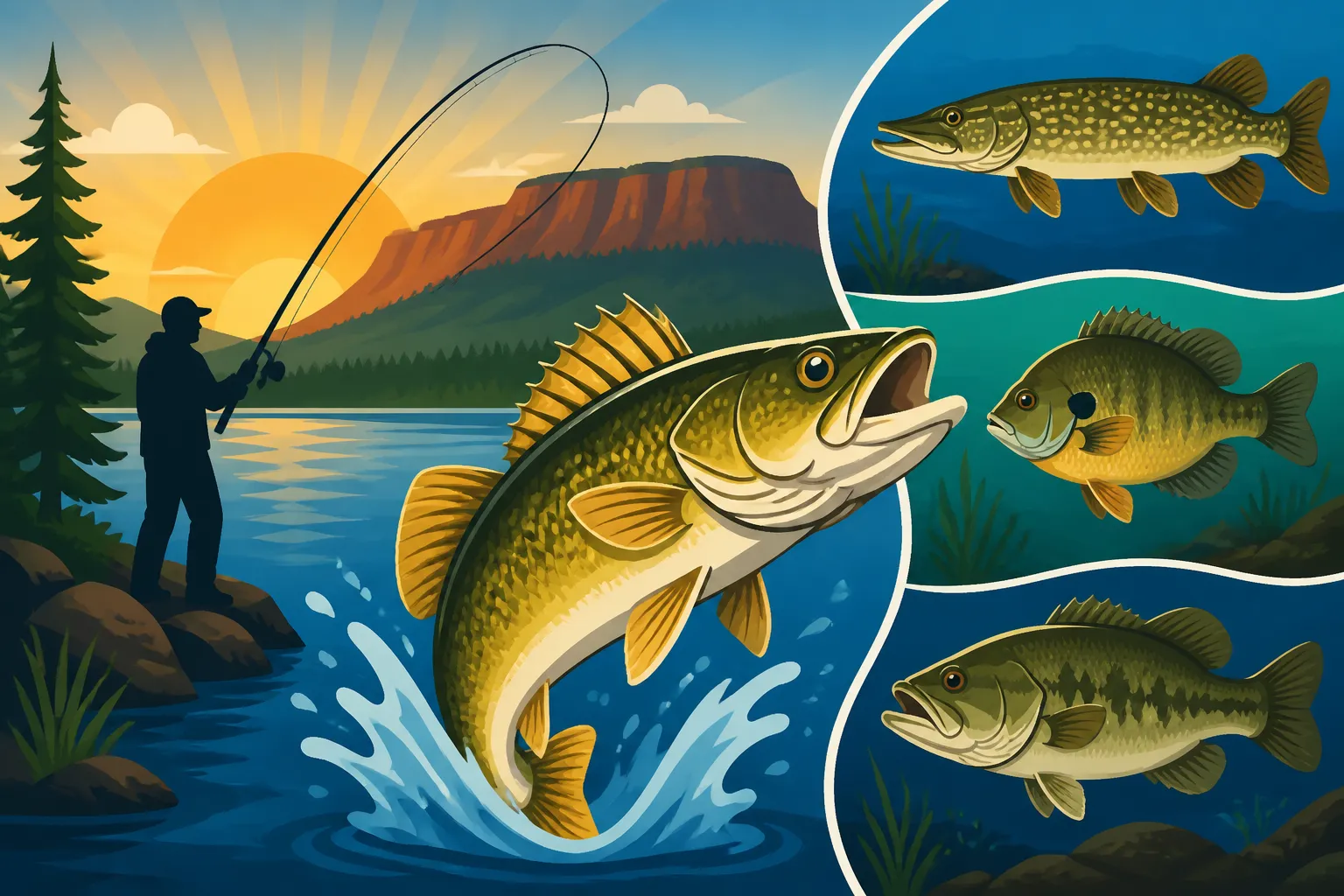
The Iron Range is a diverse ecosystem, meaning you'll find a wide variety of fish species, each offering a unique challenge and reward. Knowing what to expect and what to target can greatly enhance your trip.
Walleye: The Minnesota Staple
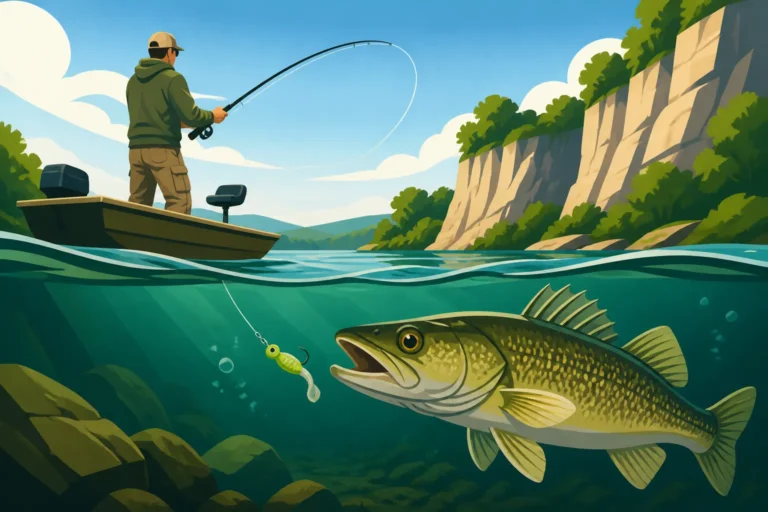
Let's be real, for most anglers coming to Minnesota, the walleye is king. And on the Iron Range, these delicious fish are abundant. They thrive in the deeper, cooler waters found in many of these lakes. Lakes like Vermilion, Pokegama, and Winnie are absolutely legendary for their walleye fisheries. Anglers often target them using various methods depending on the season, from jigging with minnows or plastics in spring to trolling crankbaits or spinner rigs during the summer.
Finding walleye on the Iron Range often means focusing on structure: deep reefs, humps, sharp breaks, and points. The clearer water can make them a bit more light-sensitive, so low-light conditions (dawn, dusk, or overcast days) or night fishing for walleye can be particularly productive. Understanding their seasonal movements is key. If you’re serious about bagging some of these tasty fish, our comprehensive Walleye Fishing in Minnesota: Complete Guide offers all the tactics and tips you’ll need.
Northern Pike and Muskie: Apex Predators
The Iron Range is a haven for toothy critters, making it a fantastic destination for northern pike and muskie anglers. The abundant forage and diverse cover (weeds, rocks, timber) create ideal habitats for these powerful predators.
Northern pike are found in virtually every lake on the Iron Range, from small ponds to the largest reservoirs. They're aggressive biters and provide thrilling action. While many are hammer-handle sized, trophy pike are definitely present, especially in larger lakes like Vermilion. Casting large spoons, spinnerbaits, or dead bait under a bobber are common and effective techniques. Learn more about where to find these fish in our article on Northern Pike in Minnesota: Identification & Where to Catch.
Muskie fishing, often called the "fish of 10,000 casts," is a serious pursuit on the Iron Range. Lake Vermilion is a nationally renowned muskie fishery, regularly producing fish over 50 inches. Other lakes like Leech Lake (just southwest of the traditional Iron Range, but often grouped with it for fishing discussions) also offer incredible opportunities. Targeting muskie requires heavy-duty gear, large baits (bucktails, jerkbaits, glide baits), and immense patience. If you're ready to take on the challenge, our guide to Muskie Fishing in Minnesota: The Fish of 10,000 Casts will set you on the right path.
Bass and Panfish: Fun for Everyone
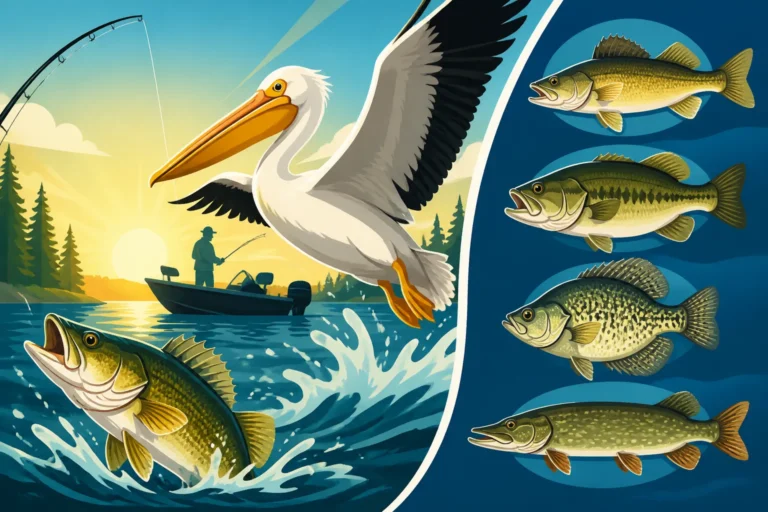
Beyond the glamour species, the Iron Range boasts excellent opportunities for smallmouth and largemouth bass, as well as a variety of panfish, including crappie, bluegill, and perch. These species provide consistent action and are perfect for family fishing trips or when the walleye bite is slow.
Smallmouth bass thrive in the clear, rocky waters of many Iron Range lakes, especially Lake Vermilion. They are powerful fighters, often hitting topwater lures with explosive strikes. Look for them around rocky shorelines, humps, and submerged timber. Largemouth bass prefer weedier, shallower environments, which can be found in the bays of larger lakes or in smaller, shallower systems. Techniques for these can be found in our Bass Fishing Techniques for Minnesota Lakes article.
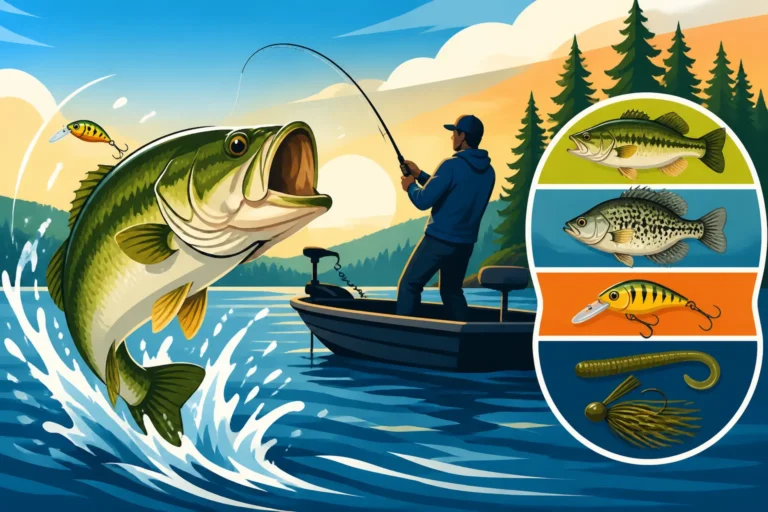
Panfish, including black crappie, bluegill, and yellow perch, are widespread and provide fantastic light-tackle fun. You can often find large schools of crappie in bays and around submerged brush, especially in spring. Bluegill are abundant in shallower, weedy areas. A simple bobber and a worm or a small jig tipped with a piece of plastic or a live critter like a waxworm is often all it takes to fill a bucket. Many lakes have healthy populations of jumbo perch, which are excellent table fare and provide great action through the ice.
Lake Trout: Cold Water Fighters
For those seeking a true cold-water challenge, some of the deeper, colder lakes on the Iron Range, particularly those in the Ely area like Burntside Lake and sections of Lake Vermilion, hold impressive lake trout. These ancient fish require specialized techniques, often involving trolling deep with downriggers or heavy jigs in very deep water.
Lake trout are powerful, hard-fighting fish that inhabit the abyssal plains and deep structures of these pristine waters. The best times to target them are often during the cooler months, such as early spring or late fall, or by seeking their deep summer haunts. It's a unique and rewarding experience for anglers looking for something different from the typical Minnesota walleye bite. Our guide to Trout Fishing in Minnesota: Streams & Lakes can give you further insights into pursuing these magnificent creatures.
Essential Tips for Iron Range Anglers
Venturing into Iron Range fishing can be incredibly rewarding, but a little preparation and knowledge of local nuances can make all the difference.
Navigating Regulations and Seasons
Minnesota's fishing regulations can sometimes feel like a complex puzzle, and the Iron Range is no exception. It’s crucial to always have the latest Minnesota Fishing Regulations booklet or access to the DNR website for current rules. Season dates, length limits, and bag limits can vary not only by species but also by individual lake or water body. For example, walleye limits might be different on Lake Vermilion than on a smaller, nearby lake. The state's fishing seasons are also very specific, with different opener dates for various species. Our comprehensive guide, Minnesota Fishing Seasons & Opener Dates (2026), is an excellent resource to ensure you're always fishing legally and responsibly.
Another critical aspect is ensuring you have the correct fishing license. Whether you're a resident or non-resident, daily, annual, or specialized licenses are required. You can find all the details on purchasing your license in our article, Minnesota Fishing License: Cost, Types & How to Buy (2026). Always double-check any special regulations for specific lakes; some may have slot limits or protected areas to help maintain fish populations.
Gear Recommendations for Iron Range Waters
Given the diverse fishing opportunities, your gear choices will depend on what you plan to target. However, a few general recommendations can help you be prepared.
For walleye, a medium-light to medium power spinning rod with a fast action is versatile for jigging, slip bobbers, or lighter trolling setups. Pair it with a reliable 2500 or 3000 series spinning reel spooled with 8-10 lb braided line, especially in the clearer Iron Range waters where sensitivity is key. If you're trolling, consider a dedicated trolling rod with a line counter reel for consistent depth control.
If you're chasing northern pike and muskie, you'll need heavier gear. A medium-heavy to heavy power baitcasting rod, often 7 to 9 feet long, paired with a robust baitcasting reel is essential. Spool up with 50-80 lb braided line and always use a steel or heavy fluorocarbon leader to prevent bite-offs from those razor-sharp teeth. Don't forget a large, rubberized landing net; it's safer for both you and the fish when handling these big predators. For panfish, ultralight or light action rods with small spinning reels are perfect, offering maximum fun on smaller fish.
When it comes to lures and baits, a diverse tackle box is your friend. Jigs (1/8 to 1/2 oz), crankbaits (both shallow and deep diving), spinner rigs (like Lindy Rigs), and a selection of soft plastics will cover most walleye scenarios. For pike and muskie, large spoons, spinnerbaits, bucktails, and jerkbaits are standard. And never underestimate the power of live bait: minnows, leeches, and nightcrawlers are staples for walleye and panfish throughout the region.
Planning Your Trip and Finding Resources
Effective trip planning is key to a successful Iron Range fishing adventure. Start by deciding what species you want to target and which lakes are known for them. Once you've picked a general area, look into accommodation options. The Iron Range offers everything from rustic cabins and campgrounds to full-service resorts. Services like FishingBooker can not only help you find guides but also provide insights into popular fishing spots and what’s currently biting.
Beyond online resources, local bait and tackle shops are goldmines of information. They often have real-time fishing reports, know which baits are working best, and can point you to lesser-known hotspots. Don't be afraid to ask questions! The local community is often proud of their fishing heritage and happy to share insights. Public access points and boat launches are usually well-marked, but it’s always a good idea to check maps or satellite imagery beforehand to confirm routes and parking availability, especially if you’re planning to launch a larger boat.
Consider the time of year carefully. Spring brings aggressive post-spawn bites for many species, while summer offers consistent action on deep structure or early morning/late evening bites. Fall can be fantastic for trophy pike and muskie, as they feed heavily before winter. And, of course, the Iron Range is a prime destination for ice fishing, offering some incredible opportunities to target walleye, crappie, and perch through the hardwater.
| Lake Name | Primary Species Targeted | Key Features for Anglers | Best Time to Visit (General) |
|---|---|---|---|
| Lake Vermilion | Walleye, Muskie, Smallmouth Bass, Lake Trout | Over 365 islands, deep clear water, complex structure, trophy potential | Spring, Summer, Fall |
| Pokegama Lake | Walleye, Northern Pike, Bass, Panfish | Diverse habitat, good mix of weeds and structure, consistent action | Spring, Summer, Fall |
| Lake Winnibigoshish | Walleye, Jumbo Perch | Large, shallower basin, renowned for walleye abundance | Spring, Summer, Ice Fishing |
| Burntside Lake | Lake Trout, Smallmouth Bass, Northern Pike | Deep, clear, pristine water, wilderness feel, remote access | Spring, Fall, Ice Fishing |
| Embarrass Lake | Walleye, Northern Pike, Panfish | Smaller, accessible, good for consistent panfish action | Spring, Summer |
This table provides a quick overview, but remember that conditions can change rapidly based on weather and fish behavior. Always be adaptable and prepared to try different tactics!
Disclaimer
Fishing involves inherent risks, and conditions can change rapidly. Always prioritize safety on the water, wear appropriate personal flotation devices, and be aware of weather conditions. Consult the Minnesota Department of Natural Resources (DNR) for the most current regulations, licensing requirements, and advisories before heading out. This guide is for informational purposes only and does not constitute professional fishing advice.