Best Fishing Lakes in Southern Minnesota
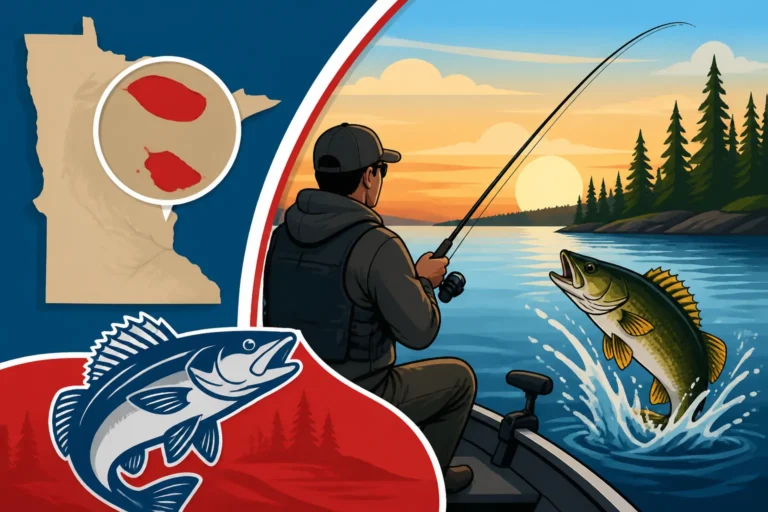
It’s a common refrain among anglers in the North Star State: "All the real fishing is up north." And while lakes like Mille Lacs and Lake of the Woods certainly deserve their legendary status, it’s simply not true that you need to drive five hours north to find fantastic fishing. Many anglers living in or visiting Southern Minnesota often feel like they’re out of luck for quality angling close to home, but nothing could be further from the truth! This guide is here to shed light on some of the best fishing lakes in Southern Minnesota, proving that incredible fishing opportunities are much closer than you might think.
Unveiling Southern Minnesota's Diverse Fisheries
Southern Minnesota’s landscape is quite different from the pine forests and rocky shores of the north. Here, you'll find a mix of agricultural lands, rolling hills, and a surprising abundance of fertile, productive lakes and winding river systems. This unique environment shapes the fisheries in distinct and often overlooked ways, offering a different, but equally rewarding, angling experience.
Beyond the Northwoods Stereotype
Forget the deep, clear, cold-water lakes of the Boundary Waters or the vast, sprawling bodies of water near the Canadian border. Southern Minnesota lakes tend to be shallower, warmer, and often more nutrient-rich. This means they are incredibly productive, supporting healthy populations of various warm-water species. While you might not find the vast expanses of deep-water structure that define northern walleye fisheries, you'll discover plenty of weed lines, flats, and shoreline breaks that hold plenty of fish. The fishing pressure can also be significantly less than on the famed northern destinations, offering a more peaceful experience and often easier access.
Key Species You'll Encounter
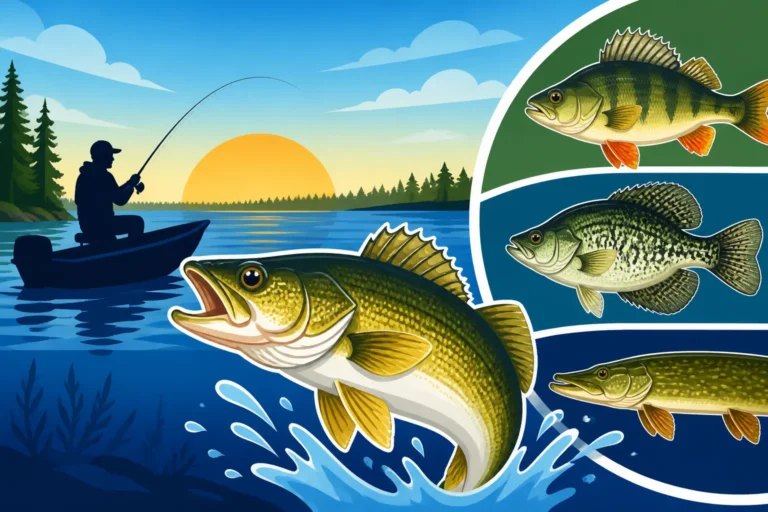
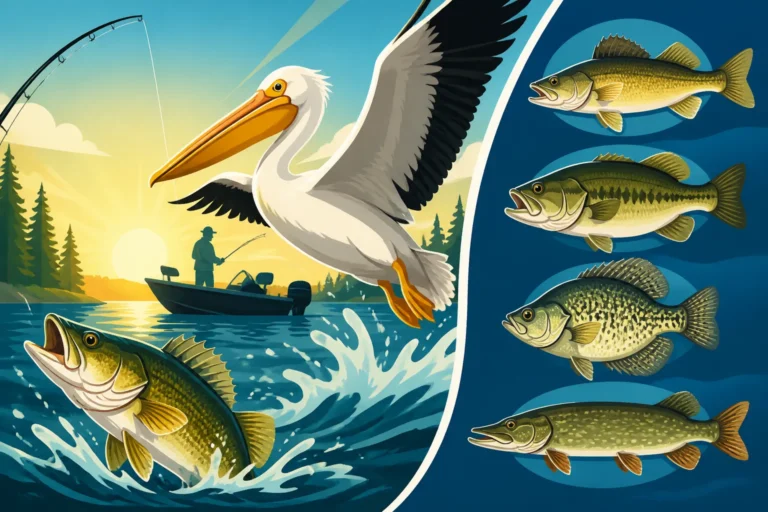
The rich ecosystems of Southern Minnesota lakes are a haven for a variety of popular game fish and panfish. You'll find excellent opportunities for:
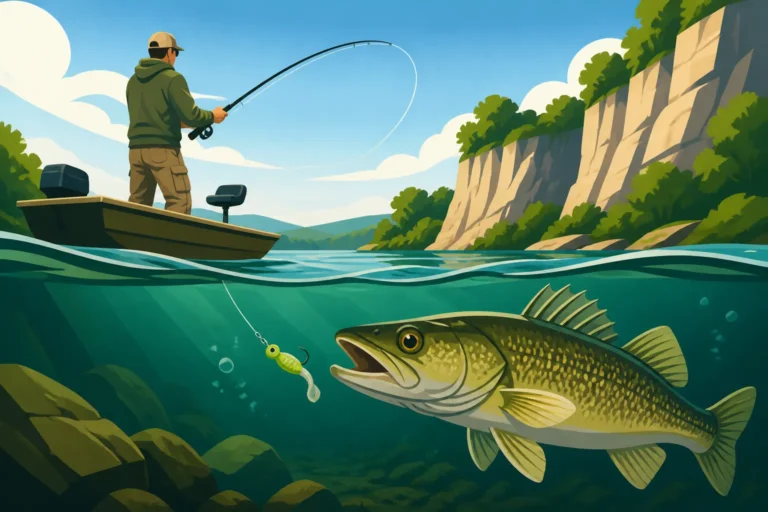
- Walleye: While perhaps not as numerous as in some northern lakes, Southern Minnesota walleye are often robust and plentiful, especially in the larger systems. They adapt well to the slightly shallower, more fertile environments, often keying in on weed edges and transition areas. For more general tactics, check out our guide on Walleye Fishing Techniques: Complete Minnesota Guide.
- Northern Pike: These toothy critters thrive in the weedy environments prevalent down south. They are aggressive predators and can provide exciting action, especially on tip-ups during the ice fishing season or casting spoons in the summer.
- Largemouth and Smallmouth Bass: Southern Minnesota boasts some excellent bass fisheries. Largemouth bass absolutely love the heavy cover, submerged vegetation, and shallow structure found in many of these lakes. Smallmouth bass can also be found, particularly in river systems and some of the clearer, deeper lakes. Discover more with our Bass Fishing Techniques for Minnesota Lakes guide.
- Crappie and Bluegill: If you're looking for panfish, Southern Minnesota is your paradise. These lakes are incredibly productive for both black crappie and bluegill, often yielding impressive numbers and decent sizes. They are a fantastic target for family fishing trips or for anglers simply looking for consistent action. Learn how to target them effectively with our Crappie & Panfish Fishing Techniques article.
- Channel Catfish: In the river systems and some of the larger connected lakes, channel catfish are abundant and grow to impressive sizes, offering hard-fighting action.
- Yellow Perch: Often overlooked but a fantastic table fare, jumbo perch can be found mixed in with panfish and walleye in many Southern Minnesota waters.
Top Lakes for Walleye, Bass, and Panfish Action
Let's dive into some of the specific bodies of water that truly shine in Southern Minnesota, offering diverse opportunities for anglers of all skill levels.
Lake Tetonka (Waterville)
Located in Le Sueur County, Lake Tetonka is a standout multi-species lake, especially popular for its walleye and crappie fishing. It's part of a chain of lakes, including Sakatah and Elysian, offering a vast, connected system to explore. Tetonka itself is known for its irregular shoreline, points, and varied depths, providing excellent structure.
- Walleye: Anglers often find walleye along the weed edges, particularly where deeper water meets shallow flats. Trolling crankbaits or drifting with a Lindy Rig and leeches are common and effective tactics. The lake sees good walleye stocking and natural reproduction, leading to a healthy population.
- Crappie: Tetonka is a crappie hotspot, especially in the spring and fall. Look for them holding in deeper pockets near submerged brush or along the expansive weed lines. A simple slip bobber rig with a small jig and minnow or a piece of plastic can be incredibly effective.
- Bass: Both largemouth and smallmouth bass call Tetonka home. Largemouth will be tight to cover, especially lily pads and thick weed beds, while smallmouth might be found on rockier points or transitions.
Madison Lake (Blue Earth County)
Madison Lake is another gem that’s a favorite among local anglers. It's connected to Lake Elysian and other smaller bodies of water, creating a varied fishing experience. Madison Lake is particularly noted for its panfish and a consistent walleye bite.
- Panfish Powerhouse: Crappie and bluegill abound in Madison Lake. The lake's many bays and inlets provide perfect spawning and feeding grounds. Early spring and late fall are prime times to load up on slabs of crappie, while bluegill are active throughout the open water season, often found in thick weed beds.
- Walleye Opportunities: Walleye fishing here is strong, with many anglers finding success drifting live bait rigs over the main lake basin or casting jigs and plastics along the breaks. The lake's fertility means fish grow quickly and are well-fed.
- Northern Pike: Madison also holds a good population of northern pike, which can provide plenty of action for those casting larger spoons or spinnerbaits along the weed edges.
Lake Washington (Le Sueur County)
Nestled between rolling farmlands, Lake Washington is a beautiful lake that offers a slightly different character than some of its neighbors. It's a fantastic choice for those targeting northern pike and abundant panfish, with decent opportunities for walleye too.
- Pike Paradise: Lake Washington's extensive weed beds are ideal habitat for northern pike. Trolling or casting large spoons and spinnerbaits in the summer can produce some excellent pike, and it's a popular ice fishing destination for tip-up enthusiasts.
- Consistent Panfish: Anglers consistently pull in good numbers of crappie and bluegill from Washington. The lake offers plenty of bays and structure for these species, making it a reliable spot for panfish action. Look for brush piles and emergent vegetation.
- Walleye Presence: While not its primary draw, walleye are present and can be caught, especially during low-light conditions or by focusing on structural elements during the day.
Lake Pepin (Lake City/Frontenac)
Part of the mighty Mississippi River, Lake Pepin is a different beast entirely. This naturally occurring lake formed by the widening of the Mississippi River offers a truly unique and diverse fishery, making it a must-visit for serious Southern Minnesota anglers. If you're accustomed to typical Minnesota inland lakes, Pepin will present a new set of challenges and rewards. You can explore more about this fantastic body of water in our specific guide, Lake Pepin Fishing.
- Walleye and Sauger: Pepin is a fantastic walleye and sauger fishery. Trolling crankbaits or jigging vertically in the main channel or along distinct current breaks are popular and effective methods. The current dictates a lot of the fish behavior, so understanding river fishing dynamics is key.
- White Bass and Panfish: White bass put up an incredible fight and are schooling fish, meaning once you find them, you can often catch them one after another. Crappie and bluegill are also abundant, often found in calmer bays and backwater areas.
- Catfish Galore: The Mississippi River system is renowned for its channel and flathead catfish. Pepin is no exception, with anglers regularly pulling in monster cats, especially during warmer months. Fishing cut bait or stink bait on the bottom is a classic tactic.
- Access and Guides: With its vastness, a good boat is almost essential for exploring Pepin. If you're new to river fishing, consider hiring a local guide. Services like FishingBooker can help you find experienced captains familiar with Lake Pepin's intricacies.
Clear Lake (Waseca County)
Clear Lake is a smaller, yet highly productive lake that lives up to its name. It offers excellent clarity for a Southern Minnesota lake and provides diverse fishing for panfish, bass, and northern pike. Its accessibility and generally good fishing make it a popular local choice.
- Family-Friendly Panfish: Clear Lake is an ideal spot for a family outing targeting crappie and bluegill. The lake has ample public access, including a pier, making it easy for shore anglers to get in on the action. Focus on docks, reeds, and weed edges.
- Bass Haven: Largemouth bass thrive in Clear Lake's healthy weed growth and structure. Anglers can have a blast flipping jigs, casting spinnerbaits, or working topwater lures over the submerged vegetation.
- Pike Action: Northern pike are consistently caught here, often patrolling the edges of the deeper weed lines. A quick search on FishingBooker for guides specializing in Southern Minnesota lakes might even point you to local experts who know Clear Lake's best pike hideouts.
Exploring Smaller Gems and River Systems
Beyond the mainstays, Southern Minnesota holds a multitude of smaller lakes and dynamic river systems that provide fantastic, often less-pressured, fishing opportunities.
The Cannon River Chain
The Cannon River flows through several interconnected lakes, creating a fantastic chain that offers diverse fishing experiences. This system includes lakes like Cannon Lake, Sakatah Lake, and Lake Elysian, all of which are worth exploring.
- Multi-Species Wonderland: These lakes are excellent for a mixed bag. Walleye, northern pike, largemouth bass, crappie, and bluegill are all prevalent. The river sections connecting them can also hold fish, especially during periods of migration or current changes.
- Accessible Fishing: With multiple public access points and boat launches along the chain, getting onto the water is generally easy. Shore fishing opportunities exist in various parks and along certain river stretches.
- Learning the Flow: Understanding how the current in the Cannon River influences fish movement and location within the lakes is key to consistent success here. Fish will often stack up in areas where current breaks occur.
Root River & Tributaries (Driftless Area)
Venturing into the southeastern corner of Minnesota brings you to the unique "Driftless Area," a region untouched by glaciers. This landscape is characterized by steep bluffs, spring-fed valleys, and an incredible network of cold-water streams. The Root River and its numerous tributaries are a prime example, offering some of the best stream trout fishing in the state.
- Trout Paradise: These pristine streams are home to brown trout, brook trout, and stocked rainbow trout. Fly fishing is particularly popular here, but spin anglers using small spinners or worms can also find great success. The scenery alone is worth the trip! For a deep dive into this unique experience, read our guide on Fly Fishing the Driftless Area: A Beginner's Guide.
- Conservation Focus: Many of these streams are heavily managed for trout, with special regulations and catch-and-release practices encouraged. Always check the current Minnesota DNR regulations for specific stream sections before heading out.
- Bank Access: The beauty of stream fishing is that you don't need a boat. Wading boots are essential, and many stream sections have public easements, making for excellent Shore & Bank Fishing in Minnesota No Boat opportunities.
Connecting with Local Experts
When you're exploring new waters, especially those with different characteristics like Southern Minnesota's lakes and rivers, local knowledge can be invaluable. Don't hesitate to seek out local bait shops for the latest hot tips or consider a guided trip.
- The Value of a Guide: A local guide can put you on fish quickly, teach you effective techniques for that specific body of water, and help you understand the nuances of the fishery. This is especially true on large systems like Lake Pepin or when trying to unlock the secrets of a new walleye lake.
- Finding the Right Professional: Platforms like FishingBooker make it easy to find and book fishing charters and guides across Minnesota, including those who specialize in the Southern regions. You can filter by species, lake, and even fishing style to ensure you find a perfect match for your trip. A good guide isn't just about catching fish; it's about learning the lake and its patterns.
Planning Your Southern Minnesota Angling Adventure
Making the most of your fishing trip in Southern Minnesota involves a bit of preparation, just like anywhere else. Understanding the local nuances can significantly boost your success and enjoyment.
Understanding Seasonal Patterns
Fish behavior in Southern Minnesota lakes is heavily influenced by the seasons, especially given their shallower, warmer nature.
- Spring Fling: As ice thaws, panfish move into shallow bays and warmer waters for pre-spawn feeding. This is an incredible time for crappie and bluegill. Walleye will also become active, staging for their spawn. Our guide on Seasonal Fishing Patterns in Minnesota goes into more detail.
- Summer Heat: During the summer, fish will relate more to weed lines, submerged humps, and deeper holes as water temperatures rise. Early mornings and late evenings often provide the best walleye and bass bites. Look for northern pike in the thickest cover.
- Fall Feeding Frenzy: As temperatures drop, many species enter a major feeding period to prepare for winter. Crappie school up in deeper water, and walleye can become very aggressive. This is often an overlooked but highly productive time to fish.
- Winter Wonders: Ice fishing in Southern Minnesota is very popular. The shallower lakes freeze well, offering fantastic opportunities for panfish, walleye, and pike through the ice.
Essential Gear and Bait Considerations
The gear you bring doesn't need to be specialized for "up north" fishing. Standard freshwater setups work perfectly.
- Panfish & Walleye Combo: A light to medium-light spinning rod (6-7 feet) paired with a 1000-2500 series reel spooled with 4-8 lb monofilament or fluorocarbon is incredibly versatile. It's perfect for casting small jigs for crappie and bluegill or working slip bobbers with live bait for walleye.
- Bass & Pike Setup: A medium to medium-heavy baitcasting or spinning rod (6'6" – 7'6") with 10-20 lb braided line (and a fluorocarbon leader) will handle most bass and pike presentations.
- Live Bait is King (Sometimes): While artificial lures certainly catch fish, live bait such as fathead minnows, shiners, leeches, and nightcrawlers are incredibly effective in these fertile waters, especially for walleye and panfish. Check out Best Live Bait for Walleye (Leeches, Minnows, Crawlers) for more insights.
- Local Bait Shops: Always stop at a local bait shop in towns like Waterville, Faribault, or Waseca. They'll have the freshest bait, the latest intel on what's biting, and often specific lure recommendations that are working on their local lakes.
Navigating Regulations and Access
Before you cast a line, always ensure you're up-to-date on Minnesota's fishing regulations. They can vary by species, lake, and even time of year.
- Licenses are Mandatory: Every angler over 16 needs a valid Minnesota fishing license. You can purchase them online, at bait shops, or at most sporting goods stores. Our guide on Minnesota Fishing License: Cost, Types & How to Buy (2026) walks you through the process.
- Know Your Limits: Pay close attention to bag and possession limits for each species. These regulations are designed to protect fish populations and ensure sustainable fishing for everyone. Our Minnesota Fishing Limits: Bag & Possession (2026) article is a great resource.
- Aquatic Invasive Species (AIS): Southern Minnesota lakes are not immune to AIS. Always clean, drain, and dry your boat and gear when moving between bodies of water to prevent the spread of invaders.
- Public Access: Many Southern Minnesota lakes have excellent public boat launches and designated shore fishing areas. Utilize resources like the Minnesota DNR LakeFinder website to scout out access points before you go.
Here's a quick overview of some top Southern Minnesota lakes:
| Lake Name | County | Primary Species Targeted | Key Features & Tips |
|---|---|---|---|
| Lake Tetonka | Le Sueur | Walleye, Crappie, Bass | Part of a chain, good weed lines, drift for walleye, jig for crappie. |
| Madison Lake | Blue Earth | Panfish, Walleye, Pike | Connected to Elysian, excellent crappie & bluegill, consistent walleye bite. |
| Lake Washington | Le Sueur | Northern Pike, Panfish, Bass | Clearer water, abundant pike in weeds, good bluegill & crappie. |
| Lake Pepin | Goodhue/Wabasha | Walleye, Sauger, Catfish, Bass | Mississippi River system, current dependent, hire a guide via FishingBooker. |
| Clear Lake | Waseca | Panfish, Bass, Pike | Family-friendly, good shore access, healthy largemouth bass population. |
| Cannon Lake | Rice | Multi-species | Part of the Cannon River chain, varied structure, good for a mixed bag. |
| Root River | Fillmore/Houston | Stream Trout | Driftless Area streams, fly fishing, small spinners, wade fishing. |
So, the next time you're thinking about a fishing trip, don't overlook the incredible opportunities right in Southern Minnesota. With a little planning and the right approach, you can discover some truly memorable angling experiences close to home.
Disclaimer
Fishing conditions and regulations in Minnesota can change rapidly. Always consult the official Minnesota Department of Natural Resources (DNR) website for the most current rules, regulations, and advisories before planning your fishing trip. This guide is for informational purposes only and should not be considered legal advice.