Lake Pepin Fishing Report & What’s Biting
There’s nothing quite like the excitement of planning a fishing trip to a renowned spot like Lake Pepin, but let’s be honest, the biggest hurdle is often figuring out what’s actually biting and where to even begin on such a vast body of water. This guide is designed to cut through the guesswork, offering you a comprehensive look at what fish you can expect to target on Lake Pepin, the best times to find them, and the proven tactics to help you land them.
The Unique Fishing Dynamics of Lake Pepin
Lake Pepin isn't just any lake; it's a naturally occurring lake formed by the widening of the Mississippi River between Minnesota and Wisconsin. This unique geological feature makes it a truly special and incredibly productive fishery, but also presents its own set of challenges. The constant flow of the Mississippi River brings a dynamic environment, influencing water levels, clarity, and nutrient distribution, all of which directly impact fish behavior. Anglers often struggle with the sheer size and diverse structure, wondering if they should be treating it more like a river or a lake.
Riverine and Lacustrine Influences
Understanding Lake Pepin means appreciating its dual nature. On one hand, you have the persistent current of the Mississippi River. This current dictates where baitfish congregate, where game fish ambush, and how nutrients are distributed. It also means that fishing strategies often lean towards traditional river techniques, like current seams, wing dams, and channel breaks. You'll find many of the same species here as you would further up or down the Mississippi, adapting to the flow.
On the other hand, Lake Pepin is a wide, deep basin, almost 21 miles long and over 2 miles wide in some spots, with significant portions resembling a true lake. It has distinct flats, deep holes, points, and even some extensive weed beds in calmer areas. This lacustrine influence means fish can spread out more, seek deeper thermoclines in summer, and relate to classic lake structures. This blend is what makes Lake Pepin so diverse and, frankly, so exciting. You might be targeting walleyes on a river current seam in the morning and then chasing bass in calm, weedy backwater bays in the afternoon. It’s truly a choose-your-own-adventure fishery, which can be daunting but ultimately rewarding.
Primary Fish Species to Target
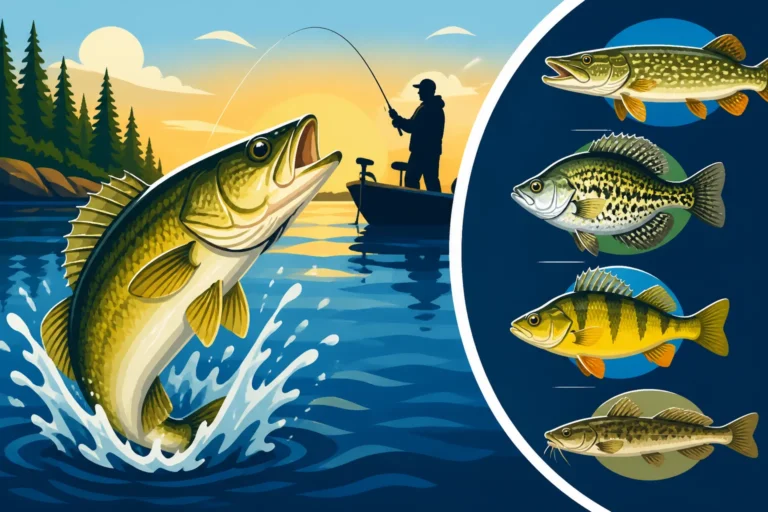
Lake Pepin is a multi-species angler's dream, offering an incredible variety of game fish and panfish. This abundance ensures that no matter your preference, there's always something to chase. The most sought-after species here are undoubtedly walleye and sauger, but don't sleep on the fantastic bass, crappie, and catfish opportunities. Even jumbo yellow perch make a regular appearance. Each species has its own seasonal patterns and preferred habitats, making a full understanding crucial for consistent success. If you're new to the area, considering a guided trip found through platforms like FishingBooker can offer invaluable local insights into where these fish are holding.
Here's a quick overview of what you can expect:
| Species | Peak Seasons | Preferred Habitat | Common Baits & Lures |
|---|---|---|---|
| Walleye | Spring, Fall, Winter | Main channel, current seams, flats | Jigs, crankbaits, live bait rigs |
| Sauger | Spring, Fall, Winter | Deeper channels, scour holes, dams | Jigs, blade baits, minnows |
| Smallmouth Bass | Summer, Fall | Rocky points, riprap, current breaks | Crankbaits, jigs, soft plastics |
| Largemouth Bass | Summer, Fall | Backwater sloughs, weed lines, docks | Frogs, topwater, spinnerbaits |
| Black Crappie | Spring, Fall | Timber, brush piles, submerged cover | Jigs, minnows, tiny crankbaits |
| Channel Catfish | Summer | Deeper holes, channel edges, log jams | Cut bait, stink baits, nightcrawlers |
| Flathead Catfish | Summer | Deep holes, heavy cover, snags | Live bait (suckers, bluegills) |
| Yellow Perch | Winter, Spring, Fall | Flats, weed edges, sandbars | Small jigs, minnows, waxworms |
Current Fishing Report: What's Biting on Lake Pepin?
Alright, let's get down to the brass tacks: what's biting right now? While I can't give you a live, minute-by-minute report, I can absolutely give you a detailed breakdown of what to expect based on the season, what patterns generally hold true, and how to get the most up-to-date information for your next trip. Lake Pepin's fishing can shift with the weather, water levels, and temperature, so being prepared for various scenarios is key.
Spring Fishing: Post-Spawn Frenzy
Spring on Lake Pepin, especially after the snowmelt and ice-out, is a magical time for many species. This is when the fish are coming out of their winter lethargy and are actively feeding, often making them more predictable. The Mississippi River's influence means that as waters warm, fish move up from deeper wintering holes into shallower, current-protected areas to spawn, and then into feeding zones.
For walleye and sauger, the spring bite is incredibly strong. After the spawn (typically late March through April, depending on water temps), they'll be hungry and often found staging near current breaks, wing dams, and along the main channel. Jigging with minnows or plastics, or slowly trolling crankbaits like a Berkley Flicker Shad or Rapala Shad Rap, are prime tactics. Pay close attention to current seams where slower water meets faster water; these are classic ambush points. You'll often find sauger in slightly deeper, slower pockets than walleye. Remember to always check the most current Minnesota Fishing Limits: Bag & Possession (2026) for Walleye Season & Limit in Minnesota as regulations can change.
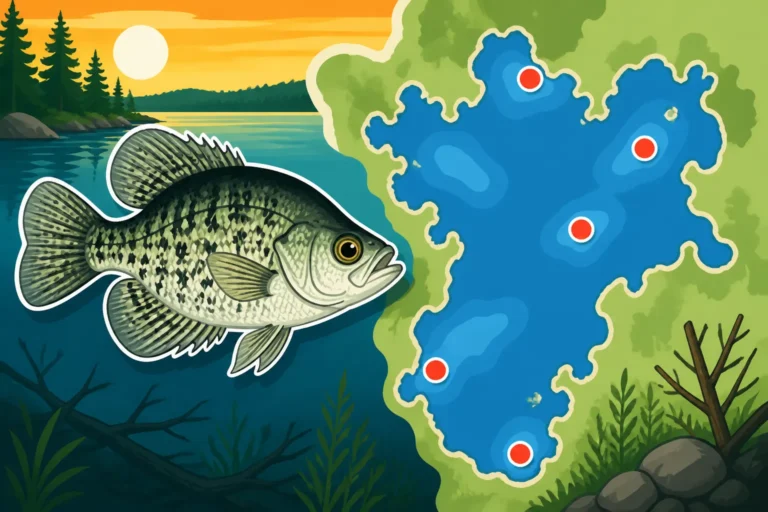
Crappie also become very active in spring, moving into shallower backwater bays and sloughs where the water warms quickly. Look for them around fallen timber, brush piles, and emergent vegetation. Small jigs tipped with a crappie minnow or a tiny soft plastic are deadly. A slip bobber rig allows you to present your bait at the perfect depth.
Northern Pike will also be aggressive, often lurking in the same shallower, warmer bays as crappie, especially where there's decaying vegetation or new weed growth. Casting spinnerbaits or spoons can provoke some exciting strikes.
Summer Fishing: Deep Water and Current Patterns
As summer settles in and water temperatures rise, fish behavior shifts. Many species move to deeper, cooler water, or rely more heavily on current to bring food to them. The intense summer sun often means early morning, late evening, or even night fishing can be more productive, especially for walleye.
Walleye and sauger will be found in deeper areas, often relating to the main channel edges, deeper wing dams, and structure on the main lake flats. Trolling with crankbaits is a highly effective strategy for covering water and finding active fish. Using bottom bouncers with crawler harnesses can also be very productive, especially on the flats. As the season progresses, don't overlook night fishing for walleye, as they often move shallower under the cover of darkness.
Bass fishing really shines in the summer. Both smallmouth and largemouth bass are abundant. Smallmouths will gravitate towards rocky shorelines, riprap, and current-washed points. Topwater lures, jerkbaits, and tube jigs can be highly effective. Largemouths will be found in the calmer, weedy backwaters, around docks, lily pads, and submerged timber. Frogs, flukes, and Texas-rigged plastics are go-to baits. Consider exploring specific tactics like those covered in Bass Fishing Techniques for Minnesota Lakes for a deeper dive.
Catfish, both channel and flathead, are prime targets in summer. Channel cats will readily bite on cut bait, stink bait, or even a simple nightcrawler presented on the bottom in deeper holes and along current breaks. Flatheads, the true monsters of the river, prefer live bait like suckers or bluegills, fished near heavy cover in deep, slow-moving holes. Finding an experienced guide via FishingBooker who specializes in catfishing can definitely improve your odds for these powerful fish.
Fall Fishing: The Feed Before Freeze-Up
Fall is a favorite time for many anglers on Lake Pepin, as fish are in a feeding frenzy, stocking up for winter. The cooler water temperatures make many species incredibly active, and often, less boat traffic on the lake can lead to a more peaceful and productive experience.
Walleye and sauger fishing can be exceptional in the fall. They'll be aggressively feeding on baitfish, often found migrating from deeper summer haunts back towards shallower feeding flats or staging in predictable current areas. Trolling large crankbaits, jigging with aggressive snap-jigging motions, and using blade baits can be very effective. As water temperatures drop, fish may concentrate in deeper pools.
Crappie fishing also experiences a resurgence. As fall progresses, crappie will school up in predictable deep-water locations, often around submerged timber, bridge pilings, or distinct depth changes. Using electronics to find these schools and then vertically jigging small spoons or plastics can lead to fast action.
Northern Pike remain active and can be targeted with larger spoons, jerkbaits, or dead bait under a bobber in shallower, weedy areas before the full winter freeze.
Winter Fishing: Ice Angler's Paradise
Once Lake Pepin freezes over, it transforms into an ice angler's paradise, offering incredible opportunities, especially for walleye, sauger, and perch. Ice fishing presents a completely different set of challenges and rewards, with accessibility to many areas not easily reached by boat in open water.
Walleye and sauger are the primary targets through the ice. They'll often be found along the main river channel edges, points, and structural elements on the lake flats. Jigging spoons, horizontal swimming lures like Salmo Chubby Darters or Rapala Jigging Raps, tipped with a minnow head or eye, are highly effective. Deadsticking a plain hook with a shiner minnow just above the bottom can also produce strikes. Many anglers will set up portable shelters or even wheelhouses, making a comfortable day out on the ice. Keep an eye on Minnesota Ice Fishing & Shelter Rules, especially regarding shelter removal deadlines.
Yellow perch can provide fantastic action through the ice, especially for families. They often school up on the main lake flats, around weed edges or sandbars. Small tungsten jigs tipped with waxworms, spikes, or a small minnow are usually irresistible. Look for areas with a mix of soft and hard bottom.
Crappie and bluegill can be found in deeper holes or basins in backwater areas, often suspended over deep water. Small jigs, typically glow-in-the-dark, tipped with a small minnow or a single spike, fished under a sensitive bobber, are the way to go. These panfish can be fickle, so experimenting with depth and jigging cadence is key. Learning How to Ice Fish for the First Time in Minnesota can get you started on this exciting winter pursuit.
Top Techniques and Baits for Lake Pepin Success
Fishing Lake Pepin successfully requires a versatile approach. Given its river-lake dynamics, you'll want a tackle box stocked for both current and still-water situations. From delicate jigging to aggressive trolling, knowing which technique to employ when and where will significantly boost your catch rates.
Mastering Current-Oriented Tactics
When fishing areas influenced by the Mississippi River's flow, understanding how fish relate to current is paramount. Fish will position themselves out of the main current, often in "slack water" or current seams, waiting for food to be swept by.
Jigging and Live Bait Rigs
For walleye and sauger, especially in the spring and fall, jigging is a go-to method. A 1/4 to 1/2 ounce jig, depending on current and depth, tipped with a lively shiner or fathead minnow, is often unbeatable. Present it vertically, just ticking the bottom as you drift or slowly motor along current seams. The key is to feel for that subtle "thunk" or added weight, which signals a bite. When you feel it, a quick, sharp hookset is critical. For those moments when fish are hesitant, a Lindy Rig or a simple slip sinker rig with a plain hook and a lively leech or nightcrawler can be extremely effective, allowing the bait to drift naturally with the current. This technique is especially good on breaklines where the current changes.
If you're targeting catfish, a heavy bottom rig with a strong hook and ample weight is necessary to hold your bait in place against the current. Cut bait from a suckers or shad, or a chunk of chicken liver, are top choices for channel catfish. For the elusive flatheads, a large, lively sunfish or suckers, hooked through the back, is the preferred offering, fished near deep wood or rock piles.
Trolling Crankbaits and Blade Baits
Trolling is a fantastic way to cover water and find active fish, particularly in the larger, more lake-like sections of Lake Pepin, or along the main channel edges. For walleye, lipped crankbaits that dive to the desired depth, such as the aforementioned Rapala Shad Raps, Berkley Flicker Shads, or Salmo Hornets, are excellent. Vary your trolling speed until you find what triggers bites. Often, a slight S-curve in your boat's path can cause your lures to speed up and slow down, enticing following fish to strike. Using leadcore line can help you reach deeper depths without excessively heavy weights, making it easier to present lures where fish are holding.
Blade baits, like a Silver Buddy or a Heddon Sonar, are also highly effective, especially for sauger in deeper channels or scour holes. These vibrating lures can be jigged vertically or cast and retrieved with a lift-and-drop motion, creating a lot of flash and vibration that fish can feel in the current.
Still-Water and Structure Fishing
In the calmer backwaters, bays, and areas with less current, different tactics come into play. Here, fish often relate to vegetation, submerged timber, or docks.
Slip Bobber Fishing
The classic slip bobber rig is invaluable for presenting live bait at a precise depth, especially when targeting crappie, bluegill, or even inactive walleye around cover. Whether it's a minnow for crappie suspended in a brush pile, or a leech for walleye lurking near a weed line, the slip bobber allows for a natural presentation. The beauty of it is being able to adjust your depth quickly and easily. This is also a great technique for Shore & Bank Fishing in Minnesota (No Boat), as it allows you to cast to precise spots without your bait dragging on the bottom.
Casting Soft Plastics and Topwater
For bass anglers, soft plastics are indispensable. Texas-rigged worms or creature baits worked through weed lines or around submerged timber are highly effective for largemouth bass. For smallmouths, finesse presentations like drop-shots or Ned rigs can shine, especially when fish are pressured or lethargic, allowing for a subtle presentation around rocky structures. Topwater lures, such as poppers, walking baits, or hollow-bodied frogs, create exhilarating strikes during low-light conditions or over dense vegetation. The sight of a largemouth exploding on a frog is a thrill every angler should experience.
Vertical Jigging for Panfish
In winter, through the ice, or during fall when panfish school up, vertical jigging is a precise and productive technique. Small tungsten jigs tipped with a single waxworm, spike, or a tiny minnow can entice crappie, bluegill, and perch. A good flasher unit, like those made by Vexilar or Humminbird, can be a game-changer, allowing you to see your lure and the fish, and adjust your presentation in real-time. Learning how to read a flasher is an essential skill for consistent ice fishing success.
Navigating Lake Pepin: Key Spots and Considerations
Lake Pepin is a large and complex body of water, and knowing where to focus your efforts can save you a lot of time and fuel. Beyond just the general tactics, understanding the specific areas, access points, and unique challenges of this Mississippi River lake is vital.
Productive Fishing Zones
Lake Pepin offers a variety of habitats, each with its own angling potential.
The Main Channel and Its Edges
The deepest part of Lake Pepin follows the historical main channel of the Mississippi River. This is a highway for baitfish and game fish alike. Walleye, sauger, and catfish often relate directly to the channel edges, especially where there are breaks, scour holes, or submerged structure. Trolling along these breaks, or anchoring up-current of a known hot spot and jigging, are common and effective strategies. Look for depth changes from 15 to 30 feet, or even deeper, especially in the wider parts of the lake.
Wing Dams and Current Breaks
The upper and lower ends of Lake Pepin, where the river narrows, feature numerous wing dams. These rock structures extending out into the river create current breaks, eddies, and scour holes that are magnets for fish. Smallmouth bass, walleye, and sauger will stack up here. Fishing the upstream side of the wing dam, where current is deflected, and the calmer water downstream (the "washout" or eddy) can be incredibly productive. Casting jigs, crankbaits, or even plastics parallel to these structures is a proven method. These are classic "border water" spots, so be mindful of the Border Water Fishing Rules (Minnesota-Ontario, Wisconsin) regarding regulations for this shared waterbody.
Backwater Sloughs and Bays
Away from the main current, Lake Pepin has numerous backwater sloughs and calmer bays. These areas are shallower, often have more vegetation, and are ideal for largemouth bass, crappie, bluegill, and northern pike. Areas like the Stockholm Bay on the Wisconsin side, or various unnamed coves and sloughs on both shores, can hold tremendous numbers of panfish and bass. Look for areas with lily pads, submerged weeds, or fallen trees. These spots can offer a different pace of fishing, often more relaxed and sheltered from the wind.
Mid-Lake Flats and Humps
In the wider, lake-like sections of Pepin, you'll find extensive flats and subtle humps. These can be goldmines for walleye and perch, especially during summer and winter. While they might not show up prominently on standard maps, detailed contour maps (like those found on Navionics or LakeMaster chips for your fish finder) will reveal these nuances. Trolling bottom bouncers and crawler harnesses across these flats, or drifting with live bait rigs, can be very effective for finding schools of actively feeding fish. During ice fishing season, these flats are often where you'll find large groups of perch and sometimes schools of walleye.
Boat Access and River Navigation Safety
Accessing Lake Pepin is relatively easy, with numerous public boat launches on both the Minnesota and Wisconsin sides. Popular launches include Lake City Marina and Pepin Marina. When launching, always be aware of the prevailing current, especially if you're unfamiliar with river boating. The Mississippi River, even in Lake Pepin, can have strong currents, and barge traffic is a regular occurrence. Always be alert, respect navigation channels, and understand how to navigate safely around larger vessels.
When it comes to boat control, a good trolling motor is indispensable. Brands like Minn Kota offer models with GPS anchoring, which can be a lifesaver when trying to hold position in current, allowing you to focus on fishing rather than constantly adjusting your boat. A reliable fish finder with good mapping capabilities, such as a Garmin or Humminbird unit, will also be invaluable for identifying channel edges, wing dams, and fish-holding structure. Remember that Minnesota Fishing Regulations Changes for 2026 are always a possibility, so it's always smart to check with the DNR before heading out.
Final Thoughts on Lake Pepin Fishing
Lake Pepin truly embodies the best of Minnesota fishing, offering diverse opportunities across all seasons. From the thrilling walleye bite in the main channel to the peaceful panfish action in a secluded backwater, there's always an adventure waiting. The key to success lies in understanding its unique river-lake dynamics, adapting your techniques to the season and species, and staying informed about current conditions. Don't be afraid to experiment, explore new areas, and learn from every outing. And if you're looking for an experienced local perspective, a quick search on FishingBooker can connect you with guides who know Lake Pepin like the back of their hand. Tight lines, fellow anglers!
Disclaimer
Fishing conditions and regulations in Minnesota, especially on a dynamic water body like Lake Pepin, can change rapidly due to environmental factors, legislative updates, and fish management decisions. Always consult the official Minnesota Department of Natural Resources (DNR) regulations and local advisories before heading out on your fishing trip. This guide is for informational purposes only and does not constitute legal advice or a real-time fishing report.