Free Fishing Weekends in Minnesota
Let's be honest, the idea of getting started with fishing can feel a little daunting, especially when you start looking into licenses and regulations. It’s easy to feel overwhelmed and think, "Do I really need to buy a license just to try this out?" The good news is, Minnesota offers a fantastic opportunity to dip your toes into the fishing world without that initial financial commitment: Free Fishing Weekends. This comprehensive guide will walk you through everything you need to know about these special weekends, from who can participate to what you can catch, and how to make the most of your license-free angling adventure.
Understanding Minnesota's Free Fishing Weekends
Many states across the U.S. offer special days where residents and sometimes non-residents can fish without purchasing a license. Minnesota is one of those welcoming states, providing these weekends to encourage more people to experience the joy of angling. It’s a brilliant way to introduce newcomers to the sport, give seasoned anglers a break, or simply offer a chance for a spontaneous outing without the usual paperwork.
What is a Free Fishing Weekend?
Simply put, a Free Fishing Weekend is a designated period, typically Saturday and Sunday, when the Minnesota Department of Natural Resources (DNR) waives the requirement for a fishing license for certain individuals. This means you can grab your rod and reel, head to your favorite lake or river, and cast a line without needing to buy a Minnesota Fishing License: Cost, Types & How to Buy (2026). It’s a golden ticket to test the waters, so to speak, and see if fishing is for you.
These weekends aren't a free-for-all, however. While the license requirement is lifted, all other fishing regulations, such as bag limits, size restrictions, and season dates for specific species, still apply. It's super important to remember this, as violating these rules can still lead to fines, even if you’re fishing license-free. Think of it as a trial period where you still have to follow the house rules. It’s designed to be a low-barrier entry point, not a complete removal of all rules.
The concept is quite popular, and many families use these weekends as an annual tradition. Imagine packing a cooler, some snacks, and a few rods, then heading out to a local pier or a calm lake. The financial hurdle of buying multiple licenses for a family can sometimes deter people from even trying, so these weekends remove that barrier and open up the outdoors to everyone. It's a fantastic initiative that truly embodies the spirit of shared outdoor recreation.
The Purpose Behind These Weekends
The main goal behind Minnesota's Free Fishing Weekends, much like similar programs nationwide, is to promote angling and conservation. The DNR understands that getting people engaged in fishing often leads to a greater appreciation for aquatic ecosystems and the importance of preserving them. When you connect with nature through fishing, you're more likely to care about its health.
Beyond that, these weekends are a fantastic way to introduce children and new anglers to the sport. Many adults might have fond memories of fishing with a parent or grandparent, and these weekends allow them to recreate those experiences or start new family traditions without the upfront cost of a license. It’s about creating positive outdoor experiences that can foster a lifelong love for fishing and the outdoors. This is especially true for those who might not have grown up fishing but are curious to try.
From an economic perspective, these weekends also provide a boost to local economies. While licenses aren't being sold, people still buy bait, tackle, snacks, gas, and perhaps even stay at resorts or campgrounds. This influx of activity benefits small businesses in fishing communities across the state, from Baudette to Brainerd, and down to the Minnesota River towns. It’s a win-win: more people get to fish, and local businesses see increased traffic.
When Are Minnesota's Free Fishing Weekends in 2026?
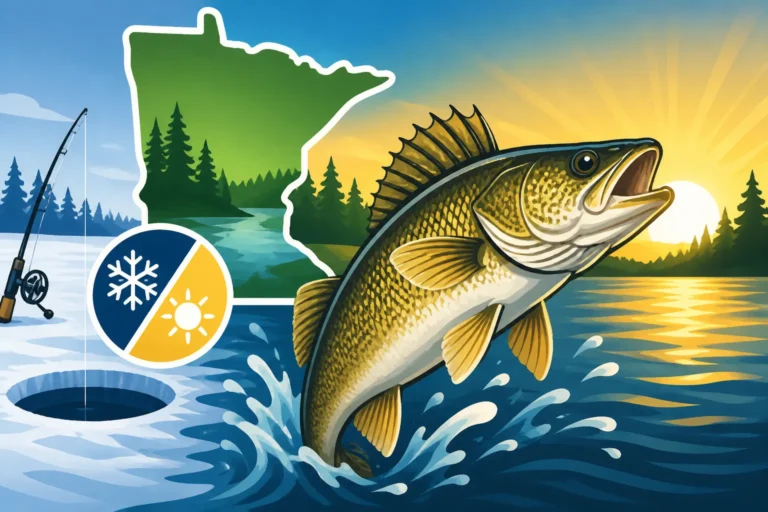
Minnesota, being the land of 10,000 lakes, offers two distinct free fishing opportunities each year, catering to both ice fishing enthusiasts and open-water anglers. Knowing these dates is crucial for planning your license-free excursions.
Winter Free Fishing Weekend (Ice Fishing)
If you've ever dreamt of experiencing the unique thrill of ice fishing but hesitated because of the license, this is your chance! Minnesota typically designates a weekend in mid-January for its Winter Free Fishing Weekend. For 2026, you can mark January 17th and 18th on your calendar. This is when residents can legally fish on frozen lakes and rivers without a fishing license.
This weekend is an incredible opportunity to try out ice fishing, which is a truly Minnesotan experience. Imagine setting up a portable shelter, dropping a line down a hole drilled through the ice, and waiting for a bite in the crisp winter air. It’s a chance to see what all the fuss is about, whether you’re targeting panfish, walleye, or even northern pike. Remember, while you don't need a license, you still need to follow all the Minnesota Ice Fishing & Shelter Rules, including regulations on ice shelter removal deadlines and how many lines you can use through the ice.
It’s often a perfect time for families to get out together. The snow-covered landscape, the quiet solitude of a frozen lake, and the excitement of pulling a fish through the ice can create lasting memories. You might even find local events or clinics organized by bait shops or community groups specifically for this weekend, offering tips and even loaner equipment to help newcomers get started. Don't let the cold deter you; with the right gear, it's a surprisingly comfortable and enjoyable experience.
Summer Free Fishing Weekend (Open Water)
For those who prefer open water and warmer temperatures, Minnesota also offers a Summer Free Fishing Weekend. This usually falls in early June, coinciding with many of the popular fishing openers, but specifically designed for ease of access. For 2026, plan for June 6th and 7th. During these two days, Minnesota residents can fish without a license, making it an ideal time to enjoy the state's abundant lakes and rivers.
This weekend is strategically placed to capture the excitement of the summer fishing season. Many fish species are active, and the weather is generally beautiful, making it perfect for a leisurely day on the water. You could be casting for bass on Lake Minnetonka, trying for panfish on a quiet northern lake, or even chasing walleye on one of the larger bodies of water like Lake Winnibigoshish. It's a fantastic chance to try different techniques, from casting from shore to drifting in a boat.
Just like the winter weekend, all other fishing regulations remain in effect. This means you still need to adhere to Minnesota Fishing Limits: Bag & Possession (2026) and understand the specific Minnesota Fishing Seasons & Opener Dates (2026) for the species you're targeting. For instance, if you're out during the summer free fishing weekend, and walleye season is open on your lake, you still need to know the specific slot limits or bag limits for walleye. It's not a free-for-all on fish, just on the license!
Who Can Participate in Free Fishing Weekends?
Understanding who qualifies for these free fishing weekends is crucial. While the primary goal is broad participation, there are specific distinctions between residents and nonresidents, as well as age considerations. It’s not quite as simple as "everyone can fish for free."
Residents vs. Nonresidents: What You Need to Know
This is where it gets a little specific. Generally, Minnesota's Free Fishing Weekends are primarily for residents of Minnesota. This means if you live in the Land of 10,000 Lakes, you are good to go during these designated weekends. This policy is designed to offer a benefit to the state’s taxpayers and to encourage local community engagement in outdoor activities.
Now, for our friends visiting from out of state, there's a slight but significant difference. Nonresidents typically need a license to fish in Minnesota, even during the "Free Fishing Weekends." However, there's an important exception: nonresidents can fish without a license during the Free Fishing Weekends if they are accompanied by a Minnesota resident who possesses a valid Minnesota fishing license. So, if your buddy from Wisconsin wants to join you on your free fishing weekend, you, as the Minnesota resident, still need to have your current license. This encourages residents to share their passion for fishing with out-of-state visitors, but also ensures that at least one licensed angler is present. If you're a nonresident planning a trip, be sure to check out the specific rules for Nonresident Fishing in Minnesota: Licenses & Rules to avoid any surprises.
This distinction highlights the state's effort to balance promoting fishing with maintaining its licensing system, which directly funds conservation efforts. The money from licenses goes into managing fish populations, habitat restoration, and enforcing regulations, ensuring that Minnesota's fisheries remain healthy and abundant for future generations.
Age Requirements and Exemptions
Minnesota also has clear guidelines regarding age and fishing licenses, and these rules often interplay with the Free Fishing Weekends.
The most common question I hear is, "Do kids need a license?" In Minnesota, children 15 years of age and younger do not need a fishing license at any time of the year, including during Free Fishing Weekends. This is a standing rule, so these weekends simply reinforce that opportunity for them. This means you can bring your little ones out anytime, fostering that early connection to nature without the burden of purchasing a license for them. If you want to know more about this, check out Minnesota Fishing License for Kids & Youth.
What about seniors? This is another common area of confusion. Minnesota residents who are 90 years of age or older also do not need a fishing license. So, if you're lucky enough to have a grandparent still out on the water at 90+, they're exempt from the license requirement, even outside of free fishing weekends. For those under 90, the Free Fishing Weekends offer a chance to fish license-free, but generally, seniors between 16 and 89 still require a license, often available at a reduced rate. You can learn more about this in Minnesota Fishing License for Seniors.
Essentially, if you are a Minnesota resident between the ages of 16 and 89, the Free Fishing Weekends are specifically for you to fish without a license. Everyone else falls under either a standing exemption (like kids under 16 or seniors 90+) or needs to adhere to the nonresident rule of being accompanied by a licensed resident. It's a thoughtful system designed to make fishing accessible while still supporting the vital conservation work of the DNR.
What You Can Fish For During Free Weekends
It’s exciting to think about fishing without a license, but it’s paramount to remember that the "free" part only applies to the license itself. All other established fishing regulations, from catch limits to size restrictions, remain in full effect. This isn't a free-for-all; it's an invitation to experience regulated angling.
Popular Species to Target
During Minnesota's Free Fishing Weekends, you can target nearly any species that is in season and legally catchable in the body of water you're fishing. The choice often depends on the season and where you're casting your line.
In the winter, during the January free fishing weekend, panfish are incredibly popular targets. Think bluegill, crappie, and perch. These smaller fish are often abundant, relatively easy to catch, and provide consistent action, which is perfect for beginners and kids. Lakes across the state, from smaller metro ponds to vast northern waters like Lake Winnibigoshish, will have active panfish. You might also find anglers targeting walleye or northern pike through the ice, especially on lakes known for these species. Ice fishing for Walleye Fishing in Minnesota: Complete Guide is a quintessential Minnesota experience.
Come summer, during the June free fishing weekend, the options broaden considerably. Walleye are a top target for many, as the season is in full swing. Bass (both largemouth and smallmouth) are aggressive and fun to catch, often found in shallower, weedy areas or around rocky structures. Panfish continue to be a great option for consistent bites, especially for those fishing from shore or a dock. If you're exploring the Twin Cities Metro Fishing: Best Lakes Near Minneapolis & St. Paul, you'll find plenty of opportunities for bass and panfish. Don't forget species like northern pike, which are often eager to bite on a variety of lures.
Understanding Bag and Size Limits (Still Apply!)
This cannot be stressed enough: all Minnesota fishing regulations regarding bag limits, size restrictions, and season dates are still in force during Free Fishing Weekends. This is not a weekend to keep every fish you catch, or to disregard minimum or maximum size limits. These regulations are in place to ensure sustainable fish populations and healthy ecosystems, and they apply to everyone, regardless of whether they purchased a license or not.
For example, if you're fishing for walleye on Mille Lacs Lake, you still need to abide by the specific Mille Lacs Walleye Regulations (2026), which often include strict slot limits. Catching a walleye outside the legal slot and keeping it could lead to a hefty fine, even if you’re fishing during a free weekend. The same goes for panfish; while some lakes have generous limits, others might have reduced limits to protect populations. It's vital to check the current Minnesota DNR fishing regulations for the specific lake or river you plan to fish before you go. These regulations are typically available online or in physical guidebooks at bait shops.
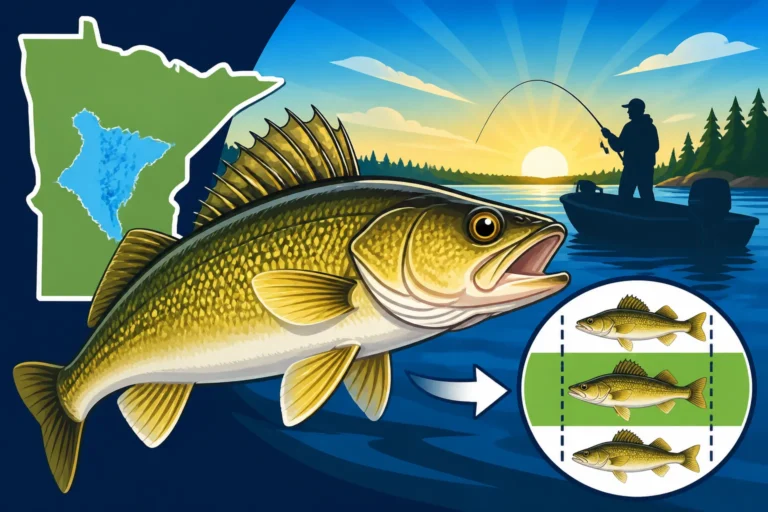
Here's a quick reference table for some popular species, but always consult the official DNR regulations for your specific body of water, as limits can vary widely from lake to lake.
| Species | Typical Statewide Daily Bag Limit | Typical Statewide Size Restrictions | Notes |
|---|---|---|---|
| Walleye | 6 | Often 17-26" slot, 1 over 26" | Varies significantly by lake. Many lakes have protected slots, meaning fish within a certain size range must be immediately released. Always check specific lake regulations. Some lakes, like Mille Lacs, have unique, often more restrictive rules. |
| Northern Pike | 10 | Varies by zone (North, Central, South) | Minnesota has a three-zone system (North, Central, South) with different bag and size limits. Some lakes have special regulations. For example, the Southern zone has a 2 fish limit with only one over 24 inches. |
| Largemouth Bass | 6 | Generally no minimum size | Most lakes allow 6 fish with no minimum size. Specific lakes may have special regulations. |
| Smallmouth Bass | 6 | Generally no minimum size | Similar to largemouth bass, but some lakes have special regulations to protect trophy smallmouth populations. |
| Crappie | 10-20 | Generally no minimum size | Many lakes have a 10 fish limit, but some have 15 or 20. Check specific lake regulations. |
| Sunfish (Bluegill, etc.) | 10-20 | Generally no minimum size | Many lakes have a 10 fish limit, but some have 15 or 20. Some lakes, especially in popular panfish areas, have reduced limits to preserve larger fish. Check specific lake regulations for Minnesota Crappie & Sunfish Limits. |
| Yellow Perch | 20 | Generally no minimum size | Statewide limit is 20, but not common to reach this limit unless targeting them specifically. |
Seriously, before you even think about keeping a fish, consult the official DNR regulations. It's not worth the risk of a ticket, and more importantly, it's about being a responsible angler and contributing to the health of our fisheries.
Preparing for Your Free Fishing Adventure
So, you’ve got the dates, you know the rules, and you're ready to head out. But what do you actually need? Getting started with fishing doesn't have to break the bank, and with a little preparation, you can have a fantastic time.
Essential Gear for Beginners
You don't need a fancy boat or a tackle box overflowing with hundreds of lures to enjoy a free fishing weekend. For most beginners, especially those trying it out for the first time, a basic setup is all you need.
- Rod and Reel Combo: A simple spinning rod and reel combo is perfect. You can find decent ones for under $50 at most sporting goods stores or even big box retailers like Walmart or Target. Look for something that’s easy to cast and not too heavy. A medium-light or medium action rod, around 6 feet long, is a versatile choice for many Minnesota species.
- Fishing Line: Most combos come pre-spooled with monofilament line, which is fine for beginners. If you’re buying line separately, 6-8 pound test monofilament is a good all-around choice.
- Hooks, Sinkers, and Bobbers: This is your basic terminal tackle. A small assortment of hooks (size 6 or 8 snelled hooks are great for panfish), split-shot sinkers (small weights to get your bait down), and a few clip-on bobbers are essential. A bobber makes it easy to see when a fish is biting and keeps your bait at a desired depth.
- Bait: Live bait is often the easiest and most effective for beginners. Earthworms (nightcrawlers) are universal and work for almost anything. Minnows are excellent for walleye, crappie, and pike. You can pick these up at any local bait shop. Artificial baits, like small jigs, can also work, especially for panfish.
- Pliers/Forceps: Essential for safely removing hooks from fish. Long-nose pliers are great.
- Bucket/Cooler: If you plan on keeping any legal fish, you'll need a way to store them with ice to keep them fresh. A 5-gallon bucket works well for holding live bait, gear, and even a few fish.
- Measuring Device: A small ruler or tape measure is crucial for checking if your fish meet any minimum or maximum size requirements. Remember, those limits still apply!
- Sun Protection: Hat, sunglasses, and sunscreen are a must, even on cloudy days.
For ice fishing during the winter free weekend, you'll need slightly different gear: an ice fishing rod and reel, an auger to drill holes, and perhaps a small portable shelter to stay warm. But if you're just trying it out, many local outfitters rent basic ice fishing gear, or you can often find guided trips that provide everything you need. If you're serious about ice fishing, then check out our Ice Fishing in Minnesota: Complete Beginner-to-Pro Guide.
Safety on the Ice and Water
Safety should always be your top priority, whether you’re on the water in summer or on the ice in winter.
Open Water Safety:
- Life Jackets: If you’re fishing from a boat, everyone on board, especially children, should wear a properly fitted life jacket. It's not just a good idea; it's the law.
- Know Your Limits: Don't venture out in conditions you're not comfortable with, especially in small boats or kayaks. Wind and waves can pick up quickly.
- Weather Watch: Keep an eye on the forecast. Thunderstorms can develop rapidly in Minnesota, and you don't want to be caught on the water during one.
- Hydration: Bring plenty of water, especially on hot summer days.
Ice Safety:
- Check Ice Thickness: This is absolutely critical. Never assume the ice is safe. The Minnesota DNR recommends at least 4 inches of clear, new ice for walking, 5 inches for snowmobiles/ATVs, and 8-12 inches for cars or small trucks. Always check with local bait shops or resorts for current ice conditions. Don't rely solely on what you hear; test it yourself with an ice chisel or auger as you go.
- Go With a Buddy: Never ice fish alone. If something goes wrong, a companion can be a lifesaver.
- Tell Someone Your Plans: Let someone know where you’re going and when you expect to be back.
- Dress in Layers: It gets cold on the ice. Wear waterproof outer layers and plenty of insulating layers underneath.
- Bring Safety Gear: Ice picks (worn around your neck) are crucial for pulling yourself out if you fall through. A rope and a floatation device are also smart additions.
- Avoid Rivers: Ice on rivers can be extremely unpredictable due to currents. Stick to lakes if you're new to ice fishing.
Fishing is meant to be fun and relaxing, but a lapse in judgment on safety can quickly turn a good day bad. Always err on the side of caution.
Basic Fishing Techniques to Get Started
You don't need to be a seasoned pro to catch fish during a free fishing weekend. Here are a couple of super basic, yet effective, techniques perfect for beginners:
-
Bobber Fishing (Still Fishing): This is probably the easiest and most common method, especially for panfish and smaller species.
- Attach a bobber to your line a few feet above your hook. The distance depends on how deep you think the fish are.
- Tie on a hook (a small size 6 or 8 snelled hook works well).
- Add a small split-shot sinker about 6-12 inches above the hook to help your bait sink.
- Bait your hook with a piece of nightcrawler, a wax worm, or a small minnow.
- Cast your line out and watch the bobber. When a fish bites, the bobber will usually dip, twitch, or go under the water.
This method is fantastic for fishing from docks, shorelines, or anchored boats. It's simple, visual, and effective. If you want more details, check out How to Use a Slip Bobber for Walleye & Crappie.
-
Bottom Fishing: If you want to get your bait down deeper, especially for species like walleye or catfish in rivers, bottom fishing is a great technique.
- Tie on a hook (a slightly larger size 2 or 4 hook for larger baits).
- Attach a sinker (bell sinker or egg sinker) to your line, either above a swivel or as a sliding weight above your hook. The weight needs to be heavy enough to hold your bait on the bottom against current or wind.
- Bait your hook with a whole nightcrawler, a large chunk of cut bait, or a live minnow.
- Cast out and let your bait sink to the bottom. Reel in any slack until your line is taut.
- Watch your rod tip for bites. A tap, a bend, or a steady pull indicates a fish.
This method is effective from shore or boat and can be very productive for a variety of species that feed near the bottom. For species like walleye, a simple jig and minnow presentation can also be deadly. Check out Jigging for Walleye: Jig & Minnow Basics for more details.
The key is to relax, be patient, and enjoy the process. Don't get discouraged if you don't catch something right away. That's part of fishing!
Finding the Best Spots for Free Fishing
Minnesota is literally dotted with incredible fishing opportunities. Even if you don't have a boat, there are tons of accessible spots perfect for a free fishing weekend adventure.
Accessible Lakes and Piers
One of the best ways to enjoy free fishing without a boat is to find a lake with public access, especially those with designated fishing piers or accessible shorelines. The Minnesota DNR and many local parks departments maintain a vast network of public access sites.
- State Parks and Recreation Areas: Many Minnesota State Parks offer fantastic fishing access, often with piers, shore fishing areas, and even loaner tackle programs. Places like Lake Bemidji State Park, Itasca State Park, or Whitewater State Park (for trout fishing) are great examples. Check their websites for specific amenities and fishing opportunities.
- City and County Parks: Don't overlook smaller, local parks. Many cities and counties manage lakes and ponds within their boundaries that are stocked with panfish and often host fishing piers. These are often easy to get to and perfect for a quick outing.
- DNR Public Accesses: The DNR website has a comprehensive map of all public water accesses in Minnesota. You can filter by amenities like docks, piers, and shore fishing opportunities. This is a goldmine for finding new spots!
When choosing a spot, especially if you're new, look for areas with some form of structure. Fish love to hide around submerged logs, weed beds, drop-offs, or under docks. These areas provide cover and attract baitfish, which in turn attract bigger fish.
Fishing in the Twin Cities Metro Area
You don't have to drive hours north to find great fishing in Minnesota. The Twin Cities Metro Fishing: Best Lakes Near Minneapolis & St. Paul offers an incredible array of opportunities, even during free fishing weekends. In fact, many city lakes are actively managed and stocked, making them prime spots for success.
- Lake Nokomis (Minneapolis): This popular urban lake offers excellent shore fishing and a fishing pier. It’s known for panfish, northern pike, and even some decent bass. It’s also very family-friendly with amenities.
- Lake Harriet (Minneapolis): Another Minneapolis gem with a pier and good shore access. You can find panfish, bass, and pike here, too.
- Como Lake (St. Paul): A classic urban park lake with easy access and consistent panfish action, making it ideal for beginners and kids.
- Lake Minnetonka (Western Metro): While vast and often known for its trophy bass and muskie, Lake Minnetonka also has numerous public accesses and bays where you can find good panfish and northern pike action from shore or smaller boats.
- Phalen Lake (St. Paul): Offers good shore fishing and a pier, with a variety of species including panfish, bass, and pike.
These metro lakes are often stocked and see consistent pressure, but they also offer convenience and excellent chances for a quick catch. Just remember to pack your patience, especially on busy weekends!
Family-Friendly Destinations
Making your free fishing weekend a family affair is highly encouraged! Look for destinations that offer more than just fishing, providing amenities that keep everyone engaged and comfortable.
- Parks with Playgrounds: Combining fishing with a playground nearby is a genius move for families with younger kids. They can fish for a bit, then burn off some energy on the swings.
- Lakes with Picnic Areas: A shoreline with picnic tables and restrooms makes for a much more enjoyable day. Pack a lunch, make it an outing!
- Shallow, Weedy Bays: For kids, these areas are often ideal. They're usually safe, and smaller panfish tend to hang out in the weeds, offering more consistent bites. This helps keep excitement levels high.
- Resorts and Campgrounds: Some resorts and campgrounds, particularly those around popular fishing lakes like Gull Lake or Cass Lake, will have their own docks and shore fishing areas. While you might need to pay for camping or lodging, the fishing access can be fantastic, and they often cater to families.
- "Kid-Friendly" Lakes: Many smaller, less pressured lakes are fantastic for a relaxed family outing. They might not hold giant trophy fish, but they often have abundant panfish willing to bite, which is what often matters most for a fun family day.
The goal for a family trip, especially on a free fishing weekend, isn't always about catching a trophy. It’s about spending time together outdoors, teaching skills, and creating memories. The "free" aspect simply makes that even more accessible and stress-free.
Beyond Free Fishing Weekends: Getting Your Minnesota Fishing License
While Free Fishing Weekends are a fantastic opportunity, they are just that – weekends. If you catch the fishing bug (and trust me, it’s highly contagious in Minnesota!), you’ll want to continue your angling adventures year-round. That's where a full Minnesota fishing license comes in.
Why a License is Important Year-Round
Beyond the legal requirement, purchasing a fishing license is one of the most direct and impactful ways you can contribute to the health and sustainability of Minnesota's fisheries. The funds generated from license sales are absolutely vital.
- Conservation and Management: License fees go directly to the Minnesota DNR to fund critical programs. This includes monitoring fish populations, stocking lakes and rivers, conducting scientific research, and managing aquatic habitats. Without these funds, our world-class fisheries simply wouldn't be as healthy or abundant.
- Habitat Restoration: A significant portion of license revenue is dedicated to restoring and protecting crucial fish habitats, such as spawning beds and nursery areas. This ensures that fish have the best possible environment to thrive.
- Enforcement: Your license dollars also support conservation officers who patrol our lakes and rivers, ensuring everyone adheres to regulations. This protects against overfishing and illegal activities, which ultimately benefits all responsible anglers.
- Access and Infrastructure: Funds also contribute to maintaining public boat launches, fishing piers, and other access points, making it easier for everyone to enjoy the water.
Essentially, when you buy a license, you're not just buying permission to fish; you're investing in the future of fishing in Minnesota. It's a small price to pay for the incredible resource we have here.
Types of Minnesota Fishing Licenses
Minnesota offers a variety of fishing licenses to suit different needs, whether you're a resident, a nonresident, or looking for specific duration licenses.
- Annual Resident/Nonresident Licenses: These are the most common and cover you for a full year from March 1st to the end of February of the following year. They come in individual and combination (fishing and small game) options.
- Short-Term Licenses: If you're only planning a brief fishing trip outside of the free weekends, Minnesota offers 24-hour, 72-hour, and 7-day nonresident licenses. These are perfect for visitors or residents who might only fish a couple of times a year.
- Combination Licenses: Often, you can purchase a combination fishing and small game license, which can be a good value if you also enjoy hunting.
- Trout and Salmon Stamp: If you plan to fish for trout in designated trout streams or for salmon in Lake Superior, you'll also need a separate trout and salmon stamp in addition to your regular fishing license. Find out more at Do You Need a Trout Stamp in Minnesota?.
- Spearing Licenses: For those interested in dark house spearing for northern pike, a separate spearing license is required. More details can be found in Dark House Spearing in Minnesota: Rules & License.
There are also various exemptions and special provisions for disabled veterans, active military personnel, and residents age 90 or older, as well as reduced rates for seniors and youth. If you're curious about all the options, a good place to start is the Minnesota Fishing License: Cost, Types & How to Buy (2026) guide.
How to Buy Your License
Purchasing a Minnesota fishing license is remarkably easy and convenient these days. You have several options:
- Online: The easiest way to get your license is through the Minnesota DNR's online licensing system. It's quick, secure, and you can print your license right from home. This is often the preferred method for many anglers, especially since you can get it instantly before heading out. Check out How to Get a Minnesota Fishing License Online
Disclaimer
This article is for general informational purposes only and does not constitute professional advice. Laws, prices and regulations vary by location and change over time. Consult a qualified professional for guidance on your specific situation.