Is a Fishing License Required on Lake Vermilion?
Planning a dream trip to the "Big V" usually involves obsessing over which Rapala color will trigger a strike or whether the walleyes have moved to the deep reefs yet. However, many anglers get so caught up in the gear that they overlook the most essential item in their tackle box: the legal right to fish. This guide clarifies exactly when, where, and why you need a Minnesota fishing license for Lake Vermilion to ensure your vacation stays stress-free.
Understanding the General Rule for Lake Vermilion
If you are wondering if you can just drop a line into the water from a dock in Cook or Tower without paperwork, the short answer is a resounding yes—you absolutely need a license. Lake Vermilion is a public body of water managed by the Minnesota Department of Natural Resources (DNR). Because it is one of the state's premier multi-species fisheries, the enforcement here is consistent and professional. Whether you are targeting world-class muskies or just trying to fill a bucket with perch for a late-night fry, the law applies the moment your lure touches the water.
The requirement isn't just about avoiding a fine; it is the primary way the state funds the very stocking programs and habitat protections that make Lake Vermilion such a legendary destination. Without these funds, the pressure on the walleye population from both local and visiting anglers would be unsustainable. I’ve seen plenty of folks try to "wing it" for a single afternoon, only to have a DNR boat pull alongside their pontoon. It’s a gut-wrenching way to end a day of relaxation, and quite frankly, the cost of the license is a fraction of the cost of the gas you’ll burn crossing from the West Basin to the East Basin.
Who Specifically Needs a License
While the general rule is "everyone," there are specific age brackets and residency statuses that change how you approach the counter at the bait shop. Minnesota residents and out-of-state visitors are treated differently in the eyes of the law, and understanding where you fit can save you a few dollars or a lot of headaches.
Resident Requirements
If you have a valid Minnesota driver's license and have lived in the state for the required 60-day period, you qualify for resident rates. For most adults between the ages of 16 and 89, an annual license is the standard choice. However, Minnesota is quite generous with its younger population. If you are bringing the grandkids up to the cabin, you’ll be happy to know that Minnesota Fishing License for Kids & Youth regulations generally mean those under the age of 16 do not need their own individual license. They can fish under the limit of a licensed adult, or in many cases, they can fish for their own limit without any cost at all.
Nonresident Requirements
Lake Vermilion is a massive draw for our neighbors in Iowa, Illinois, and Wisconsin. If you are visiting from out of state, the rules are a bit stricter. Any nonresident 16 years of age or older must have a valid license. Unlike residents, nonresidents often have more flexible options, such as 24-hour, 72-hour, or 7-day licenses. This is perfect if you are only heading up for a long weekend and don't plan on returning to Minnesota waters later in the year. If you are planning a longer stay, I always recommend the Nonresident Fishing in Minnesota: Licenses & Rules guide to help you decide if the full season pass is a better financial move.
Senior and Military Exceptions
Minnesota honors its veterans and seniors with certain discounts and ease-of-access rules. For those who have reached the milestone of 90 years old, a license is no longer required—you've earned the right to fish for free. For others, the Minnesota Fishing License for Seniors provides a discounted rate for residents 65 and older. Additionally, Minnesota residents currently serving in the military or who are decorated veterans may be eligible for free or drastically reduced licenses, though you usually need to provide your discharge papers or military ID at the time of purchase.
Types of Licenses for Your Lake Vermilion Trip
Not every angler needs the same thing. Some people want to catch and eat as many fish as the law allows, while others are strictly there for the sport and the scenery. The DNR has created different "tiers" of licenses to accommodate these different styles of fishing.
The Annual Individual License
This is the "gold standard." It covers you from the fishing opener in May all the way through the ice fishing season until the following February. If you plan on visiting the lake more than twice a year, this is almost always the most cost-effective option. It gives you the full legal "bag limit" for all species, including the prized walleye and northern pike.
The Conservation License
If you are the type of person who only wants to keep one or two fish for a single meal and releases everything else, you should look into the Minnesota Conservation vs Regular License options. A Conservation License costs significantly less than a full-season license, but it comes with a trade-old: your daily and possession limits are halved. For example, if the standard Minnesota Walleye Limit & Size Rules allow you to keep four fish, a conservation license holder would only be allowed to keep two. It’s a great way to save money if you aren't interested in filling a freezer.
Short-Term Options
For the casual tourist, the 24-hour or 72-hour licenses are incredibly popular. These are timed to the minute. If you buy a 24-hour license at 10:00 AM on a Friday, it is valid until 10:00 AM on Saturday. This is ideal for those staying at one of the resorts like Ludlow’s Island or Pehrson Lodge who might only spend one day on a guided charter and the rest of the time golfing or hiking.
| License Type | Resident Cost (Approx) | Nonresident Cost (Approx) | Best For |
|---|---|---|---|
| Annual Individual | $25.00 | $51.00 | Frequent anglers / Locals |
| Married Couple | $35.00 | $99.00 | Couples fishing together |
| 72-Hour | N/A | $36.00 | Long weekend visitors |
| 24-Hour | $12.00 | $14.00 | One-day outings |
| Conservation | $15.00 | $33.00 | Budget-conscious / Catch & Release |
Where to Buy Your License Near the Lake
One of the best parts about a trip to Lake Vermilion is the local culture in the towns of Cook and Tower. While you can certainly learn How to Get a Minnesota Fishing License Online using your smartphone while sitting in the boat, there is something special about stopping at a local bait shop.
Local Bait Shops and Gas Stations
In the town of Cook, you can stop by Luck-Seven or the local hardware store. In Tower, many people head to the Y-Store or Fortune Bay Resort Casino. Buying in person allows you to ask the staff what the "hot bite" is. These folks are on the water every day, and they can tell you if the walleyes are biting on leeches or if the transition to minnows has already started. Plus, you’ll get a printed copy of the Minnesota Fishing Regulations PDF: Where to Find It so you can double-check the specific slot limits for Vermilion.
Digital Licensing
If you arrive late at night and want to be on the water at sunrise, the online ELS (Electronic Licensing System) is your best friend. You can purchase your license on the DNR website, and you don't even need to print it out anymore. As long as you can show a digital image or the PDF on your phone to a Conservation Officer, you are legally covered. Just make sure your phone is charged!
Special Regulations Specific to Lake Vermilion
It is a common mistake to assume that the general state rules apply everywhere. Lake Vermilion is a "special regulation" lake. This means that even with a valid license, you must adhere to very specific size and number restrictions that are different from a random small pond in southern Minnesota.
The Walleye Slot Limit
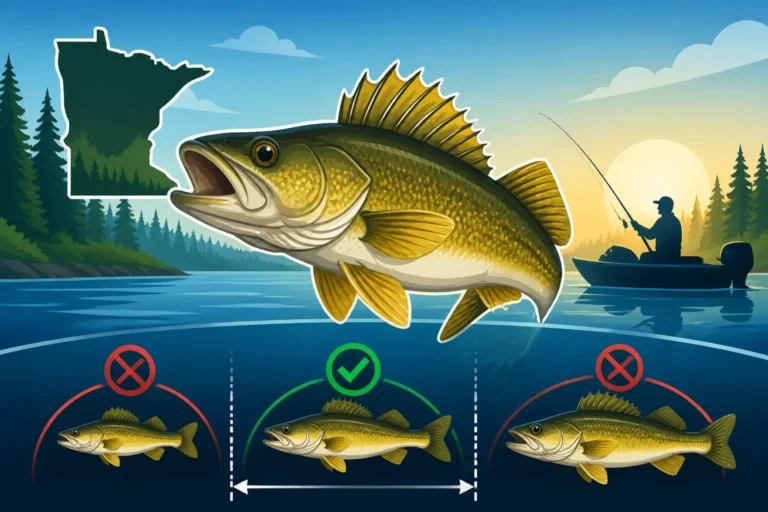
As of the 2026 season, the Lake Vermilion Walleye Limit & Slot is a critical piece of information. Typically, the lake has a "protected slot," meaning any walleye between a certain size (often 18 to 26 inches) must be immediately released. This protects the "spawners"—the big females that keep the population healthy. You are usually allowed to keep one fish over the slot as a trophy, but most veteran Vermilion anglers will tell you that a 28-inch walleye belongs back in the water and a replica belongs on your wall.
Northern Pike and Muskie Rules
If you are chasing the "toothier" species, be aware that the Minnesota Muskie Season & Size Limit is strictly enforced. Vermilion is one of the premier muskie lakes in the world, and the minimum size for keeping one is typically 54 inches. Most people never keep a muskie here; it is a 100% catch-and-release culture. Northern pike also have their own zonal regulations, so ensure you check the Minnesota Northern Pike Limits by Zone before you decide to fillet that "snake" for lunch.
Enforcement and Penalties
You might think that on a lake with 40,000 acres of water and 365 islands, you can hide from the law. You can't. The DNR uses high-powered binoculars, undercover boats, and even planes to monitor fishing activity.
If you are caught without a license, the consequences are immediate and expensive. You will likely face a fine that far exceeds the cost of a three-year license. Furthermore, if you have fish in your livewell and no license, those fish are considered "illegal take," which can lead to the confiscation of your fishing gear—including rods, reels, and in extreme cases, your boat and trailer. To understand the gravity of this, read up on What Happens If You Fish Without a License in Minnesota? to see how a simple oversight can turn into a legal nightmare.
Beyond the legal fines, there is the social aspect. The community around Lake Vermilion takes conservation seriously. If you are seen poaching or ignoring the Lake Vermilion Walleye Limit & Slot rules, don't be surprised if another angler calls the TIP (Turn In Poachers) line. We all want this lake to be great for our children, and that starts with everyone following the same set of rules.
Preparing for a Successful Outing
Once you have your license tucked into your wallet or saved on your phone, the real fun begins. Lake Vermilion is a complex lake with two distinct sides. The West Basin is deeper and clearer, while the East Basin is shallower and more stained. Your tactics will need to change depending on where you are staying.
If you are new to the lake, I highly recommend looking into Walleye Fishing Techniques: Complete Minnesota Guide to get a head start. Whether you are pulling spinners on the flats or jigging the rock piles near Pine Island, having the right license and the right knowledge is the only way to truly enjoy everything the "Big V" has to offer. Don't forget to check the Minnesota Fishing Seasons & Opener Dates (2026) if you are planning a trip around the legendary May opener—it is a holiday in the Northwoods, and the boat ramps will be packed!
Minnesota Fishing Regulations Disclaimer
This guide is intended for informational purposes only and does not constitute legal advice. While every effort has been made to ensure accuracy based on current data, fishing regulations, fees, and slot limits are subject to change by the Minnesota Department of Natural Resources (DNR) at any time. Always consult the official Minnesota Fishing Regulations handbook or the DNR website before your trip to ensure you are in full compliance with the most recent laws and conservation orders. Safe travels and tight lines!