Where to Catch Channel Catfish in Minnesota
One of the biggest joys, and sometimes frustrations, of fishing in Minnesota is knowing where to find your target species. You've heard the legends of monster channel catfish, but where do you actually go to tangle with these whiskered warriors? It's not always as simple as dropping a line in any old lake. This guide is dedicated to helping you pinpoint the prime locations and tactics for catching channel catfish across our beautiful state.
Understanding Channel Catfish in Minnesota
Channel catfish are often overlooked in Minnesota, overshadowed by our beloved walleye and muskie. But let me tell you, these fish offer some of the most exciting, hard-fighting action you can find, and they're delicious to boot! Before we dive into specific locations, let's get a handle on what makes them tick.
Identifying the Channel Catfish
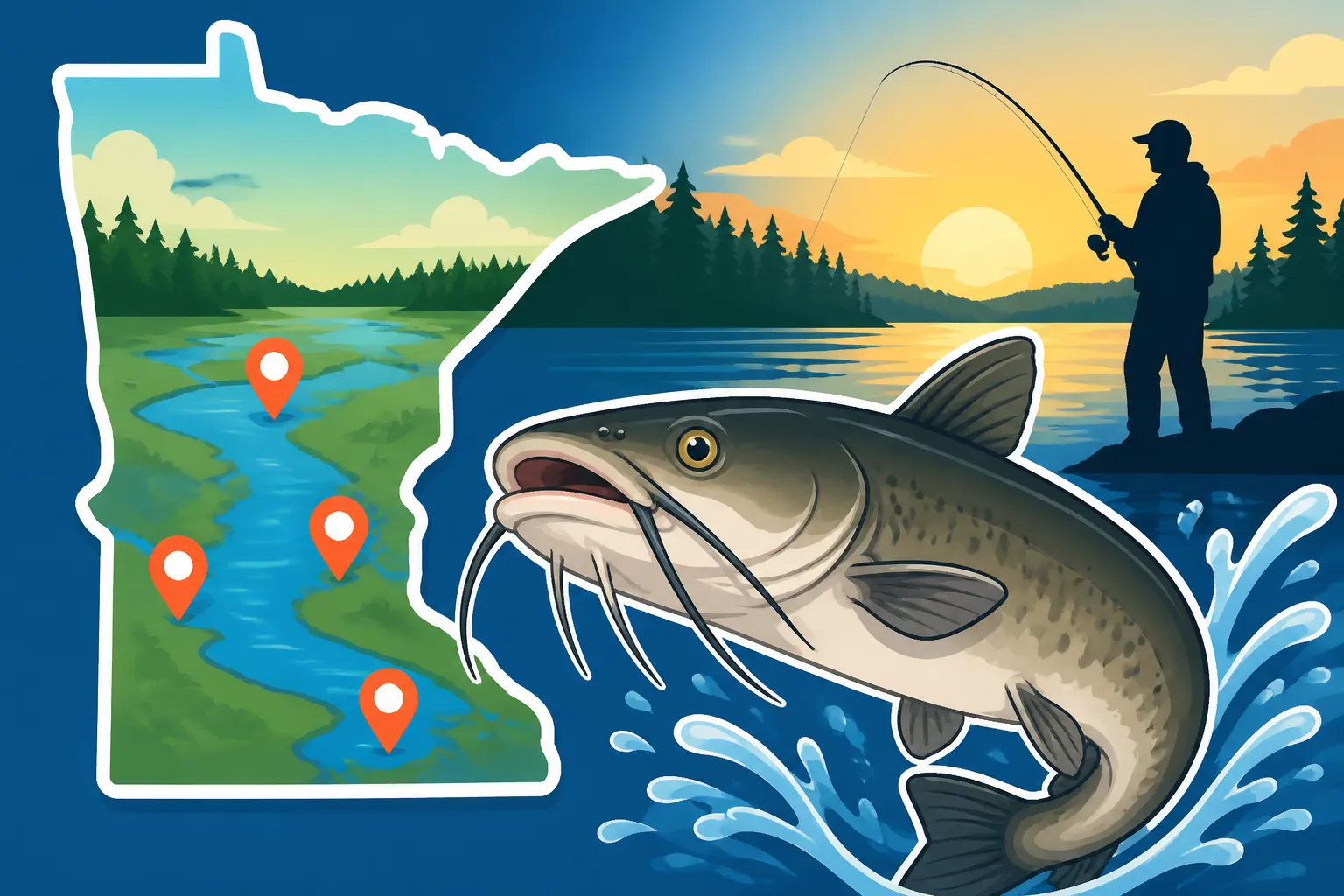
First things first, how do you know you’ve got a channel cat on the line, especially when there are other catfish species like flatheads around? Channel catfish, Ictalurus punctatus, are generally identifiable by their deeply forked tail, smooth, scaleless skin, and scattered black spots (though these can fade with age). Their heads are usually smaller and more pointed than the broad, flattened head of a flathead catfish. They typically have a more streamlined body shape, too, which contributes to their powerful fights in current.
While both species are bottom dwellers and share similar habitats, a flathead often has a distinct, more mottled, yellowish-brown coloring, a paddle-like tail that's not deeply forked, and that unmistakable wide, flat head. Channel cats, on the other hand, tend to be more silvery-gray to olive-green, especially in clear water, with a paler belly. Knowing the difference is important, not just for identification, but because their preferred baits and certain regulations can sometimes differ.
Preferred Habitats and Behavior
Channel catfish are true opportunists and quite adaptable, but they have a definite preference for certain types of environments, especially here in Minnesota. They thrive in warm, often turbid (cloudy) waters and are predominantly found in large rivers and their tributaries, as well as some larger lakes that have strong river connections. They love current, and you'll often find them hunkered down in deeper holes, behind current breaks, or around submerged structure like logjams, rock piles, and bridge pilings. These spots offer them shelter from strong currents and ambush points for passing food.
They’re largely nocturnal feeders, meaning they become most active from dusk through the night and into the early morning hours. This doesn't mean you can't catch them during the day, especially in cloudy water or during overcast conditions, but if you're serious about targeting trophy-sized cats, embracing night fishing can significantly boost your success. Their diet is incredibly varied; they're scavengers by nature, eating anything from insects and crustaceans to smaller fish, frogs, and even dead organic matter. This eclectic palate is a big reason why a variety of baits work so well for them.
Top Rivers for Channel Catfish in Minnesota
When you talk about channel catfish in Minnesota, you absolutely have to talk about our rivers. These flowing highways are the heart and soul of our channel cat fishery, offering consistent action and the best shot at a true behemoth.
The Mighty Mississippi River (Pools 1-8)
Ah, the Mississippi! It’s not just a legendary waterway; it’s a channel catfish paradise, especially in the southern reaches of Minnesota. From the Twin Cities metro area downstream, the Mississippi River is carved into navigable pools by a series of locks and dams. Each pool offers fantastic fishing, but some stretches are particularly renowned.
Pools 2 through 8, stretching from St. Paul down to the Iowa border, are incredibly productive. These pools feature a diverse aquatic environment with deep navigation channels, numerous backwaters, wing dams, and abundant submerged timber. Catfish absolutely stack up around these structures. Focus your efforts on the deeper channels, especially where there are eddies or current breaks created by wing dams or fallen trees. The areas immediately below the dams are also perennial hotspots, offering a buffet of disoriented baitfish and rich oxygenated water. Towns like Red Wing, Lake City, and Winona are fantastic access points, often with good bait shops and launch facilities.
Many anglers find great success fishing the Mississippi during the summer months, particularly from late evening into the night. Cut bait, like pieces of oily fish or even chicken liver, fished on a simple bottom rig, can be incredibly effective. For more on this expansive fishery, check out our guide on Mississippi River Pool Fishing in Minnesota.
The Red River of the North (and its Tributaries)
If you're looking for true trophy channel catfish, the Red River of the North is probably at the top of many anglers' lists, and for good reason! This northward-flowing river, forming part of Minnesota’s western border with North Dakota, is legendary for its massive channel cats, often pushing into the 20-pound range and beyond.
The Red River is unique due to its relatively flat gradient and slow, meandering current, which carries a lot of nutrient-rich sediment, making the water perpetually turbid. This cloudy water is prime channel cat habitat. The river's banks are often lined with snags, logjams, and undercut banks – perfect hiding spots for big cats. Key areas to target include the stretches around East Grand Forks and south towards Breckenridge. Access can sometimes be tricky due to steep, muddy banks, but public access points and boat launches are available in many towns.
Fishing the Red River usually involves anchoring your boat near current breaks or structure and deploying stout rods with heavy line. The sheer size of these fish demands robust gear. Many anglers use heavy spinning or baitcasting setups, spooled with 20-30 pound mono or braid, paired with a substantial leader. For specific tactics, you might find tips in our How to Catch Channel Catfish in Minnesota Step by Step guide, but expect to use large chunks of cut bait, like suckers or shad, or even commercially prepared "stink baits." The best time to fish is typically from late spring through early fall, with summer nights often producing the biggest fish. If you’re serious about this river, our detailed guide on Fishing the Red River of the North is an essential read.
St. Croix River: A Scenic Catfish Destination
The St. Croix River, a National Scenic Riverway that forms part of our eastern border with Wisconsin, offers a different, but equally rewarding, channel catfish experience. While perhaps not as renowned for the sheer size of individual catfish as the Red River, the St. Croix offers consistent action for good-sized channels in a stunning natural setting.
The lower St. Croix, particularly below the Stillwater area and down towards Prescott where it joins the Mississippi, is where the best channel cat fishing can be found. Here, the river deepens and widens, providing ample habitat. Look for deeper holes, especially those with current seams, submerged timber, and bridge pilings. The area around Taylor's Falls can also hold good numbers, particularly in deeper pools below rapids.
The St. Croix provides excellent opportunities for both boat and shore anglers. Many state parks and public access points offer shore fishing options. Using simple bottom rigs with cut bait, live nightcrawlers (you can find great deals on bulk nightcrawlers on Amazon for example), or stink bait will put you in the game. Fishing around sunset and into the evening is often the most productive.
Minnesota River: Underrated Catfish Action
The Minnesota River, often overshadowed by its larger counterparts, is an incredibly underrated gem for channel catfish. This river winds its way across southern Minnesota before merging with the Mississippi near St. Paul, and its lower stretches, in particular, hold a very healthy population of channel cats.
The Minnesota River shares many characteristics with the Mississippi: generally turbid water, numerous logjams, deep bends, and varying current speeds. Target areas where the river deepens, especially on outside bends, or where debris has collected, creating current breaks and cover. Access points can be found in towns like Mankato, Henderson, and Shakopee.
Similar to other river systems, heavy gear is recommended, especially if you encounter some of the bigger fish lurking in its depths. Cut bait, fresh dead bait, or commercial stink baits are your best bet. Because of its winding nature and often shallower stretches, a smaller boat or even shore fishing can be very effective, giving you access to spots that bigger boats might struggle with. The key is to find those deeper pockets and current seams.
Top Lakes for Channel Catfish in Minnesota
While rivers are the undisputed champions for Minnesota channel catfish, some lakes, especially those with strong river connections, can also offer surprisingly good opportunities. These aren't your typical "cast into open water" scenarios; success often hinges on understanding how catfish use these lake environments.
Lakes with Strong River Connections
When we talk about lakes for channel catfish, we're really looking for those directly influenced by river systems. These lakes essentially become widened river sections, retaining many of the habitat features channel cats prefer.
- Lake Pepin (Mississippi River): This large, natural lake on the Mississippi River is a prime example. As the river widens, Lake Pepin offers extensive, deep channels and current breaks where channel cats congregate. The lower end, closer to the dam, and the deeper areas along the main river channel are excellent choices.
- Lake Traverse and Big Stone Lake (Bois de Sioux River): These two lakes, located on the western border, are connected by the Bois de Sioux River, which eventually flows into the Red River system. Both lakes contain good populations of channel catfish, particularly near the river inlets and outlets, or in deeper sections with soft bottoms. These are often shallower lakes, so focus on the deeper channels or scour holes.
- Lake of the Woods and Rainy Lake (Northern River Systems): While more famous for walleye and muskie, these massive northern lakes, fed and drained by significant river systems (Rainy River, Winnipeg River), do hold channel catfish. Your best bet here is to focus on the riverine sections, particularly the Rainy River itself where it enters or exits Lake of the Woods and Rainy Lake. Catfish will follow the river channels, so look for deeper holes and current breaks within the lake near these river junctions. Many anglers targeting sturgeon on the Rainy River might accidentally hook into a big channel cat, proving their presence! For those looking to explore similar river-lake connections, our guide on Sturgeon Fishing on the Rainy River: What to Know can provide valuable insights into riverine structures.
In these lake environments, look for areas where the river channel flows through, or where major creek mouths enter. These spots often concentrate baitfish and offer the current and depth that channel catfish seek, especially in warmer months.
Other Productive Lakes
While specific "catfish-only" lakes are rare in Minnesota, some larger, often shallower lakes with murky water and extensive soft bottom areas can support channel catfish populations, even without direct major river connections. These are less common, and usually, the populations aren't as dense or the fish as large as in the major river systems.
However, if you're exploring locally, consider lakes in agricultural areas that might have more nutrient runoff, leading to murkier water and a rich food base for scavengers. Lakes with significant carp populations often hold good numbers of channel cats, as they share similar preferences for food and habitat. Always check the Minnesota DNR lake finder for specific species present in a lake you're considering. It's truly eye-opening how many Minnesota lakes hold diverse fish species, and you'd be surprised where a channel cat might turn up.
Essential Gear and Tactics for Channel Catfish
Catching channel catfish, especially the bigger ones, requires the right tools and a solid understanding of how to present your bait. You don't need super fancy gear, but durable, reliable equipment is key.
Rods, Reels, and Line Selection
Forget your ultralight panfish setup; you're going to need something with some backbone for these fighters.
- Rods: A medium-heavy to heavy action spinning or baitcasting rod, typically 7 to 9 feet long, is ideal. The longer rod helps with casting heavier baits and provides leverage to fight powerful fish, especially in current. Brands like Ugly Stik offer incredibly durable and affordable options that are perfect for catfishing, available widely, including on Amazon.
- Reels: Pair your rod with a sturdy spinning reel (size 4000-6000) or a robust baitcasting reel capable of holding a good amount of heavy line. Smooth drag is crucial for battling big cats without snapping your line.
- Line: Don't skimp on line strength. Most experienced catfishermen use 15 to 30-pound monofilament or braided line. Braided line offers superior sensitivity and strength for its diameter, which is great for feeling subtle bites in current. However, mono has more stretch, which can be forgiving with a hard-fighting fish. A good compromise is braided mainline with a 20-30 pound monofilament or fluorocarbon leader to provide some abrasion resistance against structure. For an overview on similar gear considerations, take a look at our article on Best Fishing Gear for Beginners in Minnesota By Budget.
Best Baits and Rigs
Channel catfish aren't particularly picky eaters, which is a blessing for anglers! Their diet as scavengers means a variety of pungent baits will attract them.
- Cut Bait: This is arguably the most effective bait for larger channel cats. Oily fish like shad, suckers, or even smaller panfish (check regulations for using game fish as bait) cut into chunks work wonders. The scent trail they put out in the water is irresistible.
- Prepared "Stink Baits": Commercial catfish "stink baits" or "dip baits" are formulated to be highly attractive to channel cats. These usually come in a paste or dough form and are often fished on specially designed dip worms or sponges. Brands like Catfish Charlie or Sonny's Super Sticky are popular choices and readily available.
- Live Bait: Large nightcrawlers (often fished in a ball), leeches, or small live minnows can also catch channel cats, though they might also attract other species. You can find excellent quality live bait at most local bait shops, and some general fishing supplies like hooks and sinkers are often sold in bulk on Amazon.
- Rigs:
- Slip Sinker Rig (Carolina Rig): This is the go-to for most bottom fishing. A main line runs through a bullet or egg sinker, then ties to a swivel, followed by a monofilament leader (12-24 inches), and finally a circle hook (sizes 3/0 to 8/0). The slip sinker allows the fish to take the bait without feeling immediate resistance, which can lead to more solid hookups.
- Three-Way Rig: Ideal for fishing in strong current or when you want to keep your bait slightly off the bottom. A three-way swivel is tied to your main line. One eye goes to a short leader (6-12 inches) with a sinker, another eye to a longer leader (18-36 inches) with your hook and bait, and the third eye to your main line.
Prime Times to Fish
As mentioned earlier, channel catfish are largely nocturnal. While you can catch them during the day, especially if the water is murky or conditions are overcast, the period from dusk through the night and into early morning is often the most productive. The lower light conditions give them a sense of security, and they actively forage during these hours. During the summer, when water temperatures are warmest, their metabolism is high, and they feed aggressively. Spring and fall can also be excellent, particularly as water temperatures cool, and they might feed more consistently throughout the day. For more general advice on when fish are biting, consider our Best Seasonal Pattern for Channel Catfish in Minnesota guide.
Navigating Regulations and Best Practices
Like all fishing in Minnesota, chasing channel catfish means playing by the rules. Understanding and following regulations is crucial for sustainable fishing and avoiding unwanted encounters with conservation officers.
Understanding Minnesota Catfish Regulations
The Minnesota Department of Natural Resources (DNR) sets specific regulations for all fish species, and channel catfish are no exception. These rules can vary by water body, so always, always consult the most current Minnesota Fishing Regulations handbook or the DNR website before you head out. Generally, there are statewide daily bag and possession limits for channel catfish. For example, in many waters, the daily and possession limit might be 5 channel catfish. However, specific rivers, like the Red River, sometimes have special regulations, including protective slot limits or different daily limits to manage trophy fisheries.
It's also important to understand the general rules, such as needing a valid Minnesota Fishing License: Cost, Types & How to Buy (2026), knowing the Minnesota Fishing Seasons & Opener Dates (2026) (though catfish are often open year-round), and being aware of Minnesota Fishing Limits: Bag & Possession (2026). The number of lines you can use, typically two in open water and two in ice fishing, is also a statewide rule covered in How Many Lines Can You Fish in Minnesota?. Always double-check any specific regulations for the particular body of water you intend to fish, as river systems, especially border waters, can have unique rules. Our comprehensive guide, Catfish in Minnesota: Channel & Flathead, also delves into these regulations.
Conservation and Safe Handling
Even if you plan to keep a few fish for a delicious meal, practicing good conservation habits is vital, especially for the larger, older channel catfish.
- Handle with Care: Catfish have spines on their dorsal and pectoral fins that can deliver a painful poke. Always be mindful of these when handling. A firm grip behind the gill plates (avoiding the actual gills) is usually safest. If you plan to release a fish, try to minimize its time out of the water.
- Circle Hooks: Consider using circle hooks when bait fishing for catfish. These hooks are designed to hook fish in the corner of the mouth, significantly reducing gut-hooking and improving the chances of a successful release, especially for fish you don't intend to keep.
- Release Big Fish: While legal to keep, many anglers choose to release the largest channel catfish. These big fish are often older, slower-growing, and crucial for the genetic health of the population. Keeping smaller, younger fish (often in the 16-24 inch range) for the frying pan is often a better option for both taste and conservation.
- Proper Disposal of Bait: Never dump unused bait, especially live bait, into a water body if it didn't come from that water body. This prevents the spread of diseases and aquatic invasive species.
Comparing Top Catfish Rivers in Minnesota
To give you a clearer picture, here's a quick comparison of the top river systems for channel catfish in Minnesota:
| River System | Primary Location | Key Characteristics | Best for | Common Baits |
|---|---|---|---|---|
| Mississippi River | Southern MN (Pools 1-8) | Locks & dams, wing dams, diverse structure, heavy current | Consistent action, good numbers | Cut bait, stink bait, crawlers |
| Red River of the North | Western MN border | Turbid, slow current, logjams, high nutrients | Trophy-sized catfish, big numbers | Large cut bait, commercial stink bait |
| St. Croix River | Eastern MN border (lower stretches) | Scenic, clear to moderately clear water, deep holes | Quality fishing in beautiful surroundings | Cut bait, nightcrawlers, stink bait |
| Minnesota River | Central/Southern MN | Winding, turbid, logjams, varied depth | Underrated potential, good accessibility | Cut bait, nightcrawlers, prepared baits |
Each of these rivers offers a unique catfishing experience. Whether you're chasing a state record on the Red River or enjoying a peaceful evening on the St. Croix, Minnesota's waters are teeming with channel catfish waiting to test your tackle. Don't be afraid to experiment with different baits and tactics, and most importantly, enjoy the fight! And when you're stocking up on terminal tackle, remember that platforms like Amazon offer a wide array of hooks, swivels, and sinkers to get you started. For more specific tackle recommendations, our guide on Best Tackle for Channel Catfish in Minnesota is an excellent resource.
Disclaimer
Always consult the current Minnesota Department of Natural Resources (DNR) fishing regulations before heading out on the water. Regulations can change seasonally and by specific water body. This guide is for informational purposes only and not a substitute for official DNR publications.