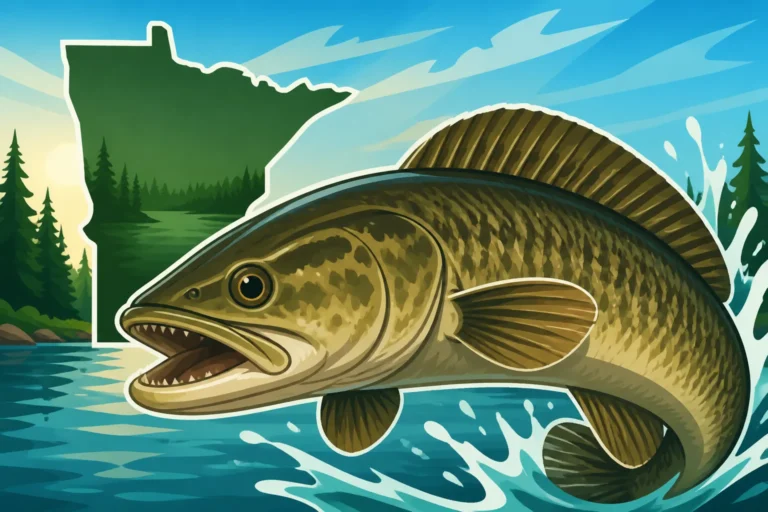
Sauger Season & Limits in Minnesota
Understanding the specific rules for fishing in Minnesota can feel like navigating a maze, especially when it comes to species that look similar but have distinct regulations. Anglers often struggle to keep track of the nuanced seasons and limits for fish like sauger, which are frequently found alongside their more famous cousins, walleye. This comprehensive guide is here to untangle the complexities of sauger season and limits in Minnesota, ensuring you're well-informed and ready for a successful and legal day on the water.
Understanding Sauger in Minnesota Waters
Sauger might not get the same star treatment as walleye, but these feisty fish are a fantastic catch, offering excellent table fare and a spirited fight. Knowing the ins and outs of sauger fishing starts with understanding the fish itself and where it prefers to hang out in Minnesota's diverse aquatic environments.
Sauger vs. Walleye: Telling the Difference
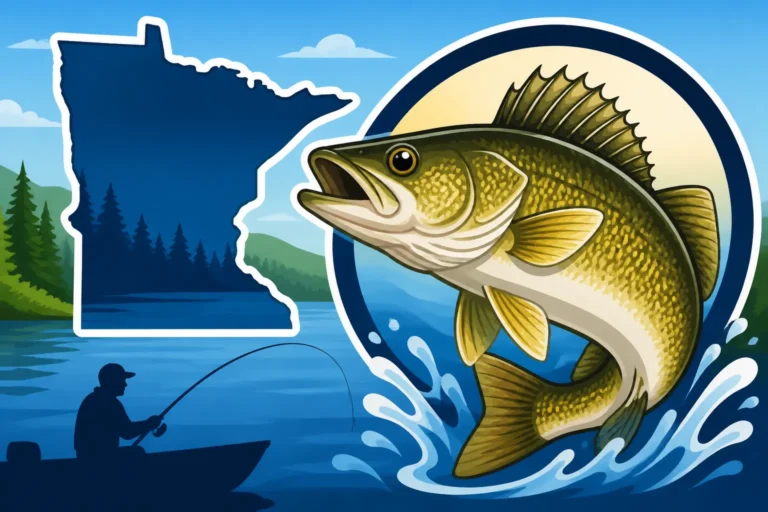
It's an age-old question on the water: "Is this a walleye or a sauger?" They're both members of the perch family, and at a quick glance, they can look remarkably similar. However, there are some key visual cues that distinguish a sauger from a walleye, and knowing them is more than just academic – it's often crucial for complying with specific regulations, especially concerning size and bag limits.
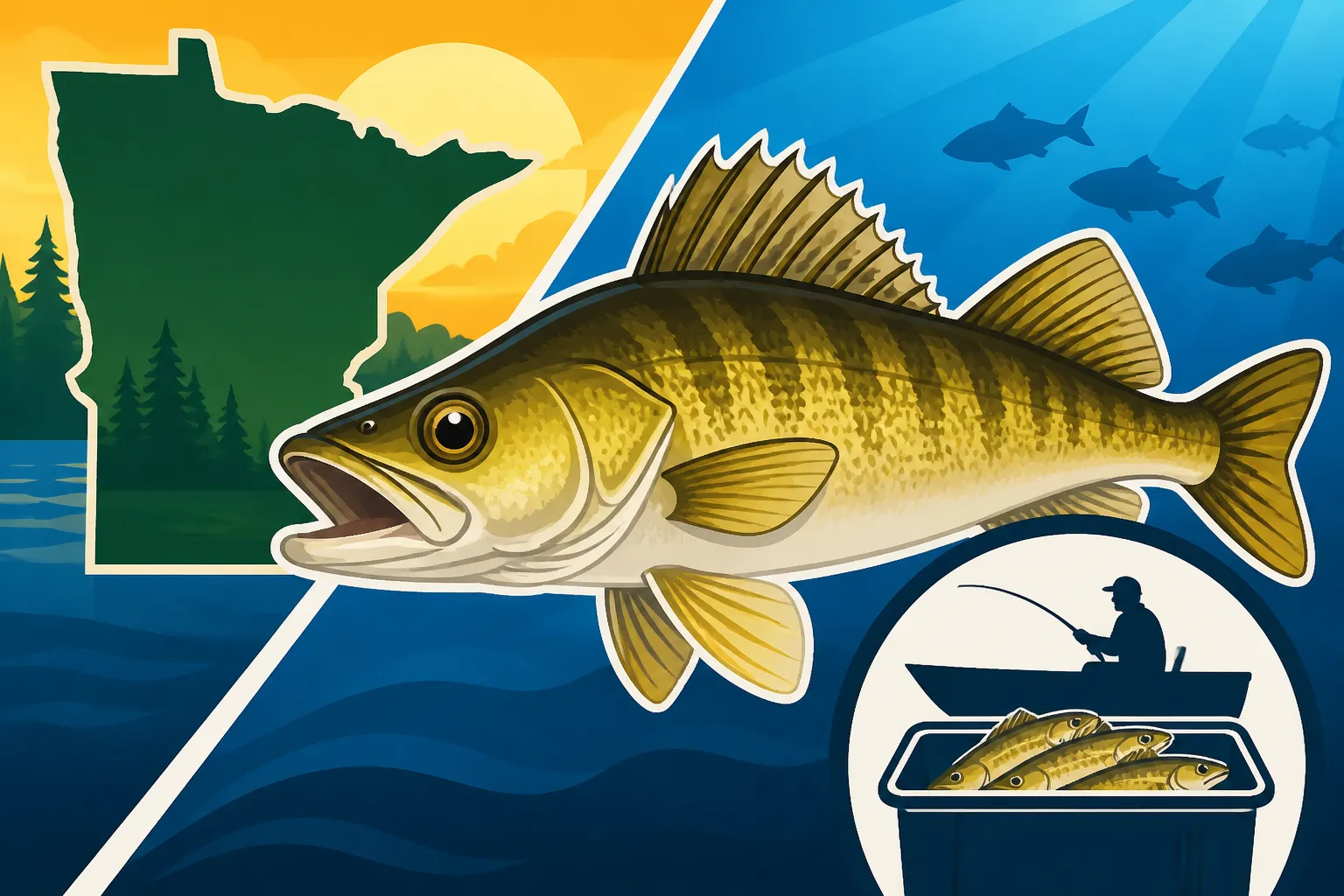
First, take a look at the dorsal fin. A sauger will have distinct dark spots or bars on its spiny dorsal fin, creating a mottled or banded appearance. Walleye, on the other hand, typically have a solid-colored dorsal fin, usually with a dark blotch at the base of the last few spines. This is often the easiest and most reliable way to tell them apart on the fly. Second, consider the body shape and coloration. Sauger tend to be more slender and cylindrical, with a darker, more mottled brown or brassy coloration, often with three or four distinct saddle-like blotches across their back that extend down their sides. Walleye usually have a more golden or olive-green hue, with a more compressed body. Finally, check the lower lobe of the tail fin. Walleye usually have a white tip on the lower lobe of their tail, which sauger lack entirely. These subtle but important differences become second nature once you've seen a few of each. For a deeper dive into these distinctions, you might find our guide on How to Identify a Walleye vs Sauger particularly helpful.
Where Sauger Thrive: Typical Habitats
Sauger have a distinct preference for turbid (murky) waters and thrive in larger river systems and interconnected lake chains. Unlike walleye, which can be found in a wider variety of lakes, sauger really shine in current-swept environments. You're most likely to encounter them in the expansive waters of the Mississippi River, particularly in its pools as it flows through Minnesota. Here, they often congregate in deeper holes, behind current breaks, or along submerged channel edges, waiting to ambush unsuspecting baitfish.
The Rainy River, forming part of the border between Minnesota and Ontario, is another prime sauger fishery, especially in the spring and fall. The constant flow and diverse depths of the Rainy River create ideal conditions for sauger. Similarly, Lake of the Woods, with its vast expanse and numerous riverine influences, supports a robust sauger population. While you might catch an occasional sauger in some of Minnesota's larger, murkier lakes, the river systems are truly their stronghold. They appreciate that consistent flow, which brings food to them and helps with spawning. When targeting sauger, thinking "current" and "depth" is generally a good strategy. If you're planning a trip to these prime locations, exploring guides like Mississippi River Pool Fishing in Minnesota or Lake of the Woods Fishing Guide can provide invaluable local insights.
Minnesota Sauger Seasons: Year-Round Opportunity
One of the great things about sauger fishing in Minnesota is the extended season. For many anglers, it feels like a year-round opportunity, especially when compared to some other popular game fish. However, like all species, there are specific regulations that dictate when and where you can legally target them.
General Statewide Season
In most Minnesota waters, sauger generally follow the same open season as walleye. This means that for the vast majority of lakes and rivers within the state's interior, the season opens on the Saturday two weeks prior to Memorial Day and continues through the following February. This long season provides ample opportunity for both open-water and ice anglers to pursue sauger.
However, it's absolutely critical to remember that specific bodies of water can, and often do, have different or continuous seasons. Always consult the most current Minnesota Department of Natural Resources (DNR) fishing regulations booklet for the specific lake or river you plan to fish. You can often find a digital version of the regulations booklet online, which is super convenient, or pick up a physical copy at bait shops or sporting goods stores. While the general rule is a long, continuous season, local nuances can change everything. Keeping an eye on Minnesota Fishing Seasons & Opener Dates (2026) will help you stay updated on any broad changes.
Border Water Regulations
When you're fishing waters that form a border with another state or province, like Wisconsin or Ontario, things can get a bit more complicated. These "border waters" often operate under unique agreements between the jurisdictions, and the rules can differ significantly from statewide Minnesota regulations. This is particularly true for sauger, which are prevalent in key border water fisheries.
For example, on Lake of the Woods and the Rainy River, which border Ontario, the sauger season is typically open continuously, year-round, for both residents and non-residents, with some specific stipulations during certain spawning periods in protected areas. This differs from the interior lake season openers. The reason for these unique rules is to manage shared fish populations and accommodate different angling traditions and pressures from both sides of the border. Always, and I mean always, make sure you understand the specific border water regulations before you wet a line. Fishing on the Canadian side, even accidentally, without an Ontario license and knowledge of their rules can lead to serious penalties. Checking guides like Border Water Fishing Rules (Minnesota-Ontario, Wisconsin) or Lake of the Woods Fishing Regulations (2026) is a non-negotiable step for planning a trip to these areas. These regulations are designed to protect the fishery and ensure its health for future generations, so respecting them is paramount.
Sauger Limits in Minnesota: Bag & Possession
Understanding bag and possession limits is just as important as knowing the open season. These limits are in place to manage fish populations and prevent overharvest, ensuring sustainable fishing for everyone. For sauger, these limits often overlap with walleye limits, which adds another layer of detail you need to pay attention to.
Statewide Daily and Possession Limits
For most inland Minnesota waters, the daily bag limit for sauger is often combined with walleye. Typically, this means you can keep a combined total of six walleye and sauger per day. The possession limit, which refers to the total number of fish you can have in your possession at home, in your vehicle, or at a cabin, is usually the same as the daily bag limit unless specified otherwise. This means you can't accumulate multiple days' worth of fish beyond that six-fish combined total.
It's vital to note that even within this combined limit, there might be special regulations on specific lakes that affect the number or size of walleye that can be kept, which then indirectly impacts how many sauger you might choose to retain. For example, some lakes have protected slot limits for walleye, meaning fish within a certain size range must be immediately released. While sauger are less frequently subject to slot limits due to their typically smaller size, it’s still important to be aware of the overall combined limit. Our guide on Minnesota Fishing Limits: Bag & Possession (2026) offers a broader overview of these critical regulations.
Special Regulations by Lake or River System
Just like with seasons, certain bodies of water in Minnesota have specific, often stricter, limits for sauger (and walleye) to manage local populations. These special regulations are usually implemented by the DNR based on biological surveys and angler harvest data to ensure the health and sustainability of that particular fishery.
For instance, on Lake of the Woods, while the season is often continuous, the combined walleye and sauger limit is typically higher than the statewide limit, often allowing for a combined total of six fish, but with a sub-limit on the number of actual walleye that can be kept within that total (e.g., four walleye and two sauger, or five walleye and one sauger, depending on the current year's rules). Similar special regulations might apply to the Rainy River or even specific pools of the Mississippi River, where fishing pressure is high or population dynamics require careful management. These area-specific rules are often updated annually, so simply relying on last year's knowledge can get you into trouble. Before heading out, make it a habit to check the DNR's specific lake or river regulations. For destinations like Lake of the Woods, you'll want to consult detailed resources such as Lake of the Woods Walleye Limit & Slot to ensure you're fishing within the current legal framework.
Understanding Combined Walleye/Sauger Limits
The concept of a "combined limit" for walleye and sauger is one of the most important aspects for anglers to grasp when targeting either species in Minnesota. It means that regardless of whether you're catching walleye or sauger, they both count towards the same total daily and possession limit.
For example, if the combined limit is six fish, you could keep six sauger, or six walleye, or any combination thereof (e.g., three walleye and three sauger). The reason for this combined limit is that these two species often inhabit similar areas, respond to similar baits and presentations, and can be difficult for some anglers to distinguish quickly. By combining them, the DNR aims to simplify enforcement and ensure overall harvest remains sustainable for these ecologically linked populations. This table illustrates a hypothetical comparison between statewide regulations and a common border water scenario.
| Regulation Aspect | Statewide Inland Waters (Typical) | Lake of the Woods (Example) |
|---|---|---|
| Season | May through February (approx.) | Continuous (year-round) |
| Combined Walleye/Sauger Daily Bag Limit | 6 | 6 |
| Walleye Sub-limit (within combined bag) | N/A (all 6 can be walleye/sauger) | 4 (often, check current regs) |
| Sauger Sub-limit (within combined bag) | N/A (all 6 can be walleye/sauger) | 6 (often, check current regs) |
| Size Restrictions | Generally none for sauger, walleye may have slots | Walleye often have protected slot, sauger do not |
Always refer to the official Minnesota DNR regulations for the most current and precise rules for your specific fishing location.
This combined limit means you need to be mindful of what you're catching and keeping throughout your fishing day. It prevents someone from keeping six walleye and six sauger, which would quickly deplete populations. It’s all about maintaining that delicate balance in our precious Minnesota waters.
Best Practices for Sauger Anglers
Beyond simply knowing the rules, applying best practices can significantly enhance your sauger fishing success and contribute to the overall health of the fishery. From choosing the right gear to understanding conservation, being a responsible angler makes all the difference.
Essential Gear for Sauger Fishing
Sauger, while often smaller than walleye, put up a respectable fight and require appropriate tackle for a good experience. A medium-light to medium power spinning rod, typically 6'6" to 7' long, paired with a matching spinning reel spooled with 6-8 pound test monofilament or fluorocarbon line is a versatile setup. Many anglers prefer a braided line for its sensitivity, especially in deeper water or current, using a fluorocarbon leader for abrasion resistance and stealth.
When it comes to lures and baits, sauger respond well to many of the same presentations as walleye. Jigs tipped with live bait, such as minnows or shiners, are consistently effective, especially when fished near the bottom in current. Blade baits and small crankbaits that can be worked along deeper contours or trolled through river channels are also excellent choices. In stained or murky water, baits with rattles or bright colors can be particularly appealing to sauger. Don't forget to have a variety of jig weights on hand to match the current conditions and depth. You can find a fantastic selection of these items, from rods and reels to a wide array of jigs and lures, conveniently on Amazon, often at competitive prices. For more detailed insights into general walleye and sauger tackle, our guide on Best Gear for Walleye Fishing in Minnesota offers extensive advice.
Conservation and Responsible Angling
Being a conservation-minded angler is about more than just staying within the legal limits; it's about actively contributing to the sustainability of the fishery. Sauger populations, like all fish, are impacted by fishing pressure, habitat quality, and environmental factors. Practicing responsible angling ensures that future generations can enjoy the same opportunities we do.
First and foremost, always confirm the specific regulations for your chosen body of water. A quick check of the DNR website or a current regulations booklet before each trip is a must. If you're practicing catch and release, handle fish gently. Minimize their time out of the water, use needle-nose pliers or a hook remover to quickly extract hooks, and support the fish horizontally, especially larger ones, until it swims away under its own power. Avoid dropping fish or allowing them to flop on hard surfaces. Consider using single, barbless hooks, which can reduce harm and make unhooking much quicker. Dispose of all trash properly – pack it in, pack it out. Never leave discarded fishing line, bait containers, or other refuse on the shore or in the water. Remember, we are all stewards of Minnesota's natural resources, and our actions today directly impact the quality of fishing tomorrow. For more on proper handling techniques, refer to our article on Catch and Release Best Practices in Minnesota.
Disclaimer
Please remember that fishing regulations, including seasons, limits, and special provisions, can change frequently. While this guide provides a comprehensive overview, it is essential to always consult the official Minnesota Department of Natural Resources (DNR) fishing regulations booklet or website for the most current and accurate information before heading out on the water. Following all regulations is the responsibility of each individual angler.