Sturgeon Fishing on the Rainy River: What to Know
For many anglers, the dream of hooking into a truly ancient, powerful fish remains just that — a dream. The sheer size and prehistoric aura of Lake Sturgeon can make pursuing them seem daunting, especially on a renowned but complex waterway like Minnesota's Rainy River. This comprehensive guide will demystify sturgeon fishing on the Rainy River, providing you with the knowledge, tips, and regulations needed to turn that dream into an unforgettable reality.
The Undeniable Allure of Rainy River Sturgeon Fishing
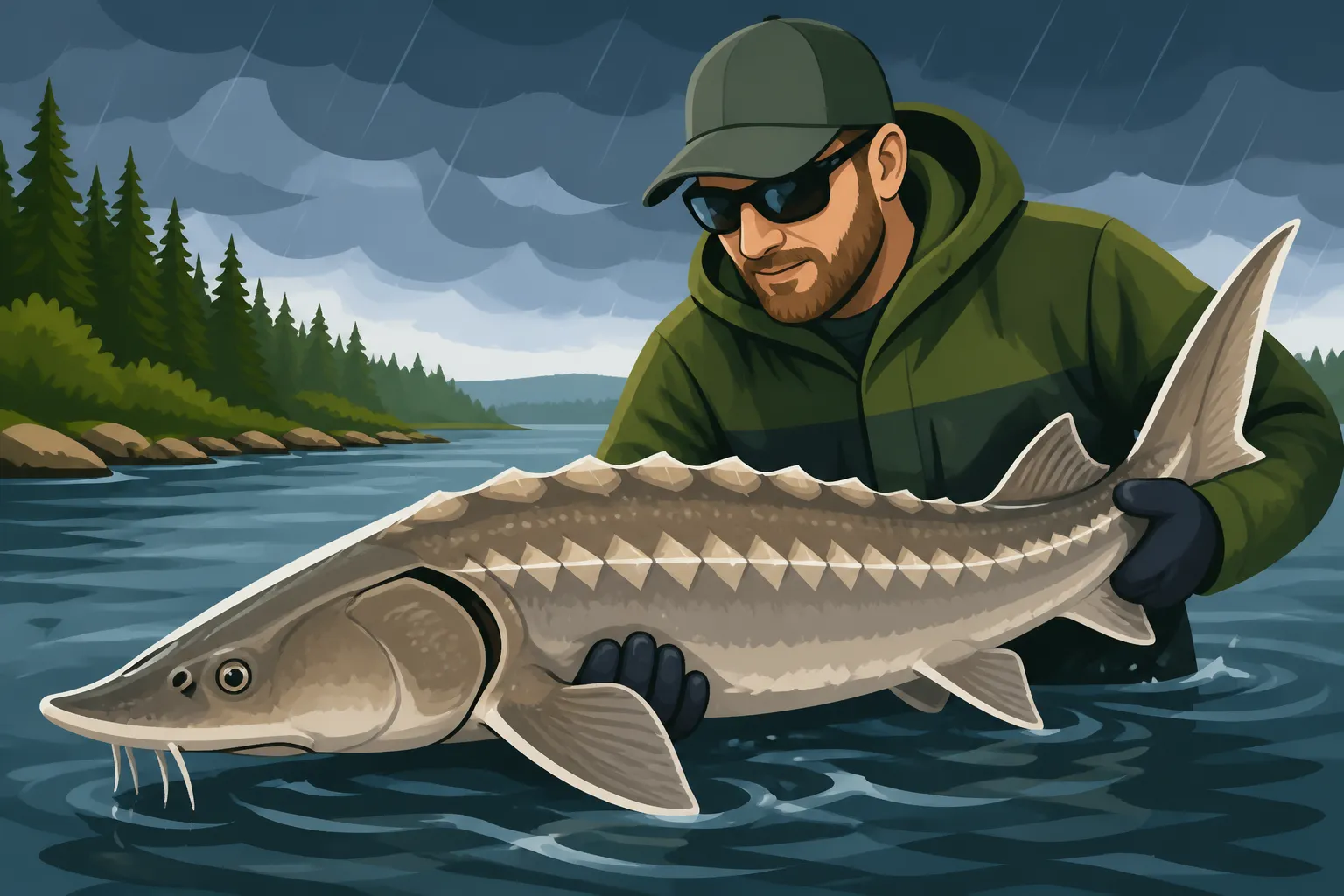
There's something uniquely captivating about Lake Sturgeon. These magnificent creatures, with their armored plates and impressive size, have been swimming our waters since the dinosaurs roamed the earth. And for Minnesota anglers, the Rainy River stands out as the premier destination for encountering these freshwater giants. It's not just about the fish; it's about the experience on this historic border water.
Why the Rainy River is a Sturgeon Hotspot
The Rainy River, forming a significant portion of the border between Minnesota and Ontario, is much more than just a river; it's a vital artery connecting Rainy Lake to the vast expanse of Lake of the Woods. This connection is key to its status as a sturgeon mecca. The river itself offers a diverse habitat of deep holes, current seams, and abundant forage, creating an ideal environment for Lake Sturgeon to thrive. Decades of conservation efforts by both Minnesota and Ontario authorities, coupled with strict regulations, have led to a remarkable resurgence in the sturgeon population here. It’s a true conservation success story, allowing us to fish for healthy, robust specimens that can exceed six feet in length and weigh over a hundred pounds. Many anglers come specifically for the opportunity to catch true "Rainy River Giants" when fishing for Lake Sturgeon in Minnesota.
Different Sturgeon Seasons and What to Expect
Sturgeon fishing on the Rainy River essentially has two prime windows: the spring run and the fall bite. Each offers a unique experience, influenced by water temperatures, fish behavior, and fishing pressure.
Spring Run (Mid-April to Mid-May): As the ice recedes and the river begins to flow freely, Lake Sturgeon migrate upstream from Lake of the Woods into the Rainy River for their annual spawning ritual. This period, often coinciding with the walleye opener, can be incredibly productive. The fish are concentrated, active, and often aggressive as they prepare to spawn. Anglers can expect fast action, though the weather can be unpredictable, ranging from sunny and warm to chilly and wet. Water levels can also fluctuate significantly, impacting fishing spots and current strength. This is generally when the largest concentrations of fish are present, leading to many successful outings.
Fall Bite (Late August through October): While perhaps not as intense as the spring run, the fall offers excellent sturgeon fishing, often with fewer crowds. As water temperatures cool, sturgeon begin to feed heavily in preparation for winter. They're typically found in deeper holes and slower current areas, packing on calories. The fall scenery along the Rainy River is also breathtaking, with vibrant autumn colors adding to the experience. This season can often yield some of the biggest individual fish, as they've had a full summer of feeding. Weather tends to be more stable, though cold snaps can certainly happen.
Navigating Regulations and Seasons for Rainy River Sturgeon
Fishing for Lake Sturgeon on the Rainy River, like any border water, comes with specific regulations that can differ slightly from statewide rules. It’s crucial to understand these nuances to ensure you're fishing legally and contributing to the conservation of this incredible species. Don't let the rules intimidate you; they're in place for a good reason.
Understanding Minnesota's Sturgeon Rules
Generally, Minnesota's statewide regulations for Lake Sturgeon are focused on conservation due to their long lifespan and slow reproductive rates. A key requirement for keeping a sturgeon, if allowed, is the purchase of a special sturgeon tag in addition to your regular Minnesota fishing license. These tags are often limited, and specific seasons and size slots apply. For more general information, anglers should always consult the official DNR regulations regarding Lake Sturgeon Season & Limit in Minnesota and Lake Sturgeon Regulations & Tag in Minnesota. It's vital to check the current year's regulations as they can change annually based on population assessments and management goals. Most sturgeon fishing in Minnesota, especially for larger fish, is done on a catch-and-release basis to protect these long-lived fish.
Specific Rainy River Considerations
The Rainy River is designated as a border water, which means its fishing regulations can be a blend of Minnesota and Ontario rules, sometimes with unique provisions. It’s imperative to consult the Minnesota Department of Natural Resources (DNR) and the Ontario Ministry of Natural Resources and Forestry (MNRF) regulations for border waters, specifically pertaining to the Rainy River. You can find general guidelines in resources like Border Water Fishing Rules Minnesota-Ontario, Wisconsin.
Here’s a breakdown of common points for the Rainy River:
- Sturgeon Harvest Seasons: The Rainy River typically has a spring harvest season (mid-April to mid-May) and a fall harvest season (early July to late September), along with a catch-and-release only season for the rest of the year. During harvest seasons, only one sturgeon per calendar year may be kept, and it must typically fall within a very specific size slot (e.g., 45-50 inches, or 60-65 inches, but always check current regulations for 2026 as these specifics can change).
- Sturgeon Tag: Even if you plan to release all your fish, if you are fishing during a harvest season where keeping a sturgeon is an option, you generally need to possess a valid sturgeon tag. This helps the DNR monitor fishing pressure and harvest rates.
- Length Limits: Sturgeon grow very large. The slot limits are designed to protect both juvenile fish and the large, mature breeding stock. Any fish outside the legal harvest slot must be immediately released. This means many of the truly gigantic sturgeon you catch will be released, a crucial practice for their survival.
- Gear Restrictions: While typically not as strict as some trout streams, be aware of any regulations on hook types (e.g., single-hook only) or bait restrictions that might apply specifically to sturgeon or border waters.
- Possession Limits: On the Rainy River, the possession limit for sturgeon is usually one per licensed angler per calendar year during the designated harvest seasons. Outside of these seasons, it's strictly catch-and-release.
Always, always carry a copy of the current Minnesota fishing regulations pamphlet or have the DNR's online summary accessible on your phone when you're on the water. Ignorance of the law is never an excuse, and game wardens patrol the Rainy River actively. For broader information on general fishing rules, refer to Minnesota Fishing Limits Bag & Possession (2026).
| Rainy River Lake Sturgeon Regulations (Typical, Always Verify Annually) | Details |
|---|---|
| Harvest Season 1 (Spring) | Mid-April to Mid-May (specific dates vary annually) |
| Harvest Season 2 (Fall) | Early July to late September (specific dates vary annually) |
| Catch-and-Release Season | Remainder of the year, outside of harvest seasons. |
| Harvest Limit | One (1) sturgeon per angler per calendar year, only during harvest seasons, with valid tag. |
| Size Slot (Harvest) | Highly variable, often a protective slot like 45-50 inches OR 60-65 inches. MUST VERIFY CURRENT DNR REGS. |
| Sturgeon Tag Requirement | Required even if catch-and-release, during harvest seasons. Purchase in advance with your fishing license. |
| Hook Type | Typically single hooks allowed. Treble hooks are often discouraged or prohibited for sturgeon. |
| Identification | Ensure positive identification. Avoid confusing with smaller sturgeon species if present (uncommon in Rainy). |
Note: This table provides general guidance. Always refer to the most current Minnesota DNR fishing regulations for the Rainy River for exact dates and size limits, as they are subject to change.
Essential Gear and Proven Techniques for Rainy River Sturgeon
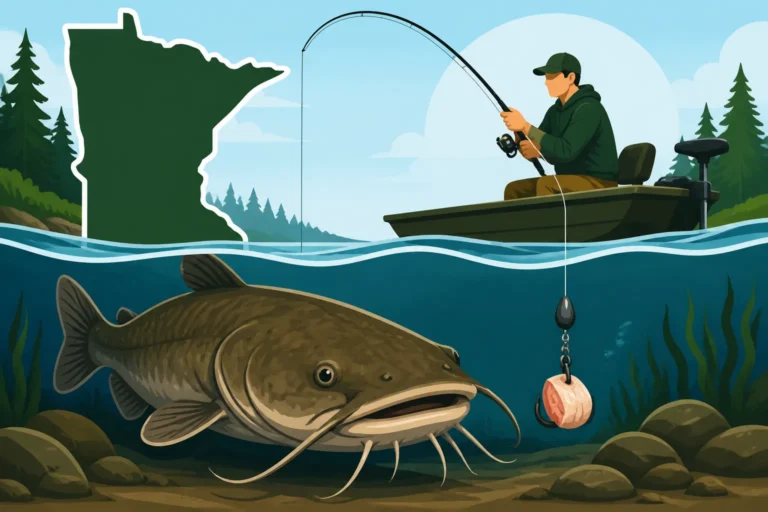
Successfully landing a large Lake Sturgeon on the Rainy River requires more than just luck; it demands specialized gear and a methodical approach. These are powerful fish, and your tackle needs to be up to the challenge. Think of it as preparing for a freshwater deep-sea battle! If you're looking for an overall guide, check out How to Catch Lake Sturgeon in Minnesota.
Heavy-Duty Tackle for River Giants
Forget your ultralight panfish setup; you'll need serious tackle. A proper sturgeon setup will feel cumbersome at first, but it's designed to withstand immense pressure and prolonged fights.
- Rod: Look for a heavy or extra-heavy action rod, usually 7 to 9 feet long. Muskie or catfish rods often fit the bill perfectly. A moderate-fast action can help absorb the powerful head shakes and runs of a big sturgeon. Fiberglass or composite rods are often preferred for their durability and forgiving flex.
- Reel: A robust baitcasting reel is typically the best choice, offering superior cranking power and line capacity. Look for models with a strong drag system and a smooth retrieve. Brands like Abu Garcia, Penn, or Shimano offer models that can handle the abuse. Fill it with at least 80-100 yards of line.
- Line: Braided line is almost a must for sturgeon. It has virtually no stretch, allowing for direct hooksets and maximum feel, even in heavy current. Go with 60-80 pound test braid. A 50-80 pound monofilament or fluorocarbon leader of 3-4 feet is then tied to the braid to provide some abrasion resistance against the sturgeon's rough mouth plates and the river bottom.
- Hooks: Stick with strong, sharp, large single hooks. Sizes from 5/0 to 8/0 are common. Circle hooks are highly recommended for sturgeon, as they are designed to hook in the corner of the fish's mouth, minimizing gut-hooking and making catch-and-release much safer for the fish.
- Weights: The current on the Rainy River can be strong, so you'll need heavy sinkers to keep your bait on the bottom. Pyramid or no-roll sinkers weighing 4 to 8 ounces (or even more in extreme current) are essential. A three-way swivel rig or a sliding sinker rig are common choices.
- Landing Net: A large, sturdy net designed for muskie or catfish is absolutely critical for safely landing and handling a sturgeon. Don't even think about trying to hoist one of these fish into the boat without one; it's dangerous for you and potentially fatal for the fish.
- Pliers/Hook Remover: A long pair of needle-nose pliers or a specialized hook remover is essential for quickly and safely unhooking these big fish, especially with circle hooks.
For a deeper dive into the specific tools you'll need, check out Best Fishing Gear for Lake Sturgeon in Minnesota.
Bait Choices and Presentation
Sturgeon are primarily bottom feeders, so your bait presentation needs to reflect that. They have an excellent sense of smell and are opportunistic scavengers.
- Bait: The most popular and effective baits for Rainy River sturgeon are:
- Nightcrawlers: A large gob of 6-10 nightcrawlers threaded onto the hook is a classic choice. The wriggling mass is irresistible.
- Cut Bait: Pieces of oily fish like cisco, sucker, or smelt can be incredibly effective. The scent trail they put out in the current is a huge draw. A chunk about 2-3 inches long is usually sufficient.
- Dead Minnows/Shiners: Large dead minnows, like creek chubs or golden shiners, can also work well, especially if slightly macerated to release scent.
- Prepared Baits: Some anglers have success with commercially prepared "stink baits" or cheese baits, though natural baits tend to be more consistently productive.
- Rigging: The most common setup is a sliding sinker rig (also known as a "Carolina rig" for bass anglers, but scaled way up). This involves threading your heavy sinker onto your main line, followed by a bead (to protect the knot), and then tying on a heavy-duty swivel. Your leader (fluorocarbon or mono) is then tied to the other end of the swivel, with your hook at the end of the leader. This allows the fish to pick up the bait without feeling the weight of the sinker. Keep your leader length around 18-36 inches.
- Presentation: Cast your bait upstream and allow the current to carry it down, eventually settling on the bottom in your desired spot. Keep your rod in a sturdy holder and watch your rod tip for subtle taps or a slow, deliberate bend. Sturgeon don't always hit aggressively; sometimes it's just a gentle "thump" as they mouth the bait. Give them time to take it, then reel down until your line is taut before setting the hook firmly.
Reading the River: Locating Sturgeon
Finding sturgeon on the vast Rainy River isn't as hard as it might seem once you understand their preferred habitats. They are creatures of current and comfort.
- Deep Holes: Sturgeon love deep holes, especially those created by bends in the river or obstructions. These areas provide refuge from strong currents and often collect food. Use your electronics to find these depressions.
- Current Seams: Look for areas where faster current meets slower water, creating a "seam." Sturgeon will often sit just out of the main current, conserving energy, waiting for food to wash by.
- Structure: Submerged logs, rock piles, bridge pilings, or even sharp drop-offs can hold sturgeon. These features break the current and provide ambush points or resting areas.
- Historical Spawning Grounds: During the spring, sturgeon will concentrate in specific areas suitable for spawning. These are often shallower, gravelly areas with moderate current. Local guides and bait shops are excellent resources for pinpointing these seasonal hot spots. You can also research resources related to Lake of the Woods Sturgeon Fishing (Rainy River) for more localized tips.
Responsible Angling and Conservation for Lake Sturgeon
Catching a Lake Sturgeon is an incredible privilege, and with that privilege comes a significant responsibility to handle these ancient fish with the utmost care. Their longevity and slow reproductive cycle mean that every released fish is vital for the continued health of the population. Conservation isn't just a buzzword here; it's essential.
Catch and Release Best Practices
Even during a harvest season, most sturgeon caught on the Rainy River are released. Proper handling is critical to ensure their survival and well-being.
- Minimize Fight Time: While exciting, a prolonged fight can exhaust a sturgeon, especially in warm water. Use appropriate heavy tackle to bring the fish in as quickly as possible without overstressing it.
- Stay in the Water: For larger fish, try to keep them in the water as much as possible, especially if you're planning photos. If you must bring them into the boat, do so quickly and gently, supporting their entire body weight. Never hang a sturgeon vertically by its head or tail, as this can cause internal damage.
- Unhook Quickly: Use those long pliers or hook removers to quickly and gently remove the hook. If the hook is deeply embedded and cannot be removed without causing further harm, cut the line as close to the hook as possible. Circle hooks help prevent this issue.
- Revival: If the fish seems stressed or lethargic, hold it upright in the water, facing into a gentle current, until it regains its strength and can swim away on its own. You'll feel it kick strongly when it's ready. Don't just toss it back; ensure it's revived. More comprehensive guidance can be found in Catch and Release Best Practices in Minnesota.
- Photography: If taking photos, be quick. Have your camera ready before the fish is out of the water. Support the fish horizontally with two hands or have a partner help. Get the shot and get the fish back in the water.
Respecting the Resource and Other Anglers
The Rainy River is a shared resource, and ethical behavior on the water ensures a positive experience for everyone and the continued health of the fishery.
- Avoid Snagging: Targeting sturgeon intentionally by snagging them is illegal and unethical. Use proper bait and techniques to ensure you're hooking them fairly.
- Mind Your Distance: Give other anglers ample space, especially when they are fighting a fish. The river can get busy, particularly during peak seasons like the spring walleye opener or prime sturgeon runs.
- Clean Up: Pack out everything you pack in. Leave no trace of your visit. This includes fishing line, bait containers, and any other trash.
- Aquatic Invasive Species (AIS) Prevention: The Rainy River connects to Lake of the Woods, which is a major waterway. Be diligent about cleaning, draining, and drying your boat and gear to prevent the spread of AIS. This includes inspecting your boat, trailer, and all fishing gear for plants or animals, draining all water from your boat, and letting it dry completely. Familiarize yourself with Aquatic Invasive Species (AIS) Rules for Boaters before launching.
- Know Your Fish: Be confident in identifying a Lake Sturgeon. While unlikely to be confused with other common game fish, knowing your target species is part of responsible angling.
By practicing responsible angling, you're not just ensuring your own future success; you're playing a vital role in preserving this incredible fishery for generations to come. The Rainy River is a truly special place, offering an unparalleled opportunity to connect with these living fossils.
Disclaimer
Fishing regulations, seasons, and limits are subject to change. Always consult the most current Minnesota Department of Natural Resources (DNR) official regulations before heading out on the water. This guide is for informational purposes only and should not be considered a substitute for official legal guidance.