Channel Catfish Season & Limits in Minnesota
There's nothing quite like the confusion that can set in when you're trying to figure out fishing regulations, especially for a species that might not get as much headline attention as walleye or northern pike. Many anglers, myself included, have been there, scratching our heads over season dates and bag limits, worried about accidentally breaking a rule. This guide is here to untangle the specifics of channel catfish season and limits in Minnesota, ensuring you can hit the water with confidence and enjoy chasing these hard-fighting, delicious fish.
The Allure of Minnesota Channel Catfish
For many anglers across Minnesota, the channel catfish isn't just another fish; it's a powerful, often overlooked adversary that provides incredible fights and fantastic table fare. From the mighty Red River to smaller, unassuming lakes and tributaries, these whiskered warriors offer a unique fishing experience that’s a welcome change of pace.
What Makes Channel Cats So Special?
Channel catfish, or "channel cats" as most of us call them, are incredibly adaptable fish. They thrive in a wide range of environments, from the slow, muddy stretches of the Mississippi River to cleaner, rocky lake bottoms. What really draws people to them, though, is their sheer power. Hook into a decent-sized channel cat, and you'll quickly understand why they have such a dedicated following. They pull hard, dive deep, and rarely give up without a formidable struggle. It's a fight that can truly test your gear and your angling skills.
Beyond the fight, channel catfish are also fantastic to eat. Their firm, white, flaky meat is a staple in many Southern fish fries, and Minnesota catfish are no exception. Knowing you can bring home a few for a delicious meal adds another layer of satisfaction to the catch. They're accessible, too, meaning you don't necessarily need fancy boats or expensive electronics to get into them. A simple setup from a riverbank can yield some incredible results, making them a great target for seasoned pros and beginners alike.
Identifying Your Catch: Channel Catfish Characteristics
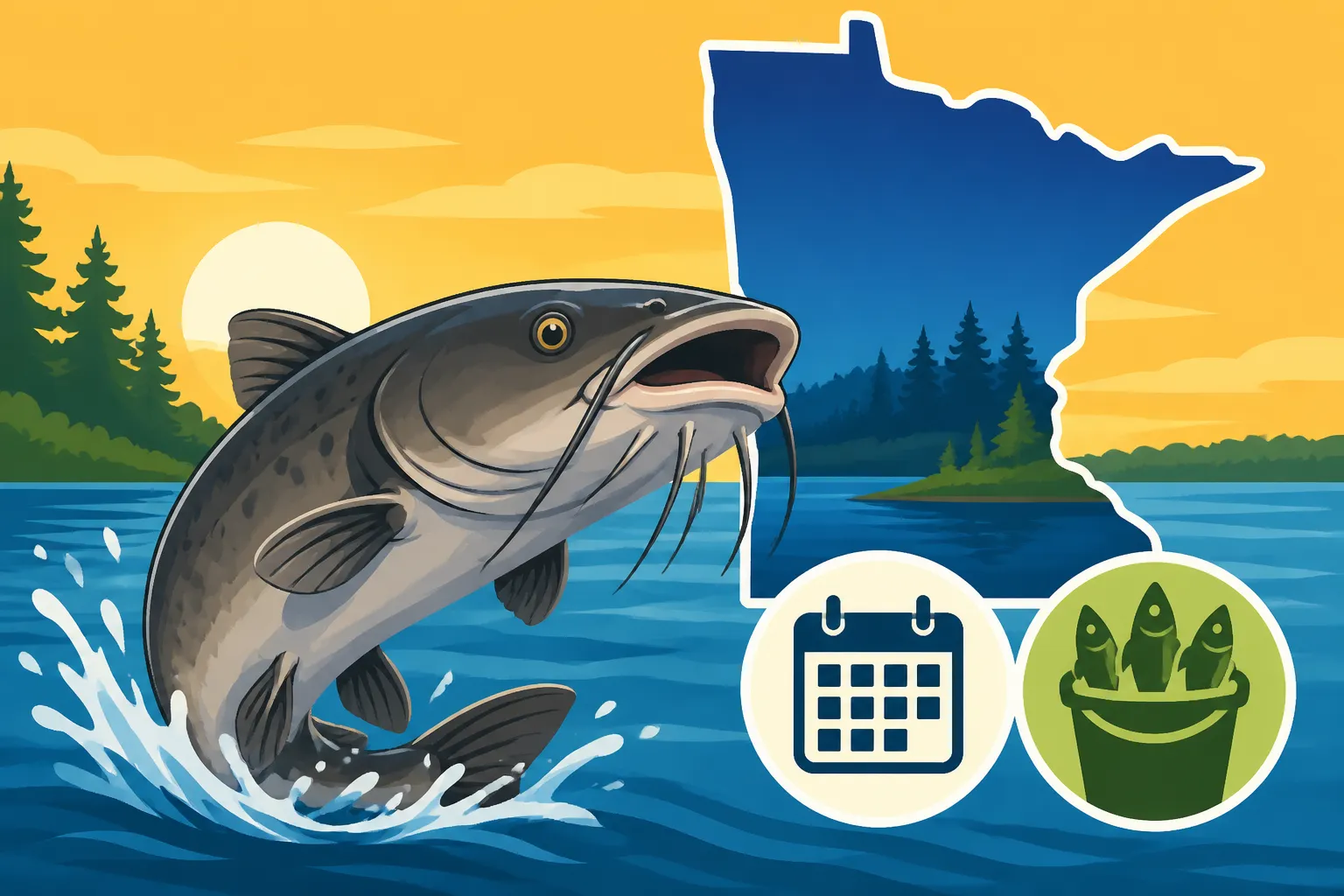
Before we dive into the nitty-gritty of regulations, it's essential to be sure you've actually caught a channel catfish. While they’re pretty distinctive, it’s easy to confuse them with their larger, more reclusive cousin, the flathead catfish, or even smaller bullheads. The key to identifying a channel catfish lies in a few clear features:
- Forked Tail: This is the most defining characteristic. Channel catfish have a deeply forked tail, much like a swallow's tail, which sets them apart from the more rounded or slightly notched tails of flatheads and bullheads.
- Barbels: They have eight prominent barbels (whiskers) around their mouth – four on the chin, two on the snout, and two extending from the corners of their mouth. These aren't for show; they're packed with taste buds and help the fish locate food in murky waters.
- Spotting (Juveniles): Younger channel cats often have dark spots along their sides, which tend to fade as they grow larger. These spots are less common or absent in flatheads and bullheads.
- Coloration: Their color can vary depending on their habitat, ranging from olive-green to blue-gray on top, with silvery-white undersides. Fish from clear water might appear darker, while those from turbid rivers might be lighter.
Knowing these identification points is crucial for adhering to specific regulations, especially if you're fishing in waters where both channel and flathead catfish are present. The distinct forked tail is your number one indicator for a channel catfish.
Decoding Channel Catfish Seasons in Minnesota
One of the most appealing aspects of fishing for channel catfish in Minnesota is the simplicity of their season. Unlike species that have strict opener dates or closures, channel cats offer a much more flexible angling opportunity.
The Year-Round Fishing Advantage
That's right, folks! Channel catfish are open for fishing year-round in Minnesota. This means you don't have to wait for a specific "opener" like you do for walleye or northern pike. You can pursue these powerful fish whenever the mood strikes you and conditions allow. This year-round access is a huge perk, especially for those who love to explore different species or find themselves with a sudden itch to fish outside of the traditional seasons.
While the season is open 365 days a year, the reality of Minnesota weather means that serious catfish angling tends to be concentrated in specific periods. Ice fishing for channel cats, for example, is far less common than targeting them during warmer months, though it's certainly possible in certain deep river stretches. The flexibility, however, means that if you stumble upon a biting school in early spring or late fall, you're good to go without worrying about breaking any season rules. For more general information about fishing opportunities throughout the year, you might want to check out our guide on Minnesota Fishing Seasons & Opener Dates 2026, which covers a wider range of species.
Prime Times: Understanding Seasonal Catfish Activity
Even though the season is open all year, certain times are definitely more productive for targeting channel catfish. Understanding their seasonal movements and feeding habits can dramatically increase your success.
Spring: Post-Spawn Feasting and Shallower Forays
As the ice recedes and water temperatures slowly climb in spring, channel catfish begin to shake off their winter lethargy. They'll start moving into shallower areas, often near spawning grounds like rocky bottoms or log jams, especially in late May and June. After spawning, they're typically hungry and aggressive, making this an excellent time to target them. Look for them in areas with warmer water, especially where creeks and rivers flow into larger bodies of water, bringing in fresh food sources. Don't be afraid to experiment with baits like cut suckers or shad, which can be particularly effective during this post-spawn feeding frenzy. You can often find a variety of suitable baits and robust fishing lines on Amazon to prepare for this active period.
Summer: Deep Holes, Current Breaks, and Night Bites
Summer is prime time for channel catfish. As water temperatures peak, channel cats become incredibly active. During the day, they often retreat to deeper holes, current breaks, and shaded areas like undercut banks or log jams to escape the bright sun and strong currents. These are fantastic places to present your bait. However, the real magic often happens after sunset. Night fishing for channel catfish can be incredibly productive, as these nocturnal feeders venture out from their daytime hideouts to cruise shallower flats and ambush prey. This is when they're less wary and often more willing to take a variety of baits. Using a good headlamp and glow-in-the-dark bobbers can make your night fishing experience much more enjoyable. Our comprehensive guide on How to Catch Catfish in Minnesota (Step by Step) offers even more insights into summer tactics.
Fall: Preparing for Winter
As autumn arrives and water temperatures begin to drop, channel catfish start a pre-winter feeding binge, trying to pack on reserves for the colder months. They might be found in similar summer haunts but will generally move to deeper water as the season progresses. The bite might slow down a bit compared to summer, but larger, trophy-sized catfish are often caught during this period as they aggressively feed. Pay attention to changes in river currents and lake thermoclines. Finding those deeper, stable water pockets will be key to consistent success.
Navigating Channel Catfish Limits: Statewide and Special Regulations
Knowing when you can fish is only half the battle; understanding how many you can keep is equally important. Minnesota has specific bag and possession limits for channel catfish, with some very important exceptions for particular bodies of water that are renowned for their catfish populations. For a broader look at general fishing rules, refer to our guide on Minnesota Fishing Limits: Bag & Possession (2026).
Understanding Daily and Possession Limits
The statewide regulation for channel catfish in Minnesota is fairly straightforward:
- Daily Limit: 5
- Possession Limit: 5
What does this mean in practical terms? Your daily limit is the maximum number of fish you can take from the water and keep in a single day. Your possession limit refers to the total number of fish you can have on hand at any given time, whether they're in your livewell, cooler, freezer at home, or in your vehicle.
So, if you go out fishing on Lake Pepin and catch five channel catfish, you've met your daily limit. If you head home and put them in the freezer, you cannot go out the next day and catch another five unless you've consumed or given away the initial five, bringing your total possession down below the limit. The idea is to prevent overharvesting and ensure sustainable fishing for everyone. It's a simple rule, but one that's crucial to follow to avoid penalties for keeping over-limit fish in Minnesota.
Special Rules for Trophy Waters: The Red River Example
Here's where it gets a little more complex, and where paying close attention to specific water regulations becomes paramount. Some of Minnesota's most famous catfish waters have special, more restrictive regulations designed to protect their unique fisheries, particularly their trophy-sized channel cats. The Red River of the North is the absolute prime example.
The Red River, which forms a significant portion of Minnesota's western border with North Dakota, is a world-class channel catfish fishery, known for producing massive, hard-fighting fish. Because of its unique status and incredible productivity, it operates under border water fishing rules. For channel catfish in the Red River, the regulation is:
- Daily Limit: 5, only 1 over 24 inches
- Possession Limit: 5, only 1 over 24 inches
This "slot limit" (only 1 over 24 inches) is a critical difference. It means while you can keep five fish, only one of those can be a true trophy-sized fish measuring 24 inches or longer. The intent is to protect the larger, sexually mature breeders, ensuring they stay in the population to continue reproducing and maintaining the quality of the fishery. If you’re planning a trip to this renowned river, make sure you understand all the nuances of Border Water Fishing Rules Minnesota-Ontario, Wisconsin for the Red River to avoid any missteps.
This difference is a stark reminder that you always need to check the specific regulations for the body of water you intend to fish. A general statewide rule doesn't always apply everywhere, especially on these renowned, intensively managed fisheries.
Why Local Regulations Matter
Imagine planning a big catfishing trip to the Red River, getting all your gear ready – maybe a new heavy-duty catfish rod and reel combo you bought on Amazon – only to find out on the water that you’re misinterpreting the specific size restrictions. It would be a huge bummer and potentially lead to a citation. Local regulations are put in place by the Minnesota Department of Natural Resources (DNR) to manage fish populations effectively, based on biological assessments, angler pressure, and unique characteristics of that specific water body. They are vital for maintaining healthy fisheries for future generations.
Always, and I mean always, consult the official Minnesota DNR Fishing Regulations Handbook or their website before you head out. This document, often referred to as the Minnesota Fishing Regulations PDF: Where to Find It, is your ultimate source of truth for all current rules. It will detail any lake-specific or river-specific regulations that supersede the general statewide rules. Ignorance of the law is never an excuse, and a quick check can save you a lot of headache.
Essential Gear and Tactics for Successful Catfishing
Now that you're well-versed in the seasons and limits, let's talk about how to actually get these magnificent fish on the line. Channel catfish are strong, and they respond well to specific gear and techniques.
Recommended Rods, Reels, and Line for Robust Fights
When you're dealing with a fish that can pull as hard as a channel catfish, you need gear that can take a beating.
Rods and Reels
A medium-heavy to heavy action rod, typically 7 to 9 feet long, is ideal. This length gives you good casting distance and enough leverage to fight a powerful fish, especially in current. Look for rods with a strong backbone but a sensitive tip to detect those subtle catfish bites. Brands like Ugly Stik are classic choices, known for their durability, but many other manufacturers like Berkley or Daiwa offer excellent catfish-specific rods. For reels, a sturdy baitcasting reel is often preferred for its power and ability to handle heavier lines and larger baits, especially on rivers. However, a good quality spinning reel in the 4000-6000 size range will also serve you well, offering easier casting for many anglers. You can find a fantastic selection of these robust setups on Amazon.
Fishing Line
When it comes to line, durability is key. Many catfish anglers opt for monofilament lines in the 15-25 pound test range for its abrasion resistance and shock absorption. However, braided lines (30-50 pound test) are increasingly popular due to their incredible strength-to-diameter ratio and lack of stretch, which provides enhanced sensitivity to detect lighter bites and direct hooksets. If you use braid, consider adding a monofilament or fluorocarbon leader to provide a bit of stretch and camouflage. The choice often comes down to personal preference and the specific conditions you're fishing. For details on how line types affect fishing, consider reading about Best Fishing Line for Walleye Braid vs Mono vs Fluoro, which offers transferable insights.
The Best Baits and Rigs to Entice Catfish
Channel catfish are opportunistic feeders with an incredible sense of smell. This makes choosing the right bait paramount.
Baits That Bring Them In
- Cut Bait: This is arguably the number one bait for channel catfish, especially for larger fish. Chunks of oily fish like suckers, shad, or even frozen smelt are incredibly effective. The scent trail they emit in the water is irresistible to hungry cats.
- Stink Baits/Prepared Baits: These come in various forms – dough balls, dip baits, and punch baits – specifically formulated with strong odors that catfish can detect from a distance. Brands like Sonny's Super Sticky Baits or Secret 7 have legions of fans. These are excellent for attracting active fish, and many anglers keep a stash of their favorite prepared bait on hand, often purchased conveniently from Amazon.
- Chicken Livers: A classic for a reason. Chicken livers are messy but incredibly effective, especially in current, as their blood and scent disperse widely. Keep them chilled and use a bait holder hook to keep them on.
- Worms: Nightcrawlers or large earthworms can work, particularly for smaller channel cats or when fishing in lakes. They are readily available and simple to use.
- Other Options: Hot dogs, shrimp, and even chunks of soap can surprisingly catch channel cats! It's worth experimenting if the bite is slow.
Effective Rigs
- Slip Sinker Rig: This is perhaps the most popular and versatile rig. It consists of an egg sinker (or similar slip sinker) threaded onto your main line, followed by a bead to protect your knot, then a barrel swivel. To the other end of the swivel, tie a leader (12-24 inches) and then your hook. This allows the fish to pick up the bait and run without feeling the weight of the sinker immediately.
- Three-Way Rig: Ideal for fishing in current, especially on rivers like the Mississippi River. This rig uses a three-way swivel, with your main line tied to one eye, a short leader (6-12 inches) with a sinker tied to another, and a longer leader (18-36 inches) with your hook tied to the third. This keeps your bait near the bottom but allows it to drift enticingly in the current.
- Carolina Rig: Similar to a slip sinker rig but often with a heavier weight and longer leader, great for covering ground when drifting.
Remember, having a good selection of hooks (e.g., circle hooks in sizes 2/0 to 7/0) and sinkers (1/2 oz to 3 oz, depending on current) is crucial. A simple tackle box that can organize these essentials will make your catfishing trips much smoother. For those interested in expanding their fishing knowledge, exploring our Best Gear for Catfish Fishing in Minnesota article might be useful.
Locating Channel Catfish Hotspots
Knowing where to find channel catfish is just as important as having the right bait and gear.
- Rivers: In rivers, channel cats love current breaks. Look for them behind wing dams, log jams, submerged trees, bridge pilings, or deep scour holes on the outside bends of the river. Tributary mouths, especially after a rain, can be fantastic as they wash in food. Fishing at night near shallower flats adjacent to deep channels can be incredibly productive.
- Lakes: In lake environments, channel cats often relate to deeper structure during the day, such as humps, points, and channel edges. They'll move shallower at night to feed. Look for areas with a soft, muddy bottom where they can root around for food.
- Reservoirs: Similar to lakes, focus on channel swings, old creek beds, and any submerged timber or rock piles that offer cover and ambush points.
Patience is a virtue when catfishing. Cast your bait to a promising spot, let it settle, and wait. Sometimes it takes a while for the scent to spread and for a cruising cat to find your offering. Setting up multiple rods (remember to check How Many Lines Can You Fish in Minnesota, typically two unless otherwise specified) can increase your chances.
Channel Catfish Season & Limits in Minnesota Summary
Here's a quick overview of the key regulations for channel catfish in Minnesota:
| Regulation Type | Statewide Rule | Special Regulations (e.g., Red River) |
|---|---|---|
| Season Opener | Year-Round | Year-Round |
| Season Closer | Year-Round | Year-Round |
| Daily Limit | 5 | 5, only 1 over 24 inches |
| Possession Limit | 5 | 5, only 1 over 24 inches |
Always consult the most current Minnesota DNR Fishing Regulations Handbook for specific waterbody rules before fishing.
Disclaimer
Fishing regulations, season dates, and limits can change. While every effort has been made to provide accurate and up-to-date information, it is the angler's responsibility to consult the official Minnesota Department of Natural Resources (DNR) fishing regulations handbook or website before engaging in any fishing activity. This content is for informational purposes only and does not constitute legal advice.