Bowfin (Dogfish) in Minnesota
Alright, let's talk about the bowfin. You've probably heard them called "dogfish," and if you're like a lot of Minnesota anglers, you might even wrinkle your nose a bit at the mention. They're definitely not the glamour fish like walleye or muskie, and they've got a bit of a bad rap, but I'm here to tell you that these ancient, toothy critters are fascinating, tenacious, and can actually provide some incredible fishing action if you give them a chance. This guide is all about shedding light on Minnesota's often-misunderstood bowfin, from identification to finding them, and even how to make them a surprisingly fun target.
Understanding the Minnesota Bowfin: An Ancient Survivor
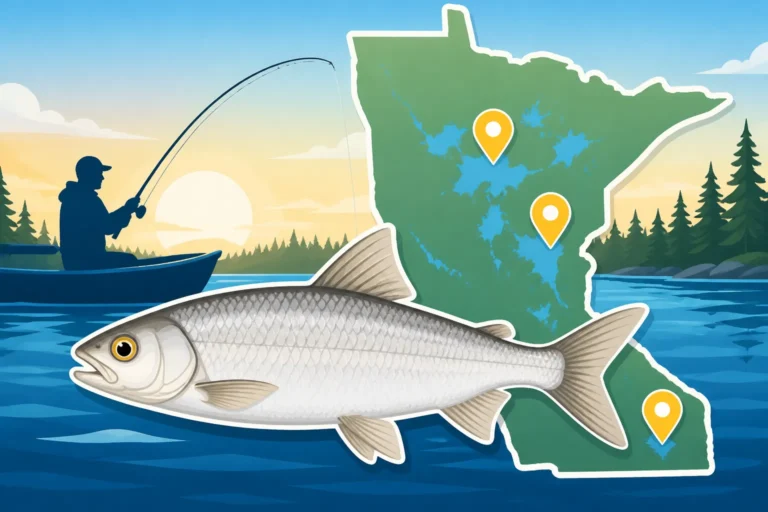
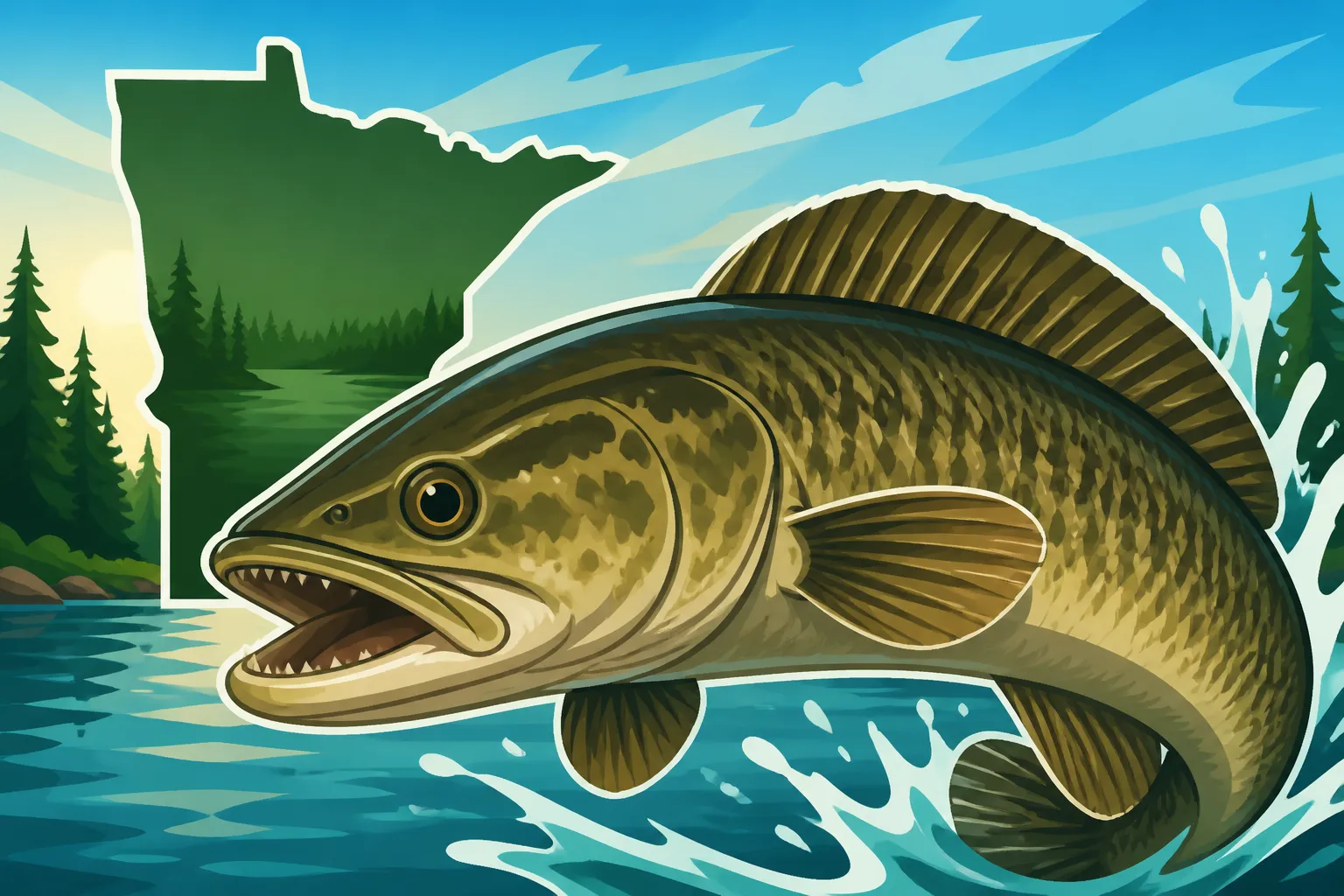
When you first lay eyes on a bowfin, you might think, "What in the world is that?" They're prehistoric-looking, with a long, cylindrical body, a distinctively long dorsal fin running almost the entire length of their back, and a set of serious teeth. They're often mistaken for other species, but once you know what to look for, they're unmistakable. These fish are true survivors, essentially unchanged for millions of years, and they thrive in many of our Minnesota waters.
What Makes a Bowfin Unique
One of the coolest things about the bowfin is their unique biology. They possess a primitive, vascularized swim bladder that functions much like a lung, allowing them to gulp air directly from the surface. This adaptation is absolutely crucial for their survival, especially in the warm, stagnant, and low-oxygen waters where they often reside. Imagine a hot summer day, and most fish are struggling, but the bowfin is perfectly content, rising to the surface for a quick breath before diving back down.
They're also incredibly tough. When you hook one, you'll immediately know it by their brute strength and aggressive headshakes. They don't give up easily, which makes them a fantastic fight on appropriate tackle. Plus, their unique skeletal structure and powerful jaws mean they can crush prey that many other fish might shy away from. Their hardiness contributes to their misunderstood nature, as some anglers perceive them as "rough fish" or a nuisance.
Identifying Bowfin: No Mistaking That Tail Spot
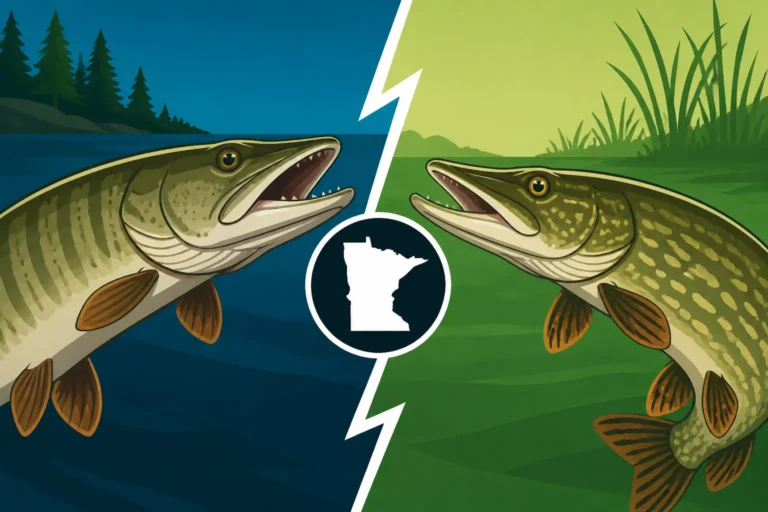
While they might get confused with northern pike or even burbot by less experienced anglers, the bowfin has several key identifiers. The most obvious is that incredibly long dorsal fin, which is unlike any other fish in Minnesota. It starts right behind their head and extends nearly to their tail, undulating gracefully as they swim. Northern pike have a much shorter, more defined dorsal fin set far back on their body, closer to the tail.
Another giveaway is the distinctive black spot, often with an orange or yellow halo, located at the base of the tail fin on male bowfin. Females may have a spot, but it's typically less pronounced or entirely absent. Their scales are also quite different, feeling smoother and more heavily armored than a pike's. And let's not forget that broad, blunt head and powerful jaws filled with sharp, conical teeth. If you get a chance to see one up close, perhaps in a livewell (briefly, of course!), you'll notice their robust, almost alligator-like appearance. If you're looking to brush up on other species, a good resource is the Minnesota Fish Species: Identification Guide.
Where to Find Bowfin in Minnesota Waters
Bowfin aren't shy about making their presence known, but they do prefer certain types of habitats. You won't typically find them in the crystal-clear, deep, cold lakes preferred by trout. Instead, think warmer, shallower, and often weed-choked environments. These are truly adaptable fish, thriving in places where many other species struggle, which is another reason they're often seen as competitors rather than a unique part of our aquatic ecosystem.
Preferred Habitats and Structures
Bowfin are masters of ambush, and their preferred habitats reflect this. They love dense vegetation – think lily pads, cattails, and thick submerged weeds. These areas provide perfect cover for them to lie in wait for unsuspecting prey like small fish, frogs, or crayfish. Don't be surprised to find them lurking in shallow bays, oxbows, backwaters of rivers like the Mississippi River, and even stagnant canals or ditches connected to larger systems. They're incredibly resilient and can tolerate lower oxygen levels than many game fish, thanks to their ability to breathe atmospheric air.
When you're out on the water, look for those often-overlooked spots that seem a bit too weedy or shallow for your typical walleye or bass fishing. Places where the water warms up quickly and has lots of organic debris are prime bowfin territory. They'll also hang around fallen trees, brush piles, and undercut banks – any structure that offers shade and a hiding spot. If you're fishing a quiet slough off a major river, or a shallow, weedy bay on a larger lake, chances are good you'll encounter some bowfin.
Notable Minnesota Bowfin Waters
While you can find bowfin in many of Minnesota's warmer, shallower lakes and river systems, some areas are particularly known for them. The backwaters and slow-moving stretches of the Mississippi River, especially south of the Twin Cities, are fantastic spots. Lakes with extensive shallow, vegetated areas, like those found in parts of the central and southern Minnesota lake regions, can also hold robust populations.
For example, many of the smaller, less-pressured lakes in areas like Meeker County or Kandiyohi County that are rich in aquatic vegetation can surprise you with healthy numbers of bowfin. They might not be the target species for most, but their presence indicates a resilient ecosystem. They're often found in conjunction with species like largemouth bass and northern pike, as they share similar preferences for cover and ambush points. They are a common species you might encounter when exploring diverse fishing spots, particularly when seeking out species found in warmer water.
Effective Techniques for Catching Bowfin
So, you're intrigued and ready to give these fighters a try? Great! While you don't need highly specialized gear, targeting bowfin effectively does mean adjusting your approach to match their aggressive nature and preferred habitat. They're not subtle biters; when a bowfin hits, you'll know it!
Lures and Baits They Can't Resist
Bowfin are opportunistic predators, meaning they'll hit a wide variety of baits and lures. Given their aggressive nature, anything that makes a commotion or presents an easy meal is fair game.
- Spinnerbaits: These are often fantastic for bowfin. The flash and vibration mimic fleeing baitfish, and they're relatively weedless, which is a huge advantage in the dense cover bowfin inhabit. Chartreuse, white, and black/blue are classic colors that often produce.
- Jigs with soft plastics: A heavy jighead (1/4 to 1/2 oz) tipped with a creature bait, a paddle tail swimbait, or even a simple curly tail grub can be incredibly effective. Work these slowly along the bottom or through weed pockets.
- Topwater Lures: This is where the real fun begins! Frogs, poppers, and walking baits thrown into thick lily pads can elicit explosive strikes. Few things get your heart pounding like a bowfin blowing up on a surface lure.
- Live Bait: If you prefer live bait, sturdy options like large shiners, chubs, or even a lively crayfish under a bobber can be irresistible. Be prepared, though – they'll often swallow bait quickly and deeply. This is a common strategy when you want to learn how to catch Bowfin in Minnesota.
Gear Recommendations for a Brutal Fight
Don't go after bowfin with your ultralight panfish setup unless you're looking for a good laugh (and probably a broken rod!). These fish fight dirty, dive into cover, and shake their heads violently. You need gear that can stand up to the abuse.
- Rod: A medium-heavy to heavy power casting or spinning rod, typically 6'6" to 7'6" in length, with a fast action tip and plenty of backbone is ideal. You need the power to pull them out of thick weeds and turn their heads.
- Reel: A sturdy baitcasting reel with a good drag system or a robust spinning reel in the 3000-4000 size range is perfect. Smooth drag is crucial to prevent break-offs during their powerful runs.
- Line: Braided line is your best friend when targeting bowfin. Its strength, low stretch, and abrasion resistance are invaluable in heavy cover and against their sharp teeth. A 30-50 lb test braid is a good starting point. You might also consider a fluorocarbon leader (20-30 lb) if the water is clear, or if you're worried about them biting through the braid, though braid often holds up well.
When it comes to the Bowfin Season & Limit in Minnesota, it's generally open year-round with no possession limit, reinforcing their classification outside of traditional game fish, but still offering plenty of opportunity for anglers seeking a unique challenge.
Handling and Releasing Bowfin Responsibly
Given their tenacious nature and sharp teeth, handling bowfin requires a bit of care. They're not malicious, but they will defend themselves, and those teeth are designed for holding onto prey. Responsible handling ensures both your safety and the fish's well-being, especially if you plan to release them.
Safe Handling Practices
First and foremost, be prepared with the right tools. A good pair of long-nosed pliers or a hook remover is essential for extracting hooks from their toothy mouths. A sturdy landing net can help you control the fish as you bring it aboard. Avoid lipping a bowfin directly with your hand, unlike a bass, as their jaws are powerful and full of teeth.
When you bring a bowfin into the boat, try to keep it as calm as possible. Some anglers use a fish gripper tool to secure their lower jaw, providing good control while minimizing risk to your hands. If you need to handle the fish for a quick photo, support its body horizontally and firmly. Never hold a large fish vertically by its jaw alone, as this can damage its internal organs. Always have a clear plan for hook removal and release before you even cast your line.
Debunking the Myth of the "Trash Fish"
It's unfortunate that bowfin often carry the label of "trash fish" or "nuisance species." This outdated perception stems from their aggressive feeding habits and their ability to thrive in challenging environments, leading some to believe they harm game fish populations. However, scientific studies and modern fisheries management generally show that bowfin are an integral part of their ecosystem. They are native predators that help maintain balance, often preying on weaker or diseased fish, and they play a role in the food chain.
Thinking of them as a "trash fish" ignores their unique biological adaptations and their value as a sport fish. Many anglers who have actually targeted them come away impressed by their fighting ability, making a compelling case for them as a legitimate sportfish, rather than just something to be discarded. It's time to recognize the bowfin for what it is: a powerful, ancient, and truly unique fish species in Minnesota's diverse waters.
Eating Bowfin: Is It Possible?
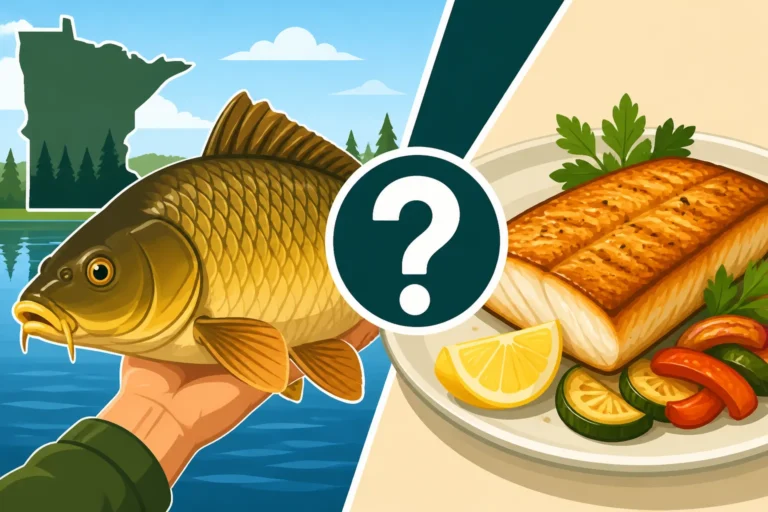
The question "Are Bowfin Good to Eat?" often arises, and like many things about this fish, the answer is usually shrouded in misconception. While they might not be everyone's first choice for the dinner table, bowfin are indeed edible, and with the right preparation, they can be surprisingly palatable. The key is in how you handle and prepare them, much like you would with a common carp or even a northern pike with its notorious Y-bones.
Preparing Bowfin for the Table
The biggest challenge with bowfin is their flesh texture. It's often described as soft and watery, especially if not handled properly after catching. To combat this, one common recommendation is to bleed the fish immediately after catching it and get it on ice quickly. This helps firm up the flesh.
When filleting, you'll find the meat is somewhat grayish. Some anglers suggest skinning the fish before filleting, as the skin can contribute to a stronger flavor. The "mud vein" along the lateral line should also be removed. Many find that grinding the meat for patties or sausage is an excellent way to prepare bowfin, as this minimizes the impact of any textural issues. Others cube the meat and soak it in brine or milk overnight before cooking, similar to how some prepare catfish or other "rough fish."
Popular Bowfin Recipes and Methods
If you're willing to experiment, there are several ways to turn bowfin into a tasty meal.
- Bowfin Cakes/Patties: This is arguably the most popular method. Grind the filleted and cleaned bowfin meat, mix it with breadcrumbs, egg, seasoning (like Old Bay or a Cajun blend), and diced vegetables (celery, onion, bell pepper). Form into patties and pan-fry or deep-fry until golden brown. They can be quite delicious, often compared to crab cakes or fish croquettes.
- Smoked Bowfin: Smoking is another excellent way to firm up the flesh and infuse it with flavor. Brine the fillets for several hours, then smoke them until they flake easily. The smoking process transforms the texture and adds a wonderful depth of flavor.
- Pickled Bowfin: Similar to pickled northern pike or crappie, pickling bowfin can create a surprisingly good appetizer. The pickling solution works to firm the meat and impart a tangy flavor, masking any "fishy" taste.
It's all about managing expectations and being open to different culinary approaches. Don't expect it to taste like walleye, but don't dismiss it as inedible either. Many anglers have found a delicious way to enjoy this unique fish.
Here's a quick comparison of Bowfin characteristics and common fishing perceptions:
| Characteristic | Bowfin (Dogfish) | Common Misperception / Comparison |
|---|---|---|
| Appearance | Long dorsal fin, distinct tail spot (males), powerful jaws, blunt head. | Often confused with Northern Pike (shorter dorsal, no tail spot). |
| Habitat Preference | Warm, shallow, heavily vegetated waters (backwaters, sloughs, lily pads). | Lives in "dirty" water, undesirable areas. |
| Fighting Ability | Extremely strong, aggressive, head-shaking, bulldog fight. | "Trash fish" that don't fight well. (False!) |
| Edibility | Edible with proper preparation (bleeding, chilling, grinding, smoking, pickling). | Inedible, muddy taste, soft flesh. (Often due to improper handling). |
| Ecological Role | Native predator, helps balance ecosystem, preys on weaker fish. | Nuisance, eats game fish, should be removed. |
| Breathing | Can breathe air using a vascularized swim bladder (primitive lung). | Unique adaptation for low oxygen, makes them highly resilient. |
Bowfin Conservation and Management in Minnesota
Given their robust populations and adaptable nature, bowfin aren't typically a species of major conservation concern in Minnesota in the same way that, say, lake sturgeon might be. However, understanding their role in the ecosystem and practicing responsible angling still contributes to healthy waterways for all species.
Their Role in the Ecosystem
Bowfin are integral parts of the aquatic food web. As apex predators in their preferred shallow, vegetated habitats, they help control populations of smaller fish and invertebrates. They're not just passive residents; they're active participants in maintaining a balanced environment. When we remove a native species or label it as "trash," we risk disrupting delicate ecological balances. They are survivors, thriving for millennia, and their continued presence speaks to their evolutionary success and importance. They even play a role in helping to control invasive species, as they are opportunistic predators.
The Minnesota DNR, while not actively managing bowfin for sport harvest, recognizes their place in the ecosystem. Their general approach is to manage habitats to benefit a diverse range of native species, which naturally supports populations like the bowfin. This means maintaining healthy wetlands and shallow water areas, which are crucial nurseries and feeding grounds for many species, including our ancient friends.
Practicing Responsible Angling
Even for a species as hardy as the bowfin, responsible angling practices are paramount. If you're planning to release them, ensure you minimize their time out of the water. Handle them gently but firmly, especially when removing hooks. Use those long-nosed pliers to get hooks out quickly and efficiently, reducing stress on the fish. Avoid dragging them on rough surfaces or subjecting them to excessive stress.
If you decide to harvest some for the table, be mindful of local regulations, though typically, there aren't restrictive limits on bowfin. By treating all fish with respect, whether they're prized walleye or a powerful bowfin, we contribute to a healthier, more sustainable fishing future for everyone in Minnesota. Embracing the diversity of our waters, including species like the bowfin, adds another layer of appreciation for the incredible natural resources we have here in the land of 10,000 lakes.
Disclaimer
Fishing regulations can change. Always consult the latest Minnesota Department of Natural Resources (DNR) fishing regulations handbook or website before heading out on the water. This information is for general guidance only and should not replace official sources.