Where to Catch Northern Pike in Minnesota
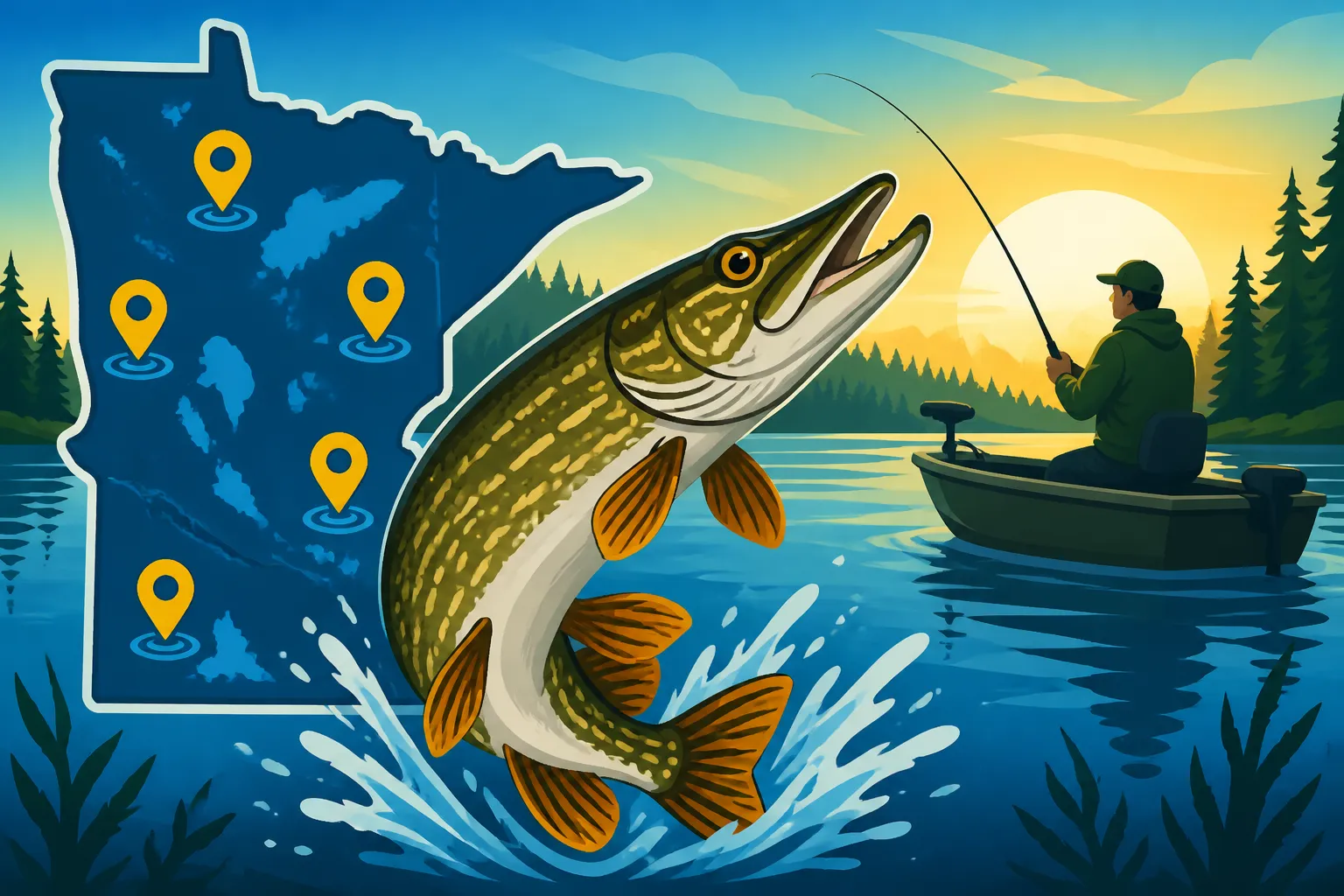
One of the biggest head-scratchers for any angler in Minnesota, whether you're a seasoned pro or just starting out, is figuring out where to actually find the fish you're targeting. When it comes to Northern Pike, their aggressive nature and willingness to bite make them incredibly fun to pursue, but knowing which of our 10,000+ lakes and rivers hold the best populations, and more importantly, the trophy-sized ones, can feel like an overwhelming task. This comprehensive guide is here to cut through the confusion and pinpoint the prime locations across Minnesota where you can consistently hook into Northern Pike, from the smallest hammer handles to the true monsters of the deep.
Understanding Northern Pike Habitats in Minnesota
Before we dive into specific locations, it's crucial to understand why Northern Pike choose certain areas. These toothy predators are ambush hunters, meaning they prefer spots where they can hide and dart out to surprise their prey. Knowing their preferred habitat types will help you narrow down your search on any given body of water, even those not explicitly mentioned here.
Shallow, Weedy Bays and Coves
Pike absolutely adore shallow, weedy environments. Think about it: a dense jungle of lily pads, cattails, submerged coontail, or northern milfoil offers perfect camouflage for a pike to lie in wait. These areas are also nurseries for many baitfish species like minnows and perch, which are staple foods for pike. When you're looking at a lake map or scanning the shoreline, target bays and coves that are protected from heavy winds and have extensive weed beds, especially those with deeper water nearby to offer easy access for pike to move in and out.
During the spring, right after the ice melts and post-spawn, these shallow, sun-warmed bays are pike magnets. They're recovering from spawning and actively feeding on abundant baitfish. Even in summer, early mornings or late evenings can see big pike cruising these weed edges, looking for an easy meal. Don't be afraid to cast right into the thick stuff; sometimes the biggest pike are buried deep within the vegetation. Effective presentations here often involve weedless spoons, spinnerbaits, or topwater lures that can be worked over and through the vegetation without getting hung up constantly.
Drop-Offs and Structure Near Open Water
While pike love the weeds, the bigger, more mature fish often relate to deeper water during warmer months or when they're not actively hunting in the shallows. Look for sharp drop-offs, underwater points, humps, and submerged islands that are adjacent to vast expanses of open water. These areas provide easy access to deeper, cooler water when needed, but also offer structure for ambushing baitfish that might be passing by in the open.
Think of a pike sitting just off the edge of a weed line that suddenly drops from 8 feet to 20 feet. It can easily move up into the weeds to hunt or retreat to the cooler depths. These spots are fantastic for trolling large crankbaits or using live bait presentations, like a large shiner or sucker minnow under a bobber, positioned right on the edge of the break. Fish finders become invaluable here, allowing you to identify these subtle changes in depth and pinpoint key ambush points. For insights into finding these fish, check out our guide on how to read a flasher (Vexilar/Humminbird).
River Systems and Flowages
Minnesota isn't just about lakes; our extensive river systems also offer phenomenal pike fishing opportunities. The Mississippi, St. Croix, and Minnesota Rivers, along with their numerous tributaries and flowages (sections where rivers widen into lake-like bodies), are home to robust pike populations. Rivers provide constant flow, which oxygenates the water and often concentrates baitfish in certain areas like eddies, current breaks, and confluence points.
In river environments, focus on areas where current is disrupted, such as behind islands, bridge pilings, submerged timber, or in the slack water of oxbows and backwaters. Pike will often sit just out of the main current, conserving energy, waiting for food to drift by. Flowages, with their mix of riverine characteristics and lake-like expanses, often have excellent weed growth and diverse structure, making them prime pike territory. Casting spoons or large inline spinners across current seams or drifting large dead bait are often effective river tactics.
Top Minnesota Lakes for Trophy Northern Pike
If you're dreaming of a true Minnesota monster pike – a fish pushing 40 inches or more – certain lakes consistently produce these giants. These are often large, diverse water bodies with abundant forage and excellent habitat.
Northern Minnesota Giants
Northern Minnesota is legendary for its world-class fishing, and Northern Pike are no exception. These vast, wild lakes provide everything a pike needs to grow to immense proportions.
- Lake of the Woods: This massive border water, shared with Canada, is arguably the pinnacle for trophy pike in Minnesota. Its sheer size, diverse structure, and abundant forage (especially tullibee and whitefish) allow pike to grow enormous. The shallow, weedy bays in areas like the Northwest Angle and Big Traverse Bay are famous for producing giants. Anglers often target these fish using large sucker minnows, big soft plastics, or spoons. Ice fishing here for pike, often with tip-ups, is incredibly popular. If you're planning a trip, definitely look into the Lake of the Woods Fishing Guide.
- Rainy Lake: Another incredible border water, Rainy Lake is a rugged, scenic fishery known for its deep, clear waters and rocky structure, but also its extensive bays. While it's famed for its walleye, Rainy Lake holds an impressive population of huge pike. Focus on the extensive weed beds in the numerous bays and back channels, or troll large baits along rocky points and islands that feature good weed growth. The Canadian side often has even less pressured fish, but permits are required.
- Leech Lake: Situated in north-central Minnesota, Leech Lake is a large, diverse fishery with a well-deserved reputation for big walleye and muskies, but it also kicks out some impressive pike. The numerous large bays, such as Steamboat Bay, Portage Bay, and Walker Bay, offer excellent weed growth and plenty of cover for pike to ambush prey. Many anglers find success casting large spoons or spinnerbaits along weed lines or using dead bait presentations during colder months.
Central Minnesota Hotspots
Closer to the population centers, central Minnesota also boasts some fantastic pike fishing, offering more accessible opportunities for a big fish.
- Gull Lake (Brainerd Lakes Area): Part of the popular Brainerd Lakes Area, Gull Lake is a busy, yet productive, fishery. While known for its walleye and recreational boating, its many bays and connecting channels provide excellent pike habitat. Look for pike in the extensive weed beds, particularly in the quieter areas away from heavy boat traffic. Casting spinnerbaits or spoons in the edges of the cabbage weeds is a common tactic. The Brainerd Lakes Area Fishing Guide offers more detailed insights into this popular region.
- Lake Winnibigoshish (Winnie): Affectionately known as "Winnie," this large, relatively shallow lake in north-central Minnesota is a true multi-species factory, including excellent pike fishing. Its large, wind-swept flats and extensive weed beds provide ideal ambush points. Anglers often find success drifting weed lines with live bait or trolling larger crankbaits. The Lake Winnibigoshish (Winnie) Fishing Guide provides excellent details on fishing this lake.
Lesser-Known Gems
Sometimes the best pike fishing isn't on the marquee lakes. Smaller, less pressured lakes, often tucked away in state forests or less developed areas, can hold surprisingly good numbers and sizes of pike. These are often lakes with good access but perhaps not a well-known reputation for trophy pike, meaning less competition.
- Boundary Waters Canoe Area Wilderness (BWCA): While requiring more effort to access, the thousands of lakes within the Boundary Waters (and Voyageurs National Park) are absolute pike factories. Many of these lakes see minimal fishing pressure and harbor robust populations of aggressive pike, often willing to hit nearly anything. Smallmouth bass are also prevalent here, offering a fantastic multi-species experience. The Boundary Waters (BWCA) Fishing Guide is an invaluable resource for planning a trip to this pristine wilderness.
- Northern Minnesota Stocked Lakes: The Minnesota DNR occasionally stocks pike in certain lakes to supplement populations or manage forage. While these might not be "trophy" lakes right away, they can offer excellent action and opportunities for eater-sized pike. Always check the current Minnesota Fishing Regulations PDF for specific lake details and stocking reports.
Here's a quick reference table for some prime pike locations:
| Lake Name | General Location | Primary Habitat | Common Techniques | Typical Pike Size |
|---|---|---|---|---|
| Lake of the Woods | Far North, US/Canada | Vast Weedy Bays, Reefs | Large Suckers, Spoons, Jerkbaits | Abundant 30"+, 40"+ possible |
| Rainy Lake | Far North, US/Canada | Deep Bays, Weed Lines, Structure | Trolling, Large Spoons, Live Bait | Good numbers, 40"+ possible |
| Leech Lake | North-Central Minnesota | Large Weedy Bays, Cabbage | Spinnerbaits, Spoons, Dead Bait | Good numbers, 35"+ possible |
| Lake Winnibigoshish | North-Central Minnesota | Shallow Flats, Weed Beds | Drifting, Trolling, Live Bait | Many 20-30", 35"+ possible |
| Gull Lake | Central Minnesota | Weedy Bays, Channels | Spinnerbaits, Spoons | Eater to 30", some larger |
| BWCA Lakes | Northeastern Wilderness | Varied, Weeds, Rock, Wood | Spoons, Spinners, Plugs, Live Bait | Abundant, less pressure, 30"+ |
| Lake Minnetonka | Twin Cities Metro | Weedy Bays, Docks, Channels | Spinnerbaits, Frogs, Jerkbaits | Plenty of "eaters", 35"+ possible |
| St. Croix River Flowages | East-Central, Border | Current Breaks, Backwaters, Weeds | Spinnerbaits, Crankbaits, Live Bait | Consistent numbers, 30"+ |
Targeting Pike in the Twin Cities Metro Area and Southern Minnesota
You don't always have to drive hours north to find good pike fishing. The Twin Cities Metro Area and southern Minnesota also offer fantastic opportunities, especially for those looking for a quick outing or a convenient weekend trip.
Urban Fishing Opportunities
Even within the bustling metropolitan areas, aggressive Northern Pike lurk. These lakes often receive more pressure but can still produce some impressive fish, especially if you know where to look.
- Lake Minnetonka: This sprawling lake system west of Minneapolis is a prime example. With its myriad bays, channels, and extensive shallow weed beds, Lake Minnetonka provides ideal habitat for pike. While many anglers focus on bass and muskie here, pike are abundant and can grow quite large. Target the edges of weed beds, particularly those with access to deeper water, or cast around docks and lily pads. Check out our detailed guide on Lake Minnetonka Bass Fishing, as many of the same areas that hold bass will also hold pike.
- St. Croix River: Forming a significant portion of Minnesota's eastern border with Wisconsin, the St. Croix River is a national scenic riverway known for its diverse fishery, including robust populations of pike. The river offers a mix of deep pools, current breaks, and extensive shallow backwater areas with plenty of vegetation. Focus on fishing near fallen trees, weed lines, and in the slower-moving eddies. The lower St. Croix, particularly near Stillwater, can be very productive.
Southern Minnesota Lakes and Rivers
Southern Minnesota might be more agricultural, but it's not devoid of excellent pike fishing. Many smaller lakes and river backwaters in this region hold healthy pike populations, often overlooked by those who only look north.
- Lake Pepin (Mississippi River): This wide, lake-like expansion of the Mississippi River offers fantastic fishing. While famous for its walleye and sauger, Lake Pepin also has solid pike numbers. Focus on the extensive shallow flats and backwater bays with submerged vegetation. The river's flow brings in abundant forage, allowing pike to thrive.
- Smaller, Local Lakes: Many smaller, unnamed or lesser-known lakes across southern Minnesota are managed by the DNR for various species, including pike. These can be incredible gems, especially early or late in the season. A quick check of the Minnesota DNR LakeFinder tool (available online) can reveal which local lakes have good pike populations, recent stocking reports, and fish consumption advisories. These hidden spots might not hold record breakers every time, but they can offer consistent action and a pleasant day on the water without the crowds. Often, simply looking at satellite maps on your phone for green, shallow bays can point you to potential pike havens.
Seasonal Pike Movements and Location Strategies
Northern Pike aren't static; their locations shift throughout the year based on water temperature, spawning cycles, and forage availability. Understanding these seasonal patterns is key to consistently finding them.
Springtime Pike Patterns (Post-Spawn, Shallow Bite)
As soon as the ice leaves the lakes, Northern Pike are among the first fish to become active. They spawn shortly after ice-out, typically in shallow, marshy areas, flooded grass, or shallow, weedy bays. After spawning, they're hungry and often stay in these shallow, warming waters to recover and feed.
This early spring period is prime time for big pike. They are often found in water as shallow as 2-5 feet. Look for the warmest bays on the north side of the lake, which get the most direct sunlight. These areas will also attract baitfish looking for warmer water. Spinnerbaits, spoons, and suspending jerkbaits fished slowly and deliberately through emerging weed growth can be incredibly effective. This is also a fantastic time to use live bait like a large golden shiner under a bobber. Remember to check the Northern Pike Season & Limits in Minnesota before you head out, as seasons can vary.
Summer Pike Patterns (Weed Lines, Deeper Structure)
As the water temperatures rise in summer, pike tend to move out of the very shallowest, warmest bays. While some "hammer handle" pike will remain in the weeds, the larger, more sensitive fish will seek out cooler, more oxygenated water. This means they'll relate to deeper weed lines (often cabbage or coontail), points, humps, and submerged islands that offer access to deeper water.
During mid-summer, focus your efforts on the deeper edges of healthy weed beds, typically in 8-20 feet of water. Pike will sit just inside or along these edges, waiting for schools of baitfish to pass by. Trolling large crankbaits or spinner rigs (like a Lindy Rig with a large minnow or crawler) along these contours can be very productive. Jigging with large jigs and plastics or live bait around offshore structure is another excellent tactic. For specific techniques, our "Best Gear for Northern Pike Fishing in Minnesota" guide can offer some great insights.
Fall and Winter Pike Locations (Feeding Frenzies, Ice Fishing)
Fall is a fantastic time for pike fishing in Minnesota. As water temperatures drop, pike experience a feeding frenzy, bulking up for the long winter ahead. They often return to shallower weed beds and rock piles, sometimes moving into areas they occupied in the spring. Baitfish are also schooling up, making them easy targets for hungry pike.
Look for pike on weed lines and rock points, often shallower than their summer haunts but deeper than their spring locations. Large spoons, jerkbaits, and swimbaits are very effective, mimicking the large forage fish pike are targeting. As ice forms, this aggressive feeding continues. Ice fishing for pike is incredibly popular in Minnesota. They can be caught on tip-ups baited with large sucker minnows or ciscos, or by jigging large spoons and lipless crankbaits through the ice. Our comprehensive guide on Ice Fishing for Northern Pike (Tip-Ups) is a must-read for any winter angler. Many of the Best Ice Fishing Lakes in Minnesota are also prime for pike. You can also find some great gear on Amazon for your ice fishing adventures.
No matter where you choose to chase Northern Pike in Minnesota, remember to always prioritize safety, especially on ice or large bodies of water, and respect the regulations. These aggressive fish provide incredible fights and make for memorable days on the water.
Disclaimer
Fishing conditions, regulations, and fish populations can change. Always consult the latest Minnesota Department of Natural Resources (DNR) fishing regulations before heading out. This guide is for informational purposes only and should not replace official DNR publications or local expert advice. Stay safe and have fun on the water!