What Is the Minnesota State Fish?
It’s a question that sparks lively debate around campfires and bait shops across the Land of 10,000 Lakes: what truly is Minnesota's official state fish? While many fantastic species call our waters home, there’s often a bit of confusion or a friendly disagreement about which one holds the esteemed title. This comprehensive guide will settle the debate, dive deep into the chosen species, explain its profound significance to Minnesotans, and offer insights for anglers eager to connect with this iconic fish.
The Identity of Minnesota's State Fish
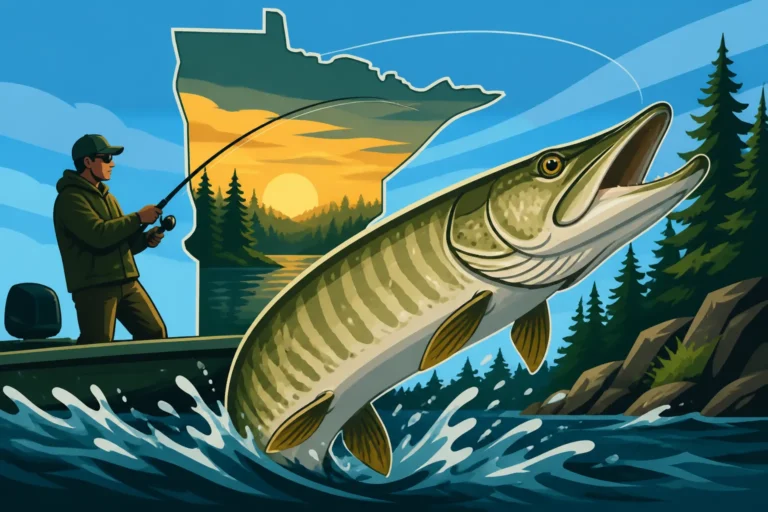
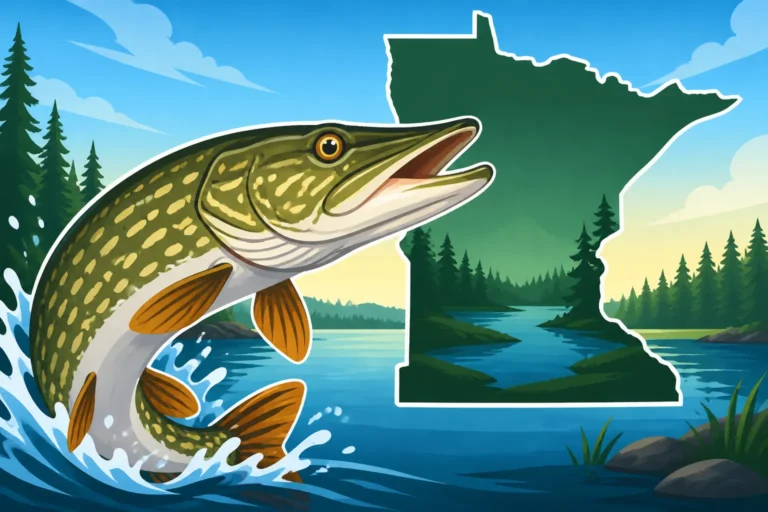
For many, Minnesota fishing conjures images of majestic waters, dense forests, and the thrill of the catch. And while our state boasts an incredible diversity of fish species, only one has earned the official designation as the state fish. It’s not the formidable Muskie, nor the aggressive Northern Pike, despite their popularity and fighting spirit. The truth often surprises those who haven't looked it up, but for seasoned anglers, it simply makes perfect sense.
Unveiling the Official Choice
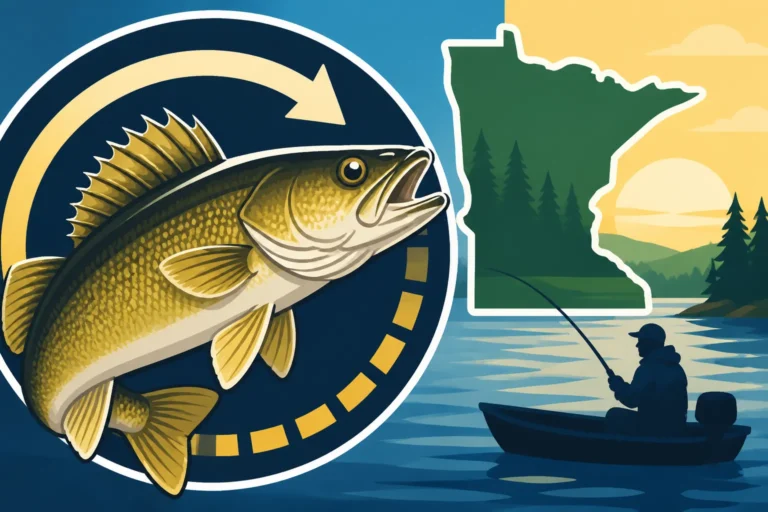
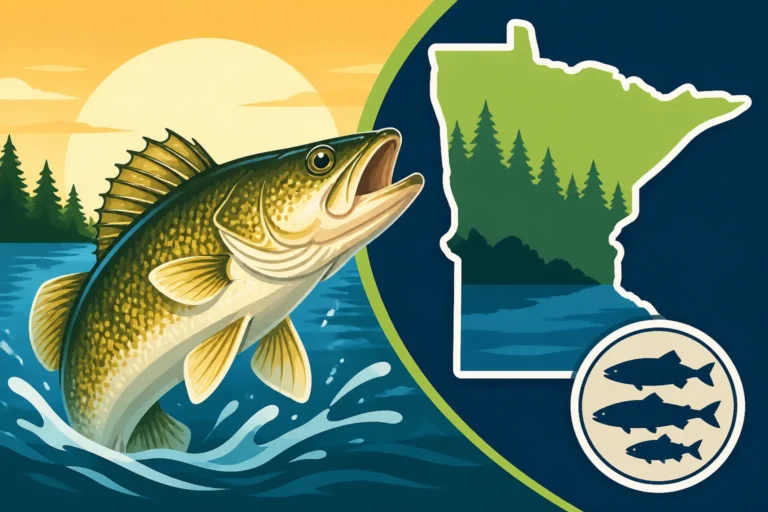
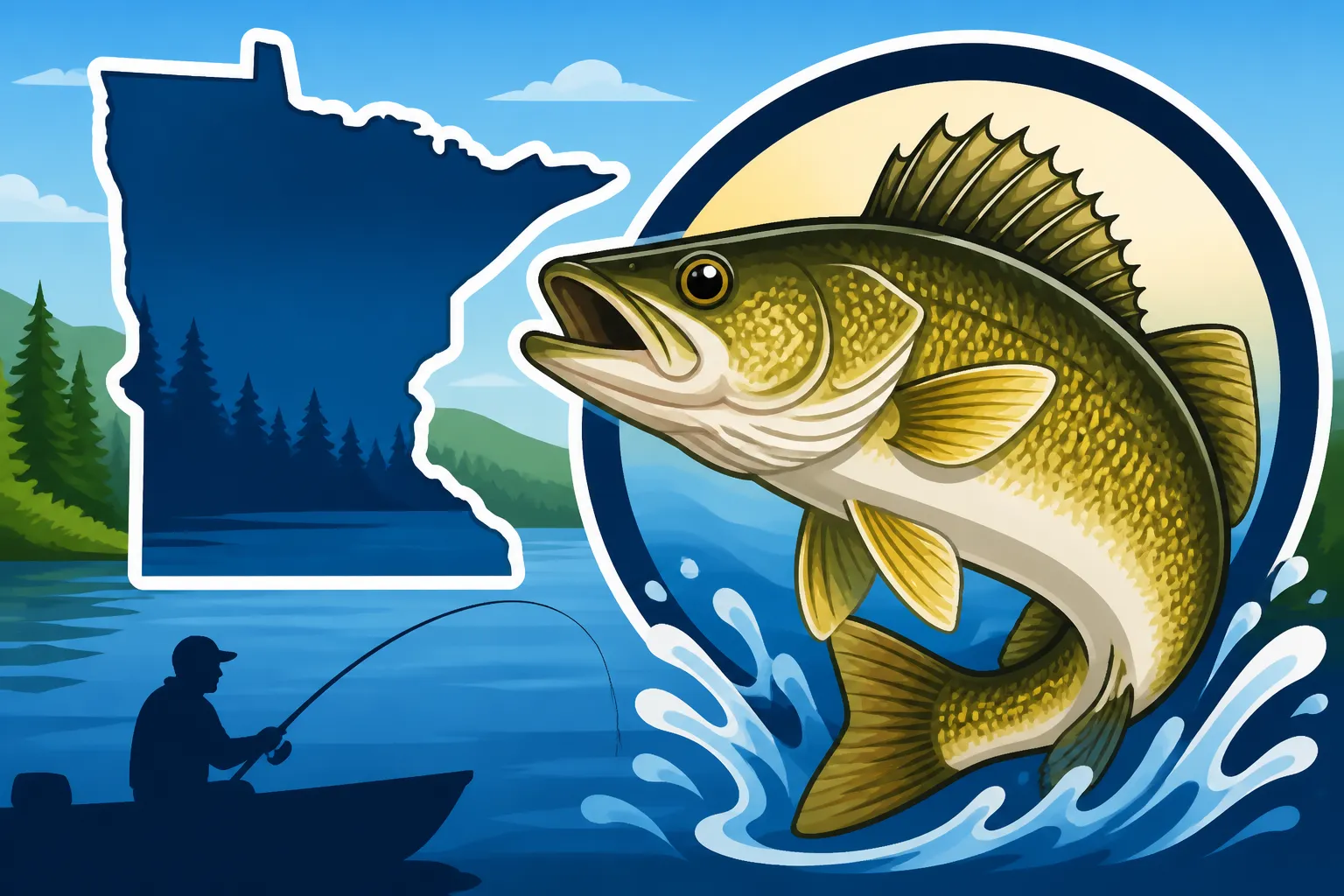
The official state fish of Minnesota is, without a doubt, the Walleye. Yes, that golden-eyed, delectable creature that graces countless dinner plates and adorns tackle shop logos throughout the state. It's easy to understand why some might guess other species; the Northern Pike is incredibly widespread and a thrilling catch, while the Muskie holds legendary status for its elusive nature and sheer power. But the Walleye’s deep connection to Minnesota's identity runs far deeper than just a good fight or a big fish story.
The Walleye was designated as the official state fish in 1957, a testament to its enduring popularity and crucial role in the state's culture and economy. Its prominence in our waters and its reputation as a prized game fish made it a clear frontrunner. From the moment the ice melts to the first snowflakes of winter, the pursuit of walleye dominates the minds of countless Minnesotan anglers, making it a truly deserving symbol.
A Beloved Symbol's Journey to Official Recognition
The decision to name the Walleye as Minnesota's state fish wasn't just a random pick; it was a reflection of the public's sentiment and the species' undeniable impact. Legislators recognized that the Walleye wasn't just another fish; it was woven into the fabric of Minnesota life. Generations of families have bonded over walleye fishing trips, creating traditions that span decades. Resorts depend on its allure to attract tourists, and local economies thrive on the tackle, bait, and lodging expenditures associated with chasing this species.
This recognition wasn't simply a formality. It solidified the Walleye's status as a cornerstone of our natural heritage. It emphasized the importance of conservation efforts to ensure future generations could enjoy the same rich fishing experiences. The Walleye represents the unspoiled beauty of our lakes and rivers, the thrill of the chase, and the delicious reward of a fresh-caught meal. Its journey to becoming the state fish was truly a reflection of its deep roots in the hearts of Minnesotans.
Why the Walleye Reigns Supreme in Minnesota
You might wonder, with so many incredible fish species in Minnesota, what makes the Walleye so special? It's more than just its tasty fillets; it's a combination of ecological factors, cultural significance, and economic impact that firmly places the Walleye at the pinnacle of Minnesota's aquatic world.
Ecological Significance and Abundance
Minnesota is blessed with an abundance of lakes, and many of them are prime Walleye habitat. These fish thrive in larger, cooler lakes with rocky structures, gravel bottoms, and access to deep water. You can find robust Walleye populations from the expansive waters of Lake of the Woods and the legendary Mille Lacs Lake down to many smaller, lesser-known gems. Their adaptability allows them to exist in various aquatic environments, from clear glacial lakes to more turbid river systems.
Ecologically, Walleye are important apex predators in many of our lake systems, helping to maintain balance within the food web. They primarily feed on smaller baitfish like Perch and Cisco (Tullibee), which in turn influences the health and population dynamics of these forage species. This widespread presence and ecological role make them a vital component of Minnesota's natural aquatic ecosystems. Their sheer numbers and distribution across the state's famous 10,000 lakes truly underscore their significance.
Cultural and Economic Impact
If you’ve ever spent a summer in Minnesota, you’ve undoubtedly heard tales of "walleye choppers" or seen bumper stickers proudly declaring "I'd rather be fishing." The Walleye isn’t just a fish here; it’s a cultural icon. Weekend trips to the cabin often revolve around fishing for Walleye, bringing families and friends together. The anticipation of the Minnesota Fishing Seasons & Opener Dates 2026, particularly the Walleye opener, is practically a holiday for many across the state.
Economically, the Walleye fishery is a massive driver for tourism and local businesses. From bait and tackle shops like those found in Baudette or Garrison, to fishing guides, resorts, and boat dealerships, countless livelihoods depend on the allure of the Walleye. The quest for trophy Walleye on lakes like Lake of the Woods or the consistent action on Upper Red Lake brings in anglers from all corners of the country. A successful fishing season for Walleye can directly translate to thriving small towns and communities, highlighting just how deeply intertwined this fish is with Minnesota's identity and prosperity. And let's not forget the culinary aspect: a fresh Walleye fillet, lightly battered and fried, is arguably the quintessential Minnesota meal. To learn more about this, check out our guide on Are Walleye Good to Eat? Minnesota's Favorite Fish.
Understanding Walleye for the Minnesota Angler
So, you know the Walleye is our state fish, and you understand why. Now, let’s talk about what that means for you as an angler. Identifying them correctly and knowing some basic fishing essentials will make your time on the water much more rewarding.
Key Characteristics and Identification
Walleye are distinct and generally easy to identify once you know what to look for. Their most prominent features include large, opaque, light-sensitive eyes – hence the name "walleye" – which are adapted for low-light conditions, making them excellent night feeders. Their bodies are typically long and slender, ranging from olive green to golden brown on the back and sides, fading to a creamy white belly. They have two dorsal fins: a spiny anterior fin and a soft-rayed posterior fin. A crucial identification mark is the distinct white tip on the lower lobe of their caudal (tail) fin.
It's common for anglers, especially newcomers, to sometimes confuse a Walleye with a Sauger, a close relative. While they share some similarities, Sauger typically have distinct spots on their dorsal fins and lack the prominent white tip on the caudal fin. Sauger also generally have a more mottled, brassy coloration. If you're ever in doubt, understanding How to Identify a Walleye vs Sauger can save you some confusion and ensure you're following the correct regulations for each species.
Walleye Fishing Essentials for Minnesota Waters
Catching Walleye in Minnesota is a revered pursuit, requiring a blend of knowledge, patience, and the right techniques. Walleye are often found near structure – humps, reefs, points, weed lines, and transitions in bottom content. They are also highly sensitive to light, preferring low-light conditions, which is why dawn, dusk, and even night fishing can be incredibly productive. For a comprehensive overview, our Walleye Fishing Techniques: Complete Minnesota Guide is an invaluable resource.
Here's a quick look at common techniques:
- Jigging: A classic method, especially effective with a live minnow, leech, or nightcrawler, or artificial baits like soft plastics. It's versatile and works from shallow weed edges to deep rock piles.
- Trolling: Covering water with crankbaits or spinner rigs (often using Bottom Bouncer & Crawler Harness for Walleye) is highly effective, especially when Walleye are scattered or relating to expansive flats.
- Slip Bobber Fishing: An excellent technique for presenting live bait at a precise depth, particularly around submerged structure or weed edges.
- Ice Fishing: During winter, Walleye can be targeted through the ice using jigging spoons, rattle baits, or deadsticking with live minnows.
Knowing the current regulations is paramount. The Minnesota DNR sets specific Minnesota Walleye Limit & Size Rules that can vary by lake and zone. For example, understanding Mille Lacs Walleye Regulations (2026) is critical if you're fishing that iconic lake, as its rules are often unique due to intensive management. Always check the current Minnesota Fishing Regulations handbook or the DNR website before you head out, as rules can change seasonally or annually to protect fish populations. And of course, make sure you have your current Minnesota Fishing License: Cost, Types & How to Buy (2026)!
Here’s a quick overview of our state fish:
| Feature | Description | Significance to Minnesota |
|---|---|---|
| Official Designation | State Fish of Minnesota | A symbol of Minnesota's natural beauty and angling tradition. |
| Scientific Name | Sander vitreus | Part of the Perch family, highly prized. |
| Appearance | Golden-olive to brown body, white belly, large opaque eyes, white tail tip. | Distinctive features make it easily recognizable. |
| Habitat | Cool, clear to moderately turbid lakes and rivers, structured bottoms. | Found in countless Minnesota lakes, from large to small. |
| Diet | Primarily smaller fish (Perch, Cisco), insects, crayfish. | Important predator in aquatic ecosystems. |
| Popularity | Most sought-after game fish. | Drives tourism, local economies, and cultural traditions. |
| Culinary Value | Excellent eating, firm, flaky white flesh. | A staple of Minnesota cuisine and fish fries. |
Preservation and Future of the Walleye
The Walleye's status as our state fish comes with a significant responsibility: ensuring its health and abundance for future generations. This isn't just up to the Minnesota Department of Natural Resources (DNR); it's a shared commitment that requires every angler's participation.
Conservation Efforts and Management
The Minnesota DNR actively manages Walleye populations through a variety of science-backed strategies. This includes extensive population surveys, habitat restoration projects, and stocking programs to supplement natural reproduction in certain lakes. Critical to management are the ever-evolving regulations, which often include specific bag limits, possession limits, and protective slot limits. For instance, Minnesota Fishing Limits: Bag & Possession (2026) are carefully designed to protect spawning fish and allow younger fish to grow into larger, reproductive adults.
Slot limits, in particular, are a common tool on many lakes. These regulations require anglers to release fish within a certain size range, protecting prime spawning-size fish and promoting a healthier age structure in the population. While these rules can sometimes feel restrictive, they are implemented with the long-term health of the fishery in mind. Sometimes it feels like the rules change every year, and it can be frustrating, but these adjustments are made based on scientific data to ensure our Walleye populations remain robust.
How Anglers Can Contribute
As anglers, we play a crucial role in safeguarding the future of our state fish. The most straightforward way is to simply know and follow all current fishing regulations. This includes understanding daily bag limits, possession limits, and any specific size restrictions for the body of water you're fishing. It's always a good practice to check the official DNR regulations guide before each fishing trip, as rules can change.
Beyond regulations, practicing responsible angling is vital. When practicing catch and release, especially for larger, older Walleye that are important spawners, proper handling significantly increases their survival rate. This means minimizing their time out of water, using appropriate landing nets, and avoiding excessive handling. Our guide on Catch and Release Best Practices in Minnesota offers detailed tips on how to do this effectively. Consider joining local conservation groups or participating in angler surveys; your input and efforts can directly impact Walleye management decisions, helping to ensure that the Walleye remains Minnesota's prized state fish for generations to come.
Disclaimer
The information provided in this guide is for general informational purposes only and is subject to change. Always consult the official Minnesota Department of Natural Resources (DNR) regulations and advisories before engaging in any fishing activities to ensure compliance with the most current rules and laws. Fishing regulations, seasons, and limits can vary by species, body of water, and time of year.