Where to Catch Largemouth Bass in Minnesota
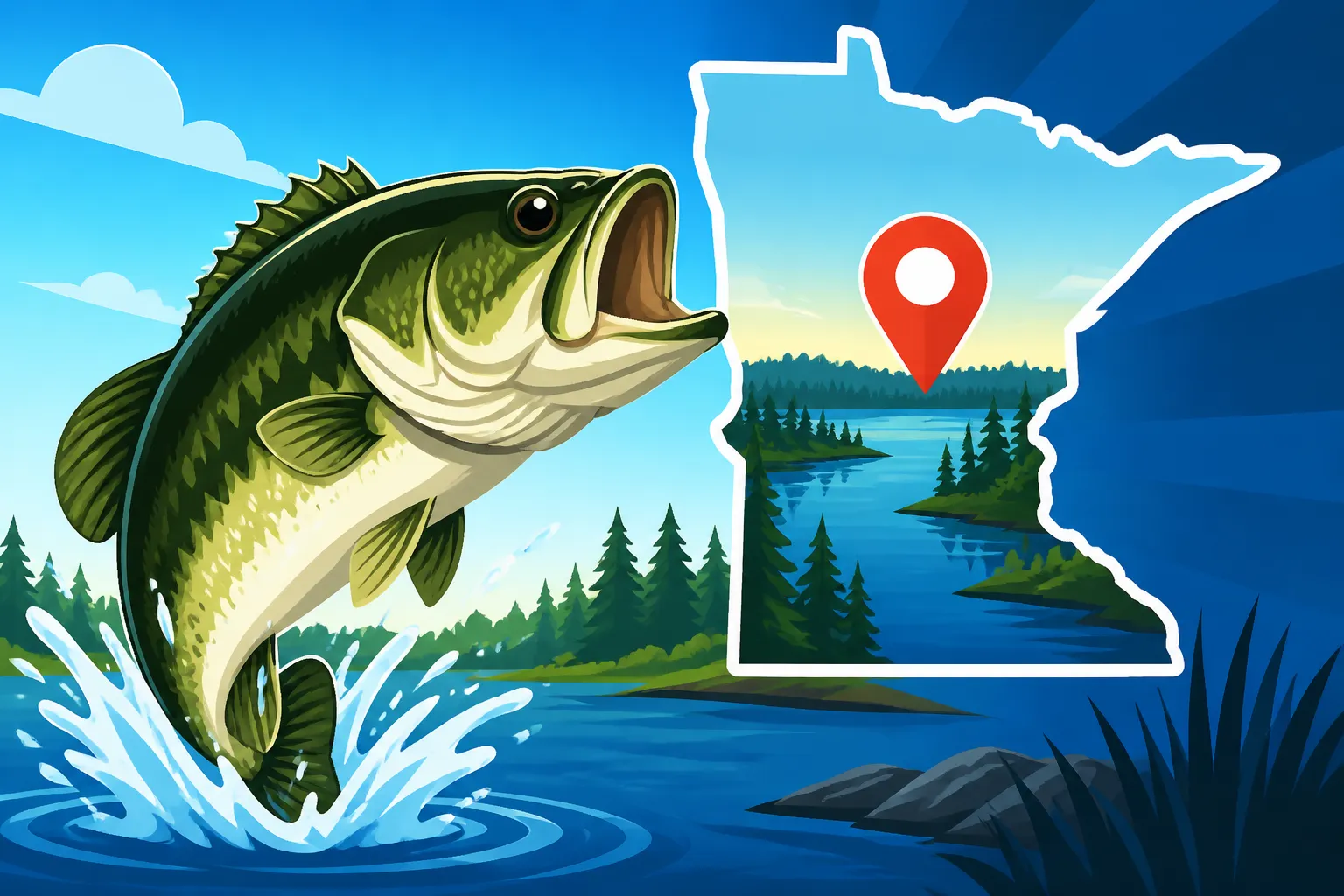
It can feel like Minnesota is all about walleye, walleye, walleye, right? You’re scrolling through forums, looking at fishing reports, and it seems like every other post is about finding that perfect walleye chop or dropping a jig for those golden beauties. But what if your heart beats for the thrill of a topwater blow-up, the sheer power of a largemouth bass burying itself in the weeds? It can be incredibly frustrating trying to pinpoint those prime largemouth spots when the spotlight always seems to be on other species. This guide is here to change that, walking you through exactly where to find those chunky green bass across the state, from well-known havens to some overlooked gems.
Understanding Largemouth Bass Habitat in Minnesota
Largemouth bass are fascinating creatures, truly masters of their environment. Unlike their smallmouth cousins who often prefer rocky, open water, largemouth are generally homebodies, sticking close to cover and structure. In Minnesota, with our countless lakes and rivers, this means they’ve adapted to a wide array of environments, but they consistently seek out specific conditions. If you understand what makes a bass happy, you're halfway to finding them.
Weeds, Wood, and Warm Water Preferences
Think of a largemouth bass as a stealthy predator that loves to ambush its prey. This means they're drawn to environments where they can hide, stay camouflaged, and dart out quickly. So, when we talk about habitat, we're talking about shallow, complex areas that offer both concealment and feeding opportunities.
In Minnesota, this often translates to bays and flats rich with emergent and submerged vegetation. Think lily pads, cattails, coontail, milfoil, and wild rice beds. These dense weed lines aren't just shelter from the sun; they're bustling ecosystems filled with baitfish, frogs, and smaller panfish that make up a bass's diet. The bass will position themselves just inside or along the edges of these weed beds, waiting for an unsuspecting meal to swim by. They also have a strong preference for warmer water. While they can tolerate a range, you'll often find them most active in water temperatures between 65-80°F, which means they'll gravitate towards those shallower, sun-baked areas that warm up faster in the spring and stay consistently warm through summer. Understanding Seasonal Fishing Patterns in Minnesota is crucial for anticipating these movements.
Forage and Ambush Points
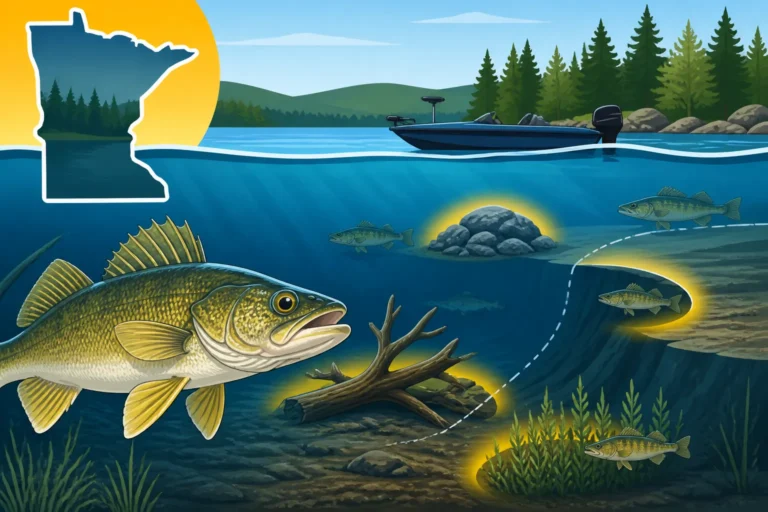
Beyond simply having cover, largemouth bass need food, and they're incredibly efficient hunters. They'll use any irregularity in the underwater landscape as an ambush point. This could be a fallen tree (known as a "laydown"), a submerged stump field, a brush pile, or even an old dock. These pieces of "structure" break up the current, provide shade, and offer an ideal spot for a bass to hide and wait.
Imagine a bass sitting perfectly still next to a barnacle-covered dock post, its dark green back blending seamlessly with the shadows. A school of minnows swims by, and with a sudden burst of power, the bass lunges. That's the typical scenario. When you're on the water, you're not just looking for weeds; you're looking for where those weeds change, where they meet a drop-off, a rock pile, or a sandy patch. These "transition zones" are often hotbeds of activity. The bass are there because their food is there, whether it's bluegill, perch, shiners, or even small frogs and crawfish. Investing in a good map, like one you might find on Amazon, can help you identify these hidden gems.
Top Largemouth Bass Lakes and Regions
Minnesota boasts an incredible diversity of fisheries, and while some are famous for their walleye, many others quietly hold some truly exceptional largemouth bass populations. You just need to know where to look beyond the main lake basins.
The Brainerd Lakes Area and Central Minnesota
Central Minnesota, particularly the Brainerd Lakes Area, is a well-known playground for anglers, and for good reason. While lakes like Gull Lake and Pelican Lake might steal headlines for their walleye and muskie, their numerous bays and shallower areas are absolutely stacked with largemouth.
- Gull Lake (Brainerd): This huge lake has many distinct bays, especially on its southern and eastern sides. Look for areas with heavy weed growth, like those near Stony Point or in the larger bays off the main lake. The largemouth here can grow to impressive sizes, often found tucked into thick pads or along the edge of submerged grass. It's a fantastic place to throw a frog or a punching rig.
- Pelican Lake (Breezy Point/Pequot Lakes): Another excellent fishery with extensive weed lines and plenty of shoreline development offering dock fishing opportunities. Pelican has a fantastic population of robust largemouth that love to hang around cover. Pay attention to changes in depth along weed edges.
- Whitefish Chain of Lakes (Pequot Lakes): This interconnected chain offers a lifetime of fishing opportunities. Lakes like Big Trout Lake and Cross Lake, within the chain, have numerous shallow, protected bays with abundant vegetation and woody cover. These waters warm up quickly in the spring, drawing bass into predictable shallow patterns. For more specific tactics, check out Largemouth Bass Fishing Techniques for Minnesota Lakes.
This whole region is characterized by productive, fertile lakes that have the perfect recipe for healthy bass populations: good forage, ample cover, and diverse bottom structures.
Southern Minnesota and Metro Lakes
Don't let the urban sprawl fool you; the lakes in and around the Twin Cities metro area and further south offer some of the most consistent and often overlooked largemouth bass fishing in the state. Many of these lakes receive less pressure for bass compared to their northern counterparts, as anglers often target walleye or muskie.
- Lake Minnetonka (West Metro): This sprawling, complex lake is legendary for its fishing, and its largemouth bass fishery is no exception. With countless bays, islands, docks, and extensive weed beds, Minnetonka offers endless opportunities. Focus on the protected bays like Gideon Bay, Wayzata Bay, or Stubbs Bay. Docks and boat lifts are prime targets, especially in the summer heat. The bass here are often big and aggressive.
- Prior Lake (South Metro): Known for its excellent bass fishing tournaments, Prior Lake is a fantastic spot. It has a good mix of deep and shallow water, with plenty of docks, weed lines, and submerged humps that hold largemouth. Early morning topwater bites can be phenomenal here.
- Lake Waconia (West of Metro): This large, productive lake offers a great balance of open water and excellent shallow bass habitat. Look for large weed flats, especially along the northern and eastern shorelines. Docks and any emergent vegetation are also key areas.
- Other Metro Lakes: Many smaller lakes within the Twin Cities Metro Fishing: Best Lakes Near Minneapolis & St. Paul offer surprising bass action. Lakes like Lake Elmo, Eagle Lake, and some of the Chain of Lakes in Minneapolis (Bde Maka Ska, Harriet) can yield quality largemouth, especially if you focus on accessible shorelines and public docks. These spots are perfect if you're looking for Shore & Bank Fishing in Minnesota (No Boat) opportunities.
The accessibility of these metro lakes makes them ideal for a quick evening trip or a weekend outing without a long drive. Just be mindful of boat traffic, especially on larger bodies of water during peak season.
Northern Minnesota's Underrated Bass Waters
While northern Minnesota is often associated with walleye and northern pike, many of its larger, more complex lakes hold fantastic, often less-pressured, largemouth bass fisheries. These can be goldmines for anglers willing to explore beyond the obvious spots.
- Leech Lake (Walker): Yes, Leech Lake! While known for its massive walleye and muskie, its many expansive bays, particularly those with wild rice beds and extensive coontail, are teeming with largemouth. Think of areas like Sucker Bay, Steamboat Bay, and Walker Bay. The bass in Leech can be very robust and put up a serious fight. Focus on the shallowest, densest cover, especially during the warmer months.
- Lake Vermilion (Tower/Cook): Another iconic northern lake, Vermilion is a labyrinth of islands, bays, and rocky shorelines. While smallmouth are prevalent on the main lake, many of the shallower, more protected bays offer fantastic largemouth fishing. Look for thick weed growth in areas like Pike Bay or the numerous unnamed coves. The remote feel of Vermilion adds to the adventure.
- Cass Lake and Lake Bemidji (Bemidji Area): These two interconnected lakes, part of the Mississippi River chain, offer diverse bass opportunities. Cass Lake has excellent weed flats and numerous islands with varied cover. Lake Bemidji, especially its shallower northern and southern ends, can hold strong numbers of largemouth. Both lakes provide that northern wilderness feel with excellent fishing.
- Upper and Lower Red Lake: While primarily walleye factories, the shallower, weedy fringes of these lakes, particularly Upper Red, can hold some surprisingly good largemouth, especially in the more sheltered corners and feeder creek areas. It's not their primary habitat, but they can definitely be found by an adventurous angler.
Many of these northern lakes, due to their sheer size and complexity, have vast areas that don't see heavy bass fishing pressure, making them excellent choices for those seeking a more solitary experience. Remember, bass are resilient, and even lakes not typically touted for them can hold surprises.
Key Structures and Cover to Target
Finding a largemouth bass lake is one thing; knowing where on that lake to cast is another. Largemouth are incredibly particular about their surroundings, always looking for that perfect blend of cover, ambush points, and access to food.
Shallow Bays and Weed Lines
This is classic largemouth territory in Minnesota. Shallow bays, especially those with dark bottoms, absorb sunlight and warm up quickly, attracting baitfish and, in turn, bass. These areas are usually choked with vegetation.
- Emergent Weeds (Lily Pads, Cattails, Reeds): These weeds break the surface and provide overhead cover, shade, and an excellent place for bass to hide. Work the edges thoroughly, but don't be afraid to cast right into the thick stuff. Hollow-bodied frogs, soft plastic toads, and punching jigs are perfect for this. Bass will often create "holes" or pockets in denser weed mats, which are prime targets.
- Submerged Weeds (Coontail, Milfoil, Cabbage): These underwater jungles are vital. Bass will hold inside the weed beds, particularly in pockets or lanes, or along the edges where the weeds meet open water or a depth change. Spinnerbaits, crankbaits that tick the tops of the weeds, or Texas-rigged worms are excellent choices. A good understanding of How to Catch Largemouth Bass in Minnesota (Step by Step) will make all the difference. Pay attention to how the weed line changes depth or forms points; these are often high-percentage areas.
Docks, Pilings, and Man-Made Structures
Human-made structures are largemouth magnets. Docks, boat lifts, pontoon boats, swimming platforms, and even riprap shorelines all provide valuable cover and ambush points. Bass are opportunistic, and these structures often hold schools of panfish or minnows.
- Shade and Cover: During bright, sunny days, bass will seek the shade provided by docks and boats. Cast your lures as far under these structures as possible. Skipping jigs or weighted soft plastics under docks can be incredibly effective.
- Vertical Structure: Dock pilings and support posts offer vertical cover, which bass love to relate to. They can sit vertically against the post, hidden from view, waiting for prey. Try pitching jigs, wacky-rigged worms, or small crankbaits parallel to these structures. This is especially true for the metro lakes where such structures are abundant.
- Transition Points: Where a sandy beach transitions to a rocky point or a dock extends from a weedy shoreline—these are critical zones. Bass will often cruise these edges, moving between different feeding grounds.
Laydowns, Stumps, and Rock Piles
Natural woody cover and rocky elements are indispensable bass habitat. These are often the most difficult to fish without getting snagged, but they're worth the effort.
- Laydowns (Fallen Trees): A fallen tree provides a complex network of branches, limbs, and trunk that bass absolutely adore. They offer excellent shade, cover from predators, and a myriad of ambush points. Fish every part of the laydown, from the trunk to the outermost branches, with Texas-rigged worms, jigs, or even square bill crankbaits. The thicker the better.
- Stump Fields: Areas with submerged stumps, often remnants of old timber harvesting or natural erosion, are prime bass hideouts. These provide hard cover in softer bottom areas and are fantastic for jigs and weighted soft plastics.
- Rock Piles and Boulders: While often more associated with smallmouth, largemouth will also use rock piles, especially if they are mixed with some vegetation. These offer structure, warmth (rocks absorb heat), and hiding spots for crawfish, a favorite bass meal. Texas-rigged creatures baits or football jigs worked slowly through these areas can be very effective. Look for rock piles near weed lines or drop-offs.
Best Gear and Tactics for Minnesota Largemouth
Having the right tools for the job can make a huge difference in your success, especially when targeting feisty largemouth bass in Minnesota's diverse waters. You don't need to break the bank, but having a few key items tailored to their habits will definitely boost your catch rate. And remember, you can find a ton of great starter gear, from rods to lures, right on Amazon.
Essential Lures and Baits
Largemouth bass are aggressive predators, and they react to a variety of presentations. Matching your lure to the type of cover you're fishing is key. For a comprehensive list, check out Best Bass Lures for Minnesota Lakes.
- Soft Plastics: These are arguably the most versatile bass lures.
- Texas-Rigged Worms/Creature Baits: Perfect for fishing in weeds and wood because the hook point is buried, making them largely snag-proof. Colors like green pumpkin, junebug, and black-and-blue are always good bets. Sizes from 6-inch worms to 4-inch creature baits work well.
- Wacky-Rigged Senkos/Stick Baits: Incredible for enticing finicky bass around docks, shallow cover, or open pockets in weeds. The slow, tantalizing fall is irresistible. Green pumpkin and natural shad colors are popular.
- Topwater Lures: The most exciting way to catch a largemouth!
- Frogs: Hollow-bodied frogs are indispensable for fishing over dense lily pads and slop. Their weedless design allows them to glide over vegetation, and the explosive strikes are unforgettable. Colors resembling natural frogs or mice are great.
- Poppers/Walk-the-Dog Baits: Excellent for open water near weed edges, docks, or over submerged grass. They create surface commotion that triggers aggressive strikes.
- Jigs:
- Flipping/Punching Jigs: Designed for getting through heavy cover. Pair them with a bulky plastic trailer for added bulk and action. Black-and-blue, green pumpkin, and brown are staple colors.
- Football Jigs: Great for working along rocky bottoms or clean weed edges, especially when you need to feel subtle bites.
- Crankbaits:
- Square Bill Crankbaits: Ideal for shallow water and bumping off wood or rock cover without getting hung up. Their wide wobble often triggers reaction strikes.
- Medium Diving Crankbaits: Useful for targeting bass holding slightly deeper along weed edges or submerged structure.
- Spinnerbaits & Chatterbaits:
- Spinnerbaits: Excellent for covering water quickly, especially along weed lines or through sparse cover. The flash and vibration can draw bass from a distance.
- Chatterbaits (Bladed Jigs): Offer a unique vibration and erratic action that bass can't resist, especially when fished around grass.
Rods, Reels, and Line
Having a balanced setup will make your fishing more enjoyable and effective. The type of setup depends largely on the lures and techniques you plan to use. If you're just starting, a good all-around combo is essential, and you can find great options from brands like Abu Garcia or Shimano on Amazon.
- Rods:
- Medium-Heavy Casting Rod (6'10" – 7'4"): This is your workhorse for most largemouth applications. It's powerful enough to set the hook through heavy cover and pull fish out, yet sensitive enough to feel subtle bites. Perfect for jigs, Texas rigs, spinnerbaits, and medium crankbaits.
- Medium Action Spinning Rod (6'6" – 7'): Crucial for lighter presentations like wacky rigs, drop shots (though less common for pure largemouth in heavy cover), or small finesse jigs. It provides better castability for lighter lures and a more forgiving action for lighter lines.
- Heavy Action Casting Rod (7'3" – 7'10"): If you're punching through matted vegetation with heavy weights and big plastics, or throwing large swimbaits, a dedicated heavy action rod is a must. It provides the backbone needed for these power techniques.
- Reels:
- Baitcasting Reel: Pair with your casting rods. Look for a gear ratio that matches your technique: slower ratios (6.X:1) for slower presentations like jigs, faster ratios (7.X:1 or 8.X:1) for burning spinnerbaits or quickly retrieving slack. A quality reel with a smooth drag system is vital.
- Spinning Reel: Pair with your spinning rods. A 2500-3000 size is generally sufficient for bass. Smoothness and a reliable drag are key.
- Line:
- Braided Line (20-65 lb): The go-to for fishing heavy cover. It has no stretch, offering excellent sensitivity and brute strength for pulling fish out of weeds. Often, a fluorocarbon leader is added for stealth in clearer water, but in thick slop, straight braid is common.
- Fluorocarbon Line (10-20 lb): Low stretch and nearly invisible underwater, fluorocarbon is excellent for jigs, Texas rigs, and crankbaits in clearer water or areas with less dense cover.
- Monofilament Line (10-17 lb): Offers more stretch, which can be beneficial for topwater lures or crankbaits, as it allows fish to inhale the lure more easily without tearing the hooks out. It’s also very forgiving.
The right combination of gear will allow you to fish confidently in the specific habitats where Minnesota largemouth thrive. You might want to read more about Best Bass Rod and Reel for Minnesota Lakes to refine your setup.
Minnesota Largemouth Bass Hotspots Overview
Here's a quick reference table for some of the prime largemouth bass lakes in Minnesota, summarizing their key features and ideal fishing conditions. This is by no means an exhaustive list, but it gives you a solid starting point for your next bass adventure.
| Lake Name | Region | Primary Habitat | Best Time to Fish | Key Tactics | Notes |
|---|---|---|---|---|---|
| Lake Minnetonka | Twin Cities | Extensive docks, boat lifts, diverse weed beds | Spring, Summer, Fall | Flipping jigs, skipping wacky rigs, topwater | High boat traffic, but massive bass potential. |
| Gull Lake | Brainerd Area | Large bays, lily pads, submerged weeds | Summer (especially) | Frogs, punching jigs, spinnerbaits | Good numbers of quality bass. |
| Prior Lake | South Metro | Docks, weed lines, humps | Spring, Summer, Fall | Topwater, Texas rigs, crankbaits | Known for tournament-sized bass. |
| Leech Lake | Northern MN | Wild rice, extensive coontail in bays | Summer | Spinnerbaits, swim jigs, Texas rigs | Focus on protected bays like Sucker Bay or Steamboat. |
| Lake Waconia | West Metro | Large weed flats, docks | Spring, Summer | Topwater, chatterbaits, pitching jigs | Excellent early morning topwater bite. |
| Lake Vermilion | Northern MN | Shallow, protected bays, woody cover | Summer, Early Fall | Jigs, Texas rigs, square bills | Less pressured bass, focus on specific bay systems. |
| Whitefish Chain | Brainerd Area | Interconnected lakes, shallow weed bays | Spring (spawn), Summer | Frogs, plastics, shallow crankbaits | Consistent action across multiple bodies of water. |
Remember, these are just starting points. Each lake has its nuances, and local knowledge or a good fishing app can refine your approach. The best way to learn is to get out there and explore!
Disclaimer
Fishing regulations and conditions can change frequently. Always consult the most current Minnesota Department of Natural Resources (DNR) fishing regulations booklet or website before heading out. This guide provides general information and recommendations, but it is your responsibility to adhere to all local, state, and federal laws and safety guidelines. Be aware of aquatic invasive species (AIS) prevention measures and practice responsible catch-and-release to help preserve Minnesota's incredible fisheries for future generations.