Northern Pike Size & Trophy Waters
It can be incredibly frustrating to hear stories of anglers pulling out monster northern pike in Minnesota, only to spend your own days on the water landing fish that barely stretch past the 20-inch mark. Many of us dream of wrestling with a true goliath, but understanding what makes a pike a "trophy" and where to realistically find them is often shrouded in mystery. This guide aims to clear up that confusion, diving deep into northern pike size expectations, the lakes that consistently produce bigger fish, and the regulations that help manage these exciting predators.
Understanding Northern Pike Growth and Lifespan in Minnesota
Northern pike are fascinating creatures, growing to impressive sizes given the right conditions. However, their growth isn't uniform across all Minnesota waters, and what constitutes a "trophy" can vary significantly from one lake to another. It's a combination of genetics, food availability, water quality, and of course, angling pressure.
Factors Influencing Pike Size
Several critical elements play a role in how big a northern pike can get in a particular lake. Think of it like a gardener trying to grow prize-winning pumpkins: you need good soil, plenty of water, and the right climate. For pike, it starts with a healthy ecosystem.
Firstly, forage availability is paramount. Pike are apex predators, and a lake teeming with abundant baitfish like cisco (tullibee), whitefish, perch, or even smaller walleye and suckers provides them with the high-protein diet necessary for rapid growth. Lakes with diverse and plentiful prey species tend to produce larger, healthier pike. Conversely, in lakes with stunted panfish populations or an overall lack of food, pike might be numerous but rarely grow beyond the "hammer handle" size, as they're often called – long, skinny fish that are more nuisance than challenge.
Secondly, water quality and habitat are crucial. Clean, well-oxygenated water with ample weed beds, submerged timber, and rocky structures offers pike both ambush points for hunting and refuge from anglers. These environments support healthy prey fish populations and provide the cover larger pike need to thrive. Lakes with degraded habitats or excessive competition from other species may struggle to produce trophy-caliber fish.
Lastly, genetics and age contribute significantly. Some pike strains naturally grow larger and live longer than others. In Minnesota, the DNR manages populations to encourage healthy growth, but the inherent genetic potential of the fish in a specific water body combined with their age are huge factors. A 40-inch pike didn't get that way overnight; it’s likely a fish that has survived many seasons, skillfully evading predators and anglers alike, and has had a steady food supply.
Average Size Versus Trophy Potential
When we talk about northern pike, there's a big difference between what you'll typically catch on an average outing and what's considered a true trophy. Most anglers will regularly encounter pike in the 18 to 28-inch range. These are fun to catch, offer a good fight, and are often excellent eating, especially if you know how to fillet a northern pike to remove the Y-bones.
However, the "trophy" designation usually begins when a pike crosses a certain threshold in both length and weight. For many anglers, a pike hitting 30 inches is a respectable catch, a "good one." When you start getting into the 35-inch range, you're looking at a genuinely large fish. A pike that measures 40 inches or more is often considered a true trophy in Minnesota, and anything over 45 inches is a fish of a lifetime. These larger fish are typically older, stronger, and much wiser than their smaller counterparts.
It's also important to consider the girth of the fish, not just its length. A 38-inch pike with a thick, healthy body can be a much more impressive catch and a heavier fish than a skinny 40-inch pike. We'll delve into the importance of girth a bit later, but for now, understand that while a 24-inch pike is common, a 40-inch brute is an accomplishment worthy of bragging rights. When considering where to cast your line, understanding the potential of the water you're fishing is key to managing your expectations and increasing your chances of success.
Minnesota's Pike Zones and Their Impact on Size
Minnesota's Department of Natural Resources (DNR) recognized that a "one-size-fits-all" approach wasn't working for northern pike management across the state's incredibly diverse waters. Different regions had vastly different pike populations – some with too many small, stunted fish, and others with healthy populations of larger fish that needed protection. This led to the implementation of the Northern Pike Management Zones, a crucial system that directly impacts the size and abundance of pike you'll find.
Northern Pike Management Zones Explained
Minnesota is divided into three distinct zones for northern pike: the North-Central Zone, the Northeast Zone, and the Southern Zone. Each zone has its own set of regulations regarding bag limits and protected slot sizes, designed to address the specific challenges and opportunities within that region's pike populations.
The North-Central Zone is largely aimed at reducing the abundance of smaller pike to promote growth. This zone often has higher bag limits and a protected slot that encourages anglers to keep smaller fish, thereby reducing competition for food and allowing the remaining pike to grow larger. Imagine a crowded dinner table; if you remove some diners, there's more food for everyone else, leading to bigger, healthier individuals. Many popular fishing destinations, including parts of the Brainerd Lakes Area and Park Rapids Area, fall into this zone.
The Northeast Zone, encompassing much of the Boundary Waters Canoe Area (BWCA) and lakes like Lake Vermilion, tends to have naturally lower pike reproduction rates and a history of producing larger fish. Regulations here are often more conservative, with lower bag limits and a narrower or different protected slot to protect those older, larger fish that contribute to the trophy potential of these waters. The goal is to sustain healthy numbers of large pike, rather than thinning out an overabundance of small ones.
Finally, the Southern Zone is characterized by a mix of waters, some with stunted pike populations and others with moderate growth potential. Regulations in this zone are often a bit more flexible, allowing for specific lake-by-lake adjustments to balance harvest and growth. The overall aim is to improve the quality of pike fishing where possible, often by encouraging the removal of smaller fish and protecting a specific size range.
Understanding which zone you're fishing in is the absolute first step before you even think about casting a line. You can find detailed information on the specific regulations for each zone, including bag and possession limits, by checking the Minnesota Fishing Regulations PDF or the DNR website. It's not just about avoiding a fine; it's about actively participating in the responsible management of this fantastic fish species.
How Zone Regulations Shape Fish Populations
The impact of these zone-specific regulations is profound, directly influencing the average size and age structure of northern pike populations. The DNR's strategy is to tailor regulations to specific ecological conditions, rather than a blanket rule that might harm one region while helping another.
In the North-Central Zone, where overpopulation of smaller pike has historically been an issue, the higher bag limits and protected slots that encourage keeping smaller fish are designed to thin the ranks. By removing these "hammer handles" (often defined as pike under 22-26 inches, depending on specific lake regulations), there's less competition for food resources. This means the surviving pike have more to eat, grow faster, and reach larger sizes more quickly. Over time, this strategy aims to shift the population towards fewer, but larger, individual fish, creating a better fishing experience for those seeking a more substantial fight. This is a common strategy in lakes within the Otter Tail County Fishing region, for instance.
Conversely, in the Northeast Zone, the focus is often on protecting larger, older pike. These are the fish that have proven their ability to survive and grow. Regulations might include lower bag limits, sometimes as low as two or three fish, with only one allowed over a certain size (e.g., 30 inches). This ensures that trophy-sized fish can continue to contribute to the gene pool and maintain the area's reputation for producing large pike. This zone often includes lakes where you might encounter a trophy fish on any given cast, which is why preserving these larger specimens is paramount. This strategy is critical for sustaining trophy fisheries on lakes like Rainy Lake and the deeper, colder waters of Voyageurs National Park.
The Southern Zone regulations are a bit more dynamic, often allowing for specific lake regulations that might mimic aspects of either the North-Central or Northeast Zones, depending on local conditions. This adaptive management allows the DNR to fine-tune efforts to improve pike quality on a lake-by-lake basis, whether it means reducing overcrowding or protecting specific age classes. As an angler, it's your responsibility to be aware of the specific regulations for the body of water you intend to fish, as ignoring them can lead to penalties for keeping over-limit fish in Minnesota.
Here's a simplified table comparing the general objectives and regulations of each zone:
| Pike Management Zone | Primary Objective | Typical Bag Limit (General) | Protected Slot (General) | Impact on Pike Population |
|---|---|---|---|---|
| North-Central Zone | Reduce abundance of smaller pike to promote growth | 10 pike total | 22-26 inches (release all) | Fewer, but larger, average size |
| Northeast Zone | Protect existing large pike and maintain trophy potential | 2-3 pike total | Only 1 over 30 inches | Stable population with good trophy potential |
| Southern Zone | Improve quality where possible, balance harvest/growth | Varies by lake | Varies by lake | Targeted improvement, often shifting towards larger fish |
Note: These are general guidelines. Always check the current Minnesota Fishing Regulations for specific bag limits and protected slot sizes for the exact lake you are fishing, as these can change annually.
Identifying True Trophy Pike Waters in Minnesota
While regulations are designed to enhance pike populations, finding those truly exceptional trophy waters involves looking at more than just the rulebook. It's about understanding the unique characteristics that allow pike to grow to gargantuan sizes and pinpointing those rare gems on the map.
Characteristics of a Premier Trophy Pike Lake
What truly sets a trophy pike lake apart from a "good" pike lake? It's often a combination of ecological factors that create the perfect storm for growing giants.
First and foremost, size and depth matter. Larger lakes often have more diverse habitats, including expansive weed beds, deep drop-offs, and varying bottom structures that provide ample cover and diverse foraging opportunities. Deeper lakes also offer colder, more oxygenated water in the summer months, which is crucial for large pike that prefer cooler temperatures. Shallow, dish-bowl lakes, while they might hold many pike, rarely hold consistent populations of true monsters because they lack this crucial depth and diverse habitat.
Secondly, a robust and diverse forage base is non-negotiable. We touched on this earlier, but it cannot be overstated. Trophy pike aren't made on a diet of small perch alone. They need high-calorie, fatty prey like cisco (tullibee), whitefish, large suckers, and even sizeable crappie or walleye. Lakes known for exceptional populations of these larger baitfish are often the same lakes that produce giant pike. This rich food source allows pike to pack on weight and grow quickly.
Thirdly, low fishing pressure or specific regulations that protect large pike are key. While the zone regulations help, certain remote lakes or those with special no-kill or highly restrictive slot limits can foster populations of older, larger fish that have had the chance to mature without being harvested. Lakes in the Boundary Waters (BWCA) Fishing Guide often exemplify this, where limited access naturally reduces pressure.
Finally, water clarity and cool temperatures can contribute. Clearer water often means better visibility for ambush predators like pike, and cooler water provides optimal conditions for their metabolism, allowing them to expend less energy and focus more on growth. This is why many of Minnesota's best pike lakes are found in the northern part of the state.
Notable Minnesota Lakes for Giant Pike
While every lake has its day, some Minnesota waters consistently produce the kind of northern pike that makes your heart pound. These are the lakes that appear on anglers' bucket lists and hold the potential for a true fish of a lifetime.
Lake of the Woods stands out as a colossal fishery with an international reputation for trophy pike. Its sheer size, diverse structure, and incredible forage base (including abundant cisco and whitefish) provide the perfect conditions. The lake's vastness means there are always new areas to explore, and the many bays and islands offer excellent habitat for pike. It's not uncommon for anglers to pull pike well into the 40-inch class here, and even fish pushing or exceeding 50 inches are caught annually. This lake is also famous for its walleye, and you can learn more about Lake of the Woods Fishing Guide.
Lake Vermilion, located in the Northeast Zone near Ely, is another perennial favorite for giant pike. Known for its rugged beauty, clear waters, and deep structure, Vermilion has a well-deserved reputation for producing thick, long pike. Its diverse forage, including a healthy cisco population, supports incredible growth rates. Anglers often target specific bays and rocky points for these giants, and understanding the lake's topography is crucial. If you're looking for a serious challenge and a chance at a true trophy, Lake Vermilion Fishing Guide is definitely one to consider.
Rainy Lake, bordering Canada and within Voyageurs National Park, is another incredible big-water pike fishery. Similar to Lake of the Woods, its expansive nature, countless islands, and rich food chain contribute to outstanding pike growth. It's a lake where patience and a good understanding of seasonal patterns can be rewarded with truly enormous northern pike. Fishing in Voyageurs National Park offers a wilderness experience with the potential for exceptional fish.
While these giants are often associated with big, northern waters, other lakes like Leech Lake also produce substantial pike, especially in specific bays and areas with good forage. Leech Lake Fishing Guide focuses on walleye and muskie, but its pike population is certainly respectable. Even some of the larger lakes in the Brainerd Lakes Area or Alexandria Lakes Area, especially those with good cisco populations and protective slot limits, can yield impressive fish. The key is research, asking local bait shops, and studying lake maps to pinpoint those prime habitats.
Beyond Length: The Importance of Girth and Condition
When we talk about "trophy" fish, our minds often jump straight to length. "How long was it?" is usually the first question. But for northern pike, especially those truly impressive specimens, length tells only part of the story. The girth and overall condition of the fish are equally, if not more, important in defining its trophy status.
What Makes a Pike a "Trophy" Beyond Just Length
Imagine two northern pike, both measuring exactly 40 inches. One is a long, slender fish, perhaps just over 10 pounds. The other is a bulging, broad-shouldered beast, pushing 20 pounds or more. Which one would you consider the true "trophy"? Almost every seasoned angler would point to the heavier, thicker fish. This illustrates the critical role of girth.
Girth, the circumference of the fish around its fattest part, indicates the fish's health, age, and most importantly, its weight. A pike that is thick through the shoulders and has a deep belly is a well-fed, mature fish that has likely spent years at the top of the food chain. These fish don't just put up an incredible fight; they represent the pinnacle of their species in that particular ecosystem. Catching a short, skinny fish that technically hits a "trophy" length can be a bit anticlimactic. However, tangling with a shorter but incredibly stout pike, one that looks like it swallowed a football, is an unforgettable experience.
The overall condition of the fish also speaks volumes. A healthy pike will have vibrant coloring, intact fins, and a robust, muscular feel. These are signs of a fish thriving in its environment. A sickly or scarred fish, even if long, might not evoke the same sense of awe. Therefore, when you hear anglers talking about a "pig" or a "football," they're often referring to a pike that excels in girth and condition, not just length. This is particularly true for trophy fish in Minnesota.
Tips for Catching and Handling Large Pike
Targeting and landing a truly large northern pike requires a shift in tactics and an understanding of how to properly handle these magnificent fish. They're powerful, toothy predators, and both your safety and the fish's well-being depend on proper technique.
Firstly, use appropriate gear. Forget your ultralight panfish setup. For trophy pike, you need stout rods (medium-heavy to heavy action), robust reels with a smooth drag, and strong line (20-30 lb braided line is common, often with a fluorocarbon leader or a steel leader to prevent bite-offs). This is not just about bringing the fish in; it's about being able to control it during the fight, especially if it makes a powerful run. You can find more specific recommendations in guides like Best Northern Pike Fishing Tactics in Minnesota or Northern Pike Fishing Tips for Minnesota Anglers.
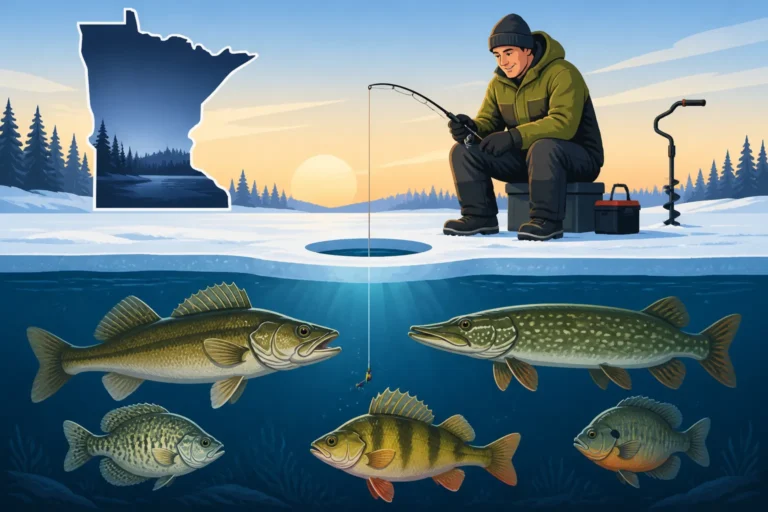
Secondly, target the right spots at the right time. Large pike often hold to distinct structure, whether it's the edge of deep weed lines, rocky points, submerged timber, or deep breaklines. They're ambush predators, waiting for unsuspecting prey. In summer, they might go deep to find cooler water, while in spring and fall, they can be found shallower. Large live baits like sizable suckers, large crankbaits, or substantial soft plastics are often preferred for drawing strikes from bigger fish. If you're ice fishing for northern pike (tip-ups are very effective for this), you'll often find them cruising the edges of expansive flats or deep weed beds.
Thirdly, practice careful handling for release. Many trophy pike anglers are committed to catch and release, especially for the largest fish, to preserve the genetics and fishing quality. Pike have extremely sharp teeth, so a long-nosed pliers or a jaw spreader is essential for hook removal. Avoid lifting large pike vertically by the jaw; instead, support their belly with one hand while holding the base of the tail with the other, or use a large rubberized net or cradle. This prevents internal organ damage and allows for a quicker, safer release. Always keep the fish in the water as much as possible for photos. The faster you can get it back, the better its chances of survival. Knowing how to use proper catch and release best practices in Minnesota is vital.
Setting Realistic Expectations for Your Trophy Pike Hunt
Let's be honest: everyone dreams of catching that state record northern pike. But the reality of trophy pike fishing is that it's often a game of patience, persistence, and accepting that true giants are rare. Setting realistic expectations can make the pursuit much more enjoyable, celebrating every milestone along the way, not just the elusive monster.
The Rarity of True Giants
It's a statistical truth: big fish are rare fish. The vast majority of northern pike in any given lake will be of average size. A fish that reaches 40 inches or more has beaten incredible odds. It has survived countless encounters with predators (including larger pike!), evaded numerous fishing lures, endured harsh winters, and found enough food to sustain its growth for many years.
Consider this: for every 20-inch pike you catch, you might catch one 30-inch pike. For every ten 30-inch pike, you might be lucky enough to catch one 40-inch pike. And a fish pushing 45 inches or more? Those are truly once-in-a-lifetime catches for most anglers. This isn't meant to discourage you, but rather to ground your expectations. While the famous lakes mentioned earlier do produce more big fish, even there, the average angler will still catch many "hammer handles" before hooking into a true brute. It's about enjoying the process, the environment, and the thrill of the chase, rather than solely focusing on the outcome.
Balancing Trophy Hunting with Fun Fishing
The pursuit of trophy pike can be an all-consuming passion, but it shouldn't overshadow the simple joy of fishing. There's immense satisfaction in catching any northern pike, regardless of its size. They are aggressive, put up a fantastic fight, and are available in most Minnesota lakes.
If you go out every trip with the sole expectation of a 40-inch pike, you're likely to be disappointed often. Instead, try to balance your goals. Perhaps dedicate a portion of your trip to targeting larger fish with specific baits and techniques, but also allow yourself to simply enjoy catching numbers of smaller pike on lighter tackle. These smaller pike are often a blast on a spinning rod and offer plenty of action. This approach keeps your spirits high and ensures you're enjoying your time on the water, even when the giants aren't biting.
Remember, every pike you catch is an opportunity to learn more about their behavior, their preferred habitats, and the nuances of the lake you're fishing. That knowledge, accumulated over many outings, is what eventually leads to those rare encounters with trophy fish. Whether you're targeting big walleye, trying to master Muskie Fishing in Minnesota, or just enjoying a quiet day on the water, fishing is about the experience. Appreciating the beauty of Minnesota's waters, spending time with friends and family, and the anticipation of what might bite next are just as rewarding as landing a monster.
Disclaimer
Please note that fishing regulations, including Northern Pike limits and size rules, are subject to change. Always consult the most current Minnesota Department of Natural Resources (DNR) fishing regulations booklet or their official website before heading out on the water. This guide is for informational purposes only and does not supersede official DNR regulations.