Where to Catch Flathead Catfish in Minnesota
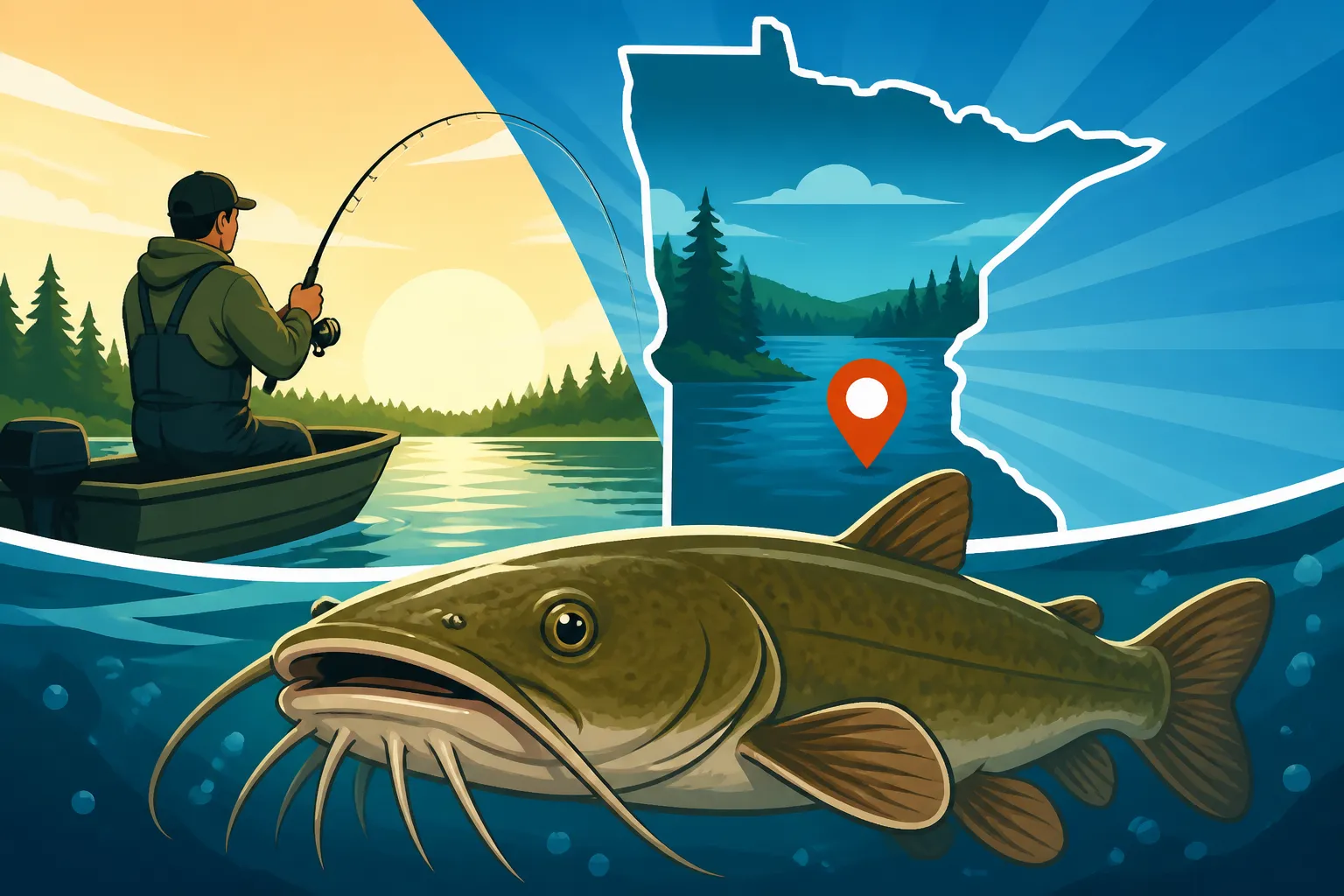
If you've ever dreamt of battling a true river monster, then targeting Flathead Catfish in Minnesota is likely on your bucket list. These colossal, olive-skinned bruisers are notorious for their brute strength and elusive nature, leading many anglers to wonder where in our vast water system they even exist. Finding these whiskered giants isn't always easy, but with the right knowledge of their preferred haunts and habits, you can significantly increase your chances of landing one. This guide is your deep dive into the prime locations and tactics for successfully tracking down Minnesota's incredible Flathead Catfish.
Understanding Flathead Catfish Habitat in Minnesota
Flathead catfish, often called "flatheads" or "river cats," are a species that truly loves to settle into specific types of aquatic real estate. Unlike their more adaptable Channel Catfish cousins, flatheads are quite particular about their environment. They thrive in large river systems with strong currents, deep pools, and plenty of underwater structure to call home. If you're looking for these fish, you need to think like a flathead – where would a big, ambush predator hide?
Preferred River Characteristics
Flatheads aren't just looking for any old river; they have a distinct preference. They gravitate towards larger, slow-moving to moderately flowing rivers that offer a mix of deep holes, strong current breaks, and abundant woody debris. Think about the characteristics of rivers like the Mississippi, St. Croix, and Minnesota Rivers. These waterways often feature vast stretches of main channel that drop into significant depths, offering a comfortable thermal refuge during colder periods and an ambush point for unsuspecting prey.
What makes these spots so appealing? Firstly, the current plays a vital role in their hunting strategy. Flatheads are ambush predators, often lying in wait in slack water just out of the main current, ready to pounce on baitfish or other prey swept by. Secondly, the presence of stable, complex structure is non-negotiable for these fish. We're talking about massive log jams, submerged trees, old bridge pilings, rock piles, and deep scour holes. These aren't just hiding spots; they are their homes, their hunting grounds, and their safe havens. They offer protection from strong currents, concealment from prey, and security from predators (though adult flatheads have few natural predators other than us!). Without this kind of complex underwater real estate, you're unlikely to find consistent populations of flatheads.
Identifying Prime Holding Lies
Once you've identified a promising river, the next step is to pinpoint the specific "holding lies" where flatheads congregate. This requires a keen eye for subtle changes in the river's topography and understanding how current interacts with structure. Think about areas where the river bottom changes dramatically, or where obstacles create eddies and current breaks.
The most productive areas are often associated with:
- Deep Holes and Scour Pockets: Look for sudden drops in depth, especially downstream of bends, bridge pilings, or wing dams. The current often carves out these depressions, and flatheads will settle into them, enjoying the deeper, cooler water.
- Log Jams and Woody Debris: These are absolute magnets for flatheads. Submerged trees, brush piles, and fallen timber provide incredible cover and create complex current patterns. Flatheads will often lie directly within these snags, waiting for food to drift by. Approaching these spots with caution is key, as they are notorious for snagging lines, but the reward can be immense.
- Rock Piles and Riprap: While less common than wood in some Minnesota rivers, large rock formations or riprap along banks can create current breaks and deep pockets that flatheads will utilize.
- Channel Bends and Outside Seams: The outside bends of rivers are typically deeper due to erosion, and the associated current changes create perfect ambush points. Flatheads will position themselves on the deeper, slower-moving side of the current seam, facing upstream.
Using a good mapping app on your phone or a boat's fish finder can be invaluable here. Features like depth contours and underwater imagery can help you identify these prime spots before you even make a cast. Remember, these fish are largely nocturnal, so while you can catch them during the day, the best bite often happens from dusk till dawn.
Top Rivers for Flathead Catfish in Minnesota
Minnesota is blessed with incredible river systems, and several stand out as prime destinations for those seeking to tangle with a monster flathead. These rivers offer the ideal combination of habitat, forage, and depth to support healthy populations of these impressive fish.
The Mighty Mississippi River System
The Mississippi River, the legendary "Father of Waters," is undoubtedly Minnesota's premier destination for flathead catfish. From its journey through the Twin Cities metro area all the way down to the state's southern border, the Mississippi offers countless opportunities. The sheer size and complexity of the river, with its navigation pools, wing dams, deep channels, and vast amounts of woody debris, create an unparalleled environment for flatheads to thrive.
Specific stretches, particularly the navigation pools below the locks and dams, are renowned hotspots. For instance, sections of the Mississippi near cities like Red Wing, Lake City, and Winona, offer consistent action. Anglers frequently target the deep scour holes below dams, the intricate log jams along outside bends, and the calmer waters behind wing dams. These structures not only concentrate baitfish but also provide crucial current breaks where flatheads can conserve energy while waiting to ambush prey. Many local tackle shops near these river towns will even tell you about specific holes or snags that consistently produce big fish. When navigating these waters, make sure your boat is equipped for strong currents and potential hazards. If you're looking for more general information on fishing this iconic river, check out our guide on Mississippi River Pool Fishing in Minnesota.
St. Croix and Minnesota River Hotspots
While the Mississippi often gets the most fanfare, its major tributaries, the St. Croix River and the Minnesota River, are also fantastic flathead fisheries. These rivers share many of the same characteristics that flatheads love: deep channels, abundant timber, and significant current.
The St. Croix River, especially the lower stretches from Stillwater south to its confluence with the Mississippi, is a truly special fishery. Known for its scenic beauty, the St. Croix also boasts a healthy population of large flatheads. Look for fish around the numerous deep holes, submerged rock formations, and particularly any large log jams that collect in wider sections of the river. The St. Croix's relatively clear water in some areas can make flatheads a bit more wary during daylight, but they become highly active under the cover of darkness.
The Minnesota River is another significant contributor to Minnesota's flathead scene. While often muddier than the St. Croix, especially after heavy rains, its nutrient-rich waters support an enormous forage base. From Mankato downstream to where it joins the Mississippi near Fort Snelling, the Minnesota River has a strong flathead presence. Focus your efforts on the deeper bends, undercut banks, and large fallen trees. Access can sometimes be more challenging on the Minnesota River due to its fluctuating water levels and dense riparian vegetation, but those willing to explore can find truly isolated and productive spots. For a broader overview of fishing these major waterways, take a look at our Minnesota River Fishing: Mississippi, Minnesota & St. Croix article.
Lesser-Known Tributaries and Border Waters
Beyond the big three, there are other rivers and even some border waters that hold flathead potential. While perhaps not as renowned for trophy fish as the Mississippi, they can offer more intimate fishing experiences and less pressure.
Smaller tributaries feeding into the Mississippi, St. Croix, and Minnesota Rivers can sometimes hold migrating flatheads, especially during spawning periods or when seeking new territories. While not typically "destination" flathead fisheries, a careful study of maps and local knowledge might reveal a hidden gem. These smaller systems often require a different approach, perhaps focusing on narrower channels and even smaller-scale woody debris.
For those adventurous enough, Minnesota's border waters with states like Wisconsin can also offer unique opportunities. For example, some stretches of the St. Croix River also serve as a border water, and understanding Border Water Fishing Rules (Minnesota-Ontario, Wisconsin) is crucial here. Always check the regulations for both states when fishing these shared waters, as limits and seasons can vary.
Here's a quick comparison of some prime Minnesota flathead waters:
| River System | Primary Characteristics for Flatheads | Best Access Points | Key Strategies |
|---|---|---|---|
| Mississippi River | Abundant deep holes, wing dams, massive log jams, strong current. | Numerous public boat launches in major cities (e.g., Red Wing, Winona, St. Paul). | Anchor upstream of structure, fish live bait on bottom. Night fishing is prime. |
| St. Croix River | Deep pools, submerged rock, large timber, generally clearer water. | Public launches in Stillwater, Prescott, Bayport. | Target deep bends, log jams. Consider quieter approaches due to clearer water. |
| Minnesota River | Muddy, nutrient-rich, deep bends, undercut banks, fallen trees. | Access points near Mankato, Belle Plaine, Jordan, Fort Snelling. | Fish after rain when water is colored. Heavy tackle for snags. |
Tactics for Catching Minnesota Flatheads
Landing a flathead catfish is a true test of an angler's patience and preparation. These fish aren't usually caught by accident; they require specific baits, robust gear, and a solid understanding of their feeding behavior.
Best Baits and Rigging
Flathead catfish are obligate carnivores, meaning they prefer live bait. While a hungry flathead might occasionally hit a cut bait, your chances skyrocket when using fresh, lively fish. Forget the stink baits and cheese balls – those are for Channel Cats. Flatheads are predators, and they want something swimming.
The absolute best baits for Minnesota flatheads include:
- Live Sucker Minnows: These are often considered the gold standard. A 6-10 inch sucker is perfectly sized for a hungry flathead.
- Live Chubs: Similar to suckers, chubs are hardy and attractive to flatheads.
- Live Bullheads: Small bullheads (4-7 inches) are extremely tough and a natural food source for flatheads. Just be careful with their spines!
- Live Sunfish/Crappie: Where legal, these panfish can be excellent bait. Always check local regulations, as using game fish as bait is often restricted or illegal.
When it comes to rigging, simplicity and strength are key. A basic "Carolina Rig" or "Santee Cooper Rig" is often the most effective. This involves a heavy sinker (3-8 ounces, depending on current) above a swivel, then a short leader (12-24 inches) of heavy monofilament or fluorocarbon line (50-80 lb test) tied to a large, strong circle hook (8/0-10/0). Circle hooks are crucial because they typically hook the fish in the corner of the mouth, minimizing deep hooking and making catch and release much easier. You can find excellent selections of these hooks and heavy-duty line on Amazon.
Essential Gear for Flathead Fishing
You wouldn't bring a knife to a gunfight, and you shouldn't bring ultralight tackle to a flathead fight. These fish are incredibly powerful, known for their bulldogging runs and their uncanny ability to find every snag in the river.
Your gear needs to be robust:
- Rods: Look for heavy to extra-heavy power baitcasting rods, typically 7 to 9 feet in length. A sturdy backbone is essential for setting the hook in tough mouths and turning big fish away from snags. Brands like Ugly Stik and Berkley offer excellent, durable options that won't break the bank.
- Reels: A high-quality baitcasting reel with a strong drag system and ample line capacity is a must. Reels designed for saltwater applications or muskie fishing often cross over well for flatheads. Make sure it can hold at least 200 yards of 60-80 lb braided line. Look for models from brands like Abu Garcia, Penn, or Shimano.
- Line: Braided line is king for flatheads. Its lack of stretch provides excellent sensitivity, allowing you to feel subtle bites in strong current, and its superior strength and abrasion resistance are invaluable when fishing around heavy cover. Use 60-80 lb test braid for your main line. A heavy monofilament or fluorocarbon leader (50-80 lb) helps with abrasion resistance near the hook and can be a bit more forgiving if the fish tries to bury itself in structure.
- Accessories: Don't forget a sturdy rod holder to keep your rods secure while waiting for a bite. A large, robust landing net (or heavy-duty lip grippers if you're experienced) is essential for safely landing and handling these heavy fish. You'll also need a good headlamp for night fishing, as many flatheads are caught after dark. A multi-tool from brands like Leatherman or Gerber, readily available on Amazon, can also be a lifesaver for cutting line or adjusting rigs in the dark.
For those just starting out and looking to build their arsenal, our guide on Best Fishing Gear for Beginners in Minnesota might offer some good foundational advice, though flathead gear is usually a step up in strength.
Regulations and Conservation for Flathead Catfish
Minnesota's Department of Natural Resources (DNR) manages our fisheries to ensure healthy populations for future generations. Understanding and adhering to the specific regulations for Flathead Catfish is not just about avoiding fines; it's about responsible angling and conservation.
Current Limits and Seasons
Flathead catfish regulations can vary by body of water and change annually, so it's absolutely critical to consult the most current Minnesota Fishing Regulations handbook or the DNR website before you head out. Generally, Flathead Catfish are part of the "catfish" species group, but they often have distinct limits compared to Channel Catfish, which are typically much more abundant.
For instance, in many waters, the statewide aggregate limit for catfish (Channel and Flathead combined) might be 10, but the Flathead Catfish specific limit could be much lower, often only 1 or 2 fish in possession, and sometimes with a minimum or maximum size restriction. This is because flatheads are slower growing and longer-lived than channel cats, making them more vulnerable to overharvest. There isn't a specific "season opener" for Flathead Catfish like there is for walleye, but fishing effort often peaks in summer when water temperatures are warm and they are most active. For a general overview of fishing seasons, you can check out Minnesota Fishing Seasons & Opener Dates (2026). Always verify the specifics for your target river.
Practicing Responsible Catch and Release
Because of their slower growth rates and the desire to maintain trophy fisheries, practicing responsible catch and release for Flathead Catfish, especially the larger ones, is highly encouraged. A flathead in the 30-pound range could easily be 20-30 years old, and a 50-pounder could be well over 40! These are truly ancient fish, and letting them go to breed and provide future angling opportunities is a noble act.
Here are some best practices for releasing flatheads:
- Minimize Fight Time: Use heavy gear to bring the fish in as quickly as possible, reducing exhaustion.
- Handle with Care: Keep the fish in the water as much as possible. If you must remove it for a quick photo, support its entire body horizontally, especially around the belly. Avoid hanging large fish vertically by the jaw, as this can damage internal organs.
- Use Circle Hooks: As mentioned, circle hooks significantly increase the chances of a lip hook, making removal easier and less traumatic for the fish.
- Revive the Fish: If the fish seems stressed or sluggish, hold it gently in the water, facing into the current, until it regains strength and can swim away under its own power.
- Avoid Overcrowding: If you're fishing a spot that's producing a lot of large fish, consider moving on once you've caught a few, allowing other fish to recover from the stress of being pressured.
Adhering to these practices ensures that the magnificent Flathead Catfish population in Minnesota remains robust for generations to come. For more detailed insights into general conservation, our article on Catch and Release Best Practices in Minnesota offers valuable advice applicable to all species. Learning how to properly identify your catch is also key; consult resources like Flathead vs Channel Catfish Identification to be sure of what you've landed.
Disclaimer
Fishing regulations, including seasons, limits, and specific rules for certain bodies of water, can change. Always consult the most current Minnesota Department of Natural Resources (DNR) fishing regulations handbook or their official website before you go fishing. This article provides general information and should not be considered a substitute for official regulations.