Minnesota Spearing License & Legal Species
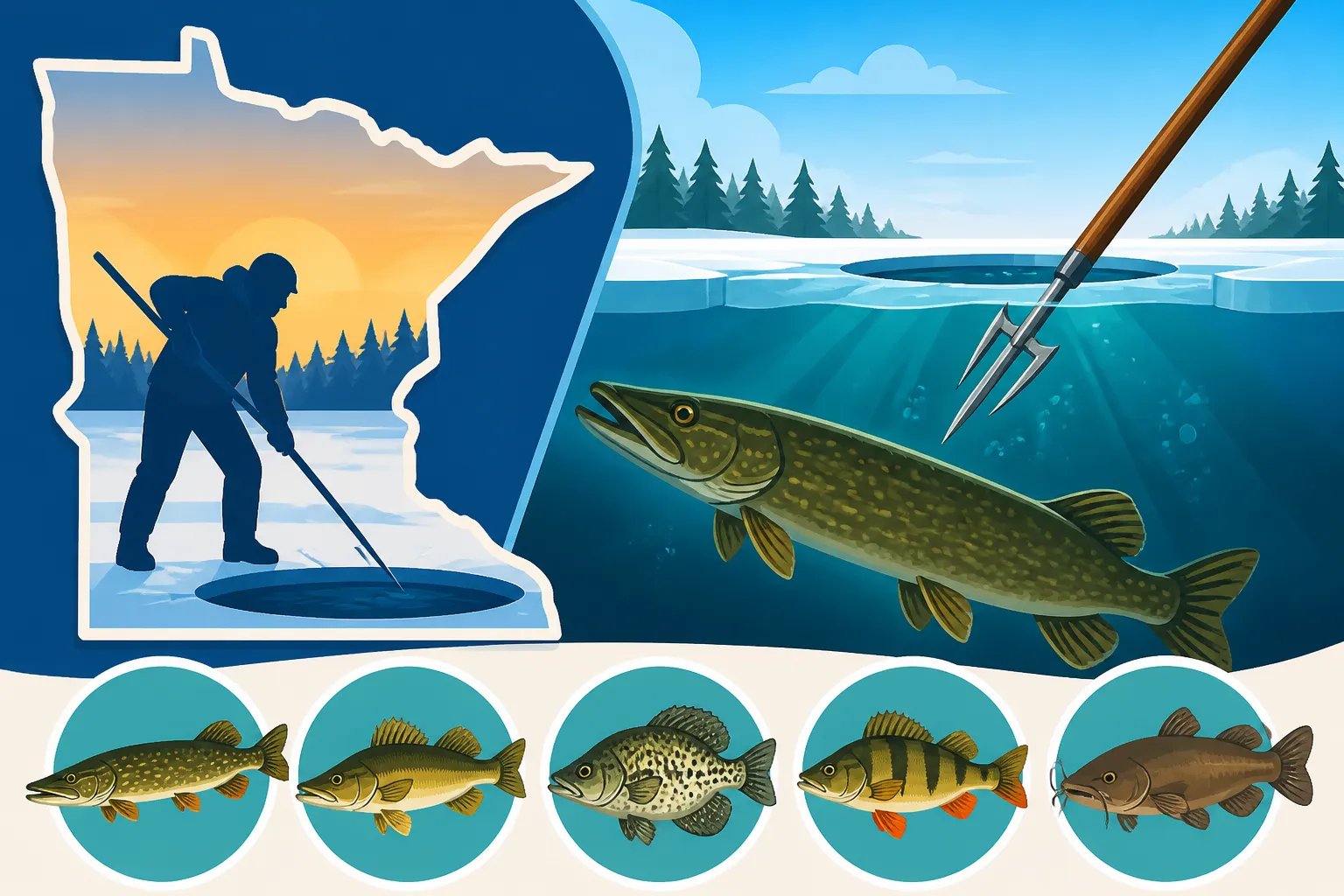
Oh, the crisp bite of a Minnesota winter, the silence of a dark house, and the thrill of spotting that massive northern pike gliding through the clear water below! Spearing is a time-honored tradition for many anglers in our great state, a truly unique way to connect with the ice and the fish beneath. But let's be real, trying to figure out all the specific rules and regulations around spearing can feel like trying to land a muskie on a panfish rod – confusing and a little overwhelming. It's not just about getting any old fishing license; spearing has its own set of requirements, specific species you can target, and detailed rules about how you can do it. This guide is going to walk you through everything you need to know about getting your Minnesota spearing license and understanding exactly which fish you can legally spear, so you can enjoy this incredible winter activity without a hitch.
Understanding Minnesota Spearing Licenses
Getting out on the ice with your spear is an experience like no other, but it's crucial to understand the foundational rules that govern this activity. It's not just a free-for-all; there are specific licenses and regulations designed to protect our fisheries and ensure sustainable practices for generations to come.
Who Needs a Spearing License?
First things first, let's clear up who exactly needs a spearing license. If you're planning to participate in dark house spearing for northern pike or other legal species in Minnesota, you absolutely need a valid spearing license. This isn't just a suggestion; it's a legal requirement. Think of it like this: your standard fishing license covers angling with a rod and reel, but spearing is a different method entirely, and as such, it requires its own specific endorsement. Even if you possess an annual angling license, that alone isn't enough to drop a spear. Every individual actively engaged in spearing, regardless of age, must have this separate license. The only real exception to the general fishing license requirement would be for very young children, typically under the age of 16, who might not need a general fishing license but would still fall under specific regulations if they were to spear. It’s always best to check the most current regulations for youth participation, as these can sometimes have special provisions.
Types of Spearing Licenses Available
When it comes to spearing, the Minnesota Department of Natural Resources (DNR) keeps things fairly straightforward. There isn't a complex hierarchy of spearing licenses based on duration or specific fish. What you'll typically be looking for is a Northern Pike Spearing License. This is the primary license that grants you the legal right to spear the designated species. It's important to remember that this spearing license is in addition to your regular annual angling license. You can't just buy a spearing license and go fishing with a rod and reel; you need both if you plan to do both activities. For residents and non-residents alike, the process for obtaining this specific license is similar, though the fees will differ, much like they do for a standard fishing license. There are no special "one-day" or "week-long" spearing licenses; it's generally an annual endorsement that runs concurrently with your regular angling license, expiring on the last day of February each year. This means if you buy your spearing license in January, it's good until the end of February of the next year, covering a full spearing season.
General Fishing License Requirements for Spearing
It's a common point of confusion, so let's be crystal clear: to spear in Minnesota, you must have both a valid annual Minnesota fishing license and the Northern Pike Spearing License. You can't have one without the other. This dual requirement ensures that all anglers, regardless of their preferred method of harvest, contribute to the conservation efforts of the state. Think of your general fishing license as your entry ticket to Minnesota's waters, allowing you to participate in angling activities. The spearing license is then your specialized pass for that particular method. If you've just purchased your regular fishing license, you can easily add the spearing endorsement at the same time or later on. This setup also means that if you're exploring options like a Minnesota Fishing License: Cost, Types & How to Buy (2026) or checking into Nonresident Fishing in Minnesota: Licenses & Rules, you'll need to account for both the base angling license fee and the spearing license fee. Failing to have both in your possession while spearing can lead to hefty fines and penalties, and trust me, no one wants their ice fishing adventure interrupted by a conservation officer with a citation! Always carry both digital or physical copies with you.
How to Obtain Your Minnesota Spearing License
Alright, you're convinced and ready to get your spearing license. The good news is that the Minnesota DNR has made the process pretty straightforward and accessible, whether you're a tech-savvy angler or prefer a more traditional approach.
Online Purchase Options
For many of us, the easiest way to handle licenses these days is right from the comfort of our homes, often with a cup of coffee in hand. The Minnesota DNR offers a robust online licensing system that allows you to purchase your Northern Pike Spearing License, along with your general angling license, in just a few clicks. This system is available 24/7, which is incredibly convenient if you suddenly decide on a spur-of-the-moment ice fishing trip. You'll simply visit the DNR's licensing website, navigate to the fishing license section, and add the spearing endorsement to your cart. The site is secure, user-friendly, and will walk you through each step. Once purchased, you'll receive a confirmation email, and often, a temporary license you can print immediately or save to your phone. This digital flexibility is a huge plus, ensuring you can always prove you're legally compliant. If you've ever wondered How to Get a Minnesota Fishing License Online, the process for adding a spearing endorsement is practically identical.
In-Person Vendor Locations
While online purchasing is convenient, sometimes you just want to do things the old-fashioned way, or perhaps you need some last-minute bait and tackle and want to pick up your license at the same time. Thankfully, Minnesota has a wide network of authorized license vendors scattered across the state. These vendors include many bait shops, sporting goods stores, county auditors' offices, and even some large retailers. Places like your local Holiday Stationstores, Fleet Farm, or Mills Fleet Farm often have a dedicated counter for license sales. These locations are fantastic resources, as the staff are often knowledgeable about local regulations and can answer quick questions you might have about the upcoming season or Minnesota Fishing Seasons & Opener Dates (2026). It’s also a great way to support local businesses that cater to the angling community. Just bring your required identification, and they'll help you get squared away. Many anglers prefer this method because it's part of the pre-fishing ritual – picking up minnows, checking out new lures, and grabbing that essential license.
Required Information for Purchase
Whether you're buying online or in person, you'll need a few key pieces of information to secure your Minnesota spearing license. The primary requirement is proof of identity and residency. For Minnesota residents, this typically means a valid Minnesota driver's license or state ID card. Non-residents will need their equivalent state ID or driver's license. You'll also need your date of birth. For residents, the system will verify your residency status, which impacts the license fee. If you're purchasing in person, the vendor will enter this information into the DNR's system. Online, you'll input it yourself. It's a fairly standard process designed to ensure that licenses are issued correctly and that individuals meet the residency requirements for resident pricing. Don't forget, if you're planning on any other specialized fishing activities, like trout fishing in designated streams, you might also need a Minnesota Trout Stamp & Trout Regulations in addition to your general fishing and spearing licenses. Always make sure all your ducks are in a row before you head out!
Legal Fish Species for Spearing in Minnesota
This is where the rubber meets the road for spearing enthusiasts: knowing exactly which fish you can legally target. It's not a free-for-all; specific regulations are in place to manage fish populations and ensure the health of our aquatic ecosystems.
Northern Pike: The Primary Target
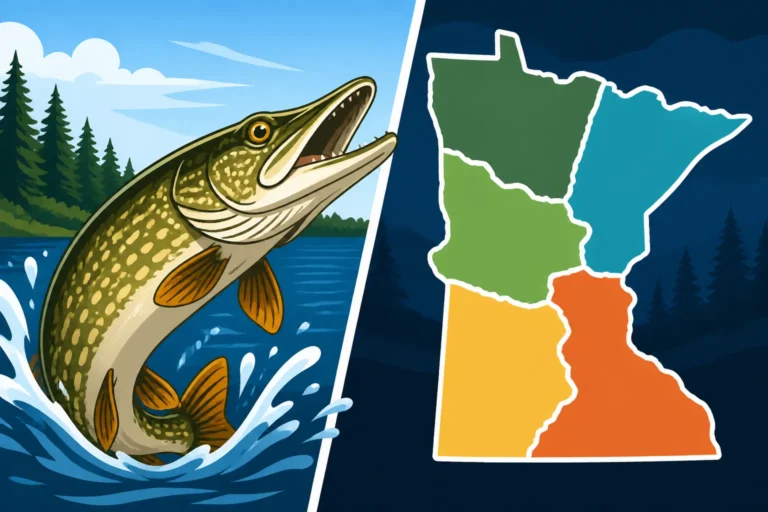
Without a doubt, the undisputed king of Minnesota spearing is the Northern Pike. These aggressive, toothy predators are the quintessential spearing target. Their predatory nature often brings them cruising through shallow, weedy bays, making them visible from a dark house. Spearing for northern pike is a thrilling experience, a test of patience and quick reflexes. You'll often see decoy fish used, or even live baitfish in a separate compartment, to entice a pike into view directly below your spearing hole. The adrenaline rush when a big pike glides into range is something every spearer lives for. However, just because they're the primary target doesn't mean there aren't rules. You need to be aware of Minnesota Northern Pike Limits by Zone, as these can vary depending on where you're spearing. The state is divided into three zones – North Central, Northeast, and Southern – each with different bag and possession limits, and sometimes even size restrictions for pike. Always consult the current regulations booklet or the DNR website for the specific lake you're targeting.
Other Permitted Species
While northern pike are the main event, they aren't the only species you can legally spear in Minnesota. However, the list is very limited. The Minnesota DNR regulations specifically state that rough fish may also be taken by spearing. "Rough fish" is a classification that includes species generally considered less desirable for sport fishing but are still part of the ecosystem. This category typically includes:
- Carp: Known for their large size and strength, carp can be a challenging and rewarding target for spearers. They often frequent shallow, muddy areas.
- Suckers: Various species of suckers, like common suckers, are also fair game.
- Buffalo: These large, carp-like fish are another rough fish species that can be legally speared.
- Bowfin (Dogfish): These ancient, hard-fighting fish are also on the list of legal spearing targets. They put up an incredible fight if you manage to snag one with a spear.
It's absolutely critical to be able to positively identify these species. Mistaking a game fish, such as a walleye or a bass, for a rough fish can lead to severe penalties. Rough fish often congregate in areas that might not be prime northern pike habitat, so if you're specifically targeting them, you might choose different locations or depths. Being able to correctly identify fish under varying light conditions through a spearing hole takes practice and a good understanding of fish anatomy.
Prohibited Species for Spearing
Just as important as knowing what you can spear is knowing what you cannot spear. The list of prohibited species for spearing is extensive and essentially includes almost all game fish other than northern pike. This is a crucial conservation measure to protect vulnerable populations and ensure fair chase principles for other angling methods. You absolutely cannot spear:
- Walleye: Minnesota's state fish, and arguably its most prized game fish, is strictly off-limits to spearers.
- Bass: Both smallmouth and largemouth bass cannot be speared.
- Muskellunge (Muskie): The "fish of 10,000 casts" is protected and cannot be speared.
- Trout (all species): This includes stream trout, lake trout, and steelhead.
- Crappie, Sunfish, Perch (Panfish): These popular panfish are also illegal to spear.
- Lake Sturgeon: Highly protected and managed, these ancient fish cannot be speared.
Attempting to spear any of these prohibited species, even by accident, can result in significant legal trouble. If a prohibited species swims into your spearing hole, you must let it pass. No exceptions. This is why having a clear understanding of Minnesota Fish Species: Identification Guide is so vital for spearing. The DNR takes these regulations very seriously, and ignorance is not a valid excuse. Always err on the side of caution.
Here’s a quick overview of legal spearing targets:
| Fish Species | Legal for Spearing? | Notes |
|---|---|---|
| Northern Pike | Yes | Primary target, subject to zone-specific limits. |
| Carp | Yes | Considered a rough fish, no bag limit. |
| Suckers | Yes | Considered a rough fish, no bag limit. |
| Buffalo | Yes | Considered a rough fish, no bag limit. |
| Bowfin (Dogfish) | Yes | Considered a rough fish, no bag limit. |
| Walleye | No | Strictly prohibited. |
| Smallmouth Bass | No | Strictly prohibited. |
| Largemouth Bass | No | Strictly prohibited. |
| Muskie | No | Strictly prohibited. |
| Crappie | No | Strictly prohibited. |
| Sunfish | No | Strictly prohibited. |
| Yellow Perch | No | Strictly prohibited. |
| Lake Trout | No | Strictly prohibited. |
| Stream Trout | No | Strictly prohibited. |
| Lake Sturgeon | No | Strictly prohibited. |
| Catfish | No | Strictly prohibited. |
Navigating Minnesota's Dark House Spearing Regulations
Spearing in Minnesota isn't just about the license and the fish; it's also about the unique environment in which it typically takes place: the dark house. These specialized shelters create the perfect conditions for spotting fish, but they also come with their own set of rules.
Dark House & Shelter Rules
Dark houses are specifically designed to block out sunlight, allowing the spearer to clearly see into the water below a large hole cut in the ice. Because these shelters are often left on the ice for extended periods, they fall under particular regulations, especially concerning their placement and removal. First, all dark houses, like any ice fishing shelter, must be licensed and display the license number on the exterior. This license is generally included with your spearing license purchase. The rules around Minnesota Ice Fishing & Shelter Rules are quite extensive, covering everything from identification to overall dimensions. Dark houses often have a maximum size limit to ensure public safety and ease of removal. You can't just build a small cabin on the ice! There are also critical deadlines for removing ice shelters, which vary by zone in Minnesota. For instance, in the southern two-thirds of the state, shelters must typically be removed by mid-March, while northern zones have a later deadline, usually the end of March. Missing these deadlines can result in fines and the cost of having the DNR remove your shelter, so always be aware of the Ice Shelter Removal Deadlines in Minnesota.
Equipment Restrictions
When it comes to the actual equipment you use for spearing, the regulations are fairly straightforward but important. The spear itself must adhere to certain specifications. While there isn't usually a strict maximum length for a spear handle, the number of tines (or points) on your spear might be regulated. Typically, multiple-tined spears are allowed, but it's always good practice to double-check the current regulations, as rules can occasionally change or be interpreted differently by local conservation officers. Decoys, whether artificial or live, are also part of the spearing setup. Artificial decoys, often shaped and painted to resemble baitfish, are perfectly legal and widely used to attract pike. If you're using live baitfish as a decoy (usually in a separate, contained compartment so they don't escape into the lake), you need to be aware of regulations regarding the type and size of baitfish allowed. Using illegal bait or bait that could introduce aquatic invasive species (AIS) is a serious offense. Remember, you can only use one spearing hole per licensed spearer. You also cannot fish with a rod and reel in the same dark house at the same time you are actively spearing. It’s either one method or the other. This differs from general ice fishing, where you might be allowed to use How Many Lines Can You Fish in Minnesota? concurrently.
Spearing Zones and Lake-Specific Rules
Minnesota is a vast state with thousands of lakes, and while many regulations are statewide, some critical ones are lake-specific or zone-specific. As mentioned earlier, northern pike limits are divided into three management zones. These zones don't just affect bag limits; they can also sometimes influence season dates or other unique restrictions. It's imperative to consult the Minnesota DNR Fishing Regulations booklet every year, or check the DNR website, for specific lake rules. For instance, a lake that is primarily managed for muskie might have different rules regarding dark house placement or even specific closures. Some lakes might have experimental regulations or special permits required for spearing. When planning your spearing trip, always verify the specific regulations for your chosen body of water. Relying on outdated information or hearsay from a buddy could lead to unknowingly breaking the law. A good rule of thumb is to look up the regulations for your specific lake by name, not just the general zone.
Spearing Limits and Catch Reporting
Understanding the how and where of spearing is one thing, but knowing how many fish you can keep and if you need to report them is just as critical for responsible angling.
Daily Bag and Possession Limits
Minnesota has very strict bag and possession limits for all fish species, and northern pike taken by spearing are no exception. The daily bag limit is the maximum number of fish you can keep in one day. The possession limit is the maximum number of fish you can have on your person, in your vehicle, or stored at your home, regardless of how many days you've fished. For northern pike, these limits are often intertwined with the zone regulations we discussed earlier. For example, in the North Central zone, the daily bag limit might be 10 pike, with no more than two over 24 inches, and all pike from 17-24 inches must be immediately released. The possession limit is usually the same as the daily bag limit unless otherwise specified.
It is absolutely crucial to know the specific Minnesota Fishing Limits: Bag & Possession (2026) for northern pike in the zone you are fishing. These limits are designed to maintain healthy fish populations and prevent overharvesting. Exceeding these limits is a serious offense. When you're out on the ice, make sure everyone in your group understands these numbers. If you've been spearing for a few days and have a cooler full of pike at the cabin, you need to ensure that the total number does not exceed the possession limit for each licensed spearer in your party.
Mandatory Reporting and Tagging
Unlike some other fish species where mandatory reporting is not required unless you catch a state record, northern pike taken by spearing generally do not require individual tagging or immediate reporting to the DNR. However, this doesn't mean you're off the hook for all record-keeping. It's always a good idea to keep track of your catch, both for personal records and in case a conservation officer asks. The larger management of northern pike populations is handled through creel surveys and general license sales data.
That being said, there are exceptions. If you manage to spear an exceptionally large northern pike – one that might be considered for a "trophy fish" program or even a state record – then there will be specific reporting and verification procedures you'll need to follow. These usually involve official weighing, measuring, and verification by a DNR representative. Always consult the regulations for any special requirements regarding exceptionally large fish. The key takeaway here is to manage your harvest responsibly within the established bag and possession limits.
Ethical Spearing Practices
Beyond the letter of the law, there's a strong emphasis on ethical spearing practices in Minnesota. This isn't just about legality; it's about sportsmanship and respect for the resource.
- Positive Identification: Only spear fish you can positively identify as a legal species. If there's any doubt, let it swim away. Accidentally spearing a protected walleye, for example, comes with severe consequences.
- Clean Harvest: Aim for a clean, swift kill. A well-placed spear ensures the fish doesn't suffer unnecessarily. Practice your aim if you're new to it.
- Respect for Others: Be mindful of other anglers on the ice. While dark houses offer privacy, noise travels, and courtesy goes a long way. Also, be aware of where your dark house is placed relative to other shelters or known fishing spots.
- Leave No Trace: Pack out everything you pack in. This includes all trash, broken decoys, and any fish remains. Our lakes are precious, and leaving garbage behind spoils the experience for everyone and can be harmful to wildlife.
- Fish Disposal: If you choose to keep your legal catch, ensure proper handling and disposal of entrails. Never just toss them out on the ice or in a public access area. Dispose of them properly at home or in designated waste receptacles. Adhering to these unwritten rules ensures the long-term health and enjoyment of Minnesota's spearing tradition.
Avoiding Violations: Penalties and Enforcement
No one wants their day on the ice ruined by a run-in with law enforcement. Understanding potential pitfalls and the consequences of violating spearing regulations is just as important as knowing the rules themselves.
Common Spearing Violations
Many spearing violations stem from a lack of awareness or simply trying to bend the rules. Here are some of the most common offenses that get spearers into trouble:
- Fishing without the proper license(s): This is perhaps the most frequent violation. Remember, you need both a general Minnesota fishing license and a Northern Pike Spearing License. Don't forget your Do You Need a License to Ice Fish in Minnesota?
- Exceeding bag or possession limits: Keeping more northern pike than allowed by the zone-specific regulations is a serious offense. This often happens when groups combine their catches without fully understanding the individual limits.
- Spearing prohibited species: Mistakenly (or intentionally) spearing a game fish like a walleye or bass is a major violation and can lead to significant fines and loss of privileges.
- Failing to remove ice shelters by the deadline: Leaving your dark house on the ice past the specified removal date is not only illegal but also creates hazards for other lake users and the environment.
- Using illegal equipment or methods: This could include using more than one spearing hole, having a rod and reel in the water while actively spearing in the same shelter, or using illegal bait.
- No identification on ice shelter: All shelters left unattended on the ice must display the owner's name and address or DNR license number. This is vital for accountability and safety.
Consequences of Non-Compliance
The penalties for spearing violations can range from monetary fines to loss of fishing privileges, and in severe cases, even jail time. The severity often depends on the nature of the offense, the species involved, and whether it's a first-time or repeat offense.
- Fines: Even minor infractions can result in significant fines, often several hundred dollars. For example, keeping an over-limit fish or spearing a prohibited species can lead to fines of $100 or more per fish, plus court costs.
- Restitution: In cases of illegally harvested game fish, you may be required to pay restitution to the state for the value of the fish. This can be substantial for species like walleye or muskie.
- License Revocation/Suspension: One of the most impactful penalties for an avid angler is the suspension or revocation of your fishing and spearing privileges. This means you could be legally barred from all fishing activities in Minnesota for a period, sometimes years.
- Equipment Confiscation: In some serious cases, your spearing equipment, and even your ice shelter, could be seized by enforcement officers.
- Criminal Charges: For very serious or repeat offenses, you could face criminal misdemeanor charges, which come with even higher fines, potential jail time, and a criminal record.
These consequences are not to be taken lightly. They exist to deter illegal activity and protect Minnesota's precious natural resources. It's far better to spend a few extra minutes reviewing the Minnesota Fishing Regulations PDF: Where to Find It than to face these kinds of repercussions.
Enforcement by the Minnesota DNR
The Minnesota DNR's Conservation Officers are the front line of enforcement for fishing and spearing regulations. These officers are highly trained and dedicated to protecting the state's natural resources. They patrol lakes, rivers, and access points, both on and off the ice, throughout the year. They have the authority to check licenses, inspect catches, and ensure compliance with all regulations. Their presence is not meant to be a nuisance but rather a deterrent to illegal activities and a resource for educating anglers. If a Conservation Officer approaches you, be courteous, cooperative, and have your licenses and any harvested fish readily available for inspection. They are there to do a job, and respect goes a long way. They often know the lakes intimately and can spot unusual activity or violations quickly. Ultimately, understanding and respecting the rules helps ensure that spearing remains a vibrant and sustainable tradition in Minnesota for everyone to enjoy.
Disclaimer
Please remember that fishing regulations, including those for spearing, can change. While this guide provides comprehensive information, it is crucial to always consult the official Minnesota Department of Natural Resources (DNR) website or the current year's printed fishing regulations booklet for the most up-to-date and authoritative rules before heading out on the ice. This article is for informational purposes only and should not be considered legal advice.