Do You Need a License to Ice Fish in Minnesota?
One of the most common frustrations for folks headed out to a frozen lake is the nagging uncertainty about whether ice fishing follows the same legal playbook as summer angling. Whether you are a local heading to a buddy’s wheelhouse or a visitor trying your luck for the first time, this guide settles exactly when you need a license to ice fish in Minnesota.
The General Rule for Minnesota Ice Fishing Licenses
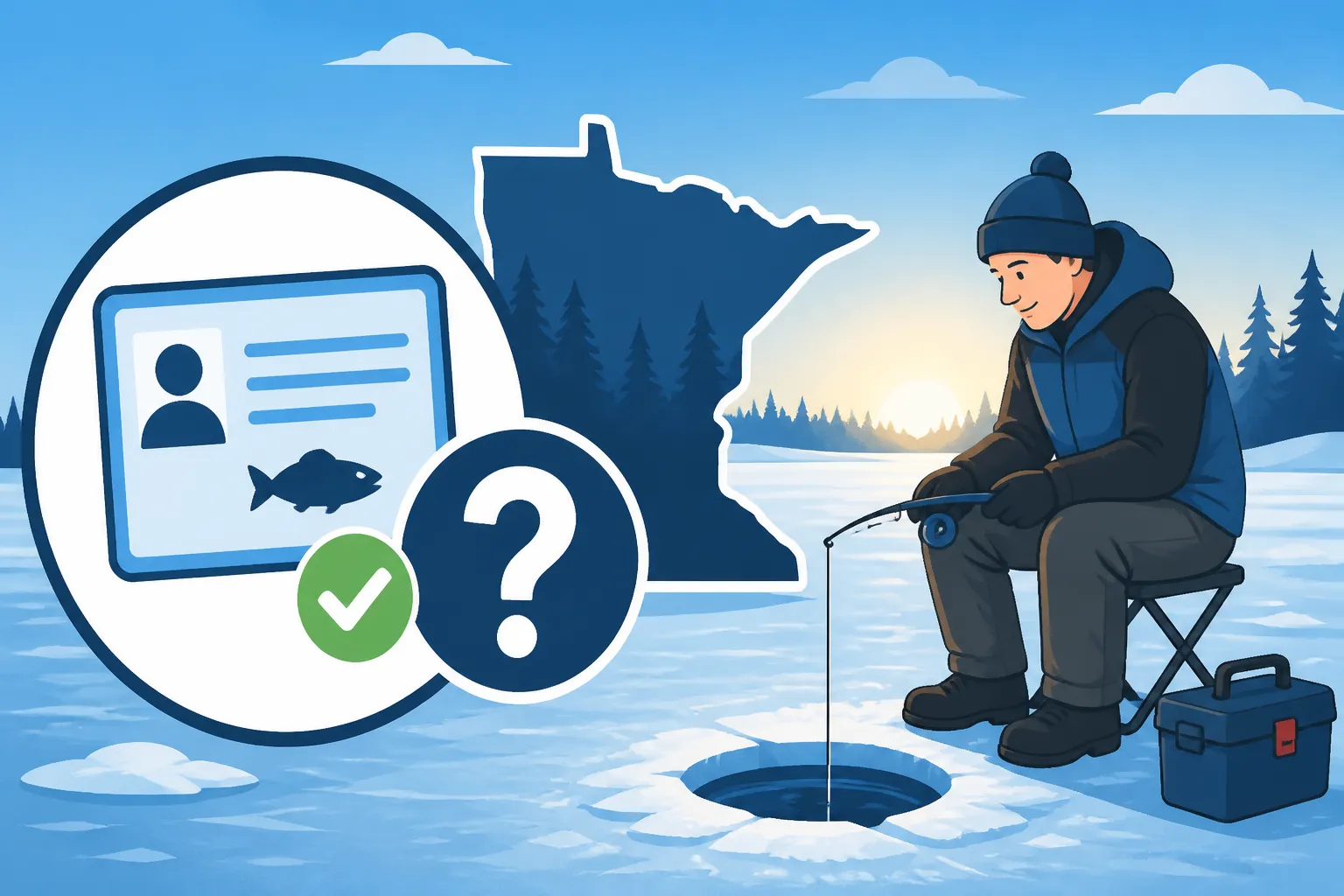
If you are planning to drop a line through a hole in the ice anywhere in the state of Minnesota, the short answer is almost always yes, you need a valid fishing license. In the eyes of the Minnesota Department of Natural Resources (DNR), there is no legal distinction between "fishing" and "ice fishing" when it comes to the requirement of a license. The water might be solid enough to drive a truck on, but the fish underneath are still a public resource that requires management and funding through licensing fees.
It is a common misconception that because you aren't using a boat or because you’re "just helping a friend," you might be able to slide by without one. However, the moment you participate in the act of fishing—which includes everything from jigging a rod to monitoring a tip-up—you are legally required to have a license on your person. This applies to both residents and non-residents, though the specific types of licenses available to each group differ significantly.
One of the biggest "gotchas" for ice anglers is the timing of the Minnesota license year. Licenses in Minnesota run from March 1st through the last day of February the following year. This means that if you bought a license for the summer opener in May, it will expire right in the middle of the ice fishing season. It is incredibly frustrating to be sitting in a warm fish house on March 1st only to realize your credentials expired at midnight. Always double-check your current status before heading out for late-winter lakers or walleye. For more specifics on pricing and validity periods, check out Minnesota Fishing License: Cost, Types & How to Buy (2026).
Resident vs Nonresident Requirements
If you have lived in Minnesota for at least 60 consecutive days and possess a valid MN driver's license or state ID, you qualify as a resident. For residents, the options are fairly straightforward, ranging from individual annual licenses to married couple licenses that offer a slight discount. Residents also have the option to choose between a conservation license or a full-limit license. If you aren't planning on keeping a full bag of fish, the Minnesota Conservation vs Regular License can be a budget-friendly way to stay legal while supporting conservation efforts.
Non-residents face a different set of rules and higher price points. While a resident might find the annual fee quite reasonable, a visitor from out of state has to decide between short-term options like a 24-hour, 72-hour, or 7-day license, or a full annual nonresident license. This can be particularly confusing for families visiting from Wisconsin or the Dakotas. If you're bringing the whole family from out of state, it’s worth looking into whether Nonresident Fishing in Minnesota: Licenses & Rules offers a better path for your specific trip duration.
Age-Based Exceptions and Special Rules
There are a few scenarios where you might not need a license at all. In Minnesota, residents under the age of 16 do not need a fishing license. This is a fantastic way to get kids involved in the sport without an initial financial barrier. However, they must still follow all bag limits and regulations. If you are a non-resident, the rules for youth are a bit more nuanced depending on whether they are fishing with a licensed adult. You can find the deep dive on these specifics in our guide on Minnesota Fishing License for Kids & Youth.
Similarly, residents who are 65 or older still need a license, but they are eligible for a reduced-fee senior license. This is a point of confusion for many who believe that reaching "senior status" grants a free pass. While the discount is helpful, the requirement to carry the document remains. For a full breakdown of what is required as you get older, see our article on Do Seniors Need a Fishing License in Minnesota?.
Types of Licenses and Costs for Ice Fishing
Understanding the cost structure is vital because nobody wants to overpay, but everyone wants to avoid a fine. The DNR uses these funds for habitat restoration, fish stocking, and maintaining public access points. For an ice angler, the choice usually comes down to how many days you plan to be on the ice and how many fish you intend to fry up for dinner.
The following table outlines the most common license types you'll encounter during the 2025-2026 ice fishing season:
| License Type | Resident Cost | Non-Resident Cost | Best For… |
|---|---|---|---|
| Annual Individual | ~$25.00 | ~$51.00 | Regular weekend warriors |
| Annual Married Couple | ~$35.00 | ~$68.00 | Couples who fish together |
| 72-Hour (3 Day) | N/A | ~$36.00 | Weekend trips or visitors |
| 24-Hour (1 Day) | ~$12.00 | ~$14.00 | One-off trips or "trying it out" |
| Conservation (Annual) | ~$17.00 | N/A | Catch-and-release focused anglers |
Daily vs Annual Licenses
Choosing between a daily and an annual license is a math game. If you plan on heading out to the ice more than twice a year, the annual license almost always pays for itself. For residents, the peace of mind knowing you are covered from the first freeze in December through the slushy days of February is worth the extra ten dollars or so compared to a one-day pass.
For non-residents, the decision is a bit tougher. A 72-hour license is a popular choice for those coming up for a long weekend on Mille Lacs or Lake of the Woods. It’s important to note that the "24-hour" or "72-hour" clock starts at the specific time you choose when purchasing, not necessarily at midnight. This allows you to maximize your fishing time if you arrive at the lake in the afternoon. If you find yourself wondering about the total investment needed for a season, you can see a more detailed list at How Much Is a Minnesota Fishing License?.
The Conservation License Option
The conservation license is a unique Minnesota offering that many people overlook. It costs less than a regular license but comes with a catch: your possession limits are halved. For example, if the regular limit for walleye is four, a conservation license holder can only keep two. For many ice anglers who primarily enjoy the "sport" and perhaps one fresh meal, this is a great way to save money. However, if you are planning a massive fish fry or heading to a lake with high limits, stick with the regular license to avoid a situation where you are accidentally over your legal limit.
Special Permits and Shelter Requirements
Ice fishing in Minnesota involves more than just a rod and a license. Because we take our hard-water season so seriously, there are additional regulations regarding the structures we use to stay warm and the specific species we target. Failing to account for these can lead to an encounter with a Conservation Officer that ends in a hefty fine.
Ice House and Shelter Licenses
If you are using a portable pop-up shelter that you take with you at the end of the day, you generally do not need a separate license for the shelter itself. However, if you have a "hard house" or a wheelhouse that you intend to leave on the ice overnight or unoccupied, you must obtain an ice house license. This license comes in the form of a tag that must be clearly displayed on the exterior of the shelter.
There is often confusion about who needs this tag. If you are renting a house from a resort, the resort has already taken care of the shelter license. But if you own the house, you are responsible. This is a common pain point for new wheelhouse owners who don't realize that the trailer registration for the road is entirely separate from the DNR's requirement for the ice. To ensure you’re fully compliant with these specific rules, read our comprehensive guide on Minnesota Ice House License & Rules. Additionally, keep an eye on the calendar, as the state mandates specific Ice Shelter Removal Deadlines in Minnesota to ensure no debris is left on the lake bed during the spring thaw.
Species-Specific Stamps
Depending on where you are fishing and what you are targeting, your basic license might not be enough. The most common "extra" is the trout stamp. If you are fishing in a designated trout lake or a trout stream—even through the ice—you must have a valid trout stamp validated on your license. This applies even if you claim you aren't "targeting" trout but happen to be fishing in waters where they are the primary managed species.
The logic here is simple: trout management is expensive, and the stamp funds the hatcheries. For those heading to the BWCA or the deep lakes of the North Shore for lake trout, this is a non-negotiable part of your kit. You can find more details on which waters require this at Minnesota Trout Stamp & Trout Regulations. There are also specific rules for those looking to spear fish or target sturgeon, which require their own set of tags and seasons. For a broader look at all the ways you need to be legal, see the Minnesota Ice Fishing & Shelter Rules.
How and Where to Get Your License
Gone are the days when you had to track down a small-town bait shop with a paper ledger to get your license. While many bait shops still offer this service (and we highly recommend supporting them!), you have several modern options that are much more convenient when you're in a rush to hit the ice.
Online and Mobile Purchasing
The easiest way to get legal is through the Minnesota DNR’s online licensing system. You can purchase your license from your smartphone while sitting in the truck at the boat launch. Once purchased, you receive a digital copy. In Minnesota, you are legally allowed to show a digital image of your license on your phone to a Conservation Officer, though many veterans still prefer to print a hard copy and keep it in a waterproof bag just in case their phone battery dies in the sub-zero temperatures.
If you’re wondering about the exact steps to navigate the state's website, we have a step-by-step tutorial at How to Get a Minnesota Fishing License Online. It’s a relatively painless process, though you will need to provide your Social Security number the first time you register in the system—a requirement that catches many people off guard but is mandated by federal law for all state hunting and fishing licenses.
Retail Locations and Bait Shops
If you prefer the traditional route, hundreds of retail locations across the state—from large outfits like Cabela’s and Fleet Farm to local hardware stores and bait shops—can issue licenses. This is often the best route if you need to pick up a physical ice house tag or if you have specific questions about the local lake you’re about to fish.
Getting your license at a local bait shop also gives you the chance to ask the most important question: "What are they biting on?" These shop owners are the heartbeat of the fishing community and providing them with your business is a win-win. Just be aware that some smaller shops may charge a small convenience fee for processing the license. If you're out and about and need a quick fix, you might even wonder Can I Buy a Minnesota Fishing License at Walmart?. The answer is generally yes, provided their sporting goods counter is staffed.
Free Fishing Weekends
If you are still on the fence about whether you want to invest in a license, or if you want to take a friend who doesn't fish, keep an eye out for "Free Fishing Weekends." Minnesota typically hosts a few of these throughout the year where residents can fish without a license. During the winter, there is usually a weekend dedicated to "Take a Kid Ice Fishing," where adults can fish without a license if they are accompanied by a child under 16. This is a brilliant way to test the waters (literally) without any financial commitment. Make sure to check the Free Fishing Weekend 2026 Dates so you don't miss out on this opportunity.
Consequences of Fishing Without a License
It can be tempting to think that on a massive frozen lake like Mille Lacs or Leech Lake, the chances of seeing a Conservation Officer (CO) are slim. However, Minnesota COs are incredibly active during the ice season. They utilize snowmobiles, ATVs, and even airplanes to monitor activity. Being caught without a license is not just embarrassing; it’s expensive.
Fines for fishing without a license can vary by county but typically start around $150 to $200 plus court costs. Furthermore, any fish in your possession can be seized, and in some cases, your fishing gear can be confiscated as well. If you are a repeat offender or are caught with a significant over-limit of fish while unlicensed, the penalties can escalate into the thousands of dollars and the loss of your fishing privileges for several years. To understand the full scope of what’s at stake, check out our guide on What Happens If You Fish Without a License in Minnesota?.
Ultimately, the cost of a license is a tiny fraction of what we spend on rods, heaters, shacks, and electronics. It is the single most important piece of gear in your bucket. It keeps the lights on at the DNR, ensures our fish populations remain healthy for the next generation, and gives you the peace of mind to focus on what really matters: that next thump on the end of your line.
Disclaimer
This guide is intended for informational purposes only and does not constitute legal advice. While we strive to provide the most accurate and up-to-date information, fishing regulations in Minnesota are subject to change by the state legislature and the DNR at any time. Always consult the official Minnesota Fishing Regulations handbook or the DNR website before heading out on the ice to ensure you are in full compliance with current laws.