Is There a Walleye Stamp in Minnesota?
You are standing at the counter of a local bait shop in Brainerd or perhaps navigating the Minnesota Department of Natural Resources online licensing portal, and you see a line item that stops you in your tracks: the Walleye Stamp. If you are a lifelong Minnesota angler or a visitor planning a trip to Leech Lake, the confusion is real. You want to make sure you are 100% legal before you drop a line, but the rules can sometimes feel like they require a law degree to navigate. This guide solves the mystery of whether you actually need a walleye stamp and explains exactly how it impacts your time on the water.
Understanding the Minnesota Walleye Stamp
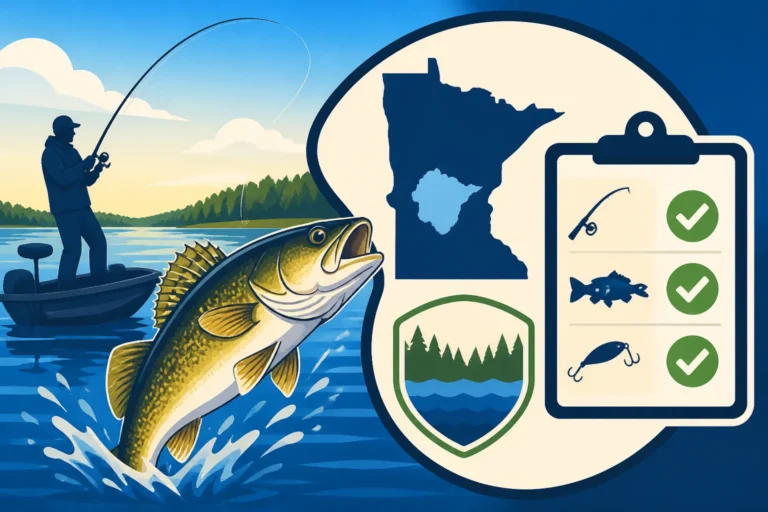
The most important thing to understand right out of the gate is that the Minnesota Walleye Stamp is technically a "voluntary validation." Unlike your standard angling license, which is a legal requirement for anyone 16 or older, the walleye stamp is an optional add-on. When you are going through the process of How to Get a Minnesota Fishing License Online or at a local retailer like Fleet Farm, the system will ask if you would like to add a Walleye Validation to your purchase.
Many people get nervous at this stage, thinking that if they don't buy it, they won't be allowed to keep a limit of walleye for a shore lunch. That is not the case. You do not need this stamp to legally catch, possess, or eat walleye in the state of Minnesota. It is essentially a structured donation program that allows the DNR to put more resources specifically into walleye-related projects. If you choose not to buy it, you can still fish for walleye just as you always have, provided you have your base license and are following the Minnesota Walleye Limit & Size Rules for the specific body of water you are on.
I’ve seen plenty of folks at the boat ramp get into heated debates about this. Some think it’s a "hidden tax," while others believe it’s the only way to save our fisheries. In reality, it is a tool for those who want to give a little extra back to the species that defines our state's fishing culture. It’s about 5 dollars that goes directly into a dedicated account, which we will break down in more detail later.
Mandatory Stamps vs. Voluntary Donations in Minnesota
Minnesota has a few different "stamps" or validations, and this is where the confusion usually stems from. If you are fishing for specific species or using certain methods, a stamp is absolutely mandatory. For example, if you are heading to the Driftless Area or the North Shore, you need to know the answer to Do You Need a Trout Stamp in Minnesota?. In that case, the answer is a resounding yes if you are between the ages of 18 and 64 and intend to fish in designated trout streams or keep trout from lakes.
The Trout Stamp and the Migratory Waterfowl Stamp are regulatory requirements. If a conservation officer pulls you over on a trout stream and you don't have that stamp on your license, you are looking at a potential fine. The Walleye Validation, however, sits in its own category. It is more akin to a "supporter" badge. It’s a way for the angling community to self-fund improvements without the state mandating a price hike on the base license for everyone.
It is also worth noting that the Minnesota Trout Stamp & Trout Regulations are much more rigid because trout habitat is more sensitive and stocking costs are high. Walleye management is also expensive, but because it is the state fish and the primary target for the vast majority of anglers, the state has traditionally funded its management through the general Game and Fish Fund. The voluntary stamp was created to provide "extra" padding for things like buying walleye fingerlings from private producers.
How Much Does the Voluntary Walleye Stamp Cost
For most of us, $5 doesn't feel like a huge investment, but it’s helpful to know exactly where that money goes and how the costs compare to other parts of your Minnesota Fishing License: Cost, Types & How to Buy (2026). The validation itself is $5.00. However, if you are like me and you actually want the physical, pictorial stamp—the one with the beautiful artwork that you can stick on your tackle box or keep in a collection—you have to pay an additional $0.75 for shipping and handling to have the physical version mailed to you.
The $5 fee is the same for both residents and non-residents. Whether you are a local or someone visiting from Iowa or Illinois, the option to support the program is identical. When you pay for the validation, it is electronically recorded on your license. If you are checked by a CO (Conservation Officer), they will see the "Walleye Validation" code on your paper or digital license, but they won't be looking for it as a matter of law.
| License or Validation Type | Mandatory for Walleye? | Resident Cost | Non-Resident Cost |
|---|---|---|---|
| Annual Angling License | Yes | $25.00 | $51.00 |
| Conservation Angling License | Yes | $15.00 | N/A |
| Walleye Validation (Optional) | No | $5.00 | $5.00 |
| Physical Pictorial Stamp | No | Add $0.75 | Add $0.75 |
| Trout Stamp | No (Trout only) | $10.00 | $10.00 |
Why You Might Choose to Buy the Walleye Validation
You might be asking, "Why would I give the state an extra five bucks if I don't have to?" It's a fair question. The reality is that walleye stocking is a massive undertaking. While many of our premiere lakes like Mille Lacs or Winnibigoshish rely heavily on natural reproduction, hundreds of other lakes across the state would have very poor walleye fishing if it weren't for regular stocking. The money from the Walleye Stamp goes specifically toward purchasing walleye from private fish farms to supplement the DNR's own hatchery production.
By purchasing the stamp, you are essentially voting with your wallet for more aggressive stocking programs. In years where the DNR's own egg takes might be low due to a weird spring or late ice out, the funds from these voluntary validations allow the state to bridge the gap by buying fish from the private sector. It ensures a more consistent "class" of fish in lakes that can’t sustain their own populations.
There is also the heritage aspect. Minnesota is one of the few states that holds an annual contest for the artwork featured on these stamps. For many veteran anglers, collecting these physical stamps is a way of marking the passage of time. I have a buddy who has every walleye stamp since the program's inception taped inside his logbook. It’s a point of pride and a small way to contribute to the future of the sport we love. If you're looking to improve your success on the water, you might also want to look into Best Walleye Fishing Tactics in Minnesota to make sure those stocked fish end up on your hook.
Fishing for Walleye Legally Without a Stamp
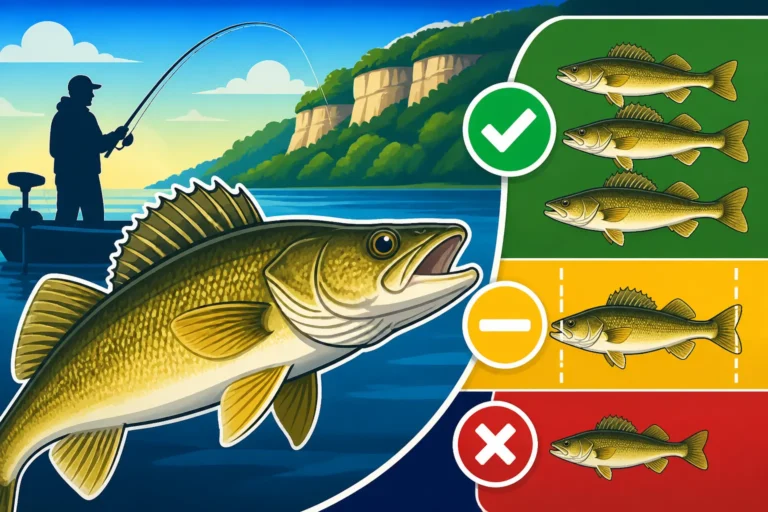
If you decide to skip the voluntary stamp, you still need to be very aware of the actual laws. Every year, someone gets a ticket because they assumed "no stamp" meant "no rules." That couldn't be further from the truth. You must still adhere to the daily and possession limits. For the vast majority of the state, the limit is six walleye, with only one allowed over 20 inches. However, there are dozens of lakes with "special regulations."
For example, if you are fishing the Big G (Mille Lacs), you absolutely must check the Mille Lacs Walleye Regulations (2026) before you even launch. Some years it is catch-and-release only, and some years you can keep one fish within a very tight "slot." Not having a walleye stamp won't get you in trouble, but having a 22-inch fish in your livewell on a lake with a 18-to-20-inch slot limit definitely will.
Understanding Minnesota Slot Limits: Which Lakes & Why is far more critical to your legal safety than worrying about the voluntary stamp. The DNR uses slot limits to protect the "spawners"—those big females that keep the lake populated. When you buy a license, you are agreeing to follow these specific rules for every lake you visit. I always recommend keeping a physical copy of the MN Fishing Regulations booklet in your boat, as cell service can be spotty when you’re out in the middle of a big lake trying to look up a limit.
Common Myths About the Minnesota Walleye Stamp
One of the biggest myths I hear is that non-residents are required to buy the walleye stamp while residents are not. This is completely false. The rules for residents and non-residents are identical when it comes to the voluntary nature of the walleye validation. A non-resident pays more for their base license, but they are under no obligation to pay the extra five dollars for the walleye support fund.
Another myth is that you need the stamp if you are fishing in a "Walleye Blue Ribbon" lake or specific trophy waters. Again, not true. Whether you are fishing a small farm pond in southern Minnesota or the massive expanse of Lake of the Woods, the stamp remains optional. Some people also get confused between the Minnesota Conservation vs Regular License. A conservation license allows you to pay less for your license but requires you to keep a smaller limit of fish. Even with a conservation license, the walleye stamp is still an optional, voluntary add-on.
I also frequently hear people say that the walleye stamp is required if you are using live bait like leeches or minnows. This likely comes from confusion with other states' "trout and salmon" stamps which sometimes trigger based on gear. In Minnesota, your gear doesn't dictate the need for a walleye stamp. Whether you are trolling crankbaits or jigging a fathead minnow, the stamp is your choice.
How to Stay Updated on Regulation Changes
Fishing regulations in Minnesota can change annually. While the walleye stamp has been voluntary for years, the DNR reviews its funding models frequently. It is always a good idea to check the latest news before the season opener. If you are wondering Can You Keep Walleye From Mille Lacs? or if there have been changes to possession limits, the DNR’s website and local bait shops are your best friends.
If you're ever in doubt, just ask the person behind the counter at the bait shop. They live and breathe these regulations because their customers depend on them. They can tell you if a specific lake has had a recent change in its slot limit or if the DNR has issued an emergency order for a specific body of water. Being a responsible angler means doing a little bit of homework before you hit the water, ensuring that our "Land of 10,000 Lakes" remains a world-class fishery for the next generation.
Minnesota Fishing Regulations Disclaimer
This guide is intended for informational purposes and reflects the general rules and voluntary nature of the Minnesota Walleye Stamp as of the current season. Fishing regulations, including limits, dates, and mandatory requirements, are subject to change by the Minnesota Department of Natural Resources (DNR). Always consult the official Minnesota Fishing Regulations booklet or the DNR website for the most up-to-date and lake-specific rules before your trip. Violating state fishing laws can lead to significant fines and the loss of your fishing privileges.