How Many Northern Pike Can You Keep in Minnesota?
Many anglers hit the water dreaming of a toothy northern pike battle but end up scratching their heads when it comes time to pull the tape measure. With Minnesota’s complex zone-based regulations, figuring out what goes in the livewell versus what goes back in the drink can be stressful and confusing. This guide breaks down exactly how many northern pike you can keep across the state's different regions so you can fish with total confidence.
Understanding Minnesota's Northern Pike Management Zones
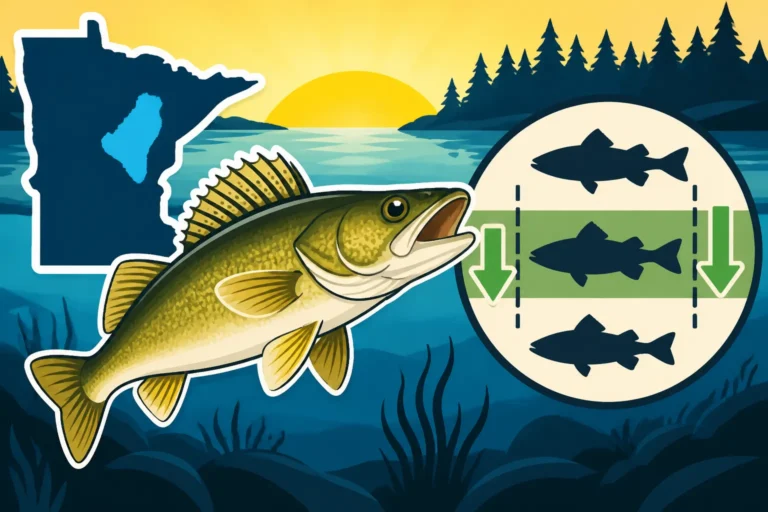
For a long time, northern pike regulations in Minnesota were fairly uniform, but the DNR realized that a "one size fits all" approach wasn't working for our diverse 10,000 lakes. Some lakes are overcrowded with small "hammerhandles," while others have the potential to produce world-class trophies if given the right protection. To manage this, the state is now divided into three distinct zones: the North-Central, the Northeast, and the South. Each has its own specific bag limits and size restrictions designed to improve the health of the local pike population.
Before you even hook a minnow, you need to know which zone you are standing in. Using a Minnesota Fishing Regulations PDF: Where to Find It is the best way to see a map of these boundaries, but generally, the lines are drawn along major highways. If you are fishing near Brainerd, you are likely in the North-Central zone. If you are up in the Boundary Waters, you are in the Northeast. If you are down near Rochester or the Twin Cities, you are in the South. Getting this wrong can lead to a very expensive conversation with a Conservation Officer, so always double-check your location.
The North-Central Zone: Harvesting the Hammerhandles
The North-Central zone covers the largest portion of the state and faces a specific biological problem: an overabundance of small northern pike. In many of these lakes, the pike are "stunted," meaning there are so many of them competing for food that none of them grow particularly large. To combat this, the Minnesota Northern Pike Limits by Zone for this region actually encourage a higher harvest of smaller fish. You are allowed to keep 10 northern pike in this zone, which is a significant jump from the old limits.
However, there is a catch—literally. While you can keep 10 fish, there is a "protected slot" between 22 and 26 inches. Every pike you catch that falls within that range must be immediately released back into the water. The idea here is to protect the medium-sized fish so they can eventually grow into the trophy class, while thinning out the smaller ones to reduce competition. Additionally, you are only allowed to have two pike over 26 inches in your possession. This regulation is a dream for folks who love a good fish fry, as those smaller pike are delicious once you learn the right way to clean them.
In practice, this means your "daily bag" and your Minnesota Possession Limits Explained are both 10 fish in this zone. Imagine you are out on a lake near Alexandria; you could keep eight pike that are 21 inches long and two pike that are 27 inches long. That is a lot of meat for the freezer. Just remember that if you are keeping that many fish, you need to be prepared for some serious filleting time back at the cabin.
The Northeast Zone: Protecting the Trophy Potential
The Northeast zone is a different beast entirely. This region includes the deep, cold, and often infertile lakes of the Arrowhead region and the Canadian border waters. These lakes don't have the "overcrowding" problem of the North-Central zone, but they do have the potential to grow massive, legendary pike. Because growth rates are slower in these cold waters, the Northern Pike Season & Limit in Minnesota for this area is much more restrictive to prevent overfishing of the big breeders.
In the Northeast, the limit is only two northern pike. The size restrictions are also geared toward protecting the "big mamas." All pike between 30 and 40 inches must be released immediately. You are allowed to keep one fish over 40 inches if you happen to land the trophy of a lifetime, but most anglers in this region practice strict catch and release for the larger specimens. This zone is all about quality over quantity. If you are fishing Lake Vermilion or the BWCA, you are looking for that one heart-stopping strike rather than a bucket full of small ones.
Managing your expectations in the Northeast is key. Since you can only keep two fish, many locals choose to release everything unless they get a perfect "eater" size fish that falls below the 30-inch mark. This conservative approach has helped maintain the Northeast as one of the premier pike destinations in North America. If you do decide to keep a trophy, make sure you have your Minnesota Fishing License: Cost, Types & How to Buy (2026) handy and that you understand the proper measuring techniques to ensure that 39.5-inch fish doesn't accidentally end up in your boat when it should have stayed in the lake.
The South Zone: Rebuilding the Population
The South zone covers everything from the Twin Cities down to the Iowa border. This area has the most pressure from anglers and the least amount of natural pike habitat compared to the northern woods. Because of this, the regulations are designed to allow pike to reach spawning age before they are harvested. In the South zone, the limit is two northern pike, and there is a strict minimum size limit of 24 inches. Anything smaller than 24 inches must go back.
This regulation can be frustrating for metro anglers who catch dozens of 20-inch pike in an afternoon, but it is vital for the long-term health of these southern fisheries. By requiring fish to hit that 24-inch mark, the state ensures that most pike have had at least one or two chances to spawn before they end up on a dinner plate. It also helps control the populations of prey fish like sunfish and perch, which can become overpopulated if there aren't enough large predators like pike to keep them in check.
When fishing in the South, it is a good idea to keep a high-quality measuring board in the boat. A fish that looks "close enough" at 23.5 inches is a legal liability. If you are caught with an undersized fish in this zone, the fines can be steep. Always check the Minnesota Fishing Seasons & Opener Dates (2026) to make sure you aren't targeting them during the early spring spawning closure, which is another layer of protection for these southern populations.
| Management Zone | Daily/Possession Limit | Size Restrictions | Goal of Regulation |
|---|---|---|---|
| North-Central | 10 Pike | Protected Slot: 22"–26" (must release); Max 2 over 26" | Reduce overpopulation of small pike; grow larger fish. |
| Northeast | 2 Pike | Protected Slot: 30"–40" (must release); Max 1 over 40" | Protect large, slow-growing trophy pike in cold water. |
| South | 2 Pike | Minimum Size: 24" (anything smaller must be released) | Ensure pike reach spawning age in high-pressure areas. |
Specific Exceptions and Special Regulations
While the three-zone system covers the majority of Minnesota's waters, there are always exceptions to the rule. The DNR implements "Special" or "Experimental" regulations on specific lakes where the general zone rules aren't quite enough to manage the population. This is common on high-traffic lakes or bodies of water with unique ecosystems. For example, a lake in the North-Central zone might have a special regulation that overrides the 10-fish limit, reducing it to 3 fish to protect a specific strain of pike.
Lakes like Mille Lacs, Lake of the Woods, and even some smaller metro lakes often have their own specific rules posted at the boat ramps. You might find a Minnesota Slot Limits: Which Lakes & Why guide helpful to understand the science behind these "one-off" rules. Sometimes these special regulations are temporary, lasting only a few years to see if a certain management style works, while others become permanent fixtures of the lake’s identity.
Before you drop your line, it is your responsibility as an angler to check the "Special Regulations" section of the MN Fishing Handbook. Do not assume that just because you are in the North-Central zone, the 10-fish limit applies to every single pond and lake. If you are caught on a lake with a special 24-36 inch protected slot and you have a 30-inch pike in your livewell, "I didn't know" won't save you from a ticket. Knowledge is part of the gear you need to bring on the water, right alongside your rods and reels.
Boundary Waters and Border Waters
Fishing on the edges of the state adds another layer of complexity. If you are fishing the Rainy River or Lake of the Woods, you are dealing with "Border Waters" regulations. These are negotiated between Minnesota and Ontario (or Wisconsin/Dakotas) and often differ significantly from the inland zone rules. For northern pike, the border water limits are usually designed to be consistent across the entire body of water, regardless of which side of the imaginary line you are on.
On the Canadian border, for instance, the pike limits are often very strict to preserve the wilderness character of the fishery. You might find that the possession limit is lower, or that the "no-kill" slot is much wider. Always consult the specific border water section of the regulations before planning a trip to these areas. Furthermore, if you are crossing into Canada to fish, you will need an Ontario license and must follow their specific laws, which are entirely separate from Minnesota's.
Dark House Spearing Regulations
It is also worth noting that the limits for northern pike can change if you are participating in dark house spearing during the winter. Spearing is a storied Minnesota tradition, but because it is a "lethal" method of harvest (you can't catch and release a fish you've speared), the regulations are very specific. Generally, the limits for speared pike align with the zone limits, but there are certain lakes where spearing northern pike is prohibited entirely to protect trophy populations.
If you are new to the sport, you should look into What Happens If You Fish Without a License in Minnesota? or failing to follow spearing-specific rules. The DNR often requires spearers to keep the first fish they strike to prevent "culling" underwater. Since you can't accurately measure a fish to the inch while it's swimming under your ice hole, the slot limit rules in the North-Central zone have specific allowances for spearers—usually allowing one fish within the protected slot to be kept, but check the current year's rules to be certain.
Ethical Harvesting and Best Practices
Knowing how many fish you can keep is one thing, but knowing how many you should keep is another. Ethical angling is about more than just following the law; it’s about ensuring the resource is there for the next generation. Northern pike are a vital part of the aquatic food chain. While the North-Central zone encourages you to keep 10 "hammerhandles," you should only take what you actually plan to eat. Freezer-burnt fish is a waste of a great resource.
If you are planning to keep pike for a meal, have a plan for processing them. Many people avoid keeping pike because of the "Y-bones," but once you learn How to Fillet a Northern Pike (Remove Y-Bones), they become one of the best-tasting fish in the state. The meat is firm, white, and flaky—perfect for pickling, frying, or even "poor man's lobster." By harvesting the smaller fish as suggested by the DNR, you are actually doing the lake a favor and getting a great meal in the process.
Master the Art of Catch and Release
For those fish that fall within the protected slot or those trophies you choose to let go, proper handling is crucial. Northern pike are hardy, but they can be injured by improper handling, especially in the warm summer months. Use a large, rubberized net to minimize slime loss and prevent hooks from getting tangled. Slime is the fish's immune system; if you rub too much of it off with a dry towel or a rough net, the fish may develop a fatal fungal infection weeks after you release it.
Always try to keep the fish in the water while unhooking it. If you must bring it into the boat for a photo, support its weight horizontally. Never hold a large pike vertically by the gill plate, as this can dislocate its jaw or damage its internal organs. Using Catch and Release Best Practices in Minnesota will ensure that the 40-inch pike you just caught survives to be caught by someone else—perhaps even bigger next time. A quick photo and a gentle release are the hallmarks of a true sportsman.
Staying Updated Each Season
Regulations can and do change. Every year, the DNR reviews catch data, lake surveys, and angler feedback to tweak the rules. What was legal in 2024 might be different in 2026. Make it a habit to pick up a fresh physical copy of the Minnesota Fishing Regulations booklet every spring when you buy your license. It’s a great piece of "bathroom reading" that can save you a lot of headache on the water.
In addition to the limit changes, stay aware of Aquatic Invasive Species (AIS) laws. If you are moving from one lake to another with a limit of pike in your livewell, you must ensure you have drained all water and pulled your plug. Transporting fish in water is a major violation in Minnesota. Most successful pike anglers bring a cooler with ice to keep their "eaters" fresh and legal while traveling between the lake and the cleaning shack.
Minnesota Fishing Regulations Disclaimer
This guide is intended for informational purposes and provides a general overview of Minnesota northern pike regulations based on 2026 data. However, fishing laws are subject to change by the Minnesota Department of Natural Resources (DNR) at any time. Local exceptions, experimental regulations, and emergency closures may apply to specific bodies of water. Always consult the official Minnesota Fishing Regulations handbook or the DNR website before your trip to ensure you are in full compliance with the most current laws. The author and publisher are not responsible for any legal issues or fines resulting from the use of this information.