Catfish Season & Limit in Minnesota
Let's be honest, trying to keep up with all the fishing regulations in Minnesota can feel like trying to untangle a snarled fishing line after a day on the water. Just when you think you've got it figured out for walleye, you switch gears to catfish and realize the rules might be completely different. This comprehensive guide will untangle the specifics of catfish season and limits in Minnesota, ensuring you're fully prepared to chase those whiskered giants without any worries about breaking the rules.
Understanding Minnesota's Catfish Regulations
Minnesota is a fantastic place for catfish anglers, with abundant populations of both channel catfish and flathead catfish. However, the exact rules for when you can fish for them and how many you can keep can vary. It's not a one-size-fits-all situation, which can definitely be a headache if you’re not prepared.
Statewide Catfish Seasons
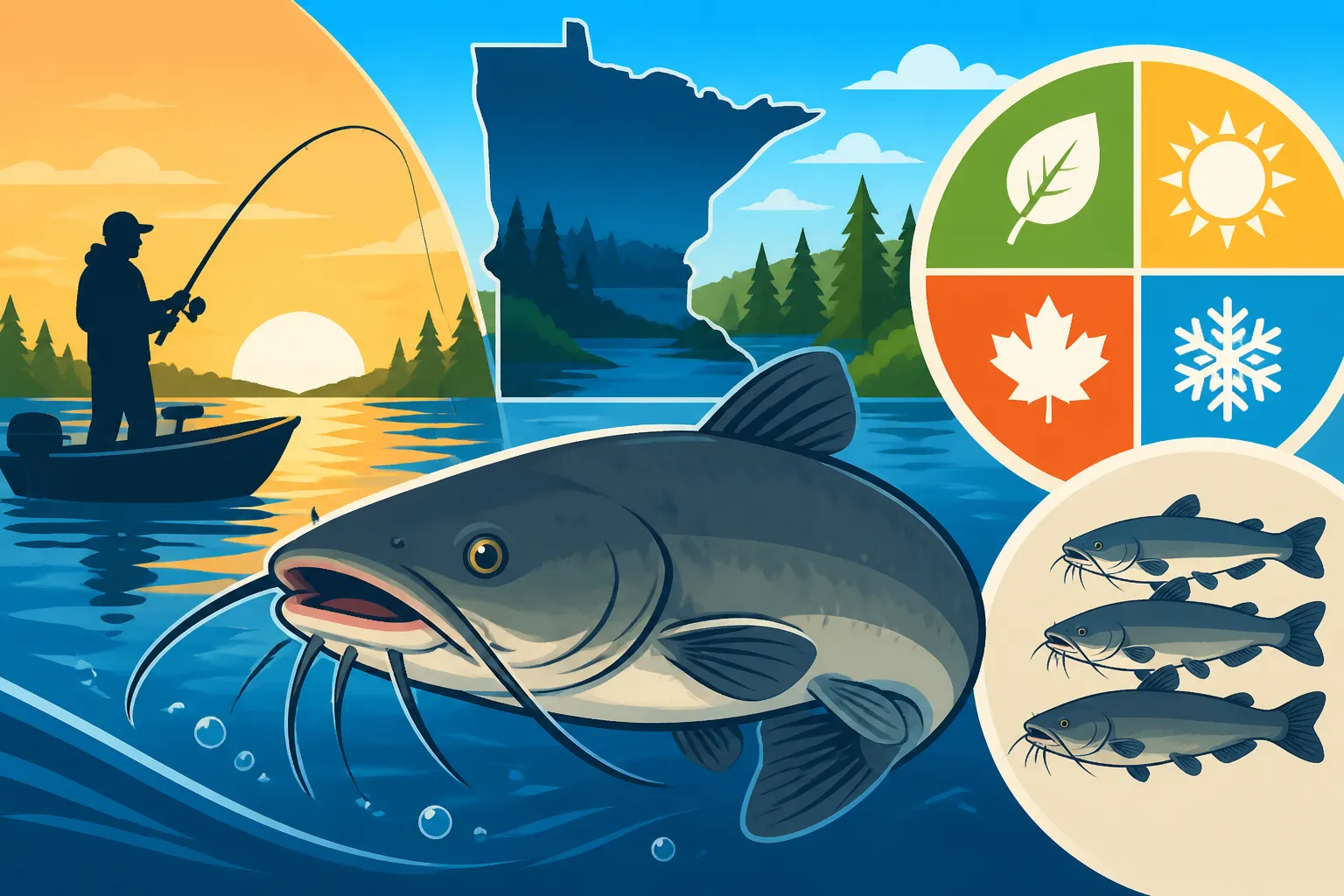
For most of Minnesota's waters, the season for both channel catfish and flathead catfish is continuous, meaning it's open year-round. This is great news for anglers who love the thrill of catfishing in all four seasons, from casting in warm summer evenings to even trying for them through the ice, though that's less common. This continuous season offers a lot of flexibility, which is a welcome change from some of the more restrictive seasons for other popular species. Imagine being able to grab your gear and head out whenever the mood strikes, knowing that catfish are fair game. It takes a bit of the stress out of planning your fishing trips. Just remember, while the season is open, other regulations like limits still apply.
Special Regulations and Border Waters
Now, here's where things get a little more nuanced. While many lakes and rivers adhere to the statewide continuous season, certain bodies of water, particularly those that form borders with other states or have unique ecological considerations, often have special regulations. These rules are put in place to manage specific fisheries or to align with reciprocal agreements with neighboring states like Wisconsin or North Dakota. For example, when you're fishing the Mississippi River, you might encounter regulations that differ slightly from a landlocked lake in central Minnesota. The same goes for the Red River of the North, which borders North Dakota and is famous for its massive channel catfish. Always, and I mean always, check the current Minnesota Fishing Regulations PDF for the specific body of water you plan to fish. Overlooking these details can turn a fun day into a frustrating one with a conservation officer. Understanding Border Water Fishing Rules Minnesota-Ontario, Wisconsin is crucial for anglers who frequent these shared waters, as the regulations can be a blend of rules from both states.
Catfish Limits in Minnesota: Bag & Possession
Once you've got the season down, the next critical piece of information is the bag and possession limits. These limits are designed to help manage fish populations, ensuring sustainable fishing for generations to come. It’s not just about protecting the resource, but also about fair distribution among anglers.
Daily Bag Limits Explained
The daily bag limit for catfish in Minnesota generally refers to the maximum number of fish you can keep in a 24-hour period, starting at midnight. For most waters, the statewide daily bag limit for channel catfish is five. For flathead catfish, it's typically one. This distinction is important because while both are catfish, they are managed differently due to their growth rates, population dynamics, and popularity. If you're out fishing on a sunny afternoon on the St. Croix River, and you happen to catch three nice channel cats and a flathead, you’d be right at the limit for that species combination. It’s less about how many total fish you catch and more about how many you harvest and keep. This system aims to prevent overharvesting, especially of the slower-growing flathead catfish which can live for many decades and reach impressive sizes. Many anglers find the daily limit for channel catfish quite generous, allowing for a good meal without impacting the fishery too severely.
Possession Limits and How They Work
The possession limit is often misunderstood, but it's really quite simple: it’s the maximum number of fish you can have in your possession at any given time, regardless of when or where they were caught. This includes fish at your home, cabin, or in transit. For catfish, the possession limit is usually the same as the daily bag limit, which means you can only possess five channel catfish and one flathead catfish. So, if you went out Monday and kept five channel cats, you couldn't go out Tuesday and keep five more without first consuming or giving away the previous day's catch. This rule prevents anglers from stockpiling fish over multiple days, further aiding in conservation efforts. It's a common mistake, especially for those who might fish several days in a row on a fishing vacation, so keeping track of your freezer stash is just as important as counting fish in your livewell. Keeping within these limits is essential, and understanding Minnesota Possession Limits Explained can prevent any accidental violations.
Catch-and-Release for Trophy Catfish
While limits are in place for harvest, many dedicated catfish anglers practice catch-and-release, especially for the larger, older flathead and channel catfish. Releasing these trophy fish ensures they can continue to grow and reproduce, contributing to the health of the fishery. Big catfish, particularly flatheads, can be surprisingly fragile despite their tough appearance. Using proper Catch and Release Best Practices in Minnesota such as a large rubber net, keeping the fish in the water as much as possible, and minimizing handling time, are crucial. Some anglers will even use circle hooks to reduce deep hooking, making for a cleaner, safer release. There's a tremendous satisfaction in photographing a giant catfish and watching it swim away strong, knowing it's there for another angler to enjoy, or for you to chase again in the future. Many of the truly massive flatheads caught in Minnesota are decades old, and their genes are incredibly valuable to the population.
Navigating Specific Catfish Hotspots
Minnesota boasts some incredible catfish waters, each with its own character and, sometimes, its own set of rules. Knowing these hotspots and their specific regulations can significantly enhance your fishing experience and ensure compliance.
Mississippi River Catfish Regulations
The mighty Mississippi River, as it flows through Minnesota, is a prime destination for both channel and flathead catfish. The regulations here can be a bit more complex due to its status as a border water with Wisconsin in many sections. Generally, for the Mississippi River and its connected waters downstream of the St. Anthony Falls dam in Minneapolis, you'll find similar statewide limits of five channel catfish and one flathead. However, always double-check the specific pool you are fishing. For instance, fishing on Pool 2 near the Twin Cities is a popular spot, and its regulations are generally consistent with statewide rules for catfish. The sheer size and diversity of the Mississippi mean catfish can be found in a variety of habitats, from deep holes to log jams and tributary mouths. Fishing here can mean targeting trophy flatheads in snag-filled timber or drifting baits for a cooler full of eating-sized channel cats. You can often find fantastic Mississippi River Catfish in Minnesota action.
Red River of the North Rules
When it comes to giant channel catfish, the Red River of the North is legendary. This river, which forms Minnesota's western border with North Dakota, is known for its incredible numbers and size of channel catfish, often producing fish weighing over 20 pounds. Due to its unique status as a border water and its world-class fishery, the Red River has specific regulations that can differ from general statewide rules. Currently, on the Red River of the North, the daily and possession limit for channel catfish is usually 5, with only one over 24 inches. This slot limit is designed to protect the large breeding fish while still allowing harvest of smaller, abundant channel cats. This specific rule allows anglers to keep some fish for the pan but encourages the release of those truly massive, old brood stock fish that make the Red River so special. Anglers often fish the Red River from shore or smaller boats, targeting its muddy banks and deep bends.
Smaller Lakes and Rivers with Catfish
While the major rivers get a lot of attention, many smaller lakes and rivers across Minnesota also hold healthy populations of catfish, primarily channel catfish. Lakes like Lake Pepin, a wide spot on the Mississippi River, or segments of the Minnesota River, are excellent examples. In these waters, the standard statewide regulations (continuous open season, five channel catfish, one flathead catfish daily/possession) typically apply unless explicitly stated otherwise in the Minnesota Fishing Regulations booklet. It’s always worth checking the specific lake or river you intend to fish, as the Minnesota Department of Natural Resources (DNR) occasionally implements special regulations to address local population dynamics or fishing pressure. For anglers who prefer a quieter experience away from the crowds of the bigger rivers, these smaller waters can offer fantastic opportunities for a good fight and a delicious meal. Learning How to Catch Channel Catfish in Minnesota Step by Step in these diverse environments can really expand your angling skills.
Here's a quick reference table for general statewide catfish regulations in Minnesota:
| Species | Season | Daily Bag Limit | Possession Limit | Special Notes |
|---|---|---|---|---|
| Channel Catfish | Continuous | 5 | 5 | Special regulations apply on some border waters. |
| Flathead Catfish | Continuous | 1 | 1 | Often targeted for trophy catch-and-release. |
Remember, this table provides general statewide guidelines. Always consult the official Minnesota DNR fishing regulations for the most current and specific rules for your chosen fishing location. For detailed information on specific times of year, you might also want to consult Minnesota Fishing Seasons & Opener Dates 2026, which, while focused on openers, also confirms continuous seasons for many species. Similarly, for general restrictions, knowing the overall Minnesota Fishing Limits Bag & Possession 2026 can provide broader context. Many anglers also find it useful to know What Do Walleye Eat Forage in MN Lakes, though that's a different species, it helps understand lake ecosystems. Also, knowing The Best Seasonal Pattern for Channel Catfish in Minnesota can help you plan your trips around when the fish are most active. If you're wondering about the gear, checking out Best Gear for Catfish Fishing in Minnesota would be a smart move.
Disclaimer
Please remember that fishing regulations are subject to change. While every effort has been made to provide accurate and up-to-date information, it is the angler's responsibility to consult the official Minnesota Department of Natural Resources (DNR) fishing regulations before heading out on the water. This guide is for informational purposes only and should not be considered a legal document. Always refer to the latest official DNR publications for the most current rules and regulations.