How Do You Catch Walleye for Beginners?
For many newcomers, the idea of catching walleye in Minnesota can feel like trying to solve a complex puzzle. With all the specialized gear, technical jargon, and seasoned anglers whispering secrets, it’s easy to get discouraged before you even wet a line. But don't you worry, this comprehensive guide is designed to demystify walleye fishing, offering practical, beginner-friendly advice to get you hooked on pursuing Minnesota’s most prized fish.
Understanding Walleye: The Elusive Golden Fish
Before you can hope to catch a walleye, it helps immensely to understand a little bit about them. They aren't just any fish; they have distinct preferences and behaviors that savvy anglers learn to exploit. Knowing what makes them tick is the first step toward consistent success on the water.
Walleye Habits and Habitat
Walleye are masters of camouflage and thrive in specific environments. They're primarily found in larger lakes and rivers across Minnesota, often preferring deeper, cooler waters, especially during the brighter parts of the day. Unlike sunfish that hang out in shallow, visible areas, walleye are light-sensitive. This is why you often hear about them biting best during low-light conditions like dawn, dusk, or even at night. Their large, reflective eyes are perfectly adapted for seeing in dim light, giving them a significant advantage over their prey during these times.
They are structure-oriented fish, meaning they'll relate to specific features on the lakebed. Think about rocky reefs, sharp drop-offs, underwater humps, points extending into deeper water, or even subtle changes in bottom composition from soft mud to gravel. These structures provide ambush points for feeding and protection from bright sunlight. For a truly deep dive into where these fish hang out, our comprehensive guide on Walleye Fishing in Minnesota: Complete Guide offers even more habitat insights.
What Walleye Eat
Understanding their diet is crucial because it directly informs your bait and lure choices. Walleye are primarily piscivores, meaning they mostly eat other fish. Their diet can include a variety of smaller forage fish common in Minnesota lakes, such as yellow perch, cisco (tullibee), shiners, and juvenile panfish. This is why live bait like minnows are so incredibly effective; you're essentially offering them what they naturally hunt.
Beyond live bait, they're also opportunistic feeders, not above snatching up insect larvae, crayfish, or even leeches when available. This diverse diet means you have several options when it comes to presenting something appetizing. When you're just starting out, mimicking their natural food sources is often the simplest and most successful strategy.
Essential Gear for Beginner Walleye Anglers
Don't let the endless array of fishing gear intimidate you. For beginners, getting started with walleye doesn't require breaking the bank or owning every gadget under the sun. We’ll focus on the core essentials that will get you fishing effectively and comfortably.
Rods, Reels, and Line
The right rod and reel setup can make a huge difference in your fishing experience, especially when you’re learning the ropes. For walleye, a medium-light to medium power spinning rod is an excellent all-around choice. This rod strength provides enough backbone to fight a decent walleye but is sensitive enough to detect those subtle bites. Look for a rod in the 6'6" to 7'0" range. This length offers good casting distance and control, whether you're casting from shore or a boat.
Pair your rod with a reliable spinning reel in the 2000 or 2500 size range. These reels are easy to operate, provide smooth drag, and balance well with a medium-power rod. When it comes to fishing line, an 8-pound monofilament or fluorocarbon line is a fantastic starting point. Monofilament is forgiving, has some stretch, and is easy to tie knots with. Fluorocarbon is less visible underwater and more sensitive, but can be a bit more challenging to handle for absolute beginners. Many anglers, myself included, often start with mono and then experiment. You can find excellent beginner-friendly rod and reel combos on platforms like Amazon, offering a great balance of quality and affordability. For more in-depth advice on specific gear, check out our guide on Best Walleye Rods & Reels.
Basic Tackle Box Essentials
Your tackle box doesn't need to be overflowing. Start with a few proven walleye baits and expand as you gain experience. Here's a rundown of what to include:
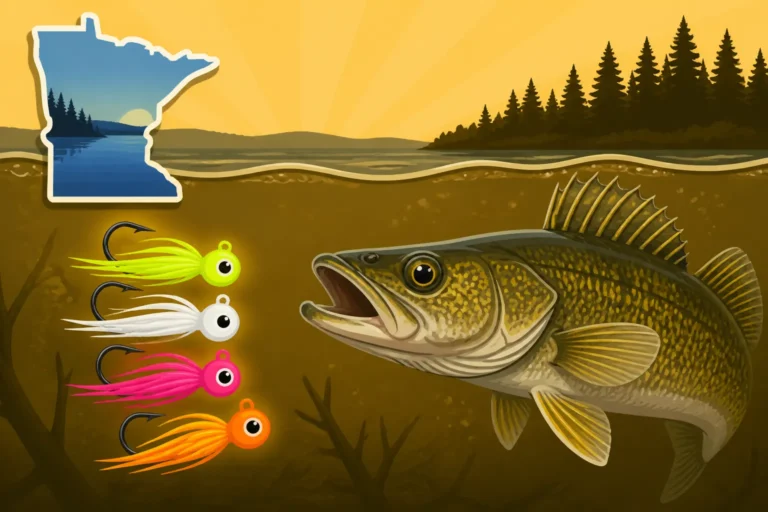
- Jigs: Jigs are incredibly versatile. Start with 1/8 oz to 1/4 oz jigs in common walleye colors like chartreuse, orange, white, and classic black. They can be tipped with live bait or soft plastics.
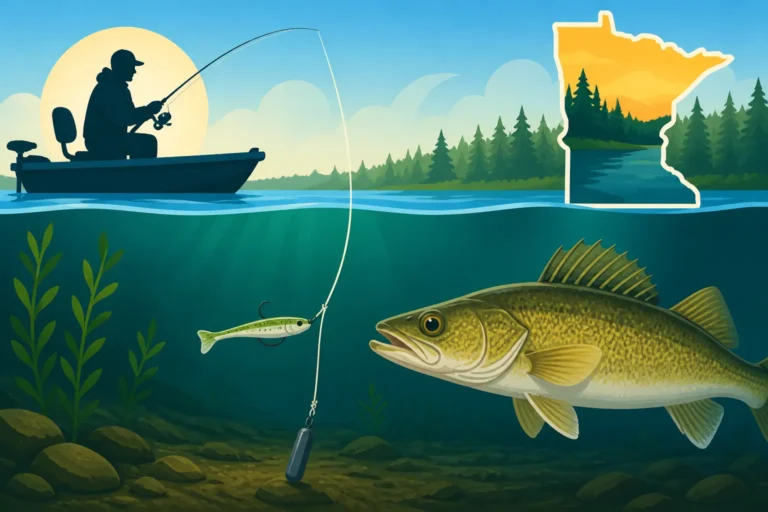
- Live Bait Rigs: A selection of Aberdeen hooks (sizes #4 to #8), swivels, and walking sinkers (1/4 oz to 1/2 oz) for Lindy rigs or slip bobber setups.
- Slip Bobbers: These are essential for presenting live bait at a specific depth. Get a few bobbers, bobber stops, and beads.
- Leader Material: A spool of 8-pound fluorocarbon leader material can be useful if you're using braided mainline and want a less visible connection to your lure.
- Pliers/Forceps: Essential for removing hooks and cutting line.
- Measuring Device: A tape measure or bump board to ensure your catch meets legal size requirements.
- Net: A good landing net helps you safely land and handle fish, especially bigger ones.
Remember, you don’t need every color or size immediately. Start with a few basics and see what works on your local lake.
Simple and Effective Walleye Fishing Techniques for Beginners
Once you have your gear, it's time to learn how to use it. Walleye fishing can be as simple or as complex as you make it. For beginners, mastering a few fundamental techniques will dramatically increase your chances of success.
Live Bait Rigs: The Tried and True Method
Live bait is often the most forgiving and productive way to catch walleye, especially for beginners. Walleye have an incredible sense of smell and a natural inclination to strike at something alive and wiggling.
- Slip Bobber Rigging: This is a fantastic method for covering a specific depth. You slide a bobber stop onto your mainline, then a bead, then the slip bobber itself, followed by another bead, and finally tie on a small hook (like an Aberdeen or bait holder hook) with a split shot or small sinker a foot or so above it. The bobber stop allows you to adjust the depth your bait hangs at, making it perfect for presenting a lively minnow, leech, or nightcrawler just above suspected walleye hangouts like weed edges or rocky bottoms. When a walleye takes the bait, the bobber will "slip" down your line, allowing the fish to pull freely without feeling resistance. For details on how to set up a slip bobber correctly, refer to our guide on How to Use a Slip Bobber for Walleye & Crappie.
- Lindy Rigs and Bottom Bouncers: These are designed to present live bait right on the bottom. A Lindy Rig consists of a walking sinker that allows your line to slip through, a swivel, and a leader (often fluorocarbon) tied to a hook. The idea is for the sinker to drag the bottom while your live bait (a minnow, leech, or crawler) floats enticingly just above the lakebed. This is a very effective technique for active walleye. While a bit more nuanced than a slip bobber, understanding How to Fish a Lindy Rig for Walleye can be a game-changer. Both methods shine when paired with the best live bait for walleye, which often includes shiner minnows, leeches, and nightcrawlers, all readily available at local bait shops across Minnesota.
Jigging Basics
Jigging is perhaps the most iconic walleye fishing technique. It involves using a lead-head jig, often tipped with live bait (a minnow is classic) or a soft plastic grub, and imparting a specific action to it to attract fish.
- The Jig and Minnow Combo: This is where many walleye anglers start. Thread a minnow onto a jig hook so it hangs naturally. Cast your jig out, let it sink to the bottom (or desired depth), and then use a lift-and-drop motion with your rod tip. Lift the rod a foot or two, then let it fall back down on a semi-slack line, allowing the jig to flutter. Walleyes often strike as the jig falls. Vary your retrieve speed and the height of your lifts until you find what the fish are responding to. Remember, walleye bites can be incredibly subtle – sometimes it just feels like a slight weight, or a "thump." Setting the hook quickly is key. Our guide on Jigging for Walleye: Jig & Minnow Basics provides excellent foundational knowledge here.
- Soft Plastics: For those who prefer artificials, soft plastic paddle tails, grubs, or minnow imitations on a jig head can also be very effective. The action is similar to live bait jigging, focusing on imitating a wounded baitfish. Brands like Berkley Gulp! or Z-Man offer popular options that combine scent and action.
Trolling for Beginners
Trolling is another effective way to cover water and find active walleye, especially in larger lakes. For beginners, simple trolling with crankbaits is a great starting point.
- Crankbaits for Walleye: Choose diving crankbaits in natural baitfish patterns or bright, attracting colors. Popular choices include Rapala Shad Raps or Berkley Flicker Shads. These lures have a lip that causes them to dive to a specific depth when pulled through the water.
- Simple Trolling Strategy: Start by letting out a good amount of line (50-100 feet is common, depending on the lure and depth you want to achieve). Keep your boat speed slow, typically between 1.0 to 2.5 miles per hour. Watch your rod tip; it should have a steady bend and a slight wiggle from the lure's action. A sudden change in action or a strong pull indicates a bite. For more advanced trolling methods, especially concerning leadcore lines for deeper presentations, you might want to explore Trolling for Walleye: Crankbaits & Leadcore down the line.
Finding Walleye: Where to Cast Your Line
Knowing how to fish is only half the battle; knowing where to fish for walleye is equally critical. Walleye aren't evenly distributed throughout a lake; they concentrate in specific areas.
Key Structures and Depths
Walleye are constantly on the move, but their movements are often tied to specific underwater structures.
- Points and Reefs: These are classic walleye magnets. A point extending from shore into deeper water, or an isolated underwater reef (often called a hump), provides excellent ambush spots and diverse depth contours for walleye to relate to. Fish the shallow tops during low light and the deeper edges or breaks during the day.
- Weed Lines and Edges: In lakes with healthy vegetation, walleye will often patrol the outside edges of weed beds, especially those that drop off into deeper water. These areas offer cover and a food source (smaller fish hiding in the weeds).
- Breaklines: A "breakline" is simply an area where the lake bottom changes rapidly in depth, like a sharp drop-off. Walleye frequently position themselves along these breaks, moving up into shallower water to feed and retreating to deeper, cooler water when inactive. Learning to identify these on a lake map or fish finder is a huge advantage.
Seasonal Considerations
Walleye behavior changes significantly throughout the year, primarily driven by water temperature and their spawning cycle. Understanding these patterns will help you predict where they might be.
- Spring (After Ice-Out to Opener): Post-spawn walleye are often shallow, recovering from spawning, and looking for easy meals. They'll be near traditional spawning grounds like rocky shorelines and river mouths. The Minnesota Walleye Opener is a highly anticipated event, and understanding Minnesota Fishing Seasons & Opener Dates (2026) will help you plan your trips.
- Early Summer: As waters warm, walleye start to move deeper, but can still be found near the edges of weed beds or shallower points, especially during low light. As summer progresses, they move to deeper main lake structures.
- Mid to Late Summer: This is often when walleye are found on offshore humps, deep breaklines, and suspended over deeper basins, especially during the day. Night fishing for walleye can be particularly productive during this time.
- Fall: As water temperatures cool and turnover occurs, walleye often move back towards shallower structures as baitfish return. They feed heavily in preparation for winter. For a detailed look at their reproductive habits and seasonal location changes, our content on Walleye Spawning: When and Where offers valuable context.
Crucial Tips for Walleye Success
Catching walleye, especially for beginners, often comes down to a few key principles beyond just gear and technique. These are the "soft skills" that elevate an angler from occasionally lucky to consistently successful.
Patience and Persistence
Walleye are called "the fish of 10,000 casts" by some, a nickname more commonly associated with muskie, but it illustrates a point: they can be finicky. You won't always catch them on your first cast, or even your hundredth. There will be days when they seem to disappear, and others when they bite aggressively.
- Don't Give Up: A crucial aspect of walleye fishing is persistence. If one spot isn't producing, don't be afraid to move. If one bait isn't working, switch it up. Vary your retrieve speed, try a different depth, or change lure colors. The most successful anglers are those who constantly experiment and adapt.
- Embrace the Journey: Fishing is as much about being out on the water, enjoying nature, and the challenge of the pursuit as it is about catching fish. Learn to appreciate the quiet moments, the beauty of a sunrise over a Minnesota lake, and the camaraderie of fishing with friends or family.
Reading the Water and Weather
Environmental factors play a massive role in walleye behavior. Learning to "read the water" is a skill that develops over time, but even beginners can pay attention to a few key indicators.
- Light Conditions: As mentioned, walleye prefer low light. Overcast days, early mornings, late evenings, and even moonlight nights are prime walleye times. On bright, sunny days, look for them in deeper water or under heavy cover.
- Wind and Waves: A little chop on the water can actually be good for walleye fishing! The waves break up the light penetration, making walleye more comfortable in shallower water, and they also stir up baitfish. Often, the "wind-blown" side of a lake or structure can be very productive.
- Water Clarity: In clear water lakes, walleye tend to be deeper or more active during low light. In stained or murkier water, they might be shallower and more active throughout the day, as the reduced visibility makes them feel safer.
- Fishing Regulations: Always, always check the local regulations for the body of water you're fishing. This includes daily bag limits and size restrictions, like the specific Minnesota Walleye Limit & Size Rules or how many lines you can legally use, as detailed in How Many Lines Can You Fish in Minnesota?. These rules protect the fishery and ensure good fishing for years to come.
Handling Your Catch
Once you’ve successfully landed a walleye, proper handling is important, whether you plan to keep it for a delicious meal or release it back into the water.
- Catch and Release Best Practices: If you're releasing a walleye, handle it gently. Minimize its time out of the water, support its body horizontally (never hold a large fish vertically by the jaw alone), and use a wet hand to reduce slime coat damage. If the fish is bleeding or deeply hooked, it's often best to clip the line as close to the hook as possible rather than trying to remove it forcefully. Learn more about Catch and Release Best Practices in Minnesota.
- Keeping Fish for the Table: If you plan to keep your walleye, ensure it meets all size and possession limits. Keep the fish alive in a livewell or on a stringer in the water until you're ready to clean it, or dispatch it humanely and place it on ice immediately to preserve freshness. Walleye are renowned for their flaky, white meat and are considered one of the best eating fish in Minnesota.
Here's a quick reference table for beginner walleye essentials:
| Item Type | Recommended Specification | Why It's Important |
|---|---|---|
| Rod | 6'6" – 7'0" Medium-Light to Medium Power | Versatile for casting, jigging, and fighting fish. |
| Reel | 2000-2500 Spinning Reel | Easy to use, smooth drag, good line capacity. |
| Line | 8 lb Monofilament or Fluorocarbon | Good knot strength, forgiving, less visible. |
| Jigs | 1/8 oz – 1/4 oz (various colors) | Versatile for depths, can be tipped with bait. |
| Hooks | #4 to #8 Aberdeen/Bait Holder | Ideal for live bait, good hooking ability. |
| Sinkers | 1/4 oz – 1/2 oz Walking/Egg Sinkers | For Lindy rigs and slip bobber setups. |
| Live Bait | Minnows, Leeches, Nightcrawlers | Walleye's natural food, often most effective. |
| Lures | Small/Medium Diving Crankbaits | Effective for trolling and covering water. |
| Net | Rubber-coated Landing Net | Safer for fish, prevents tangles, protects slime. |
Catching walleye in Minnesota doesn't have to be an intimidating ordeal. By focusing on understanding the fish, acquiring basic yet effective gear, and practicing simple techniques, you'll be well on your way to experiencing the thrill of reeling in that golden shimmer. The learning never truly stops in fishing, but every journey begins with a first cast.
Disclaimer
The information provided in this guide is for general informational purposes only and is not intended as legal advice. Fishing regulations in Minnesota are subject to change by the Minnesota Department of Natural Resources (DNR). Always consult the official Minnesota DNR fishing regulations handbook or website for the most current and accurate information before heading out on the water.