Best Seasonal Pattern for Black Crappie in Minnesota
There's nothing quite as frustrating as heading out to your favorite crappie lake, armed with all your gear, only to find the bite is completely off. You know those tasty papermouths are in there somewhere, but figuring out where they are and what they're doing can feel like solving a complex puzzle that changes with every season. This comprehensive guide will break down the annual patterns of black crappie in Minnesota, helping you understand their movements, preferred habitats, and feeding behaviors throughout the year so you can consistently put fish in the livewell.
Understanding Black Crappie Behavior in Minnesota
Before we dive into the specific calendar seasons, it’s crucial to understand the fundamental drives behind black crappie movements. These fish aren't just swimming around aimlessly; every move they make is typically dictated by a few critical factors: water temperature, available cover or structure, and the presence of their favorite food sources. Grasping these basics will give you a significant advantage, regardless of the time of year.
Crappie Preferences: Water Temp, Structure, and Forage
Black crappies are creatures of comfort, and their comfort zone is heavily influenced by water temperature. They generally thrive in water temperatures between 65-75 degrees Fahrenheit, but their activity levels shift dramatically as the mercury rises or falls. During colder periods, their metabolism slows down, making them less active and often holding tighter to cover. As temperatures warm, they become more energetic, willing to chase bait, and move into shallower areas.
When it comes to structure, black crappies are notorious for being cover-oriented fish. This means they love anything that offers protection, shade, or ambush points. Think about submerged timber, brush piles, docks, lily pads, wild rice beds, rock piles, or even artificial fish cribs. These structures provide refuge from predators and act as prime locations for baitfish to congregate, which, of course, means crappies aren't far behind. Understanding Where Do Walleye Live in a Lake? (Structure) can also provide some transferable insights into how fish relate to underwater features, though crappies often prefer a bit more shallow, vertical cover.
Their primary diet consists of small minnows, insect larvae, and zooplankton. This direct link to their forage often dictates where you'll find them. If you can locate schools of baitfish, especially shiners or fatheads, you're usually in the ballpark for crappies. During certain times of the year, particularly spring and fall, they'll actively chase these baitfish, making them easier to target.
Key Environmental Triggers
Beyond temperature and forage, several other environmental cues trigger crappie movements. Light penetration, for instance, plays a huge role. Crappies have large eyes, which are excellent for seeing in low light conditions, giving them a distinct advantage over their prey during dawn, dusk, or under cloudy skies. This is why many anglers find evening and night fishing for crappie to be incredibly productive, especially during the warmer months. Heavy overcast days can also stimulate a shallow bite when bright sun would typically push them deeper.
Another significant trigger is the presence of the Crappie Spawn in Minnesota: When and Where. This annual event, driven by specific water temperatures and photoperiods, completely changes their behavior, moving them from deeper water to shallow, protected areas for reproduction. Wind and current can also influence crappie positioning, often pushing baitfish into certain areas, and consequently, drawing crappies with them. Understanding these environmental cues allows you to anticipate their movements and adapt your fishing strategy accordingly.
Spring Crappie Patterns: The Pre-Spawn to Post-Spawn Frenzy
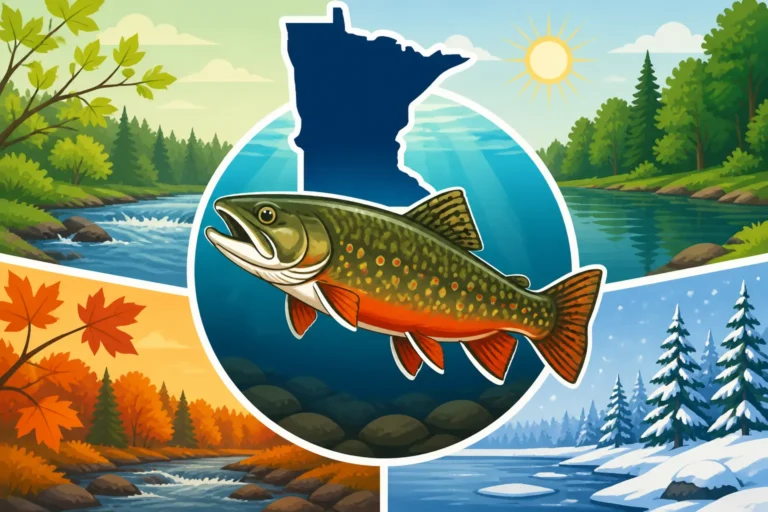
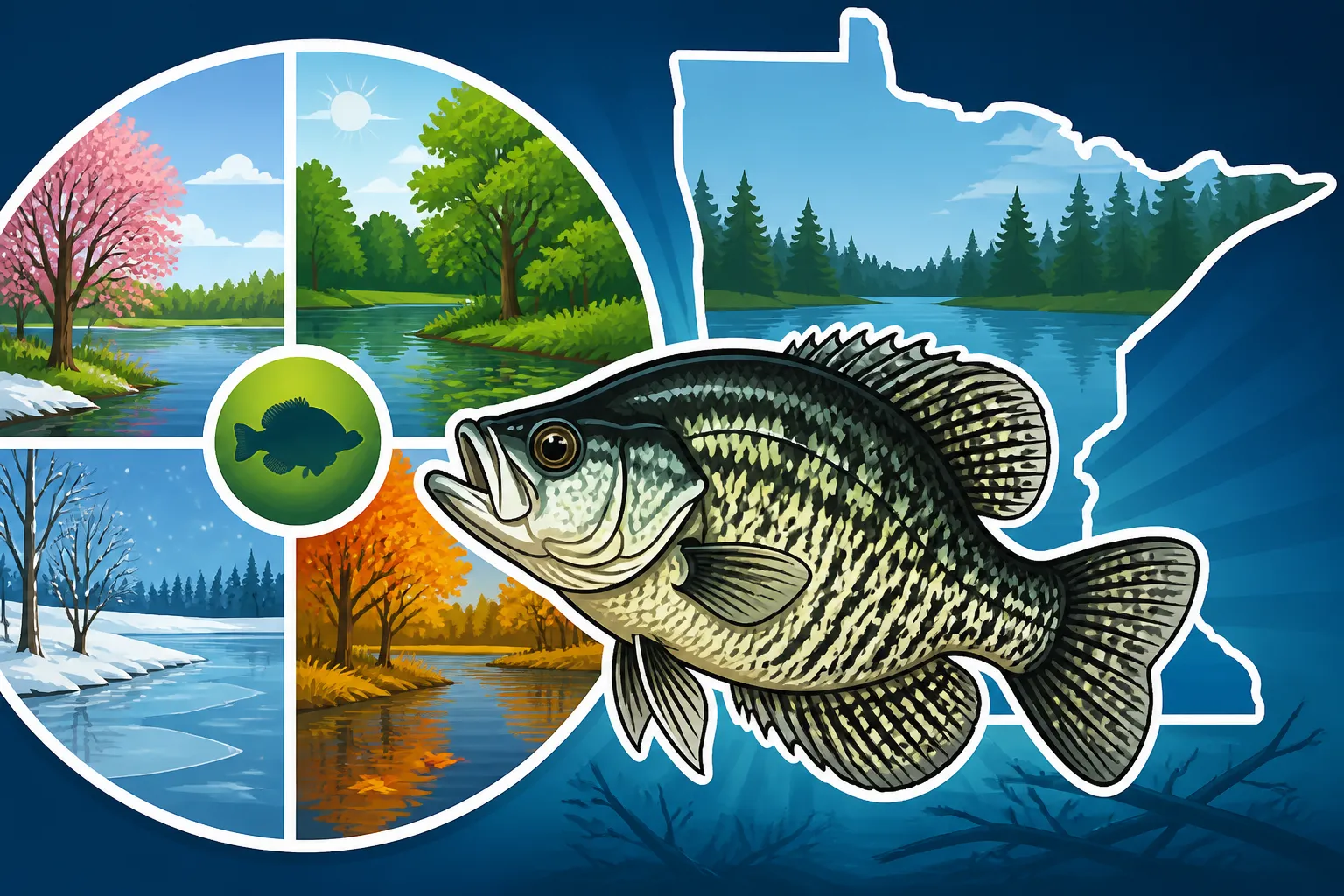
Spring in Minnesota is a magical time for crappie anglers. As the ice melts and water temperatures begin to rise, black crappies stir from their winter dormancy, becoming increasingly active and moving towards shallower water. This period is often characterized by distinct phases: early spring, the spawn, and post-spawn. Each phase presents unique opportunities and challenges for anglers.
Early Spring (Ice Out to Pre-Spawn)
Once the ice finally gives way, typically in April or early May in most of Minnesota, crappies start their migration towards warmer, shallower water. Initially, they'll hold in deeper basins adjacent to shallow spawning flats. Look for them in depths of 10-25 feet, often suspended over open water or relating to the last deep-water structure before the shallows. Points, humps, and the edges of channels leading into bays are excellent places to start.
The water temperature might still be in the high 30s or low 40s, so their movements are slow, but they're beginning to feed heavily in preparation for the spawn. Small jigs tipped with minnows or soft plastics, fished slowly, are highly effective. A classic technique is to use a sensitive spinning rod and a light line, like 4-6 pound monofilament or fluorocarbon, to feel those subtle bites. Don't be afraid to experiment with different depths until you pinpoint the active feeding zone. This is a great time to practice How to Use a Slip Bobber for Walleye & Crappie to present your bait precisely at the crappies' depth.
The Glorious Spawn Period
As water temperatures climb into the high 50s and low 60s (typically late April to mid-May, but this varies significantly by lake and year), the black crappie spawn kicks into full gear. This is arguably the most anticipated time for many crappie anglers, as fish move into very shallow water, often less than 5 feet deep, and become highly concentrated. They'll seek out protected bays, coves, and channels with dark bottoms that absorb sunlight, warming the water quickly.
Prime spawning locations include areas with abundant submerged wood, emergent vegetation like cattails or wild rice, and even beneath docks or alongside boat lifts. Males will move in first to fan out nests, followed by the females. During this time, crappies are aggressive and territorial, making them relatively easy to catch. Small jigs, often 1/32 to 1/16 ounce, tipped with a small plastic grub, tube, or a live minnow, pitched around cover are deadly. Sometimes, just a bare hook with a minnow under a small bobber is all it takes. Remember to check Minnesota Crappie & Sunfish Limits before you head out, as limits can vary by lake.
Post-Spawn Recovery and Relocation
Once the spawn is complete, typically by late May or early June, crappies enter a brief post-spawn recovery phase. Females, exhausted from laying eggs, will often move to slightly deeper water, seeking refuge and food to regain their strength. Males might linger on the nests for a short while longer, guarding the fry, but they too will eventually move out. This can be a challenging time to locate them, as they tend to be spread out and less aggressive.
Look for post-spawn crappies relating to the first available cover just outside their spawning grounds. This might be deeper weed lines, the edges of shallow flats, or brush piles in 8-15 feet of water. They'll still be looking for easy meals, but their metabolism isn't quite at its peak. Slower presentations, like a small minnow under a slip bobber or a very slowly retrieved jig, are often most effective. This transition period is short-lived, however, as rising summer temperatures soon push them into their deeper summer haunts. Many anglers often focus on other species during this brief lull, but those who persist can still find good numbers of fish. For more specific tactics, check out Spring Crappie Fishing in Minnesota.
Summer Crappie Patterns: Deep Water and Structure
Summer in Minnesota means warm water and often bright sunshine, which fundamentally changes crappie behavior. They generally vacate the shallow spawning grounds and retreat to deeper, cooler water, often suspending over open water or relating to substantial underwater structure. This is when your electronics become invaluable for locating them.
Mid-Summer Deep Water Holds
As surface temperatures soar into the 70s and 80s, black crappies seek out the cooler, more stable temperatures found deeper in the water column. They will often suspend over main lake basins, especially near drop-offs, humps, or submerged islands. The thermocline, a layer of rapid temperature change, often dictates their depth. If the lake has a distinct thermocline, crappies will frequently be found just above or within this layer, where oxygen levels are good and baitfish congregate. This could mean depths anywhere from 15 to 35 feet, depending on the lake's size and depth.
Finding these suspended schools requires good sonar or a fish finder. Once you locate them, vertical jigging with small jigging spoons, blade baits, or a simple minnow on a hook can be very effective. It’s a game of precision, dropping your offering right into the school. Trolling small crankbaits or jigs with light line can also intercept suspended crappies, particularly when covering large areas of open water.
Evening and Night Bites
While mid-day summer crappie fishing can be tough, the low-light conditions of evening and night often bring them shallower and make them more active. As the sun dips, crappies will often move from their deep, mid-day holding areas towards the edges of structure or shallower flats to feed on baitfish that have also moved up. This is a fantastic time to target them around weed edges, docks, and submerged brush in 8-15 feet of water.
Using lights to attract zooplankton and baitfish (and subsequently, crappies) is a popular and highly effective technique for night fishing. Specialized submersible fishing lights can be deployed to create a feeding frenzy right next to your boat or dock. Small jigs tipped with minnows or glow-in-the-dark plastics, fished under a sensitive slip bobber, are deadly under these conditions. The stillness of the night and the reduced boat traffic can make for some truly memorable crappie fishing experiences.
Weeds and Docks as Summer Havens
Beyond open water suspension, some crappies will hold tight to dense vegetation or man-made structures throughout the summer. Deep weed lines, especially those with access to deeper water, provide both cover and food. Similarly, large, shaded docks, particularly those with brush piles or cribs underneath, can hold significant numbers of crappies, offering a cool, dark sanctuary.
Fishing these areas often requires a more stealthy approach. Flipping or pitching small jigs and plastics into pockets in the weeds or precisely under dock structures can yield impressive results. When fishing around dense cover, a slightly heavier line might be beneficial to prevent break-offs, but still aim for lighter presentations. The key is patience and persistence, as these crappies might not be as actively roaming as their open-water counterparts.
Fall Crappie Patterns: Schooling and Feeding for Winter
Autumn is another prime time for crappie fishing in Minnesota, rivaling the spring spawn in terms of fish activity and concentration. As lake temperatures begin to drop from their summer highs, crappies enter a significant feeding period, aggressively bulking up before the long winter months. This leads to distinct patterns of aggregation and migration.
Autumn Aggregation and Migration
As late summer transitions into early fall, usually September and October, crappies start to form large schools. These schools will often migrate from their summer haunts towards deeper wintering holes, but they don't just stay put. They will move between deep water and shallower feeding flats, particularly during periods of stable weather and light conditions. Look for them on the edges of main lake points, over humps, and in the deeper sections of bays, often suspending anywhere from 10 to 30 feet, following schools of baitfish.
This is a fantastic time to use your electronics to locate these large aggregations. Once found, vertical jigging with minnows or small jigging spoons is incredibly effective. Trolling small crankbaits like the classic Rapala Original Floater or a small Bomber Square A can also cover water and entice these actively feeding fish. The crappies are generally less finicky during this period, focused on packing on calories.
The Fall Turnover Impact
Mid-fall, typically late October or early November, brings with it the phenomenon of "fall turnover." As the surface water cools to the same temperature as the deeper water (around 39 degrees Fahrenheit), the entire water column mixes. This can temporarily disperse baitfish and crappies, making fishing more challenging for a week or two. Oxygen and temperature become uniform, and the fish might be found almost anywhere in the water column.
After the turnover, however, the lake stabilizes, and crappies often settle into their deep wintering patterns, but with renewed aggression. They will concentrate heavily in deep holes, main lake basins, and near channels, often suspending just above the deepest part of the lake. This post-turnover period can offer some of the best fall crappie fishing, as fish are once again schooled up and actively feeding before the ice forms. Similar tactics to the early fall aggregation work well, with a strong emphasis on precise depth control and presenting baits slowly through the schools.
Winter Crappie Patterns: Ice Fishing Strategies
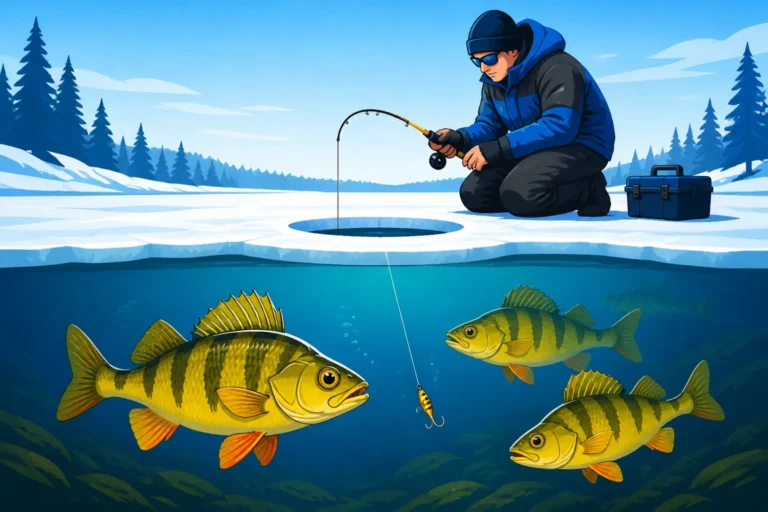
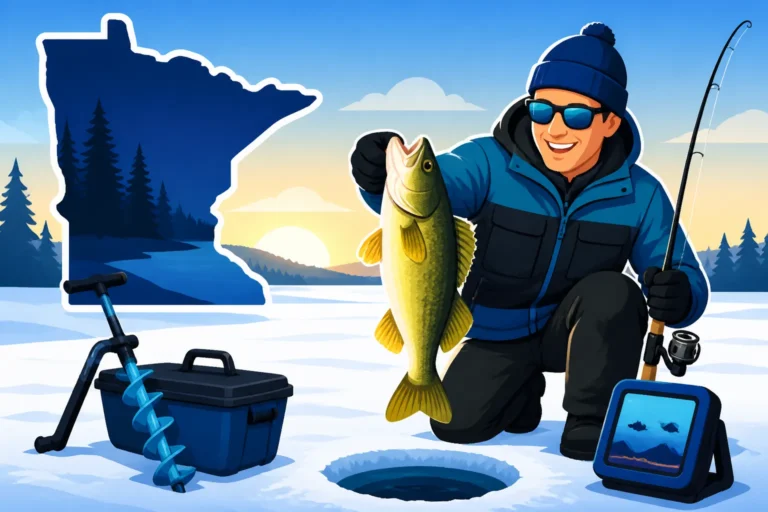
When the lakes freeze over in Minnesota, the crappie bite doesn't stop; it simply shifts beneath a layer of ice. Ice fishing for crappie is a popular pastime, offering unique challenges and rewards. Understanding their movements throughout the ice season is key to consistent success. For a broader overview of winter tactics, check out Ice Fishing for Crappie & Panfish.
Early Ice Hot Spots
As soon as safe ice forms, typically in November or December, crappies are often found relatively shallow compared to mid-winter. They might still be holding on the edges of deep weed lines, near the last available green weeds, or in the deeper sections of bays and channels in 10-20 feet of water. These areas were often productive in late fall, and crappies will linger there before committing to their deep wintering holes.
Small jigs, such as a Clam Drop-Kick or a Northland Tackle Bro Bug, tipped with a small minnow head, wax worm, or plastic tail, are ideal. A sensitive ultra-light rod and a good ice fishing flasher like a Vexilar or Humminbird are essential for detecting light bites and finding fish. The key is to drill many holes and be mobile, searching for active schools. Often, the early ice bite can be fast and furious once you locate them. You might even find yourself reaching for a quality portable Ice Fishing Shelter for Minnesota to keep comfortable in the often-chilly early season conditions.
Mid-Winter Deep Water Drifters
By mid-winter, typically January and February, crappies generally retreat to their deepest wintering holes. They will often suspend in the main lake basins, over deep structure, or in channels, sometimes at depths exceeding 30-40 feet. Their metabolism slows considerably, and they become more lethargic, often "sucking" rather than striking a bait.
During this time, finding them can be challenging, but once located, they tend to stay in these areas. Precision is paramount. Using your flasher to pinpoint their exact depth and then presenting a small jigging spoon, a tungsten jig, or a horizontal jig tipped with a live minnow or plastic right to their nose is crucial. A slow, subtle jigging cadence is often more effective than aggressive movements. Some anglers prefer to fish a deadstick, letting a live minnow just hang motionless a few feet above the crappies, while actively jigging another rod.
Late Ice and Approaching Spring
As late winter transitions into early spring, typically March, the crappies begin to feel the pull of the upcoming spawn. While still under the ice, they start to become more active and will often move shallower, mirroring their pre-spawn movements. They might push back towards the edges of deep weeds, into the mouths of bays, or around shallower structure in 15-25 feet of water.
The bite can pick up dramatically during this period, with fish more willing to chase and strike. Often, anglers will notice improved bites in areas with incoming current or where snow has melted off the ice, allowing more light penetration and subtly warming the water below. Standard ice fishing jigs and minnows remain effective, but don't be afraid to try slightly larger presentations or more aggressive jigging actions. This is often a final flurry of activity before the ice finally breaks up, ushering in the open water spring season once again.
Here's a quick summary of typical black crappie seasonal patterns in Minnesota:
| Season | Typical Water Temp | Location & Depth | Common Baits & Techniques | Notes |
|---|---|---|---|---|
| Early Spring | 40-55°F | Deeper basins, channel edges (10-25 ft) | Jigs w/minnows/plastics, slow retrieve | Pre-spawn staging, actively feeding. |
| Spawn | 58-65°F | Shallow bays, weed edges, docks (<5 ft) | Small jigs w/minnows/plastics, bobbers | Highly concentrated, aggressive & territorial. |
| Post-Spawn | 65-70°F | First deep cover outside spawn areas (8-15 ft) | Minnows under slip bobbers, slow jigs | Brief recovery period, can be scattered. |
| Summer | 70-80°F+ | Suspended over basins, deep weed lines (15-35 ft) | Jigging spoons, blade baits, trolling cranks | Electronics crucial. Night fishing often productive. |
| Fall | 50-65°F (early) | Points, humps, basin edges (10-30 ft) | Jigs w/minnows, small crankbaits | Schooling up, aggressive feeding before winter. Turnover can disrupt. |
| Early Ice | 32-38°F | Deep weed lines, bay entrances (10-20 ft) | Tungsten jigs, minnows, wax worms | Active bite, fish still in shallower staging areas. Drill and move. |
| Mid-Winter | 32-35°F | Deep main lake basins, channels (25-45 ft) | Small jigs, spoons, deadsticks w/minnows | Lethargic, subtle bites. Precision fishing with electronics is key. |
| Late Ice | 32-38°F | Deeper weed edges, bay mouths (15-25 ft) | Jigs, minnows, plastics, more active jigging | Increased activity as spring approaches. |
Ultimately, fishing for black crappie in Minnesota is a rewarding pursuit that offers year-round opportunities. By understanding how these fish react to seasonal changes, temperature shifts, and the availability of food and cover, you can dramatically increase your chances of success. Whether you're casting jigs in spring, targeting deep schools in summer, chasing them in the fall, or dropping a line through the ice in winter, knowing the seasonal patterns for black crappie in Minnesota will help you find those prized papermouths. Sometimes, a quick search on Amazon for the right lure or a specific type of ice fishing apparel can even make all the difference in staying comfortable and effective on the water!
Disclaimer
Fishing regulations, including seasons, limits, and specific lake rules, can change. Always consult the most current Minnesota Department of Natural Resources (DNR) fishing regulations handbook or website before heading out on the water. This guide provides general information and best practices, but it is your responsibility to know and follow all applicable laws.