Best Tip-Ups for Pike Fishing
There's nothing quite like the thrill of seeing that flag fly on a cold Minnesota winter day, especially when you're targeting big northern pike. But if you've ever struggled with a tip-up that freezes solid, has a flag that won't trip, or just feels flimsy in the hands of a hard-fighting fish, you know the frustration. Choosing the right tip-up isn't just about catching fish; it's about making your ice fishing experience smooth and enjoyable. This comprehensive guide will walk you through everything you need to know to pick the best tip-ups for chasing those toothy pike, ensuring your gear stands up to the challenge.
Why Tip-Ups Are Essential for Pike Fishing in Minnesota
Pike fishing through the ice is a whole different ballgame compared to jigging for panfish or even walleye. Northern pike are ambush predators, often cruising expansive areas or holding tight to structure, and covering water effectively is key. That's where tip-ups truly shine, allowing you to maximize your chances and keep an eye on multiple potential strike zones simultaneously without needing to be actively jigging every rod.
The Advantage of Multiple Lines
Imagine sitting in your cozy ice shelter, maybe jigging for crappies, but also having several tip-ups strategically placed around your main fishing area, each armed with a juicy minnow or sucker. Minnesota fishing regulations allow anglers to use How Many Lines Can You Use Ice Fishing in Minnesota? on the ice, which is a massive advantage when targeting mobile species like pike. Each tip-up acts as an independent sentinel, broadcasting your bait and waiting for a hungry pike to cruise by.
This strategy dramatically increases your fishing footprint. Instead of just focusing on the small area directly under your jigging hole, you can spread out your lines over a much larger zone. For example, on a broad weed flat on Lake Winnibigoshish or a rocky point on Lake Vermilion, pike might be scattered. Deploying multiple tip-ups lets you prospect different depths and cover more ground, effectively multiplying your chances of intercepting a cruising fish. It’s like having several extra pairs of eyes watching your baits while you focus on one main line, dramatically boosting your odds of seeing that flag fly.
Covering Water Effectively
Northern pike, especially the larger ones, aren't always concentrated in tight schools like panfish. They often patrol large areas, particularly along weed lines, drop-offs, or submerged points. A single jigging hole can only cover so much territory. With tip-ups, you can set up a wide spread, covering various depth contours and structural elements, which is especially important when you're trying to figure out where the fish are holding on any given day.
Consider a scenario where you're fishing a large bay on Leech Lake. You might place one tip-up near a shallow weed edge in 8 feet of water, another on the breakline dropping to 15 feet, and a third on a subtle hump in 12 feet. This systematic approach allows you to identify where the pike are most active. When a flag flies, it's not just a fish; it's a data point telling you where to concentrate your efforts, helping you decode the day's pattern and adjust your other sets. It’s about being proactive rather than simply waiting for a fish to swim directly beneath you, which can make all the difference on tough days.
Understanding Different Types of Tip-Ups
Just like there are different fishing rods for different applications, tip-ups come in various designs, each with its own advantages and disadvantages. Knowing these distinctions is crucial for selecting the right tool for your specific pike fishing adventures, especially when dealing with tough Minnesota winters and the aggressive nature of a northern pike.
Traditional Wood and Plastic Frame Tip-Ups
These are the workhorses of the ice fishing world, the designs many of us grew up with. Traditional tip-ups typically feature a wooden or plastic frame that straddles the ice hole, with a reel or spool submerged in the water and a spring-loaded flag mechanism above. They are generally straightforward, reliable, and often the most budget-friendly option, making them a staple in many anglers' arsenals.
Brands like Beaver Dam and Heritage Laker offer classic wooden models that are known for their durability and smooth operation, becoming almost heirlooms passed down through generations. These wooden beauties often use a grease-filled tube for consistent performance in sub-zero temps. Plastic frame models, often from brands like HT Enterprises or Frabill, tend to be lighter and more impervious to water absorption, making them a popular choice for their low maintenance. While simple, their effectiveness relies on basic mechanics, ensuring they trip reliably when a fish pulls line, which is exactly what you need when a big pike decides to run.
Thermal Tip-Ups
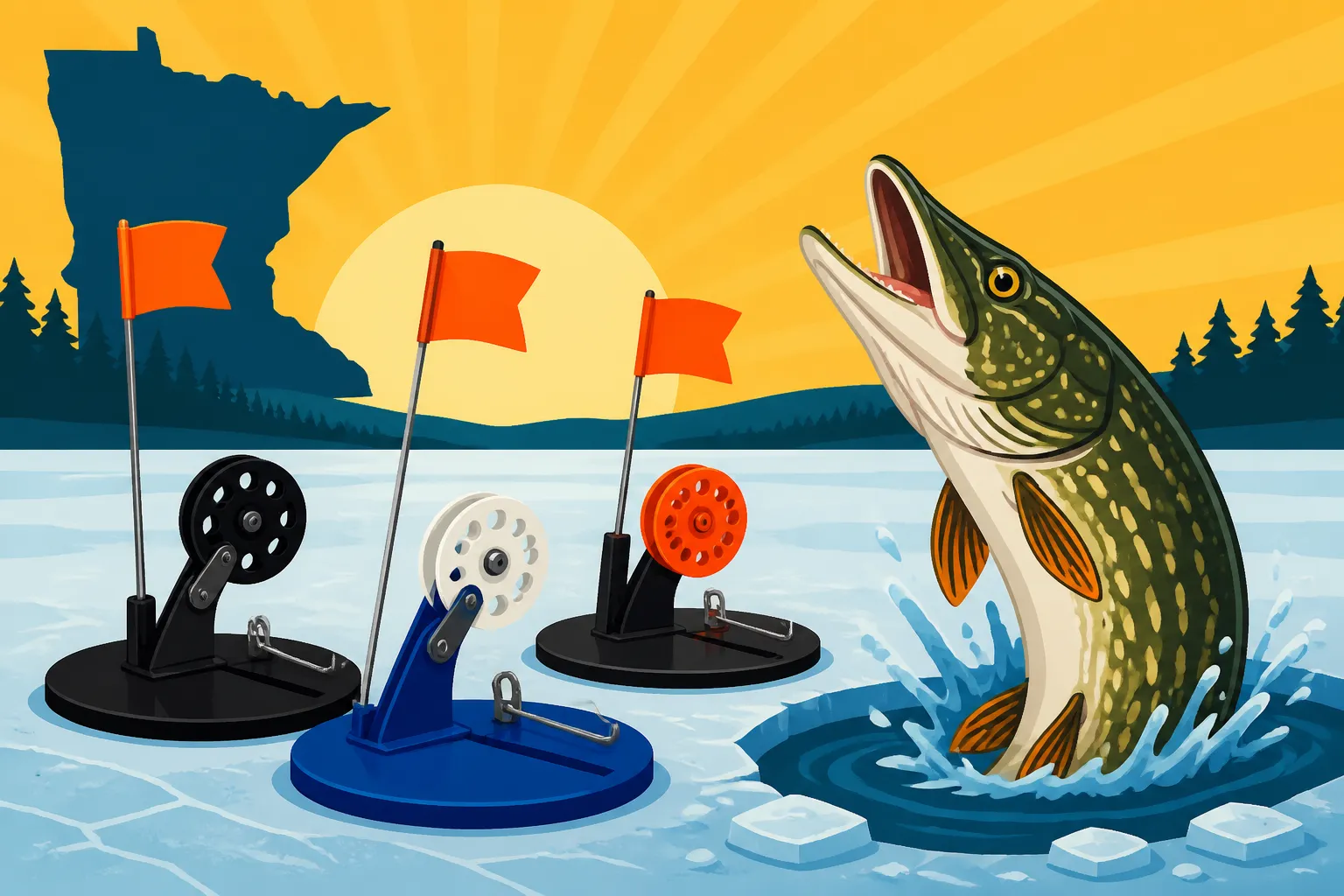
Minnesota winters can be brutal, and nothing's worse than having your tip-up hole freeze solid, rendering your setup useless and forcing you to chip ice instead of fish. That's where thermal tip-ups come into their own. These designs typically feature a circular or square base made of insulating foam or high-density plastic that completely covers the ice hole. This insulated barrier acts like a lid, trapping heat and preventing the hole from freezing over, even in sub-zero temperatures.
The Frabill Thermal Bro and Clam Thermal Tip-Up are prime examples, keeping the hole open for extended periods without needing constant attention. This is a huge advantage, especially when you're fishing overnight, in slushy conditions, or in extremely cold temperatures, allowing your line to run freely and your bait to remain active for longer. For pike, who might take their sweet time to mouth the bait before making a full run, a free-flowing line is critical to avoid premature flagging or resistance that could spook the fish. Investing in a few quality thermal tip-ups can save you a lot of hassle and lost fishing time, letting you focus on the fishing, not the ice.
Automatic Hook-Setting Tip-Ups
Now, if you're looking for something that adds a little extra "oomph" to your tip-up game, automatic hook-setting tip-ups might be just what you need. These innovative devices go beyond simply signaling a bite; they actually set the hook for you when a fish takes the bait. Typically, they use a spring-loaded mechanism that, once triggered by a fish pulling the line, rapidly snaps the rod or line upward, driving the hook into the fish's mouth with surprising force.
The JawJacker or Automatic Fisherman are popular examples of this type, often used with a short jigging rod. While they can be incredibly effective, especially for light-biting fish or when you're not immediately available to grab the line, there are a few things to consider. Some anglers prefer the traditional feel of setting the hook themselves, and these mechanisms can sometimes result in gut-hooked fish if not managed carefully. Always check local regulations, as some areas might have specific rules regarding automatic hook setters – it’s always best to be informed on Minnesota Fishing Seasons & Opener Dates (2026). For pike, their aggressive strike often means a manually set hook works just fine, but an automatic setter can be a good tool for those times when you want that extra edge or are fishing in a group and can't be everywhere at once.
Key Features to Look for in a Pike Tip-Up
When you're out there chasing those toothy critters in Minnesota, your tip-ups need to be more than just a flag on a stick. Pike are strong, they fight hard, and the conditions can be unforgiving. So, let's talk about the specific features that elevate a good tip-up to a great tip-up for pike, ensuring it can handle the cold, the fish, and everything in between.
Durability and Construction
This is non-negotiable. A flimsy tip-up is a wasted investment, especially when battling a hefty northern pike that can quickly expose weak points. Look for robust materials that can withstand freezing and thawing cycles, constant handling, and the occasional drop on the ice. Wooden tip-ups, like those from Beaver Dam or Heritage Laker, are renowned for their strength and longevity, often crafted from quality hardwoods like cedar or oak that resist warping and hold up remarkably well. Plastic models, such as many offerings from Frabill or HT Enterprises, should be made from high-impact, cold-resistant plastics that won't become brittle and crack in sub-zero temperatures.
Crucially, consider the components: are the metal parts rust-resistant? Stainless steel or brass hardware will last much longer than cheap plated steel, which can quickly corrode in icy, wet conditions. The arm that holds the flag should be sturdy and not prone to bending. The spool mechanism needs to be smooth and free of play. A wobbly spool can cause line tangles or create resistance that a cautious pike might detect. When you're out on the ice, potentially miles from your vehicle, you want gear you can trust, not something that's going to break on the first big run. Durable options can often be found at local tackle shops or even online retailers like Bass Pro Shops.
Flag Sensitivity and Height
A flag is your primary indicator of a bite, so its performance is paramount. For pike, you want a flag that's sensitive enough to trip on subtle bites – because sometimes even a big pike can be surprisingly gentle – but not so sensitive that it's constantly false-flagging from wind, currents, or small panfish nibbling at your bait. Many quality tip-ups offer adjustable tension settings on the flag mechanism, allowing you to fine-tune it for different bait sizes and fish activity levels, which is a real game-changer.
The height of the flag is also incredibly important. A tall, brightly colored flag (think fluorescent orange or yellow) is much easier to spot from a distance, especially on a vast, snow-covered lake. Imagine you're fishing a sprawling bay on Lake of the Woods, with several tip-ups spread across a quarter-mile; a high-visibility flag means you'll see that strike sooner, allowing you to get to the hole faster and increase your hook-up ratio. Some models even feature reflective tape or glow-in-the-dark flags for low-light conditions or night fishing, which can be incredibly useful when Night Fishing for Walleye in Minnesota and when targeting nocturnal pike.
Spool Size and Line Capacity
Pike are known for their explosive runs. When a 10-pound northern hits a lively sucker minnow, it's going to take line, and it's going to take it fast. Your tip-up's spool needs to be large enough to hold ample line capacity and allow that line to peel off smoothly without snagging or creating excessive drag. For serious pike fishing, you're generally looking at spools that can comfortably hold at least 50-100 yards of 20-30 lb test braided or monofilament line. A shorter line capacity can mean getting spooled by a truly massive fish.
A larger spool diameter also reduces line memory – those annoying coils that form from line being stored on a small spool – which can lead to twists and tangles. A smooth drag system, though often just a simple tension nut on a tip-up, is also beneficial. You want enough resistance to prevent a free-spooling situation but not so much that a fish feels undue pressure and drops the bait prematurely. Look for well-engineered spools that spin freely on a shaft without wobbling, ensuring your line deploys without a hitch and giving that pike plenty of room to run before you set the hook.
| Feature | Description | Benefit for Pike Fishing |
|---|---|---|
| Construction | Heavy-duty wood or high-impact, cold-resistant plastic frames | Withstands harsh conditions, powerful fish, and extended use. |
| Hardware | Stainless steel or brass components | Prevents rust and corrosion, ensuring smooth operation and longevity. |
| Flag Sensitivity | Adjustable tension mechanism | Allows fine-tuning for subtle bites vs. wind/small fish, reducing false alarms. |
| Flag Height | Tall, brightly colored (e.g., fluorescent orange) | High visibility from a distance, crucial on large, open ice. |
| Spool Diameter | Large diameter (e.g., 3-4 inches) | Reduces line memory, allows smooth line payout during a run. |
| Line Capacity | Holds 50-100+ yards of 20-30 lb line | Accommodates long runs from large pike, prevents spooling. |
| Thermal Base | Insulated base that covers the hole (on some models) | Prevents ice-over in cold weather, keeps line free-running. |
| Trip Mechanism | Reliable, smooth tripping action | Ensures the flag signals a bite consistently without sticking. |
Setting Up Your Pike Tip-Up for Success
Having the best tip-up is only half the battle; knowing how to set it up correctly and deploy it strategically makes all the difference. Pike are cunning and can be surprisingly finicky, and a well-rigged tip-up can turn a missed opportunity into a trophy catch. Getting into the nuances of How to Set Up Tip-Ups for Pike correctly is a crucial skill for any ice angler.
Rigging for Northern Pike
When it comes to rigging for pike, durability and stealth are your watchwords. These fish have mouths full of razor-sharp teeth, so your standard monofilament leader isn't going to cut it – they'll bite right through it in a heartbeat. You'll absolutely need a bite-proof leader, typically made from heavy fluorocarbon (50-80 lb test), steel leader, or titanium. A good quality steel leader from a reputable brand like American Fishing Wire or Mason is an excellent choice for preventing bite-offs, ensuring your trophy doesn't swim away with your tackle. Attach your leader to your main line using a strong knot like a uni-knot or a double uni, or a high-quality swivel.
For hooks, consider single or treble hooks sized appropriately for your bait and the size of pike you're targeting. A common and highly effective setup is a quick-strike rig, which typically uses two treble hooks that are positioned along the body of a large minnow or sucker. This rig is designed to hook the fish as soon as it grabs the bait, minimizing deep hook sets and improving catch-and-release success for Northern Pike in Minnesota: Identification & Where to Catch. Another effective option is a large, strong single hook (e.g., 3/0 to 6/0 octopus hook) through the back of a lively sucker minnow, ensuring the bait can swim freely. Always make sure your knots are strong, and all connections are secure – a trophy pike will test every weak link in your setup.
Optimal Bait Presentation
Pike are opportunistic eaters, but a lively, well-presented bait is always more appealing and will draw them in from a greater distance. For pike, live bait is king. Large sucker minnows, shiners, or even robust golden shiners (where legal, always check current Northern Pike Season & Limits in Minnesota and lake-specific regulations) are irresistible to hungry pike. Hook your baitfish carefully, often through the dorsal fin or just behind it, ensuring it stays active and swims naturally. Avoid hooking it through the tail, as this can impede its movement and make it look unnatural, which can deter cautious pike.
Consider the depth. Pike often cruise at various depths depending on the lake, time of day, and availability of forage. A good starting point is to set your bait just above any weed beds, rocky structures, or sharp drop-offs you've identified with your fish finder or lake map. If you're fishing in 15 feet of water with a weed line at 10 feet, setting your bait at 9 feet can be incredibly effective, positioning it right in the strike zone. Experiment with different depths across your spread of tip-ups until you find where the fish are most active. The goal is to make your bait look like an easy meal that's struggling just enough to catch a pike's attention. Think of it like serving up the perfect appetizer. For more tips on bait, check out our guide on Best Live Bait for Walleye (Leeches, Minnows, Crawlers), as many of those baits also work for pike.
Placement and Monitoring Strategies
Strategic placement of your tip-ups is absolutely crucial. Don't just drill holes randomly; that's a recipe for a slow day. Use a detailed lake map (many apps like Navionics offer excellent contours) or your fish finder to locate key pike habitat: weed edges, points, humps, sharp drop-offs, or even areas where feeder creeks enter the lake. These are natural ambush points for pike, where they can lie in wait for unsuspecting prey. Spread your tip-ups out, but always keep them within a reasonable distance so you can respond quickly when a flag flies. A good rule of thumb is to be able to see all your flags from your main fishing location or shelter, minimizing the dash across the ice.
Constantly monitor your flags. When one goes up, don't rush in blindly and stomp all over the ice. Take a moment to observe the spool. Is the line peeling off steadily? Is it taking short, jerky pulls? A steady run usually indicates the pike has swallowed the bait and is moving away. When the run slows or stops, it's often the fish turning the bait to swallow it, getting it into position. This is usually the prime time to approach, gently pick up the line, feel for the fish, and set the hook with a firm, sweeping motion. Remember, patience is key. Sometimes a pike will mouth a bait for a while before committing, and rushing in can spook them, so a little observation goes a long way. To find the best spots, consider our guide on Where to Catch Northern Pike in Minnesota.
Popular Tip-Up Brands and Models for Minnesota Anglers
When it comes to tip-ups, Minnesota anglers have their favorites, often honed through years of icy experience. While personal preference plays a huge role, certain brands and models consistently stand out for their reliability, durability, and effectiveness in our challenging winter conditions. Knowing these tried-and-true options can save you a lot of trial and error.
Traditional Favorites
For many, "tip-up" is synonymous with Beaver Dam Tip-Ups. These iconic, handcrafted wooden tip-ups are legendary for their smooth operation, robust construction, and ability to handle the biggest pike Minnesota has to offer. Made in Wisconsin, they've earned a loyal following here for a reason. Their solid cedar construction, grease-filled tube for smooth sub-zero performance, and easily adjustable tension make them a top-tier choice that often outlasts their owners. They are an investment, but one that often lasts a lifetime, providing years of reliable service. You'll see these beauties on lakes from Upper Red Lake down to Lake Minnetonka, often passed down through generations.
Another strong contender in the traditional category is Heritage Laker Tip-Ups. Also known for their sturdy wooden construction and reliable performance, they offer a slightly different aesthetic but the same core principles of durability and functionality. Both Beaver Dam and Heritage Laker represent the "buy it once, use it forever" philosophy that many seasoned ice anglers appreciate. They might not have all the bells and whistles of some newer models, but they get the job done, and they do it well, year after year, proving that sometimes simple and solid is truly the best approach.
Innovative Designs
Beyond the classics, there are several brands pushing the envelope with innovative features to address specific ice fishing challenges. Frabill is a leader in ice fishing gear and offers a wide range of tip-ups, including excellent thermal models like the Frabill Thermal Bro or Frabill Pro Thermal. These are fantastic for keeping your hole from freezing, which is a major advantage on brutal Minnesota mornings when lesser tip-ups would be cemented in ice. Frabill also makes traditional plastic models that are lightweight and very affordable, making them a great starting point for beginners who are just getting into Ice Fishing in Minnesota: Complete Beginner-to-Pro Guide.
Clam Outdoors, another Minnesota-based company, also has popular thermal tip-ups like the Clam Thermal Tip-Up that incorporate similar insulating benefits, helping you keep your lines clear in the coldest conditions. For those interested in automatic hook-setting, the JawJacker has gained immense popularity for its ability to set the hook for you, especially useful when you're busy with another flag or in your ice house. While innovative, always remember to check your specific lake's regulations regarding automatic hook setters before deploying these. Each of these brands brings something unique to the table, catering to different angler preferences and environmental needs, giving you plenty of options when building your pike spread. For more general gear recommendations, check out Best Gear for Ice Fishing Northern Pike in Minnesota.
Where to Buy Your Tip-Ups
Finding the right tip-ups is usually pretty easy, especially here in Minnesota where ice fishing is practically a religion. For a hands-on experience and expert advice, your local bait shops are always a fantastic resource. They often carry regional favorites that are proven performers on local lakes and can give you specific recommendations based on the lakes you plan to fish and the conditions you expect. Supporting these local businesses is always a good idea.
Larger sporting goods stores, like Cabela's or Fleet Farm, also stock a wide selection of tip-ups from various brands, giving you a broad overview of what's available. If you prefer the convenience of online shopping, major retailers like Amazon and Bass Pro Shops offer extensive inventories. You can browse different models, read reviews from other anglers, and compare prices from the comfort of your home. Just remember to account for shipping times, especially if you're gearing up for an imminent trip. Whether you buy in person or online, make sure to inspect your tip-ups upon arrival to ensure everything is in perfect working order before you hit the ice.
Maintenance and Storage for Longevity
Your tip-ups endure a lot of abuse – freezing temperatures, snow, slush, and the thrashing of a hooked pike. Proper maintenance and storage aren't just about keeping them working; they're about extending their lifespan and ensuring they're ready to perform flawlessly every time you hit the ice. Treat your gear well, and it will treat you well in return, season after season. For a complete overview of keeping your gear in top shape, check out our Best Ice Fishing Gear for Minnesota (2027 Guide).
Cleaning and Inspection
After every trip, especially if you've had a successful day with fish slime and bait residue, take a few minutes to properly clean your tip-ups. A simple rinse with warm water will remove most of the grime and any lingering odors. For wooden models, it's crucial to ensure they dry thoroughly before storing to prevent warping, rot, or mold from setting in. Pay close attention to the spool and flag mechanism; ensure they're free of ice, dirt, or tangled line that could impair their function.
During cleaning, it's also the perfect time to perform a quick inspection. Check for any signs of wear and tear: Are there any cracks in the plastic or wood frame that could compromise its integrity? Is the flag spring still snappy and responsive, or has it lost its tension? Does the spool spin freely without resistance, or is it grinding? Are there any bent components? Is the line in good condition, or does it need replacing? (Sunlight and abrasion can weaken line over time, especially if it's left on the spool for extended periods.) Addressing minor issues immediately can prevent them from becoming major problems later. For example, a small amount of reel grease or silicone spray on the moving parts can keep them operating smoothly in cold conditions.
Proper Storage
How you store your tip-ups between trips, and especially during the off-season, can significantly impact their longevity. Always store them in a dry, well-ventilated area, away from direct sunlight and extreme temperature fluctuations. A shed, garage, or dedicated gear closet works perfectly. Avoid leaving them in a damp basement or exposed to the elements, which can lead to rust on metal parts, rot on wooden components, or brittle plastics that crack easily.
Consider a dedicated storage solution. Many anglers use plastic totes or milk crates to keep their tip-ups organized and protected from bumps and scrapes during transport and storage. Some even have custom-made boxes or bags designed to fit their specific models. Before putting them away for the summer, it's a good idea to remove all line, especially if it's been exposed to a lot of sunlight or fish. This allows the spools to air out completely and prevents unnecessary stress on the line. Storing them neatly also means they'll be ready to grab and go for that first ice trip of the new season, saving you valuable prep time when you're itching to get back out there.
Troubleshooting Common Issues
Even with the best tip-ups, sometimes things go wrong, and it can be incredibly frustrating when you're out on the ice and your gear isn't cooperating. Knowing how to quickly troubleshoot common issues can save a fishing trip from turning into a bust. The most frequent problem is the flag mechanism freezing. This often happens if water gets into the main shaft and freezes solid, preventing the flag from tripping. A quick squirt of a de-icer spray (available at most tackle shops) or even a splash of warm water (if you have it) can usually free it up. Prevention is better, so make sure to dry your tip-ups thoroughly before setting them out in extreme cold, or use thermal tip-ups to mitigate this problem entirely.
Another common issue is line tangles or twists, often caused by line memory or improper spooling. If your line is coiling excessively and causing problems, it might be a sign that it's time to replace it with fresh line. For persistent twists, try letting out a significant amount of line in open water (if possible) without a lure, and reel it back in under light tension. If your flag isn't tripping, carefully check the tension setting and ensure no ice or debris is obstructing the mechanism. If the spool is sticky or not rotating smoothly, it likely needs cleaning or a bit of lubricant. A little proactive problem-solving keeps your day on the ice smooth and minimizes frustration, ensuring you're always ready for that next pike run.
Disclaimer
As an Amazon Associate I earn from qualifying purchases. This guide is for informational purposes only. Always check the latest Minnesota DNR fishing regulations before heading out on the ice, as rules and limits can change seasonally and by specific lake. Local conditions and ice safety should always be your top priority.