Northern Pike Season & Limits in Minnesota
Many Minnesota anglers find themselves scratching their heads when it comes to Northern Pike regulations. It's not as simple as a single statewide rule; with varying zones and special length restrictions, figuring out what you can keep can be a real headache, especially with the state's ongoing efforts to improve pike populations. This comprehensive guide is here to untangle the complexities of Northern Pike seasons and limits across Minnesota, ensuring you're compliant and confident on your next fishing adventure.
Understanding Northern Pike Regulations in Minnesota
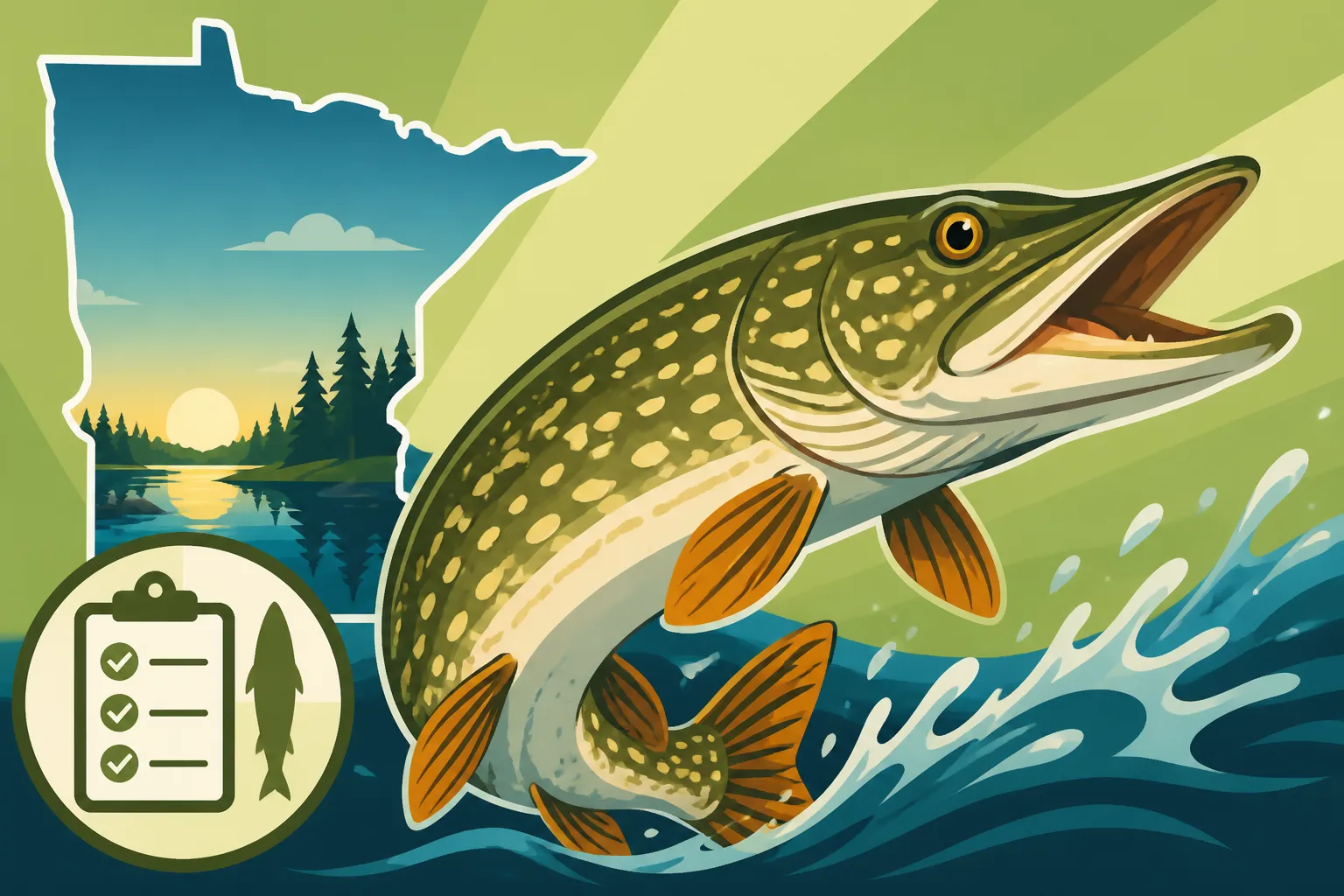
Northern Pike are a beloved species across Minnesota, known for their aggressive strikes and respectable size. However, for years, many lakes faced an overpopulation of smaller, "hammer handle" pike, leading to stunted growth and a less desirable fishing experience. To combat this and create healthier fisheries, the Minnesota Department of Natural Resources (DNR) implemented a zone-based management system. This system aims to create diverse pike populations, offering opportunities for both harvesting smaller fish and catching trophy-sized specimens, depending on the specific zone you're fishing in.
Why Pike Regulations Are Zoned
The decision to implement a zone-based system wasn't arbitrary; it was a strategic move by the DNR based on extensive research and angler feedback. Historically, many lakes, particularly in the central and southern parts of the state, were inundated with a high number of small Northern Pike. These fish compete heavily for limited resources, leading to slow growth rates and very few larger individuals. Anglers would often catch numerous pike, but rarely anything substantial. This "hammer handle" problem meant that while pike were abundant, the quality of the fishery suffered.
By establishing different zones with tailored regulations, the DNR can manage pike populations more effectively. In some areas, the goal is to encourage anglers to harvest smaller pike, thereby reducing competition and allowing remaining fish to grow larger. In other zones, the focus is on protecting a middle range of pike to ensure they survive to reach trophy sizes. It's a delicate balance, but one that ultimately aims to create more resilient and rewarding pike fisheries across the state. Understanding these underlying goals helps anglers appreciate why the rules are the way they are, rather than just seeing them as confusing mandates.
How to Confirm Specific Lake Rules
While this guide provides a solid overview of the general zone rules, it's absolutely critical to remember that some individual lakes may have special regulations that supersede the zone-specific rules. Imagine planning a trip to a popular spot like Lake Winnibigoshish or even a smaller, local lake; you don't want to get there and realize the rules are different than you thought. These special regulations are often implemented to address unique population dynamics or specific conservation goals for that particular body of water.
Before you cast a line, always, always check the current Minnesota Fishing Regulations handbook or, even better, use the DNR's LakeFinder tool online. This tool is a lifesaver, allowing you to search for specific lakes and instantly see any special regulations for all fish species. You'll also often find signage at public boat launches detailing any special limits. A quick check on your phone or a printed page from the DNR website can save you a potential headache – and a hefty fine – later on. It’s always better to be over-prepared than under-informed when it comes to fishing regulations in Minnesota.
Statewide Northern Pike Seasons and General Limits
While the specific length and bag limits for Northern Pike vary by zone, the general open season dates typically remain consistent across much of Minnesota. Knowing these foundational rules is the first step before diving into the nuances of each management zone.
Open Seasons for Northern Pike
For most of Minnesota, the open season for Northern Pike runs continuously from the Saturday two weeks prior to the Saturday of Memorial Day weekend through the last day of February. This means you have a long window to pursue these toothy predators, encompassing spring, summer, fall, and winter ice fishing. For many anglers, the pike opener is just as exciting as the walleye opener, signaling the true start of the open water season. If you're looking for exact dates for all species, you can always refer to the official Minnesota Fishing Seasons & Opener Dates (2026) guide.
During the open water season, pike are often found in weedy bays or along structure, making them accessible to both boat and shore anglers. Come winter, they're a popular target for ice fishing, often caught on tip-ups or by jigging. This extended season provides ample opportunity to try different techniques and explore various lakes throughout the year.
Understanding Overall Possession Limits
Beyond the daily bag limit (the number of fish you can keep in a 24-hour period), Minnesota also has an important concept called the "possession limit." This refers to the total number of fish of a single species you are legally allowed to have in your possession at any given time, whether they are freshly caught, stored at your cabin, in your freezer at home, or at a fish processor. For Northern Pike, and most other species in Minnesota, the possession limit is generally the same as the daily bag limit unless otherwise specified. You can find more comprehensive details on this subject in our guide to Minnesota Possession Limits Explained.
For example, if the daily bag limit in your zone is 10 pike, your possession limit is also 10. This means you can't go out and catch 10 pike on Monday, bring them home, and then go out and catch another 10 on Tuesday, having 20 pike total in your freezer. The absolute maximum you can possess is the stated limit. This rule is crucial for conservation, preventing anglers from stockpiling fish and putting undue pressure on fish populations. Always ensure that the total number of fish you have, regardless of where they are stored, does not exceed the allowed possession limit for that species and zone.
Detailed Northern Pike Limits by Zone
Now, let's get into the nitty-gritty of the Northern Pike regulations in Minnesota, broken down by the specific management zones. These rules are designed to shape the pike populations in each region according to the DNR's management goals, so pay close attention to the details for where you plan to fish.
The North-Central Zone: Balancing Harvest
This zone, covering a large swath of Minnesota's prime fishing territory, including many popular vacation destinations, aims to increase the average size of Northern Pike by protecting medium-sized fish while encouraging the harvest of smaller ones. The rules here are a bit more nuanced than a simple number.
In the North-Central Zone, the daily bag limit for Northern Pike is 10 fish. However, there's a critical length restriction: you are not allowed to keep any pike between 22 and 26 inches. If you catch a pike in this "protected slot," you must immediately release it. Additionally, out of your 10 fish limit, no more than two pike can be over 26 inches in length.
This regulation encourages anglers to keep the more abundant smaller pike (under 22 inches), reducing competition for food and allowing those fish to grow faster. By protecting the 22-26 inch pike, the DNR hopes to ensure more fish reach that next tier of size, eventually contributing to larger individuals for anglers to pursue. Imagine you've caught a few pike under 22 inches and suddenly hook a beautiful 24-inch fighter. You'd have to carefully release it, knowing you're contributing to a healthier fishery in the long run. If you then catch a 28-inch pike, you can keep it, counting it as one of your two over 26 inches. This system can take some getting used to, but it's vital for sustainable fishing.
The Northeast Zone: Quality Pike Management
The Northeast Zone, encompassing the Arrowhead region and many of the state's colder, deeper lakes, is managed for quality pike. These waters often have naturally slower-growing fish populations, and the goal here is to allow pike to reach truly impressive sizes, offering a more trophy-oriented fishing experience.
In the Northeast Zone, the daily bag limit is a much stricter 2 pike. Furthermore, there's a significant length restriction: only one of those two pike can be over 30 inches. This regulation is designed to protect the large, mature spawning fish, which are crucial for maintaining a healthy and robust population in these slower-growing environments.
If you're fishing in this zone, every pike you catch becomes important. Catching a 28-inch pike means you can keep it as one of your two, but if you then hook a 32-inch fish, you have a choice to make if you already have a fish over 30 inches. Most anglers targeting this zone are often hoping for that one "wall hanger," and these regulations support that pursuit. It's a strategy that prioritizes fewer, but larger, fish for the dedicated angler.
The Southern Zone: Simple and Straightforward
The Southern Zone, generally covering the agricultural regions and lakes closer to the Twin Cities metro area, often has different habitat and forage conditions than the northern parts of the state. Here, the goal is often more about providing accessible fishing opportunities and managing populations in waters that may experience higher fishing pressure or different ecological challenges.
In the Southern Zone, the daily bag limit for Northern Pike is 3 fish. The key difference here is that there are generally no length restrictions on these fish. This means if you catch a 15-inch pike, a 20-inch pike, and a 25-inch pike, you can keep all three, provided you don't exceed your bag limit. This simpler regulation makes it easier for casual anglers or families to enjoy a day on the water without worrying about complex slot limits.
While some individual lakes within this zone may still have special regulations, the general rule is much more straightforward. This approach often leads to a higher harvest of smaller and medium-sized pike, which aligns with management goals for these specific water bodies. If you're looking for a relaxing day of fishing without the intricate rules, many lakes in the Southern Zone offer just that.
Special Considerations for Lake Superior and its Tributaries
It's important to note that Lake Superior and its tributary streams have their own specific regulations for Northern Pike, reflecting the unique ecosystem of the Great Lakes. For these waters, the daily bag limit is 5 pike, with no more than one over 30 inches. This is similar to the Northeast Zone's trophy mentality for the largest fish, but with a more generous overall bag limit. Anglers pursuing pike in these distinct environments should always consult the specific regulations outlined for Lake Superior and its associated streams. Additionally, if you're ever fishing on waters that straddle state lines, like the St. Croix River or Boundary Waters Canoe Area Wilderness (BWCA) on the Canadian border, be sure to check the specific Border Water Fishing Rules (Minnesota-Ontario, Wisconsin) as they can differ significantly from inland Minnesota regulations.
To help you visualize these differences at a glance, here's a table summarizing the main Northern Pike regulations by zone:
| Zone | Daily Bag Limit | Length Restrictions | Management Goal |
|---|---|---|---|
| North-Central Zone | 10 | Not more than 2 over 26 inches; all pike 22-26 inches must be immediately released. | Increase average size by protecting medium-sized fish. |
| Northeast Zone | 2 | Only 1 over 30 inches. | Protect large, older pike for trophy potential. |
| Southern Zone | 3 | No length restrictions. | Provide harvest opportunities; manage population. |
| Lake Superior & Tribs | 5 | No more than 1 over 30 inches. | Specific to unique ecosystem. |
Essential Practices and What to Know
Navigating Northern Pike regulations is one thing, but practicing good angling habits is another. To ensure a positive experience for yourself and contribute to the health of Minnesota's fisheries, there are a few essential practices every angler should know.
Proper Measurement and Handling
When you're dealing with length limits, especially protected slots, proper measurement is non-negotiable. A Northern Pike should be measured from the tip of its snout (mouth closed) to the very tip of its tail, with the tail squeezed together to get the maximum length. Having a reliable, easy-to-read measuring board is key. You can find excellent, durable measuring boards on Amazon, often with clear markings that make quick measurements a breeze.
For fish you intend to release, particularly those in a protected slot, gentle handling is paramount. Pike have sharp teeth and can thrash quite a bit. Use a large, rubberized landing net to minimize damage to their fins and slime coat. If a fish is deeply hooked, consider cutting the line rather than tearing at its gills or throat to remove the hook. Tools like long-nosed pliers or a jaw spreader (also readily available on Amazon) can be incredibly helpful for safely removing hooks and minimizing stress to the fish. Always get the fish back in the water as quickly as possible. Following these simple steps contributes directly to Catch and Release Best Practices in Minnesota, increasing the survival rate of released fish.
Avoiding Common Pitfalls
Even experienced anglers can make mistakes, but some common pitfalls can be easily avoided. One frequent issue is mistaking a Northern Pike for a Muskie. While they are related, Muskies have different regulations and are often much larger. Knowing Muskie vs Northern Pike: How to Tell the Difference can prevent an accidental violation. Keep an eye on the cheek and gill plate scales – pike have full scaling, while muskies have less.
Another major pitfall is not checking current regulations annually. While many rules stay consistent, the DNR does make changes from year to year, and lake-specific special regulations can be updated without much fanfare. Always get the most current regulations handbook or check the DNR website before your first trip of the season. The consequences of keeping over-limit or illegal size fish can be severe, ranging from hefty fines to the confiscation of your fishing equipment and even the loss of your fishing license. It’s always better to be safe than sorry, and you definitely don't want to learn What Happens If You Fish Without a License in Minnesota? firsthand.
Ice Fishing for Northern Pike Considerations
Northern Pike are a fantastic target through the ice, offering exciting battles during the colder months. Many of the same open water regulations for seasons and limits apply, but there are specific considerations unique to ice fishing in Minnesota.
Firstly, remember the general rule of how many lines you can use. Typically, you can fish with two lines during the open water season, but when ice fishing, you are allowed to use two lines per person. This means if you and a buddy are in an ice house, you can have four lines down between you. However, always double-check this as specific body of water regulations can vary. For a deeper dive into all the specifics, our guide on Minnesota Ice Fishing & Shelter Rules is an excellent resource.
Many anglers use tip-ups for pike through the ice, setting multiple lines to cover a wider area. These devices automatically flag when a fish bites, allowing you to quickly tend the line. When choosing gear for targeting Northern Pike through the ice, consider heavy-action rods and strong braided line. You can find a good selection of specialized ice fishing gear, from tip-ups to heavy-duty jigging rods, on Amazon. Additionally, while not strictly regulation-based, always prioritize ice safety: check ice thickness, be aware of slush pockets, and let someone know your plans.
Finally, while this guide focuses on regulations, understanding effective tactics for pike will greatly enhance your success. From using deadbait on tip-ups to jigging large spoons, there are many ways to entice these predators. For those looking to sharpen their skills, our comprehensive article on Northern Pike Fishing Tips for Minnesota Anglers can provide valuable insights. Knowing how to effectively target them, combined with a clear understanding of the rules, makes for a truly rewarding fishing experience. If you're curious about identifying these fish, check out our guide on Northern Pike in Minnesota: Identification & Where to Catch. And for those wondering about table fare, our piece on Are Northern Pike Good to Eat? Y-Bones Explained offers some great tips!
Disclaimer
The information provided in this guide is for general informational purposes only and is not a substitute for the official Minnesota Department of Natural Resources (DNR) fishing regulations. Fishing regulations can change frequently. Always consult the current year's official Minnesota Fishing Regulations handbook or the DNR website before engaging in any fishing activity to ensure compliance. Failure to do so may result in fines or penalties.